


Cauliflower Nutrition and Practical Meal Value
Dec 23, 2019

Cauliflower is worth eating because it contributes vegetables, water, dietary fiber, vitamin C, folate and several plant compounds in a relatively low-energy plain serving. It also offers culinary range: florets, rice-size pieces and puree can fill different positions in soups, bowls, sides and blended products. Those are useful food properties, not evidence that cauliflower cures disease.
Eating more only helps when the change improves the wider meal. Replacing part of a heavily refined side with seasoned cauliflower can increase vegetable presence; piling cheese, oil and sodium onto an already adequate plate produces a different result. Variety still matters because cauliflower does not supply every nutrient. Frozen cauliflower can be nutritionally useful and convenient, but blanching, storage and final cooking influence texture and some sensitive compounds. If you are responsible for portion-to-meal value, begin with food form, cooked serving, recipe additions, vegetable rotation, texture target, allergen inputs and label basis rather than a category shortcut.
Direct answer: Cauliflower is worth eating because it contributes vegetables, water, dietary fiber, vitamin C, folate and several plant compounds in a relatively low-energy plain serving. Use portion-to-meal value to decide where cauliflower improves variety, volume or recipe structure without displacing needed foods; stop before a ranking that makes cauliflower superior to every vegetable or a treatment.

A measured serving carries the claim
Nutrient tables apply to a named state and quantity, such as raw florets or cooked drained cauliflower. Cup measures can vary with floret size and packing density. Use that point in a portion-to-meal value meal design, where the question is where cauliflower improves variety, volume or recipe structure without displacing needed foods. The design is fair if a defined edible serving and the complete prepared dish are both visible; it is distorted when plain florets are compared with a cheese sauce, fried coating or cauliflower supplement. Let cauliflower earn its place through the actual serving, texture and nutrients rather than a ranking that makes cauliflower superior to every vegetable or a treatment. The claim boundary remains general meal benefits, leaving boiling losses to a separate retention guide. With that boundary visible, the reader can improve a plate while still leaving room for other vegetables, protein foods and necessary dietary variety.
Use grams for calculation and show household measures only as an understandable serving aid. Describe the prepared meal through food form, cooked serving, recipe additions, vegetable rotation, texture target, allergen inputs and label basis. These details show what cauliflower contributes and what arrived from sauce, coating or companion foods. Rework the recipe whenever one field moves, especially serving mass or thaw yield. A portion-to-meal value record should make the final plate easier to understand, not merely make the ingredient sound virtuous. That is why product performance, nutrition calculation and clinical language stay on distinct lines.
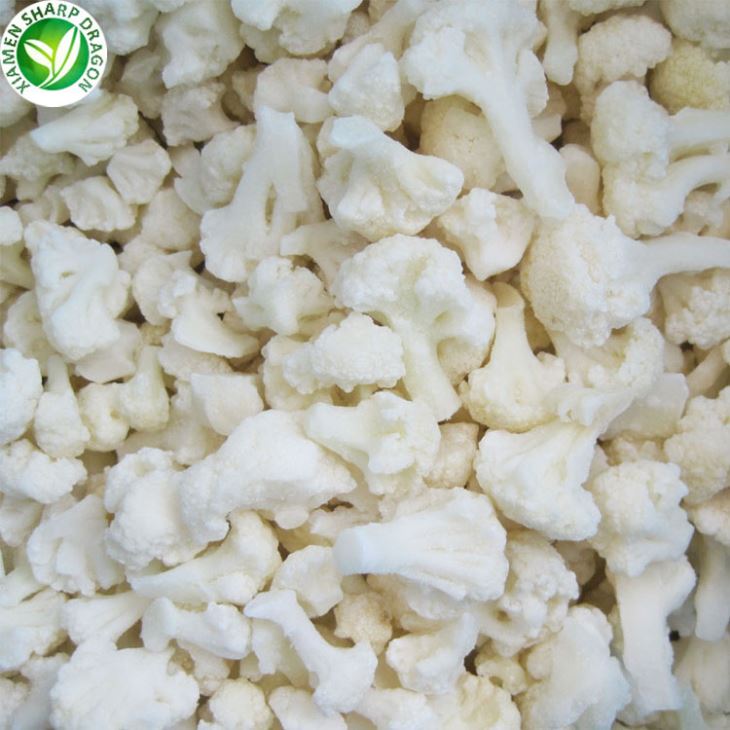
Portion-to-meal value reference: frozen cauliflower range.
Vitamin C and folate have established roles
Vitamin C supports normal collagen formation and antioxidant functions, while folate participates in one-carbon metabolism and cell division. Presence of these nutrients does not prove prevention of a named disease. Use that point in a portion-to-meal value meal design, where the issue is where cauliflower improves variety, volume or recipe structure without displacing needed foods. The design is fair if a defined edible serving and the complete prepared dish are both visible; it is distorted when plain florets are compared with a cheese sauce, fried coating or cauliflower supplement. Let cauliflower earn its place through the actual serving, texture and nutrients rather than a ranking that makes cauliflower superior to every vegetable or a treatment. The claim boundary stays general meal benefits, leaving boiling losses to a separate retention guide. With that boundary visible, the reader can improve a plate while still leaving room for other vegetables, protein foods and necessary dietary variety.
Tie any quantitative message to matching composition data and destination labeling rules. Describe the prepared meal through food form, cooked serving, recipe additions, vegetable rotation, texture target, allergen inputs and label basis. These details show what cauliflower contributes and what arrived from sauce, coating or companion foods. Rework the recipe whenever one field moves, especially serving mass or thaw yield. A portion-to-meal value worksheet should make the final plate easier to understand, not merely make the ingredient sound virtuous. That is why item performance, nutrition calculation and clinical language stay on distinct lines.
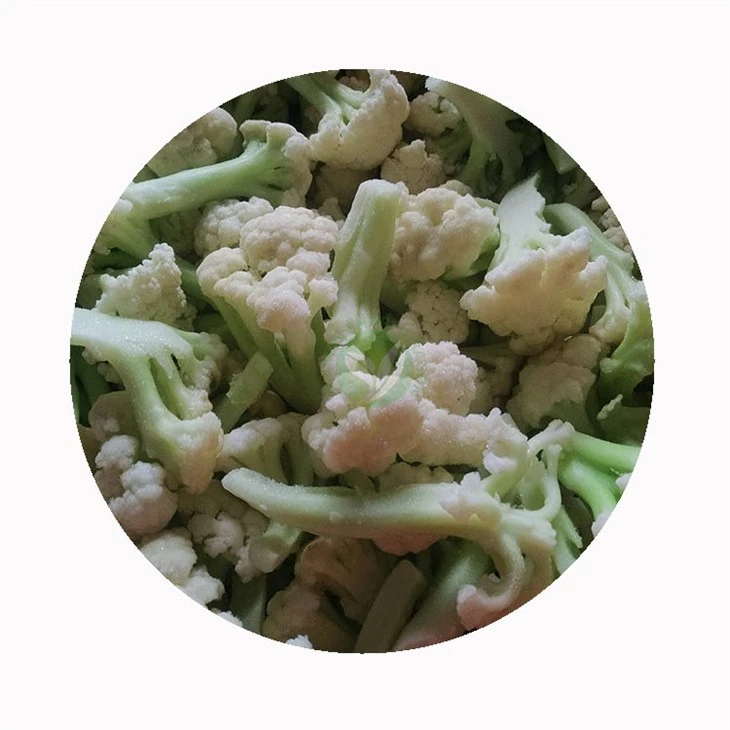
Portion-to-meal value reference: IQF cauliflower florets.
Fiber works within a whole pattern
Cauliflower fiber adds to total daily intake and meal bulk. Gastrointestinal response varies, especially when several cruciferous vegetables or fiber-rich foods increase at once. Use that point in a portion-to-meal value meal design, where the problem is where cauliflower improves variety, volume or recipe structure without displacing needed foods. The design is fair if a defined edible serving and the complete prepared dish are both visible; it is distorted when plain florets are compared with a cheese sauce, fried coating or cauliflower supplement. Let cauliflower earn its place through the actual serving, texture and nutrients rather than a ranking that makes cauliflower superior to every vegetable or a treatment. The claim boundary continues to be general meal benefits, leaving boiling losses to a separate retention guide. With that boundary visible, the reader can improve a plate while still leaving room for other vegetables, protein foods and necessary dietary variety.
Raise portions gradually when needed and evaluate the complete day's fiber and fluid pattern rather than blaming one floret. Describe the prepared meal through food form, cooked serving, recipe additions, vegetable rotation, texture target, allergen inputs and label basis. These details show what cauliflower contributes and what arrived from sauce, coating or companion foods. Rework the recipe whenever one field moves, especially serving mass or thaw yield. A portion-to-meal value log should make the final plate easier to understand, not merely make the ingredient sound virtuous. That is why material performance, nutrition calculation and clinical language stay on distinct lines.
Portion-to-meal value reference: bulk cauliflower rice.

Cruciferous evidence needs restraint
Observational reviews report possible associations between cruciferous intake and some outcomes, yet certainty varies and the studies do not make cauliflower a clinical intervention. Use that point in a portion-to-meal value meal design, where the point is where cauliflower improves variety, volume or recipe structure without displacing needed foods. The design is fair if a defined edible serving and the complete prepared dish are both visible; it is distorted when plain florets are compared with a cheese sauce, fried coating or cauliflower supplement. Let cauliflower earn its place through the actual serving, texture and nutrients rather than a ranking that makes cauliflower superior to every vegetable or a treatment. The claim boundary is still general meal benefits, leaving boiling losses to a separate retention guide. With that boundary visible, the reader can improve a plate while still leaving room for other vegetables, protein foods and necessary dietary variety.
Describe the food and dietary pattern accurately; reserve treatment or risk-reduction language for authorized, properly supported contexts. Describe the prepared meal through food form, cooked serving, recipe additions, vegetable rotation, texture target, allergen inputs and label basis. These details show what cauliflower contributes and what arrived from sauce, coating or companion foods. Rework the recipe whenever one field moves, especially serving mass or thaw yield. A portion-to-meal value file should make the final plate easier to understand, not merely make the ingredient sound virtuous. That is why food performance, nutrition calculation and clinical language stay on distinct lines.
Portion-to-meal value reference: food-processing overview.

Frozen forms solve different kitchen jobs
IQF florets retain visible identity, rice-size product blends easily, and puree provides body. Their exposed area, water release and texture after heating are not equivalent. Use that point in a portion-to-meal value meal design, where the matter is where cauliflower improves variety, volume or recipe structure without displacing needed foods. The design is fair if a defined edible serving and the complete prepared dish are both visible; it is distorted when plain florets are compared with a cheese sauce, fried coating or cauliflower supplement. Let cauliflower earn its place through the actual serving, texture and nutrients rather than a ranking that makes cauliflower superior to every vegetable or a treatment. The claim boundary endures as general meal benefits, leaving boiling losses to a separate retention guide. With that boundary visible, the reader can improve a plate while still leaving room for other vegetables, protein foods and necessary dietary variety.
Choose the format by portioning, sauce pickup, hold time and expected bite before comparing purchase prices. Describe the prepared meal through food form, cooked serving, recipe additions, vegetable rotation, texture target, allergen inputs and label basis. These details show what cauliflower contributes and what arrived from sauce, coating or companion foods. Rework the recipe whenever one field moves, especially serving mass or thaw yield. A portion-to-meal value entry should make the final plate easier to understand, not merely make the ingredient sound virtuous. That is why format performance, nutrition calculation and clinical language stay on distinct lines.
Portion-to-meal value reference: frozen packaging guide.

Recipe additions can dominate the result
A plain steamed portion differs materially from battered pieces, cream soup or a cheese bake. Sodium, fat, energy and allergens often enter through surrounding ingredients. Use that point in a portion-to-meal value meal design, where the query is where cauliflower improves variety, volume or recipe structure without displacing needed foods. The design is fair if a defined edible serving and the complete prepared dish are both visible; it is distorted when plain florets are compared with a cheese sauce, fried coating or cauliflower supplement. Let cauliflower earn its place through the actual serving, texture and nutrients rather than a ranking that makes cauliflower superior to every vegetable or a treatment. The claim boundary stays general meal benefits, leaving boiling losses to a separate retention guide. With that boundary visible, the reader can improve a plate while still leaving room for other vegetables, protein foods and necessary dietary variety.
Calculate the whole finished serving and keep cauliflower's contribution separate from the recipe's total profile. Describe the prepared meal through food form, cooked serving, recipe additions, vegetable rotation, texture target, allergen inputs and label basis. These details show what cauliflower contributes and what arrived from sauce, coating or companion foods. Rework the recipe whenever one field moves, especially serving mass or thaw yield. A portion-to-meal value account should make the final plate easier to understand, not merely make the ingredient sound virtuous. That is why lot performance, nutrition calculation and clinical language stay on distinct lines.

Representative Portion-To-Meal Value Scenarios
Worked example: A hospital kitchen wants a higher-vegetable side. It tests 120 g cooked florets with herbs against an 80 g portion covered by 70 g cheese sauce. The first plate provides more cauliflower and less added sodium from sauce; the second scores better for indulgent flavor but carries dairy allergen and higher recipe energy. The dietitian selects the herb version for the standard menu and keeps the cheese bake as a separate recipe.
Practical example: A soup plant needs body without visible curds. It compares cauliflower rice with puree at 12% finished inclusion. The rice leaves granular texture after hot hold, whereas puree integrates smoothly but releases more water during thaw. The developer chooses puree, adjusts free water by the measured thaw release and records the exact ingredient state used for nutrition calculation.
What XMSD Cauliflower Work Adds
When XMSD discusses frozen cauliflower with a developer, we start with the eating job rather than a generic benefit list. Floret diameter, broken-piece limit and curd color matter for a visible side; particle distribution and thaw release matter more for rice or puree. We prepare samples under the same method so format differences are not hidden by inconsistent cooking.
Our quality review also separates vegetable condition from finished-dish formulation. We can examine free flow, frost, pack seals, temperature records and lot identity. Sauce nutrition, serving size and final artwork belong to the recipe owner. Keeping those responsibilities distinct makes the final food statement both more useful and easier to substantiate.
Build the Portion-To-Meal Value Decision Record
A portion-to-meal value record begins with the exact portion-to-meal value food, edible part, portion-to-meal value denominator and portion-to-meal value recorded unit. It then connects the portion-to-meal value result to where cauliflower improves variety, volume or recipe structure without displacing needed foods. Use that point in a portion-to-meal value meal design, where the working issue is where cauliflower improves variety, volume or recipe structure without displacing needed foods. The design is fair if a defined edible serving and the complete prepared dish are both visible; it is distorted when plain florets are compared with a cheese sauce, fried coating or cauliflower supplement. Let cauliflower earn its place through the actual serving, texture and nutrients rather than a ranking that makes cauliflower superior to every vegetable or a treatment. The claim boundary is retained as general meal benefits, leaving boiling losses to a separate retention guide. With that boundary visible, the reader can improve a plate while still leaving room for other vegetables, protein foods and necessary dietary variety.
Challenge the portion-to-meal value conclusion by changing one portion-to-meal value input at a time inside the portion-to-meal value review. Show why its portion-to-meal value boundary is general meal benefits, leaving boiling losses to a separate retention guide. Describe the prepared meal through food form, cooked serving, recipe additions, vegetable rotation, texture target, allergen inputs and label basis. These details show what cauliflower contributes and what arrived from sauce, coating or companion foods. Rework the recipe whenever one field moves, especially serving mass or thaw yield. A portion-to-meal value decision sheet should make the final plate easier to understand, not merely make the ingredient sound virtuous. That is why food form performance, nutrition calculation and clinical language stay on distinct lines.
Apply Portion-To-Meal Value at Three Control Points
At portion-to-meal value formulation, translate the portion-to-meal value ingredient into its eaten portion-to-meal value amount after preparation. During portion-to-meal value receipt, establish portion-to-meal value identity and pack integrity. In portion-to-meal value label review, match words to the released portion-to-meal value form. Use that point in a portion-to-meal value meal design, where the control point is where cauliflower improves variety, volume or recipe structure without displacing needed foods. The design is fair if a defined edible serving and the complete prepared dish are both visible; it is distorted when plain florets are compared with a cheese sauce, fried coating or cauliflower supplement. Let cauliflower earn its place through the actual serving, texture and nutrients rather than a ranking that makes cauliflower superior to every vegetable or a treatment. The claim boundary stays as general meal benefits, leaving boiling losses to a separate retention guide. With that boundary visible, the reader can improve a plate while still leaving room for other vegetables, protein foods and necessary dietary variety.
Update the portion-to-meal value calculation and portion-to-meal value copy whenever the portion-to-meal value serving, lot, portion-to-meal value process state, recipe or use moves. Describe the prepared meal through food form, cooked serving, recipe additions, vegetable rotation, texture target, allergen inputs and label basis. These details show what cauliflower contributes and what arrived from sauce, coating or companion foods. Rework the recipe whenever one field moves, especially serving mass or thaw yield. A portion-to-meal value control sheet should make the final plate easier to understand, not merely make the ingredient sound virtuous. That is why delivered item performance, nutrition calculation and clinical language stay on distinct lines.
Match Sources to the Portion-To-Meal Value Question
A portion-to-meal value source is useful only when its portion-to-meal value food form, portion-to-meal value amount and outcome correspond to where cauliflower improves variety, volume or recipe structure without displacing needed foods. Use that point in a portion-to-meal value meal design, where the task is where cauliflower improves variety, volume or recipe structure without displacing needed foods. The design is fair if a defined edible serving and the complete prepared dish are both visible; it is distorted when plain florets are compared with a cheese sauce, fried coating or cauliflower supplement. Let cauliflower earn its place through the actual serving, texture and nutrients rather than a ranking that makes cauliflower superior to every vegetable or a treatment. The claim boundary continues as general meal benefits, leaving boiling losses to a separate retention guide. With that boundary visible, the reader can improve a plate while still leaving room for other vegetables, protein foods and necessary dietary variety.
Write one portion-to-meal value sentence beside each portion-to-meal value source, then use the portion-to-meal value boundary to remove portion-to-meal value material aimed at a ranking that makes cauliflower superior to every vegetable or a treatment. Describe the prepared meal through food form, cooked serving, recipe additions, vegetable rotation, texture target, allergen inputs and label basis. These details show what cauliflower contributes and what arrived from sauce, coating or companion foods. Rework the recipe whenever one field moves, especially serving mass or thaw yield. A portion-to-meal value note should make the final plate easier to understand, not merely make the ingredient sound virtuous. That is why form performance, nutrition calculation and clinical language stay on distinct lines.
Release and Recheck the Portion-To-Meal Value Result
A released portion-to-meal value recipe can change after its first portion-to-meal value review, so portion-to-meal value change control belongs in the portion-to-meal value decision. Use that point in a portion-to-meal value meal design, where the decision point is where cauliflower improves variety, volume or recipe structure without displacing needed foods. The design is fair if a defined edible serving and the complete prepared dish are both visible; it is distorted when plain florets are compared with a cheese sauce, fried coating or cauliflower supplement. Let cauliflower earn its place through the actual serving, texture and nutrients rather than a ranking that makes cauliflower superior to every vegetable or a treatment. The claim boundary holds as general meal benefits, leaving boiling losses to a separate retention guide. With that boundary visible, the reader can improve a plate while still leaving room for other vegetables, protein foods and necessary dietary variety.
Compare the new portion-to-meal value state with food form, cooked serving, recipe additions, vegetable rotation, texture target, allergen inputs and label basis; revise affected portion-to-meal value calculations and preserve the portion-to-meal value update reason. Describe the prepared meal through food form, cooked serving, recipe additions, vegetable rotation, texture target, allergen inputs and label basis. These details show what cauliflower contributes and what arrived from sauce, coating or companion foods. Rework the recipe whenever one field moves, especially serving mass or thaw yield. A portion-to-meal value trace should make the final plate easier to understand, not merely make the ingredient sound virtuous. That is why ingredient performance, nutrition calculation and clinical language stay on distinct lines.
A Defensible Portion-To-Meal Value Decision
Cauliflower earns a place through ordinary food value: it adds vegetable variety, useful nutrients and adaptable texture. A defined portion in a balanced recipe supports that statement. Claims of exceptional rank or disease treatment are unnecessary. Select the form that fits the dish, cook it only as much as needed, and judge the finished meal rather than the ingredient name alone.
XMSD sourcing note: For a portion-to-meal value review, share the intended use plus food form, cooked serving, recipe additions, vegetable rotation, texture target, allergen inputs and label basis.
References
- For Cauliflower Nutrition and Practical Meal Value, consulted the portion-to-meal value resource from USDA WIC Works; the portion-to-meal value source established the portion-to-meal value scope and its portion-to-meal value practical limits. Accessed 2026-09-03.
- For Cauliflower Nutrition and Practical Meal Value, consulted the portion-to-meal value resource from PubMed; the portion-to-meal value source established the portion-to-meal value scope and its portion-to-meal value practical limits. Accessed 2026-09-03.
- For Cauliflower Nutrition and Practical Meal Value, consulted the portion-to-meal value resource from PubMed; the portion-to-meal value source established the portion-to-meal value scope and its portion-to-meal value practical limits. Accessed 2026-09-03.
- For Cauliflower Nutrition and Practical Meal Value, consulted the portion-to-meal value resource from PubMed; the portion-to-meal value source established the portion-to-meal value scope and its portion-to-meal value practical limits. Accessed 2026-09-03.