


Fresh vs Frozen Broccoli: Nutrition, Texture and Buying
Jan 07, 2019

Fresh broccoli is not automatically healthier, and frozen broccoli is not simply a lower-grade substitute. Fresh crowns give you a crisp raw texture and control over cutting. Commercial frozen broccoli is normally trimmed, washed, cut, blanched, quick frozen, and packed, so it provides convenience, lower preparation waste, stable year-round availability, and predictable portions. Blanching and freezing change texture and some nutrients, while chilled storage also changes fresh broccoli over time.
Choose from the result you need. Fresh fits raw presentations, short local supply chains, and recipes where a very crisp bite is essential. IQF frozen florets often fit ready meals, vegetable mixes, soups, foodservice, central kitchens, and retail freezer programs. Nutrition remains relevant, but application yield, labor, waste, floret size, stem ratio, color, blanching, free-flowing condition, pack, cold chain, and destination requirements usually decide the commercial result.
The short answer: Buy fresh broccoli when raw-like crispness, local freshness, or custom in-house cutting creates value. Buy frozen broccoli when preparation efficiency, low trimming waste, portion control, cold-chain shelf life, and repeat production matter more. Compare both on the same cooked, usable, and delivered basis.
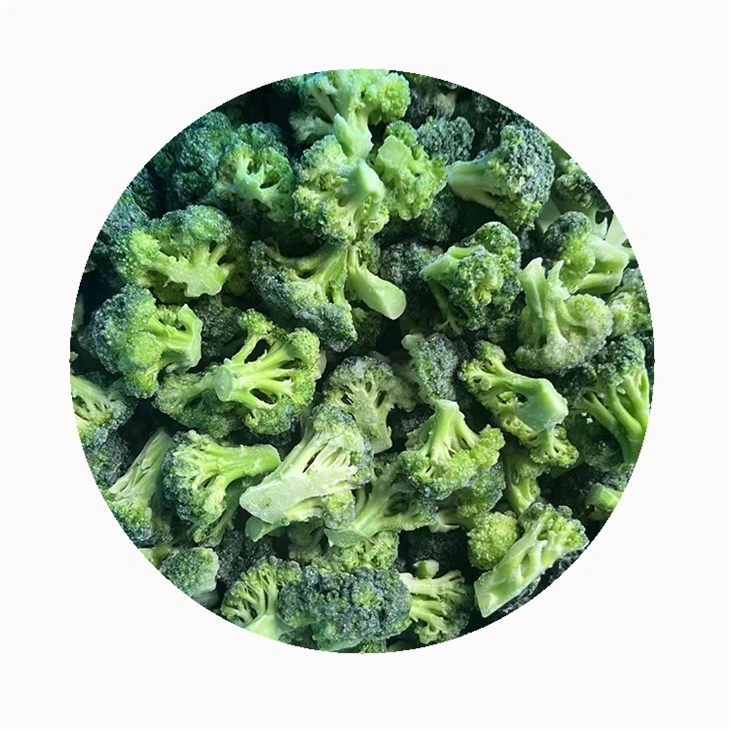
Fresh and Frozen Broccoli Are Different Starting Materials
Fresh broccoli continues to respire after harvest. Temperature, humidity, time, packaging, and handling affect water loss, yellowing, odor, firmness, and nutrient retention before it reaches a kitchen. "Fresh" therefore describes a supply form, not a fixed biological age. A compact crown harvested recently and kept cold can be very different from one that spent many days in distribution and retail display.
Frozen broccoli begins with an industrial preparation step. Selected heads are trimmed, washed, cut to a defined style, blanched to control enzyme activity, cooled, quick frozen, and packed. Proper IQF processing aims to keep pieces loose enough for portioning. The floret is already partly heat-treated, so its cell structure and cooking response are different before it enters your recipe.
Codex identifies styles including spears, florets, cut spears, and chopped broccoli. That vocabulary matters because a comparison between fresh whole crowns and frozen chopped pieces is not neutral. Cut style changes visible crown area, stem share, cooking rate, drainage, plate coverage, pack density, and labor. Compare like styles or calculate the conversion needed to make them equivalent in the finished product.
| Decision | Fresh broccoli | IQF frozen broccoli |
|---|---|---|
| Starting form | Raw crown, stems, leaves, and variable trim | Trimmed, washed, cut, blanched, and frozen |
| Texture advantage | Crisp raw or lightly cooked bite | Predictable tender-cooked bite when process is matched |
| Operational advantage | Flexible in-house cutting and raw presentation | Portioning, low trimming waste, long frozen storage |
| Main risk | Age, yellowing, dehydration, variable usable yield | Softness, clumping, ice, stem imbalance, temperature abuse |

Time, Processing and Comparison Basis Change the Nutrition Result
Broccoli in both forms contributes fiber, vitamin C, vitamin K, folate, carotenoids, minerals, and glucosinolates. Freezing itself is only one stage. Fresh broccoli can lose quality during distribution and refrigerated storage; frozen broccoli experiences blanching and long frozen storage. Cooking then changes both. A raw-fresh database value and a cooked-frozen label value are not a controlled comparison.
An industrial-scale broccoli study reported lower firmness and lightness after blanching and freezing. Losses in measured phenolic compounds and total vitamin C forms occurred, while antioxidant capacity was similar and glucosinolates remained constant under those study conditions. Another study attributed glucosinolate loss mainly to blanching and cooling while observing increases in some measured phenolic, chlorophyll, carotenoid, and antioxidant values. Different cultivars, methods, and analytical bases help explain why one percentage cannot describe every frozen product.
Research comparing refrigerated and frozen produce also shows that the answer varies by commodity and vitamin. Frozen storage may preserve some nutrients after processing, while fresh produce continues to change in the refrigerator. "Fresh always wins" and "frozen always wins" are both poor summaries. Name the nutrient, the starting crop, storage time, preparation, serving basis, and method before drawing a quantitative conclusion.
Water complicates the table. Roasting can reduce mass and concentrate a nutrient per 100 g even when some of it was lost. Boiling can add water and dilute the same nutrient per 100 g, while water-soluble material can move into the cooking liquid. For nutrition labeling or formulation, compare the actual drained or cooked serving and use a defensible analysis or retention calculation.
Practical example: If a central kitchen serves 120 g cooked broccoli, it should not copy a raw 100 g nutrition entry onto the menu. Weigh the starting ingredient, record cooked and drained yield, calculate the broccoli mass in the final portion, and use product-specific or legally accepted data. This action matters more than choosing a flattering fresh-versus-frozen headline.

Texture Is Where the Difference Becomes Obvious
Fresh broccoli starts with intact cell walls and internal pressure that support crispness. Cutting and cooking progressively soften that structure. Frozen broccoli has already been blanched, and ice formation disrupts some cells. After thawing or cooking, it normally releases more water and feels more tender. This is an expected process effect, although overblanching, slow freezing, long temperature abuse, or overcooking can make it excessively soft.
Do not test frozen broccoli by thawing it on a bench and expecting raw-fresh crunch. Test it in the intended process. A steamable retail bag, frozen pasta meal, soup, stir-fry blend, hotel buffet, and school lunch require different bite, heating time, sauce behavior, and holding tolerance. Define the acceptable end texture after the real time-temperature sequence.
Cooking directly from frozen often reduces handling and limits water release before heating. It works well in steaming, microwaving, many soups, and controlled stir-fry or oven applications. Thawing may be useful when the process requires precise draining, fast assembly, or a coating that will not adhere to ice. Choose one method during development, record it, and keep the acceptance test consistent.
For roasting, space the frozen florets so evaporated water can escape, use adequate surface heat, and avoid crowding. For steaming or microwaving, stop when the center reaches the required tenderness rather than extending time by habit. For sauces, account for water released by the vegetable so viscosity remains stable. A softer grade may be efficient in soup while failing a premium side-dish specification.

Compare Cost by Usable Yield, Not Invoice Weight
Fresh broccoli cost includes discarded leaves, damaged areas, variable stem trim, washing, cutting, sorting, chilling, labor, and short-life waste. Frozen broccoli cost includes industrial preparation and frozen storage, but more of the purchased weight may enter production. Neither form is universally lower in cost. Record losses in your own application and include labor, energy, pack handling, storage space, and service failures.
Worked example: Suppose fresh broccoli costs USD 1.05/kg delivered, yields 68% usable cut florets after trimming, and requires USD 0.12/kg purchased for wash-and-cut labor. Its cost per usable kilogram is (1.05 + 0.12) ÷ 0.68 = USD 1.72. An IQF floret costs USD 1.48/kg and yields 94% after fines and cooking-process loss, giving 1.48 ÷ 0.94 = USD 1.57 per usable kilogram. In this case frozen is lower by about USD 0.15 per usable kilogram before waste disposal, but your yield and labor observations decide the result.
The calculation can also favor fresh. A local kitchen that sells trimmed stems in soup, receives whole crowns several times a week, and needs a raw-crisp presentation may achieve high total utilization and strong menu value. A ready-meal line with fixed 3–5 cm portions may lose throughput if it relies on variable fresh trimming. The correct comparison includes every saleable use and every avoidable loss.
For container purchasing, model pack-out and inventory as well. A 10 kg bulk carton, foodservice bags, and retail packs have different material cost, handling, opening frequency, remaining-product exposure, and pallet efficiency. Review the XMSD overview of frozen-food packaging formats as a starting point, then calculate with the actual carton and route.
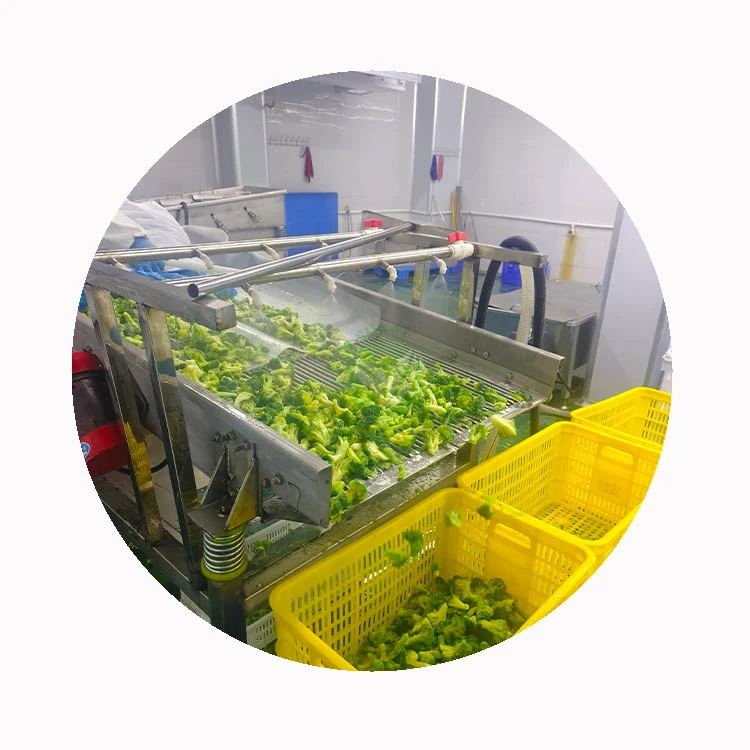
A Frozen Broccoli Specification Needs More Than a Size Name
Start with style: florets, spears, cut spears, chopped, or another agreed presentation. For florets, define the size method and band, such as 2–4 cm, 3–5 cm, or 4–6 cm. State how the dimension is measured, how many pieces form a sample, how crossing sizes are classified, and how fines are calculated. "Medium florets" cannot support repeat inspection.
Control stem share with a measurable rule or approved range. Long pale stems reduce crown coverage and can cook differently, although short tender stem is useful food rather than a defect. Add tolerances for yellowing, brown or loose buds, leaf, woody pieces, damaged florets, fragments, clumps, excessive ice, and foreign matter. Use clear sample preparation because thawing can change apparent defects.
Color and texture require references. A photo range can help describe acceptable green variation, while a defined cook test provides stronger texture evidence. Record sample mass, equipment, water or steam condition, time, temperature, drain time, holding time, and sensory endpoint. If the broccoli enters sauce, test it in sauce; water release and salt or acid can change the result.
Confirm ingredients and processing. Plain IQF broccoli normally needs no preservative, but the product specification should still state whether salt, seasoning, coating, or another ingredient is present. Review microbiological criteria, pesticide residues, heavy metals where applicable, allergen-cross-contact controls, traceability, COA format, certificate scope, origin documents, label language, shelf life, and destination-market rules for the actual facility and order.
The current XMSD IQF broccoli product guide, frozen broccoli range, and full frozen produce catalog can help you screen formats. The final specification, plant, pack, certificates, tests, and commercial terms are set for the actual project.

Match the Broccoli Form to the Sales Channel
A supermarket fresh-produce department sells appearance and immediate freshness. Compact crowns, tight buds, green color, clean cut ends, chilled display life, and rapid stock rotation carry value. A frozen retail bag sells a different promise: pieces available whenever needed, clear net weight, easy portioning, consistent cooking, and a long frozen shelf life. The quality specification and on-pack directions must support the promise actually visible to the shopper.
Foodservice often benefits from IQF control when many outlets need the same portion. A kitchen can remove a measured quantity, return the bag to frozen storage, and avoid receiving, washing, trimming, and discarding fresh heads each day. However, a high-end raw salad, crudité, or very lightly cooked plate may justify fresh. Test service holding because frozen broccoli that performs well immediately can soften after prolonged buffet heat.
Ready-meal manufacturing prioritizes heat-transfer and repeatability. Florets that vary widely in crown diameter or stem thickness can finish unevenly after assembly, freezing, distribution, and consumer reheating. Fix the size distribution, stem range, blanching condition, and starting temperature, then validate the complete process. A piece that looks ideal before assembly may become too soft after two heating stages.
Vegetable blends add another constraint: component balance. Large broccoli crowns can dominate the bag while small heavy vegetables settle, producing inconsistent servings. Check piece count and mass distribution after filling, transport simulation, and consumer pouring. The right broccoli cut supports visual value without preventing the carrots, cauliflower, corn, peas, or other components from appearing in the intended ratio.
Industrial soup, puree, filling, and sauce applications may not need intact premium florets at all. Chopped broccoli, stems within an agreed tenderness range, or smaller pieces can deliver flavor, color, and solids efficiently. Paying for uniform display crowns and then milling them removes the value of that grade. Match the inspection focus to what survives processing: foreign-material control, color, flavor, composition, microbiology, yield, and process compatibility can matter more than crown symmetry.
Private-label retail adds artwork and compliance work to the ingredient decision. Confirm the legal product name, style, ingredient statement, origin marking where required, cooking instructions, nutrition basis, net weight, date code, barcode, storage condition, language, case marks, and film performance before printing. Run the intended pack through frozen storage and distribution testing so seal integrity, abrasion, readability, and consumer handling are assessed with the food inside.
For each channel, write a one-sentence job before requesting samples. For example: "A 3–5 cm IQF floret for a 350 g microwave meal that must remain green and hold a tender-but-distinct bite after four minutes at the declared oven power." This statement gives the supplier, product developer, quality team, and packaging team the same result to test. It also reveals why a general request for "Grade A broccoli" is not enough.
Cold Chain and Arrival Checks Protect the Frozen Advantage
Quick freezing does not protect quality if the later cold chain fluctuates. Temperature rise and refreezing can increase clumping, surface ice, dehydration, color change, and texture damage. Keep the product at the agreed frozen temperature and control loading, reefer operation, door opening, transfer time, warehouse condition, and package integrity.
At receipt, preserve lot identity and inspect representative cartons. Record seal and container condition, reefer data when available, product temperature by the contract method, wet or crushed cases, liner damage, free-flowing condition, block formation, frost, color, odor, floret dimensions, fines, and the defined cook test. Separate quality acceptance from food-safety release; neither appearance nor one surface reading answers every question.
Our guide to recognizing frozen broccoli quality problems explains visible pack, ice, odor, color, and texture signals. Those signs support investigation but do not independently diagnose a pathogen or prove time-temperature history. Use them with records, samples, laboratory testing where required, and your food-safety system.

XMSD sourcing note: Share the finished application, floret band, stem preference, pack, quantity, destination, cooking test, document list, and delivery plan. We can compare a suitable IQF broccoli specification against your usable-yield and line requirements.
Frequently Asked Questions
Is frozen broccoli as nutritious as fresh broccoli?
It can retain substantial nutritional value, but individual nutrients change with crop, blanching, freezing, storage, and cooking. Fresh broccoli also changes during chilled distribution. Compare the same prepared portion rather than treating either form as universally superior.
Why is frozen broccoli usually softer?
Commercial frozen broccoli is normally blanched, and ice formation disrupts some cell structure. It therefore starts cooking from a more tender state. Excessive softness can also result from overblanching, poor freezing, temperature fluctuation, or overcooking.
Should frozen broccoli be thawed before cooking?
Often no. Steaming, microwaving, soups, and many oven or stir-fry processes can begin from frozen. Thaw only when the recipe needs draining, coating, or tightly controlled assembly, and validate the chosen process for texture and safety.
What floret size works best for commercial production?
There is no universal best size. Smaller pieces heat quickly and suit blends; larger crowns create stronger plate presence but need more time and pack space. Test 2–4 cm, 3–5 cm, or 4–6 cm samples in the real process and define the measurement method.
Final Thoughts from XMSD
Fresh and frozen broccoli are both valuable, but they are designed for different jobs. Fresh offers raw crispness and cutting freedom; IQF broccoli offers preparation efficiency, portion control, lower trimming waste, and stable frozen supply. Nutrition data do not create a universal winner. Measure cooked yield, texture, labor, waste, pack, and cold-chain performance in the real application, then write those results into the purchase specification.
Use a side-by-side trial when the choice is material: receive representative lots, prepare them with recorded methods, measure usable yield and labor, run the finished recipe, and review cost with quality and operations. One disciplined trial replaces assumptions with evidence your next purchase can use.
References
- Codex Standard for Quick Frozen Broccoli
- Effect of Industrial Freezing on Physical and Nutritional Quality Traits in Broccoli
- Effects of Industrial Pre-Freezing Processing on Broccoli Glucosinolates and Antioxidants
- Vitamin Retention in Refrigerated and Frozen Fruits and Vegetables
- Comparison of Vitamin C in Fresh and Frozen Vegetables
- Long-Term Frozen Storage and Thawing Effects in Broccoli Florets