


Frozen Spinach Precautions: What to Know Before Eating It
Mar 13, 2019

Most people do not need a list of foods that must never be eaten with frozen spinach. Ordinary combinations with cucumber, milk, soybeans, eggs, or meat are not established food-safety hazards. The practical precautions are more specific: people taking warfarin need a reasonably consistent vitamin K intake; people with a history of calcium oxalate kidney stones may receive individualized advice about high-oxalate foods such as spinach; and frozen spinach that is not clearly labeled ready-to-eat should be prepared according to the package or supplier instructions.
The short answer: Frozen spinach has no universal "taboo" for healthy adults. Focus on medication consistency, stone-specific dietary advice, ready-to-eat status, cooking directions, portion and individual tolerance-not unsupported food-pairing bans.
Freezing does not turn spinach into a different medical category. It does, however, make processing status, cold-chain handling, package integrity, and final preparation especially important. This distinction is more useful than treating every change in nutrient absorption as if it were poisoning.
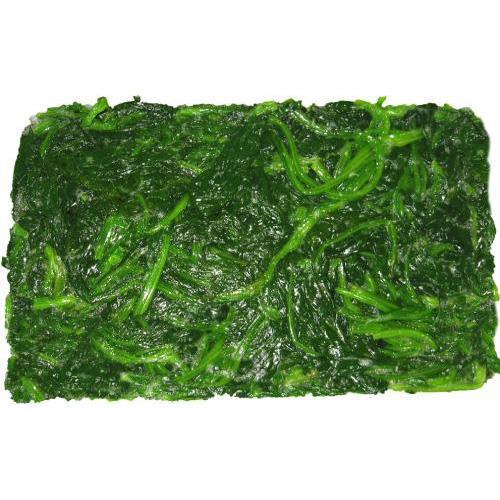
What a Frozen Spinach "Taboo" Should Really Mean
A useful precaution identifies a real population, exposure, or handling condition. It should tell the reader what changes the decision and what action follows. "Never combine these two foods" is a much stronger claim, and it needs evidence of a meaningful health risk-not merely a theory that one ingredient may change the amount or absorption of a nutrient in a mixed meal.
Current public-health guidance centers on defined issues such as warfarin and vitamin K, a diagnosed history of calcium oxalate stones, and safe preparation of ready-to-cook frozen food. It does not support turning normal menu combinations into universal prohibitions. For most people, frozen spinach can be part of varied meals in an amount they tolerate.
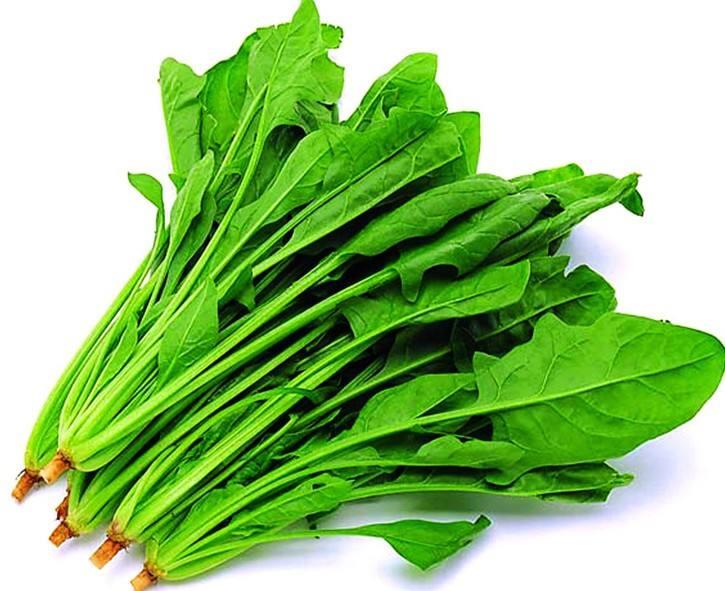
Who Needs a Specific Precaution?
People taking warfarin or a similar vitamin K antagonist
Spinach is a concentrated source of vitamin K. The U.S. National Institutes of Health advises people taking warfarin or similar anticoagulants to keep vitamin K intake reasonably consistent because sudden changes can increase or decrease the medicine's anticoagulant effect. This is not the same as saying spinach must always be avoided. The safer action is to discuss substantial dietary changes with the clinician managing the medicine.
People with a history of calcium oxalate kidney stones
The U.S. National Institute of Diabetes and Digestive and Kidney Diseases lists spinach among foods that some people with calcium oxalate stones may be advised to limit. The stone type matters. Advice for one stone type should not be applied automatically to everyone with kidney symptoms or to every healthy person.
Medical caution: Do not stop prescribed warfarin, change a calcium supplement, or impose a low-oxalate diet from a general food article. Medication, supplement, and kidney-stone guidance should be tailored by a qualified health professional.
Common Food-Pairing Claims: Myth or Useful Precaution?
Food combinations can affect taste, texture, digestion, or the absorption of some nutrients. Those changes do not automatically make the meal unsafe. The table separates an unsupported blanket rule from a practical decision.
| Claim | Evidence-based view | Practical action |
|---|---|---|
| Do not eat spinach with cucumber | A possible change in a nutrient during preparation is not evidence that the combination is harmful. | Healthy adults do not need a blanket separation rule. |
| Do not combine spinach with milk or calcium-rich foods | NIDDK guidance for calcium oxalate stones emphasizes an individualized plan and adequate calcium from foods rather than universal calcium avoidance. | Follow stone-specific professional advice if it applies to you. |
| Do not eat spinach with liver, eggs, or soybeans | Mixed meals can alter nutrient absorption, but that is not the same as a toxic or forbidden combination. | Choose the combination for the recipe and overall diet unless personal medical advice says otherwise. |
| Never take calcium tablets near spinach | Supplement need, dose, and timing depend on the product and the person's clinical plan. | Follow the supplement label and prescriber or pharmacist guidance. |
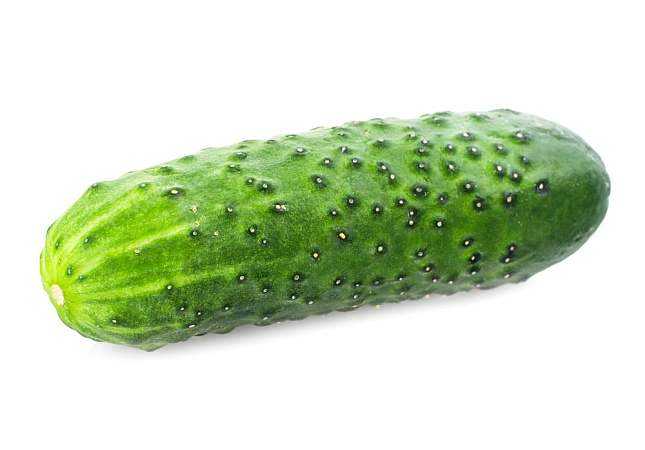
Cucumber does not make spinach unsafe
The cucumber warning is often framed as a vitamin C issue. Even if preparation changes the amount of a vitamin available in a dish, that does not establish poisoning, illness, or a reason to call the combination forbidden. A spinach-and-cucumber meal should be judged like any other meal: by ingredient quality, hygiene, preparation, portion, and individual tolerance.
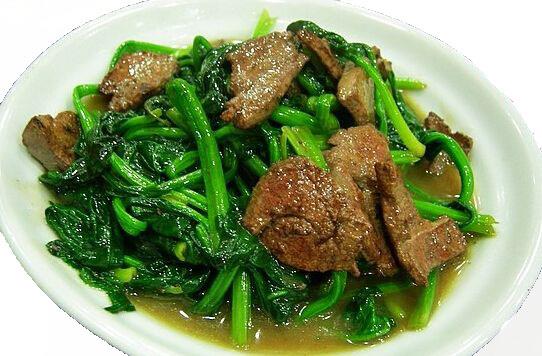
Milk, calcium, soy, eggs, and liver are not universal conflicts
The body does not absorb every nutrient in every meal completely, and meal composition can change absorption. That ordinary nutritional complexity should not be converted into a claim that common foods become harmful together. For calcium oxalate stone prevention, NIDDK specifically notes that getting enough calcium from foods can be part of the plan. Anyone prescribed a calcium supplement should follow individualized instructions instead of applying a general pairing taboo.
The Frozen-Food Precaution That Matters Most
Frozen spinach may be sold as ready-to-cook rather than ready-to-eat. Freezing does not reliably eliminate all harmful bacteria, and a blanching step does not automatically prove that the final product is safe to eat without further heating. The U.S. Food and Drug Administration advises consumers to follow package cooking instructions for ready-to-cook frozen foods so the product heats adequately throughout.
Check the label before adding frozen spinach directly to a smoothie, cold dip, or salad. If it says cook before eating, follow that direction and control cooling before using the spinach in a chilled recipe. Our separate guide explains the difference between blanched, cooked, and ready-to-eat frozen spinach process status in more detail.

What Professional Buyers Should Verify
For importers, foodservice operators, retailers, and processors, the most useful precaution is to make the intended use explicit. A product for a cooked sauce has a different downstream risk profile from an ingredient intended for a cold smoothie. The XMSD frozen spinach range includes different forms, so evaluation should begin with the application rather than a generic product name.
- Confirm whether the product is ready-to-eat, ready-to-cook, or cook-before-serving.
- Define whole leaf, chopped, ball, pellet, brick, or puree format according to the recipe and portioning method.
- Review the ingredient statement, cooking directions, agreed microbiological criteria, and destination-market documents.
- Check pack size, liner, carton condition, storage instructions, frozen condition on arrival, and evidence of temperature abuse.
- Test draining, water release, texture, color, and distribution in the actual application before approving the specification.

Portioned balls or pellets can simplify dosing, while chopped spinach may distribute more evenly through fillings or sauces. A compact block may suit full-batch use but require a different thawing or heating plan. These are application decisions, not health claims, and they should be confirmed with a representative sample.
Packaging should protect the product from contamination, dehydration, and unwanted odor or flavor transfer during distribution. Codex also requires quick-frozen spinach packs to carry keeping and cooking directions. Buyers can use our frozen food packaging overview as a starting point, then confirm the exact pack and document set for the destination market.

XMSD sourcing note: For a block of frozen spinach or another format, we can review the intended application, product form, packing requirement, preparation status, and requested documentation before quotation.
Final Judgment from XMSD
The real frozen spinach precautions are narrower and more useful than a list of forbidden pairings. Healthy adults generally do not need to separate spinach from cucumber, milk, soybeans, eggs, or liver. People taking warfarin or managing calcium oxalate stones should follow individualized guidance, and every user should respect the product's ready-to-eat status, cooking instructions, package condition, and cold chain.
References
- NIH Office of Dietary Supplements: Vitamin K Fact Sheet for Health Professionals
- NIDDK: Eating, Diet, and Nutrition for Kidney Stones
- U.S. FDA: Test Your Safety Knowledge About Ready-to-Cook Foods
- Codex Alimentarius: Standard for Quick Frozen Spinach (CXS 77-1981)
- XMSD operational review of frozen spinach formats, packing, preparation status, application fit, and buyer specification requirements.