


What Meat Goes With Cauliflower? B2B Menu and Product Guide
Dec 23, 2019

Chicken, beef, pork and lamb all go well with cauliflower. Turkey, sausage and seafood can work too. The best choice depends less on a universal flavor rule than on the finished format: use chicken or turkey when you want cauliflower to stay light; beef or lamb for rich sauces and roasted notes; pork for smoky, sweet or mustard profiles; and ground meat when cauliflower rice must mix evenly through a bowl, filling or ready meal.
For foodservice or manufacturing, pairing is a product-design decision. Floret size, stem ratio, blanching, moisture release, meat fat, sauce, batch process, hold and reheat cycle decide whether the combination succeeds. Approve the cauliflower and meat together under the actual process, then write the result into the formula and finished-product specification.
Quick selection: Choose chicken for mild, herb or cream profiles; beef for roasted, tomato or curry systems; pork for smoky, savory-sweet and cheese sauces; lamb for cumin, garlic and warm spices; and ground meat for cauliflower rice or small-cut blends. Choose the vegetable cut and cooking sequence at the same time.
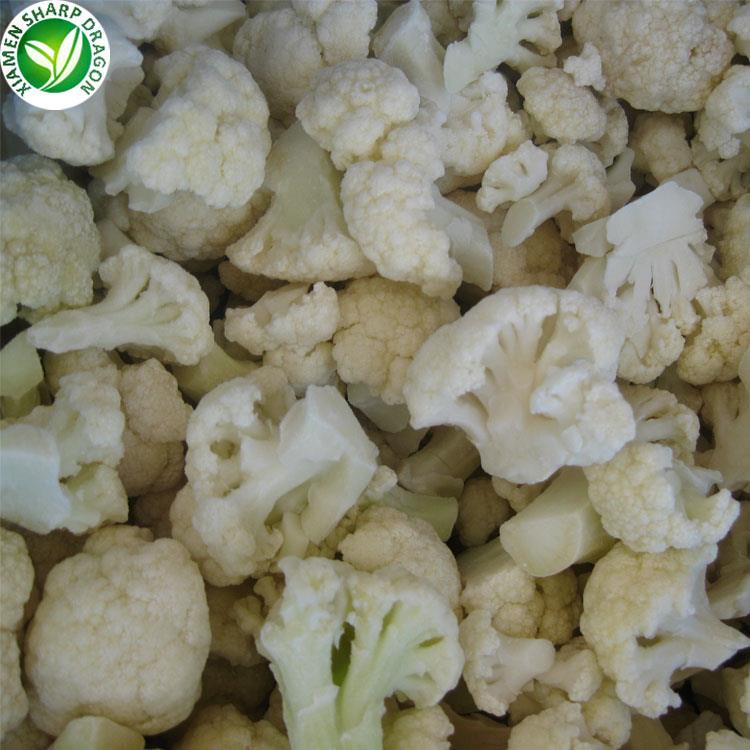
Start With the Dish, Not a List of Meats
Cauliflower is mild, lightly sweet and gently nutty, so it can sit beside many proteins without fighting them. That versatility is useful, but a long list of meats does not design a commercial dish. First decide whether cauliflower is a visible side, part of a sauce, a rice substitute, a soup ingredient or a bulk component of a ready meal.
Visible florets need intact shape and a size that cooks within the same window as the rest of the meal. A puree needs a softer endpoint and control of free water. Cauliflower rice needs small, even pieces that distribute with ground or diced meat. In each case, the vegetable contributes different texture, surface area and sauce uptake even though its ingredient name is unchanged.
Next choose the flavor system. Cream, cheese and herbs favor mild meats. Tomato, browned onion and black pepper can carry beef. Mustard, apple, smoke or sage can connect pork with cauliflower. Garlic, cumin, coriander and warm spices can support lamb. These are strong starting combinations, not fixed laws. Your regional menu, label, cost and customer expectation remain decisive.
The companion cauliflower sensory guide defines the mild flavor, limited bitterness and normal Brassica note more precisely. Use that baseline before asking meat and sauce to hide a questionable vegetable lot.
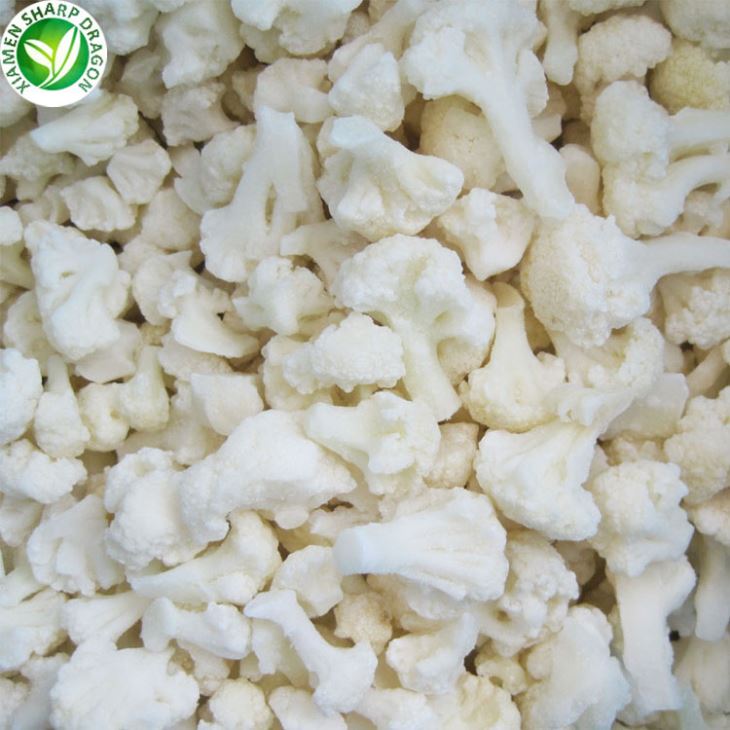
Chicken and Turkey Keep the Profile Light
Chicken is the most flexible first trial because its flavor does not overpower cauliflower. Breast meat suits a lean, mild product, while thigh meat brings more fat and a stronger roasted character. Turkey behaves similarly but can taste drier in a low-fat formula. Cauliflower can add bulk and a soft vegetable note without turning the dish into a meat-heavy system.
Herb, garlic, lemon, cream, cheese and mild curry profiles are practical starting points. Whole florets work as a side in tray meals. Smaller florets or diced cauliflower distribute through casseroles. Rice-size cauliflower can combine with ground poultry in bowls, fillings and patties, but its water release must be balanced against meat binding and sauce thickness.
Chicken and cauliflower often have different cooking needs. Raw poultry must reach its safe endpoint, while blanched IQF cauliflower may soften long before a large chicken portion is cooked. Do not rely on simultaneous raw assembly without a validated process. Pre-cook one component, alter piece size or add the cauliflower later if the vegetable collapses before the poultry is ready.
For chilled or frozen ready meals, test the complete sequence: initial cook, cooling, packing, frozen storage, reheating and any hot hold. Poultry may remain acceptable while the vegetable turns watery, or the cauliflower may hold while lean meat dries. The winning pairing is the one whose two components share a workable process window.
Beef Brings Richness and Browning
Beef's roasted and savory character gives a stronger contrast to mild cauliflower. Sliced or diced beef works with visible florets in stir-fries, curries and sauced meals. Ground beef distributes well with cauliflower rice or small cuts in bowls, fillings and casseroles. Slow-cooked beef can pair with larger florets only when cauliflower is added late enough to retain the target structure.
Tomato, browned onion, pepper, paprika, cumin and cheese can bridge the two ingredients. A dark sauce may make small discoloration less visible, but it should not be used to approve off-flavor or poor texture. Evaluate the cauliflower plain first, then confirm that it absorbs the sauce without becoming waterlogged or losing its identity.
Ground-beef formulas need a moisture and particle-size test. Large wet cauliflower pieces interrupt binding; very fine rice may release water into the meat matrix. Measure cook loss, purge after chilling, portion integrity and reheat texture. If the vegetable is intended as a yield-extending component, declare and present it honestly rather than trying to make it invisible.
Practical example: beef stew with late-added cauliflower.
A central kitchen adds frozen 30–50 mm florets at the start of a 45-minute beef stew and they collapse. The next trial holds the cooked beef base, adds the cauliflower for only the validated final stage and records intact-piece percentage after service holding. The decision is to change the sequence, not reject beef as a pairing.

Pork Works With Smoke, Mustard, Cheese and Sweet Notes
Pork ranges from lean tenderloin to fatty shoulder, cured ham and sausage, so the cut matters more than the animal name. Lean pork can take the same herb and cream systems used with chicken. Shoulder and sausage can carry stronger spice. Ham or bacon brings salt and smoke that contrast with cauliflower's mild sweetness.
Mustard, sage, apple, black pepper, cheese and restrained sweetness are useful directions. With cured meat, test total salt at the finished-meal level. A salty pork component plus seasoned sauce can make cauliflower seem bland and tempt the developer to add still more salt. Balance the system before deciding the vegetable has insufficient flavor.
Sausage and cauliflower rice can produce a uniform skillet or bowl format because the particle scales are similar. That same closeness creates a label and consistency challenge: measure the ratio, visual distribution and serving weight so the vegetable content does not drift from batch to batch. For visible pork portions, florets may create a clearer premium presentation.
Fat coating can reduce the perception of surface water, but it does not remove moisture. Check the pack after cooling and reheating. Free liquid, separated fat and broken crowns are different failures and need different corrections: drainage, sauce design, cut selection or process timing.
Lamb Needs a Deliberate Spice and Texture Plan
Lamb has a stronger identity than chicken or pork, so cauliflower usually serves as a mild counterpoint or carrier for seasoning. Garlic, cumin, coriander, mint, pepper and tomato are practical bridges. Cauliflower puree can sit beneath sliced or braised lamb, while florets can join curries, tray meals and stews.
A strong lamb sauce can hide the vegetable's subtle flavor, which may be acceptable if texture and visual contribution are the main functions. Still, do the plain-cooked vegetable approval first. A sauce that masks a stale or sulfur-heavy lot in the first trial may reveal the defect after chilled storage or reheating.
Long braising creates the same timing problem seen with beef. If cauliflower enters too early, it can dissolve into the sauce. That may be desirable for a thick puree-like base but fails a specification that promises recognizable florets. Decide whether cauliflower is a structured inclusion or a formulation ingredient before choosing size and addition point.

Seafood, Sausage and Other Proteins Can Fit
White fish, salmon and shrimp pair with cauliflower in cream, herb, lemon, garlic and curry systems. Seafood often cooks quickly, which can align well with small frozen florets or cauliflower rice. Large dense florets may remain firm while shrimp is already done, so cut size and staging still matter.
Sausage brings seasoning and fat into one ingredient. It can simplify a skillet, soup or rice-style bowl, but its salt, spice, fat and allergen declarations affect the entire formula. Turkey or chicken sausage creates a different sensory result from smoked pork sausage. Test the exact commercial sausage rather than a generic meat substitute.
The question does not require meat at all. Eggs, cheese, beans, chickpeas, tofu and plant-protein systems can also work with cauliflower. If the product is positioned as vegetarian or plant-based, prevent meat cross-contact according to the facility program and substantiate the label. The pairing decision should follow the product brief, not force meat into an application that does not need it.
Match Cauliflower Format to the Meat Format
Format matching is the most transferable rule. Give a visible meat portion a visible vegetable; pair ground or finely diced meat with a smaller cauliflower cut; and use puree when the vegetable's job is body rather than identity. This reduces uneven filling and gives both ingredients a better chance of reaching their target texture in the same process.
| Meal format | Useful pairing start | Main trial risk |
|---|---|---|
| Visible tray meal | Chicken, sliced beef, pork chop or lamb portion with graded florets | Vegetable overcooks before meat reaches its validated endpoint |
| Stir-fry | Thin beef, pork, chicken or shrimp with small florets | Uneven thaw state or excess pan moisture |
| Rice-style bowl | Ground poultry, beef, pork or sausage with cauliflower rice | Purge, weak binding or uneven vegetable ratio |
| Soup or stew | Chicken, beef, pork or lamb with late-added florets | Crown breakdown during long cooking and holding |
| Puree or sauce | Roasted poultry, beef, pork, lamb or fish | Water separation and loss of body after reheat |
The table is a trial map, not a formula. Start with the current bulk frozen cauliflower formats, then specify the actual cut and tolerance. If the meat particle is small and the vegetable is large, distribution may be inconsistent. If both are very small, the product can lose visual contrast.
Stem ratio affects bite. Dense stems may suit long-cooked soup but stand out as hard pieces in a quick stir-fry. Crown-heavy material looks attractive but can be fragile. Choose the grade against the mechanical mixing, filling, freezing and reheating conditions the meal will face.
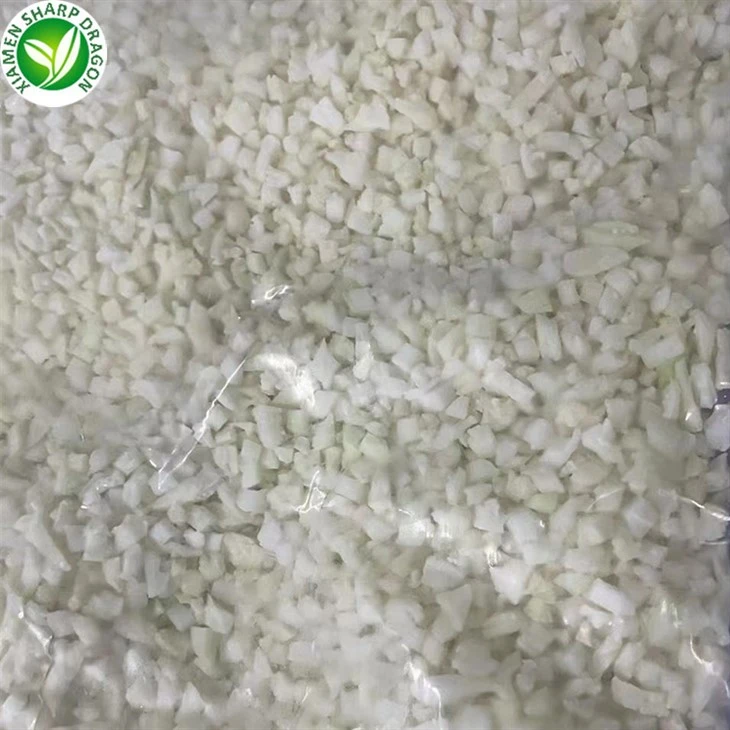
Control Moisture, Cook Order and Food Safety Separately
Moisture is often the first formulation failure. Frozen cauliflower carries ice and releases water as it heats. Meat may also release purge and fat. Measure finished yield, free liquid after a stated hold, sauce viscosity and vegetable texture. Do not assume that a thicker sauce alone fixes an unsuitable cut or overlong cooking step.
Cook order can protect both components. Brown meat before adding cauliflower when surface color matters. Add florets later in a stew. Pre-cook and drain cauliflower rice when the formula cannot absorb its water. In a validated industrial process, those steps may be combined differently, but the development trial should reveal which variable controls the result.
Food safety does not follow from pairing quality. FoodSafety.gov lists 74°C/165°F for poultry, 71°C/160°F for ground meat and sausage, and 63°C/145°F plus a three-minute rest for whole cuts of beef, pork and lamb. It lists 74°C/165°F for casseroles and leftovers. Follow the requirements that apply to your product and market, use calibrated measurement and validate the real process; do not judge meat safety by cauliflower texture.
Prevent raw-meat cross-contamination during sample preparation. Use separate utensils and zones as required by the facility procedure. If the cauliflower is assessed plain before the combined meal, keep that sample separate from raw meat so a sensory comparison does not create a safety hazard.
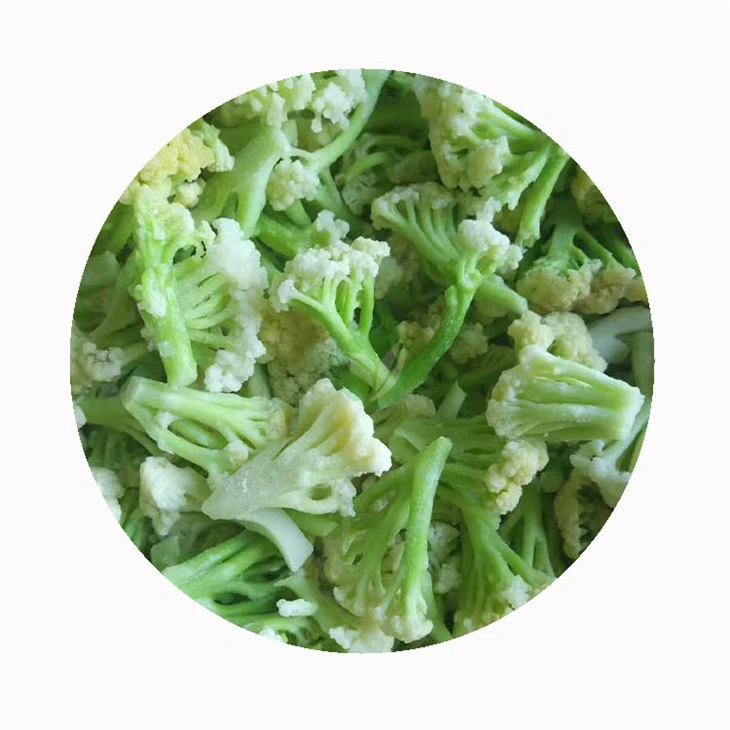
Run a Small Formula Trial Before Scaling
Lock a control formula, then change one variable at a time. A practical first series compares two cauliflower cuts with one meat, sauce and process. The second series compares two meat formats with the selected vegetable. Record starting weights, cooked weights, loss, free liquid, piece integrity, flavor scores and reheat result.
Worked example: A 100 kg pilot formula uses 28 kg frozen cauliflower and 32 kg cooked chicken, with 40 kg sauce and other ingredients. After cooking and cooling, the batch weighs 94 kg. Overall yield is 94 ÷ 100 × 100 = 94%. Each 350 g finished tray therefore contains a theoretical 28 ÷ 94 × 350 = 104 g of cauliflower before normal distribution variation. These figures teach the method and are not a commercial XMSD formula.
Now test distribution. Weigh the cauliflower from a representative set of trays using the method defined by development. If the target is 104 g but pieces settle or bridge at the filler, average composition may be correct while individual trays fail. Smaller cut, altered sauce viscosity or a different filling sequence may improve consistency.
Scale-up adds shear, residence time and thermal mass. A bench sample stirred twice is not equivalent to a production kettle. Run the actual equipment or a justified pilot, then check trays from the beginning, middle and end of the fill. The XMSD food-processing buyer page lists the application inputs to share when discussing an industrial frozen-vegetable project.
Practical example: cauliflower rice and pork filling.
A developer substitutes fine cauliflower rice for part of a pork filling and gets excess liquid after freezing and reheating. The team measures vegetable drainage, reduces uncontrolled thaw time and compares two particle sizes at the same ratio. The larger, well-drained cut holds texture and the formula proceeds to a production-line trial.

Turn the Pairing Into a Purchase Specification
Specify cauliflower as florets, green-stem florets, diced product or rice, with size range, tolerance, crown-to-stem expectation, color, defects, loose fines, IQF condition, ingredient declaration and process status. Add the target meat dish, cooking sequence and required texture after reheat or hold. That information lets the supplier understand why a particular cut matters.
Define the sensory test using sample mass, starting state, cooking time, temperature, drainage and serving window. Record clean cauliflower flavor, bitterness, sulfur intensity, stem firmness, crown integrity, sauce uptake and application fit. Keep the approved reference and formula version connected to the purchase record.
Add pack size, inner liner, carton, label, net weight, pallet, storage, destination, annual quantity and delivery window. The XMSD frozen packaging overview can start that discussion. Confirm the actual packaging construction and order terms rather than copying an example from another project.
Keep the meat specification and hazard controls in the finished-product program. XMSD's role in this inquiry is the frozen cauliflower input. The meal manufacturer remains responsible for formula validation, meat sourcing, cooking, allergen control, labeling and market compliance. Clear boundaries prevent a vegetable specification from being mistaken for finished-meal approval.
XMSD sourcing note: Send the cauliflower format and size, meat or protein application, sauce, cook-hold-reheat process, target texture, pack, trial volume, annual volume, destination and document list. We can review the frozen cauliflower specification and sample plan for your project.
Frequently Asked Questions
What is the easiest meat to pair with cauliflower?
Chicken is a flexible first trial because its mild flavor works with herb, cream, cheese, lemon and curry systems. The real decision still depends on cut, sauce and whether the cauliflower is a floret, dice, rice or puree.
Does cauliflower rice work better with ground meat?
It often distributes more evenly with ground meat than large florets do. Test moisture release, binding, particle distribution, finished yield and reheat texture before scaling the formula.
Can frozen cauliflower and raw meat cook together?
Only under a validated process that brings the meat to its required safe endpoint while keeping the vegetable within specification. In development, separate or stage the components when their cooking windows do not align.
Which cauliflower size is best for meat ready meals?
There is no universal best size. Visible tray meals may favor graded florets, stir-fries need pieces that heat rapidly, and ground-meat bowls may suit rice or dice. Select the size after a full cook-hold-reheat trial.
What information should a buyer send with an inquiry?
Send format, size, target sensory result, meat dish, sauce, process, defect limits, pack, quantity, destination, delivery window and required documents. Include a retained reference or photographs when matching an existing product.
References
- FoodSafety.gov. "Cook to a Safe Minimum Internal Temperature." Reviewed November 21, 2024. https://www.foodsafety.gov/food-safety-charts/safe-minimum-internal-temperatures
- Engel, E. et al. "Flavor-Active Compounds Potentially Implicated in Cooked Cauliflower Acceptance." Journal of Agricultural and Food Chemistry, 2002. https://doi.org/10.1021/jf025579u
- Wieczorek, M. N., and Jeleń, H. H. "Volatile Compounds of Selected Raw and Cooked Brassica Vegetables." Molecules, 2019. https://pmc.ncbi.nlm.nih.gov/articles/PMC6385023/