


What Is the Best Way to Preserve Vegetables?
Dec 04, 2019

There is no single best preservation method for every vegetable or every business. Refrigeration keeps a short-life fresh product close to its original state. Freezing is often the strongest choice when you need recognizable pieces, year-round availability and repeatable portioning. Canning provides shelf-stable distribution but applies a substantial heat process. Drying removes weight and cold-chain dependence but creates a concentrated ingredient that usually needs rehydration. Fermentation deliberately develops acidity, aroma and flavor instead of trying to preserve a fresh sensory profile.
The useful question is therefore not simply, "Which method lasts longest?" Ask what the vegetable must do in the finished food, how it will be distributed, which texture and flavor changes are acceptable, what safety controls apply, and what a usable serving costs. A method that protects color and bite but requires an unavailable frozen network is not the best choice. A shelf-stable can that survives transport may still be wrong for a visible crisp garnish.
Direct answer: use refrigeration for short-term fresh sale, quick freezing for long-term storage when piece identity and recipe flexibility matter, canning for validated shelf-stable distribution, drying for low-weight concentrated ingredients, and fermentation when an acidic fermented profile is the intended product. Choose by application, safety process, usable yield, pack and logistics-not by one universal ranking.
Define What "Best" Must Deliver
Preservation slows the changes that make a vegetable unacceptable or unsafe, but every method changes the product. Low temperature slows respiration and microbial growth. Freezing converts water to ice and greatly slows reactions, although it does not sterilize food. Canning combines a sealed container with a validated heat process. Drying lowers available moisture. Fermentation relies on controlled microorganisms, salt, acidity, temperature and time. These mechanisms are not interchangeable.
Start with the application. A frozen soup manufacturer may value clean dice, individual separation and predictable cook time. A sauce factory may accept soft canned tomato or pepper because the pieces will be blended. A seasoning producer may prefer dehydrated onion because low transport weight and concentrated flavor matter more than fresh bite. A restaurant serving a fermented garnish wants the acid and aroma created by fermentation; those are not defects to be minimized.
Then set the distribution boundary. How many days or months must the product remain usable? Is continuous refrigeration or frozen storage available from processing through delivery? Will the pack be opened repeatedly? Does the destination require retail bags, foodservice cartons or industrial totes? Is water weight acceptable in freight? The preservation method, package and route form one system. Selecting them separately creates avoidable loss.
Finally, define success with measurable attributes: color range, piece size, firmness, flavor, ingredients, drained or rehydrated yield, preparation time, microbiological status, storage condition and shelf life. "Natural," "fresh-like" and "premium" do not replace limits or test methods. If two people can inspect the same lot and reach opposite decisions, the specification is not finished.

Compare the Main Vegetable Preservation Methods
| Method | Best fit | Main change | Buyer control |
|---|---|---|---|
| Refrigeration | Short fresh supply | Continued respiration and gradual quality loss | Harvest maturity, temperature, humidity and handling time |
| Quick freezing | Recognizable pieces and flexible year-round use | Ice-crystal damage and softer texture after thawing | Blanching, freezing rate, piece separation, pack and cold chain |
| Canning | Shelf-stable distribution and cooked applications | Heat-softened texture and pack-liquid effects | Validated thermal process, seam or closure, fill and drained weight |
| Dehydration | Concentrated ingredients and low freight weight | Shrinkage, concentrated flavor and rehydration need | Moisture or water activity, cut, color, foreign matter and barrier pack |
| Fermentation or pickling | Acidic, salty or fermented flavor | Intentional acid, aroma and texture development | Validated recipe, salt, acidity, time, temperature and packaging |
This table is a selection map, not a shelf-life promise. A stated life belongs to a defined product, process, package and storage condition. Change the vegetable cut, recipe, oxygen barrier, headspace, temperature or intended use and the supporting evidence may no longer apply. Review the actual facility process and product documents instead of transferring a generic number from a different item.
Use the most severe requirement to remove unsuitable routes early. If ambient distribution is fixed, ordinary frozen supply is eliminated unless the whole finished product and route can change. If a visible piece must retain a defined bite after heating, test frozen and refrigerated forms before accepting the softer canned alternative. This turns a broad technology comparison into a short, testable decision.
When Refrigeration Is the Right Answer
Refrigeration is appropriate when the sale depends on a raw or minimally processed identity and the route is short enough to manage. Leafy vegetables, fresh-cut items and certain whole vegetables can retain the crispness and appearance that heating, drying or freezing would change. The tradeoff is continued biological activity: cold slows respiration, moisture loss and many microorganisms, but it does not stop them.
Temperature alone is not the full control. Harvest maturity, field heat removal, washing, cut damage, relative humidity, package atmosphere, condensation, ethylene sensitivity and handling time can all move the result. A refrigerated product that spends hours outside its target range may arrive older than the calendar suggests. Record time and temperature from harvest or processing, not only the reading at the receiving door.
Choose refrigeration when your customer will pay for fresh texture and can use the item within a verified life. Do not choose it merely because processing cost appears lower. Include shrink, trimming, rejection, short-date discounts and emergency replenishment in the cost. Fresh supply can be commercially excellent near the crop; it becomes fragile when the route is long, demand is uneven or the usable window is uncertain.
Why Quick Freezing Often Fits Commercial Vegetable Supply
Quick freezing is valuable when you need vegetables beyond the harvest window with a recognizable cut and controlled portions. A typical commercial route may include raw-material approval, washing, trimming, cutting, blanching where appropriate, rapid cooling, draining, individual quick freezing, inspection, packing and frozen storage. The exact steps depend on the vegetable and product status; "IQF" describes a freezing format, not every preceding safety or quality control.
Blanching is important for most vegetables because enzymes can continue to damage flavor, color and texture in frozen storage. Time must match the commodity and cut. Under-blanching can leave enzyme activity; over-blanching can make pieces soft and cause avoidable flavor or nutrient loss. Rapid cooling and drainage matter after heat treatment because warm, wet product burdens the freezer and encourages clumps.
Freezing does not sterilize vegetables. FDA guidance explains that properly handled food kept at 0°F (-18°C) remains safe while frozen, but most bacteria are not killed and quality declines over time. Codex quick-frozen vegetable standards also use -18°C in their frozen-chain framework. Ready-to-eat, ready-to-heat and cook-before-eating products require different hazard controls and label directions; never infer status from frost or an IQF claim.
Freezing also changes texture. Ice crystals disrupt cells, so many vegetables soften or release water after thawing. That may be acceptable in soup, sauce, stir-fry or a cooked meal but unsuitable for a raw-style garnish. Test the frozen vegetable format in the real cooking system and record drained yield, piece survival, cook time and sensory performance.

When Canning Is Better Than Freezing
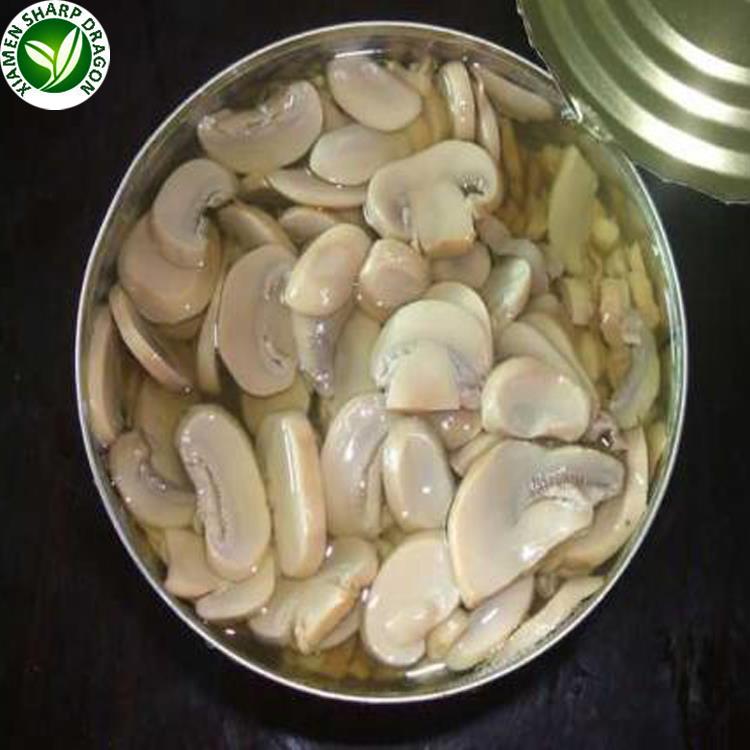
Canning can be the better distribution answer when you need unopened shelf stability and expect a cooked texture. It removes the continuous frozen-energy requirement during normal transport and storage. It can suit mushrooms, corn, peas, beans, mixed vegetables, tomato preparations and other applications where the liquid pack and heat-softened bite are acceptable.
Shelf stability comes from a validated commercial process, not from the metal can by itself. Low-acid vegetables require controls capable of addressing heat-resistant spores, including the risk associated with Clostridium botulinum. USDA FSIS explains why ordinary boiling-water treatment is not an adequate home method for low-acid vegetables. Commercial scheduled processes, container closure, retort records and release procedures belong to qualified specialists and applicable regulations.
For a canned purchase, define style, size, ingredient statement, salt or brine, fill weight, drained weight, vacuum or headspace where relevant, texture, color, defects and container condition. Bulging, leaking, badly damaged or abnormal containers require rejection and safety escalation, not a taste test. Review the actual canned food category as a different supply format rather than a room-temperature substitute with identical vegetable behavior.
Compare net vegetable output. A lower can price can hide a high proportion of packing liquid; a higher frozen price may deliver more recipe-ready solids but add cold-chain cost. Test both with the same drained-weight and application method. If a stew accepts soft pieces and values shelf stability, the can may win. If a meal kit needs bright, individually portioned florets, frozen product may justify the extra logistics.
Drying and Fermentation Serve Different Product Goals
Drying reduces moisture so the ingredient becomes lighter and more concentrated. It can work well for mushrooms, onion, garlic, chili, herbs and vegetable pieces used in seasoning, instant soup, noodle mixes or dry meal kits. The product is not fresh vegetable without water. Cut size, drying method and endpoint determine brittleness, color, aroma, storage stability and rehydration performance.
A dried-vegetable specification should state moisture or an appropriate water-activity limit, cut and sieve distribution, color, odor, foreign material, defects, rehydration method and yield, microbiological criteria and packaging barrier. Oxygen and moisture ingress after drying can undo the advantage. Test the dried mushroom format after the same soak, drain and cook cycle used by the customer.
Fermentation has another purpose. Controlled organisms convert available carbohydrate and develop acids and characteristic flavor. Salt concentration, acidity, temperature, time, vegetable-to-brine ratio and sanitation influence safety and texture. The National Center for Home Food Preservation warns against changing vinegar, food or water proportions in tested recipes and notes that salt is important to both safety and texture in fermented products.
Do not use fermentation as an improvised rescue for deteriorating raw material. Start with approved vegetables and a validated process. State whether the commercial item is live fermented, pasteurized after fermentation, refrigerated or shelf stable. These choices change flavor, microbial status, label claims and distribution. A sour fermented cabbage is a successful product when that profile was designed; it is not evidence that fermentation preserved fresh cabbage unchanged.

Nutrition Depends on the Vegetable, Process and Serving Basis
Avoid the claim that one preservation method always keeps the most nutrition. Minerals and fiber are generally more stable than some vitamins, but peeling, trimming, blanching, heating, draining, oxidation, storage time and final cooking all matter. Research comparing refrigerated and frozen produce found that retention varied by commodity and that most tested items showed no significant fresh-versus-frozen difference for the measured minerals, fiber and phenolics. That does not guarantee equality for every nutrient or lot.
Canning can reduce heat-sensitive nutrients while making other components more available and retaining useful fiber and minerals. Dried vegetables concentrate nutrients and energy per 100 g because water is removed, so a dry-weight comparison can be misleading. Fermented and pickled items may contain substantial sodium depending on the recipe. Frozen vegetables may be plain or supplied with sauce, salt or seasoning. Compare the ingredient statement and the quantity actually eaten.
Use equal serving bases. Compare 100 g as eaten, one recipe portion, or nutrients delivered by the final prepared serving. If you compare 100 g dried mushroom with 100 g rehydrated mushroom, most of the difference is water. If you compare canned vegetables before and after draining, sodium and net solids may change. A nutrition label belongs to the actual formulation and preparation basis, not to a preservation-method slogan.
Calculate Usable Cost, Not Only Purchase Price
Worked example: a central kitchen needs 8,000 kg of usable broccoli florets for a seasonal meal program. Fresh broccoli costs an illustrative $1.18/kg but delivers 68% usable florets after trimming and loses another 7% through receiving rejection and short-life shrink. IQF florets cost $1.64/kg and deliver 94% application-usable pieces after the kitchen's cook-and-drain test.
Fresh combined usable yield = 0.68 × 0.93 = 0.6324, or 63.24%. Fresh usable cost = $1.18 ÷ 0.6324 = about $1.87/kg before trimming labor. Frozen usable cost = $1.64 ÷ 0.94 = about $1.74/kg before freezer energy.
Fresh purchase required = 8,000 ÷ 0.6324 = about 12,650 kg. Frozen purchase required = 8,000 ÷ 0.94 = about 8,511 kg. The kitchen selects frozen for the base program, then keeps fresh florets only for a limited presentation where raw-like texture earns value. These are illustrative numbers, not an XMSD quotation or guaranteed yield. Test real lots, then add labor, energy, waste and freight.
This calculation can be adapted to canned and dried products. For canned vegetables, use drained application-ready solids rather than gross can weight. For dried vegetables, use the approved rehydrated and drained yield, then add soak time, water, labor and any discarded fines. For fermented vegetables, include brine or liquor only if the recipe uses it. Always align the denominator with the part that creates value.

Build the Specification Around the Chosen Method
Every preservation route begins with identity. State species or commercial type, origin where relevant, maturity, allowed varieties, ingredient statement and intended use. Then define the physical product: whole, florets, slices, dice, strips, puree or powder; nominal size and tolerance; color; flavor; texture; broken pieces; foreign material and product-specific defects.
Add process-specific fields. For frozen vegetables, confirm blanching or other pretreatment, frozen condition, free-flow requirement, clumps, surface ice, cook status and storage temperature. For cans, define fill medium, drained weight, closure and container defects. For dried items, define moisture or water activity and rehydration test. For fermented items, define acidity, salt, fermentation status and whether a later heat treatment applies.
Food-safety requirements should follow the real process and destination. Review facility scope, hazard analysis, microbiological and chemical criteria, allergen controls where applicable, pesticide-residue compliance, contaminants, foreign-material detection, traceability, lot coding and release documents. A certificate name is not enough; check the holder, facility, product scope and validity against the offered lot.
Specify the sample test before purchase. Record sample mass, preparation, thaw or soak conditions, drain time, equipment, cooking time and acceptance scale. Photograph acceptable and rejected defects. Retain the approved result when practical. A sample approved as a soup ingredient does not automatically qualify the same item as a visible ready-meal component.

Match Packaging and Logistics to the Product
Packaging protects the condition created by processing. Frozen vegetables need seals and materials that resist cold, puncture and moisture loss. Dried vegetables need a barrier against moisture and often oxygen. Cans depend on sound seams, coating compatibility and physical protection. Fermented products may require pressure management, refrigeration or a validated pasteurized pack depending on their design.
For frozen supply, review carton strength, inner liner or retail bag, net weight, coding, pallet pattern and container airflow. Use the XMSD frozen packaging overview to frame questions, then confirm the exact material and pack test for the order. A durable bag cannot correct a product that thawed before packing.
A receiving temperature is one data point, not the entire journey. Check carton condition, seals, ice patterns, clumping, logger data when required and any evidence of partial thaw. Align responsibility at each handoff through the cold-chain distribution route. For shelf-stable products, inspect container integrity, dryness, corrosion, pest exposure and warehouse temperature according to the applicable plan.
Procurement example: an importer is choosing a vegetable component for a noodle cup. Visible carrot and pea pieces must rehydrate or heat predictably, the pack will be stored at ambient temperature, and the consumer adds boiling water. Standard IQF pieces would require a frozen supply chain that the finished product does not have.
We would trial dehydrated cuts, measure rehydrated yield and color after the exact cup dwell time, check water activity and microbiological criteria, and select a high-barrier inner pack. The action follows the final product's ambient logistics and preparation method. For a frozen ready meal using the same vegetables, the decision could reverse.

A Practical Selection Sequence
- Name the final use. Record whether the vegetable must remain visible, crisp, concentrated, acidic, smooth or easily portioned.
- Fix the distribution system. State maximum route time and whether refrigerated, frozen or ambient control is genuinely available.
- Choose two plausible methods. Do not compare all technologies abstractly; compare the forms that can serve the actual product.
- Test on an equal basis. Use the same recipe output, drained or rehydrated yield, sensory scale and rejection rules.
- Calculate usable cost. Include trim, liquid, rehydration, breakage, shrink, labor, energy, pack and freight.
- Verify safety and documents. Match the facility, process, product status, certificate scope, label and destination requirements.
- Lock the specification and control sample. Define how future lots will be checked and who decides exceptions.
The sequence prevents one attractive attribute from dominating the decision. Long shelf life does not repair unsuitable texture; low invoice cost does not repair poor usable yield; strong sample performance does not repair an unsupported food-safety status. Stop when a mandatory condition fails, or document the product and process change needed before testing again.
At XMSD, we can review a frozen-vegetable request when you provide the vegetable, cut, application, expected annual or shipment volume, packing format, destination, product status and required documents. Use the XMSD inquiry form for a specification-led discussion. We will confirm what can be supported for the actual item and order rather than promise that one preservation method is always superior.
Frequently Asked Questions
1. Does freezing vegetables kill bacteria?
No. Freezing stops growth of many microorganisms while the food remains frozen, but it does not kill most bacteria or make a product sterile. Follow the specification and package preparation directions, and distinguish cook-before-eating from validated ready-to-eat status.
2. Is freezing always better than canning?
No. Freezing often retains recognizable pieces and flexible cooking performance, while canning offers unopened shelf stability and a cooked texture. Choose frozen for the application when piece identity justifies the cold chain; choose canned when validated ambient distribution and cooked behavior provide more value.
3. Why are most vegetables blanched before freezing?
Brief hot-water or steam treatment inactivates enzymes that would otherwise damage color, flavor and texture during frozen storage. The correct time depends on the vegetable and cut. Too little may be ineffective; too much can soften the product and increase losses.
4. Can dried vegetables lower usable cost?
Sometimes. Drying removes transport water and cold-chain cost, but adds processing, barrier packaging and rehydration. Compare the cost per approved rehydrated serving, including fines, soak time and labor, against the usable cooked yield of frozen product.
5. Which method preserves the most nutrients?
No method wins for every vegetable and nutrient. Results vary with trimming, blanching, heating, oxygen, storage time, recipe and serving basis. Compare the actual finished products and avoid treating "fresh," "frozen," "canned" or "dried" as a complete nutrition measurement.
6. What information supports a bulk quote?
Provide the vegetable and variety if relevant, cut or presentation, intended recipe, cook or ready-to-eat status, quality limits, pack, annual and shipment volume, destination, storage route, label requirements, documents and target delivery window. Those details determine whether a proposed frozen format is suitable.
References
- U.S. Food and Drug Administration: Are You Storing Food Safely?
- National Center for Home Food Preservation: Blanching Vegetables
- Codex Standard for Quick Frozen Vegetables, CXS 320-2015
- USDA FSIS: Shelf-Stable Food Safety
- National Center for Home Food Preservation: General Information on Fermenting
- Bouzari et al.: Mineral, Fiber, and Total Phenolic Retention in Refrigerated and Frozen Produce