


Pumpkin Benefits Differ Across Flesh, Seeds and Oil
Jan 02, 2020

Pumpkin flesh, pumpkin seeds and pumpkin seed oil serve different nutritional purposes. The orange flesh adds vegetable volume and provitamin A carotenoids. Seeds contribute considerably more fat, protein and minerals per gram. Oil is the separated fat fraction: it adds flavor and fatty acids, but it is not a substitute for the fiber and protein in a serving of seeds. Choosing one is not the same as choosing all three.
For an ordinary meal, start with the job you want the ingredient to do. Use flesh to build a soup, vegetable side or filling; use seeds for a crunchy topping or a more concentrated snack; use oil in a measured amount for dressing or finishing. A product called pumpkin bread, pumpkin drink or pumpkin spread needs a separate look at its ingredients. The name alone says little about how much flesh, seed or oil reaches your plate.
The most useful comparison is therefore portion against portion, with each food identified precisely. A bowl of plain cooked pumpkin and a spoonful of seed oil should not carry the same benefit description. Neither should be presented as treatment for a health condition. Their value is in what they add to a varied meal and what, if anything, they replace.
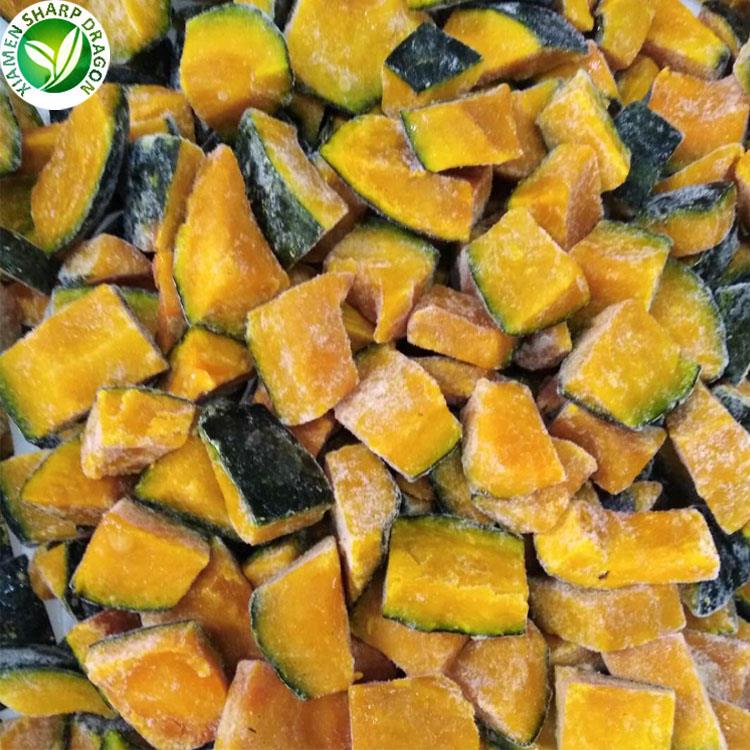
Flesh supplies food volume; seeds concentrate nutrients
A pumpkin grows watery flesh around a seed cavity. Once the seeds are separated and dried, a gram of seed represents a very different mixture of water, fat and solids from a gram of flesh. This explains why comparisons based only on the word pumpkin can be so misleading. The vegetable portion may be generous, while the seed portion is much smaller. Those customary amounts belong in the comparison alongside the values per 100 grams.
Purdue Extension lists a cup of raw pumpkin cubes weighing 116 grams at 30 calories, 8 grams of carbohydrate, 1 gram of protein and 1 gram of fiber. That is a useful description of a defined food, not a nutrition label for every frozen pumpkin product. It also puts the protein contribution of flesh in perspective. A pumpkin-based main dish usually needs another meaningful protein ingredient rather than relying on the orange flesh alone.
Seeds offer a different route. The NIH magnesium table lists 156 milligrams of magnesium in one ounce of roasted pumpkin seeds, equivalent to 37% of the US Daily Value. The food and portion are both part of that statement. A small scattering of seeds supplies less than the table portion, and a bottle of oil cannot inherit the figure simply because the oil was pressed from those seeds.

What the orange color can and cannot tell you
Beta-carotene and several related plant pigments can be converted into vitamin A. NIH describes vitamin A's established roles in normal vision, immune function and tissue development. This is why orange pumpkin flesh can be nutritionally useful. Supporting a normal function through adequate nutrition is different from improving that function without limit: extra pumpkin is not a substitute for assessment of a new sight problem or an unexplained illness.
Color is helpful when choosing an appealing pumpkin dish, but it is a rough visual characteristic rather than an assay. Variety, maturity, lighting, preparation and the camera can all affect how orange a piece looks. Two batches that photograph similarly need not contain identical amounts of a particular carotenoid. A product developer who wants to declare vitamin A needs composition data for the supplied ingredient and the finished recipe, not a color chart alone.
Keep the units attached to the number. NIH expresses vitamin A in retinol activity equivalents; a beta-carotene result needs the appropriate conversion before it becomes vitamin A activity. Ask for the original report when a supplier's summary leaves the units unclear.
A shell, a kernel and a spoonful of oil
Pumpkin seeds may be sold with a pale outer hull or as green kernels, often called pepitas. Hull-less cultivars also exist. An in-shell snack and a bag of kernels differ in what the eater actually consumes, and in the texture and fiber of that portion. If shells are discarded, weigh the edible kernels for a recipe calculation. Including discarded shell weight makes the amount eaten look larger than it really is.
A primary study by Charaya and colleagues compared two named pumpkin genotypes grown in subtropical India and found compositional differences between hulled and hull-less seed types. For a recipe calculation, that is a reason to identify the kernel, hull and preparation state in the data you use. Keep cultivar-specific measurements attached to their actual samples.
Pressing separates oil from the seed material. The remaining cake or flour retains much of the non-oil material; the oil belongs with fats in a recipe calculation. Grinding whole kernels, by contrast, produces a seed paste rather than pure oil. These processes can create products with similar names but very different protein, fiber and fat contents. Read the ingredient description before deciding whether the product replaces seeds, cooking oil or a vegetable puree.

Benefit claims must stay with the food that was studied
Pumpkin-related research includes food-composition work, laboratory tests, animal experiments and human studies of specific preparations. These answer different questions. Measuring antioxidant activity in an extract tells you something about that extract under the test conditions. It does not establish the effect of eating a bowl of pumpkin soup. A clinical trial of a capsule likewise needs its own dose, preparation, participants and outcome before it can inform a health decision.
For shoppers, the simplest safeguard is to look for a match between the item and the claim. Does the discussion concern flesh, kernels, oil or a concentrated extract? Is the reported outcome an actual change in people's health or a laboratory measurement? Does the serving resemble what you would eat? If these details are missing, choose the food for its ordinary nutritional and culinary role rather than for the promised medical effect.
For broader everyday use of the vegetable, the guide to eating plain pumpkin covers portions and preparation. Here the important distinction is substitution: replacing flesh with oil removes vegetable bulk, while replacing oil with flesh changes fat, moisture and texture. Shared plant origin is not enough to make either replacement nutritionally equivalent.
Worked example: choosing a pumpkin soup topping
Consider a representative cafe planning 40 bowls of soup. This is an illustrative recipe decision, not a record of an XMSD customer. Each bowl is to contain 150 grams of cooked pumpkin flesh, with either 10 grams of seed kernels or 5 grams of seed oil as a finish. The pumpkin requirement is 40 × 150 grams, or 6 kilograms of cooked flesh. The two toppings require 400 grams of kernels or 200 grams of oil.
The chef wants crunch and a visible topping, so the kernels do a job that oil cannot. Using the NIH roasted-seed magnesium reference only as an illustration, 10 grams would contribute about 55 milligrams: 156 milligrams × 10 ÷ 28.35. This estimates the seed contribution, not the magnesium of the entire soup and not a tested cafe value. The calculation should be replaced with the actual product information when the recipe is finalized.
If the aim were a smooth soup with a nutty finish, measured oil could be the better culinary choice. The result would be a different dish, with no seed crunch and a different nutrient contribution. The chef should not call the oil version nutritionally identical to the kernel version. Choosing on sensory function first makes it easier to keep the nutrition description honest.
The 6 kilograms is an output requirement, not automatically a purchasing quantity. If a kitchen trial hypothetically recovers 90% of the incoming flesh weight in the cooked soup base, it would need 6 ÷ 0.90, or about 6.67 kilograms of ingredient. Retained cooking liquid, evaporation and trimming change that recovery. Measure the actual method before buying for a full service; do not apply this illustrative yield as a frozen-pumpkin specification.

Why plain puree and pie filling need separate labels
Plain pumpkin puree is cooked flesh reduced to a smooth texture. Pie filling may include sugar, spices and other ingredients, while a pumpkin sauce can contain cream, oil, starch or stock. All can have legitimate uses. The mistake is assuming that the modest energy contribution of plain flesh describes the complete sweetened or enriched product. The finished portion is the unit that matters to the person eating it.
Concentration changes the comparison even when the ingredient list remains simply pumpkin. A thicker puree may contain less water per spoonful than a thinner one. If a manufacturer adds water later, the finished soup moves in the opposite direction. Use weight and the declared preparation state when comparing nutrition data. A cup of raw cubes includes spaces between pieces; it cannot be exchanged casually for a cup of dense puree in a calculation.
Pumpkin spice is another naming trap. It commonly describes a spice blend or flavor profile rather than a meaningful quantity of pumpkin flesh. Look for actual pumpkin in the ingredient list before counting a drink, cereal or dessert as a pumpkin-containing food. Even when puree is present, its contribution must be calculated alongside milk, sweetener, pastry and toppings rather than treated as the whole recipe.
Practical example: three ingredients in a retail meal
Imagine a representative meal developer testing a 300-gram frozen bowl containing 90 grams of pumpkin flesh, 10 grams of seed kernels and 4 grams of seed oil. The remaining 196 grams is other food and sauce. These are illustrative formulation inputs, not a current XMSD product. The developer's task is to make a satisfying vegetable-and-grain meal while keeping the topping recognizable after reheating.
The ingredients contribute differently to both the calculation and the eating experience. Pumpkin flesh accounts for 30% of the bowl by weight. Seeds account for about 3.3%, and oil about 1.3%. Adding these together as 34.6% pumpkin-derived ingredients could obscure the amount of vegetable flesh. Keep each component separate in the working formula and apply the destination market's rules to any declared ingredient percentage.
In a first kitchen trial, kernels mixed into the wet sauce might soften. A separate topping compartment could preserve their intended texture, but would add material, assembly and consumer steps. The decision is not automatically to choose more packaging. Compare the acceptable texture with the cost and handling burden, then test the selected pack through the actual reheat instructions. A product that needs a topping added after heating should make that sequence clear.
For private-label meal development, this distinction should be settled before artwork is signed off. The ingredient list, serving weight, nutrition calculation and front-of-pack description must describe the same recipe. A change from kernels to oil is a formula change, not merely a purchasing substitution, even if the supplier's ingredient name still starts with pumpkin.

Cooking changes the structure you actually serve
Pumpkin flesh becomes softer with cooking and may break down further during mixing. That is helpful for a smooth soup and less helpful for a meal that needs visible cubes. The right cut therefore depends on the final dish. Small dice disperse differently from larger chunks; a puree starts with the structure already broken down. Compare finished portions, not just attractive frozen pieces on a tray.
At XMSD, we would separate a cube-retention requirement from a puree requirement at the start of a sample discussion. For cubes, the useful observations are intact pieces, tenderness and water released into the sauce. For puree, they are smoothness, thickness and the amount of added liquid needed. Those observations lead to a clearer ingredient choice than one vague request for the most nutritious pumpkin.
A practical sample of frozen pumpkin cuts should be cooked by the buyer's proposed method. Keep the starting weight, equipment load, liquid and mixing conditions consistent. Then weigh and taste the served result. This does not establish a health advantage between suppliers, but it does show whether the selected form reliably delivers the intended vegetable portion and eating quality.
Buying evidence for the finished recipe
A retail nutrition declaration needs a traceable basis. Ask for the identity of the supplied material, the ingredient statement and suitable composition information. A generic value may be useful during early development, but the label review should consider the actual recipe, processing and serving. Seeds, oil and flesh need separate entries in the calculation so that changing one does not silently alter the others.
In a food-processing project, we would also keep performance acceptance separate from nutritional substantiation. An approved cook test may show that pumpkin cubes remain intact in a sauce. It does not by itself support a vitamin or mineral declaration. Conversely, a composition report says little about whether the cubes disintegrate during pumping. Both forms of evidence can be useful without doing the same job.
Lot identification makes later changes manageable. Record which sample was approved, what recipe it entered and which data were used. If the pumpkin variety, puree concentration or seed preparation changes, review the affected assumptions rather than treating the ingredient as permanently fixed. This is especially important when a proposed nutrient claim sits close to a legal threshold. Have the finished claim checked for the intended market before printing it.

Handling each form according to its own instructions
Frozen flesh, dry kernels and bottled oil belong to different storage systems. Follow each product's labeled conditions and opening instructions instead of extending one ingredient's shelf life to another. Frozen pumpkin may require cooking; a frozen appearance is not a ready-to-eat statement. Seed products can also differ in whether they have received a validated treatment for their intended use. The supplied specification should make that intended use clear.
Package size should match use. A large bag may be convenient for a batch kettle and awkward for a small cafe that needs only a little at a time. Repeated handling can make portioning less convenient and expose the product unnecessarily. The frozen-food packaging overview is a starting point for considering the bag and carton, but the exact choice belongs with the use rate and cold-chain plan.
Oil, kernels and flesh also have different quality checks after opening. Follow the maker's instructions, keep each lot identified, and investigate unexpected odor, appearance or package condition before use. Photographs from purchasing approval describe the sample, not the condition of a later opened pack.
Choosing for your diet rather than a benefit headline
For most people, the three forms can fit into varied meals, but there is no requirement to eat all three or to eat them every day. A vegetable side, a seed topping and a measured oil each have a place. Choose the portion in the context of the meal. Adding seeds and oil on top of an already rich dish is a different decision from replacing a topping you would otherwise use.
People following a prescribed diet should apply their own plan to the actual product and amount. Flesh, seeds and oil have different carbohydrate and mineral profiles, so a permitted portion of one is not automatic permission for an equal weight of another. If you have a known food allergy, check ingredients and cross-contact information; do not use shared plant origin or a general nutrition article to decide that a particular processed form is safe.
The clearest everyday rule is to name the food before naming the benefit. Flesh gives the meal pumpkin as a vegetable ingredient. Kernels add a concentrated seed component. Oil supplies a measured fat and flavor component. Once those identities and amounts are visible, you can compare recipes sensibly, enjoy the food without exaggerated expectations, and ask a supplier a question that can actually be answered.

For a pumpkin ingredient project, send the required cut, process state, recipe use and pack size. Ask XMSD to review the ingredient requirement before fixing the sample plan.