


Papaya Fruit Benefits: Nutrition, Evidence and Food Forms
Oct 17, 2019

Ripe papaya can give a meal a visible whole-fruit portion, vitamin C, some dietary fiber, high water content and orange-red carotenoid pigments. Its soft texture and mild tropical sweetness also make it useful where a firmer fruit would be less acceptable. These are meaningful food benefits when the portion is actually eaten.
The advantage depends on the form. Fresh ripe cubes, thawed frozen fruit, green papaya, dried pieces, sweetened nectar and isolated papain do different jobs. A health statement from ripe fruit cannot be moved automatically onto a syrup dessert or enzyme supplement.
Judge papaya at meal level. Weigh the edible fruit, identify what it replaces, include companion ingredients, and observe acceptance, comfort and waste. For a commercial application, add maturity, cut, thaw behavior, fruit percentage and holding conditions.
Direct answer: Papaya is valuable as an appealing, water-rich fruit that contributes vitamin C, fiber and color. Keep claims modest, choose ripe or green fruit for the correct culinary job, and verify that the prepared serving still delivers the fruit amount and texture you intended.

Benefit One: A Defined Whole-Fruit Occasion
The first benefit is not a compound; it is a clear fruit serving. Papaya flesh can be cut into a visible gram amount and used at breakfast, in a snack or as part of dessert. That makes it possible to compare the new meal with the item it replaces.
Use edible weight after peel and seeds are removed. Gross fruit weight overstates what reaches the plate, while an unmeasured scoop hides portion variation. A kitchen or service scale settles the question quickly.
Worked example: A peeled and seeded papaya yields 435 grams of usable flesh. Three 145-gram cups use the complete yield. If the operation promises four cups, actual fill would fall to 108.75 grams unless more fruit is prepared.
The comparison becomes stronger when the old food is recorded. Papaya that replaces syrup on yogurt changes the meal. Papaya added while the syrup remains changes it differently. "Contains fruit" is not enough to identify the result.
Benefit Two: A Substantial Vitamin C Contribution
USDA-derived data list raw papaya at about 60.9 milligrams of vitamin C per 100 grams. A 145-gram cup therefore provides roughly 88.3 milligrams. Vitamin C supports normal collagen formation, antioxidant activity and immune function.
That nutrient role supports a composition statement, not a promise that papaya prevents infection, heals disease or guarantees better skin. The whole diet, health status and actual serving remain relevant.
Practical example: A breakfast bowl includes 90 grams of papaya. Using the 60.9-milligram-per-100-gram reference gives 60.9 × 0.9 = 54.8 milligrams vitamin C. If the bowl contains only 45 grams, the estimate halves.
Fresh-fruit data should not be copied onto a stored puree or heat-treated filling without an accepted calculation or test. Processing, oxygen, storage time and temperature can change vitamin C retention. The finished product needs its own evidence basis.
Benefit Three: Fiber in a Soft Fruit Matrix
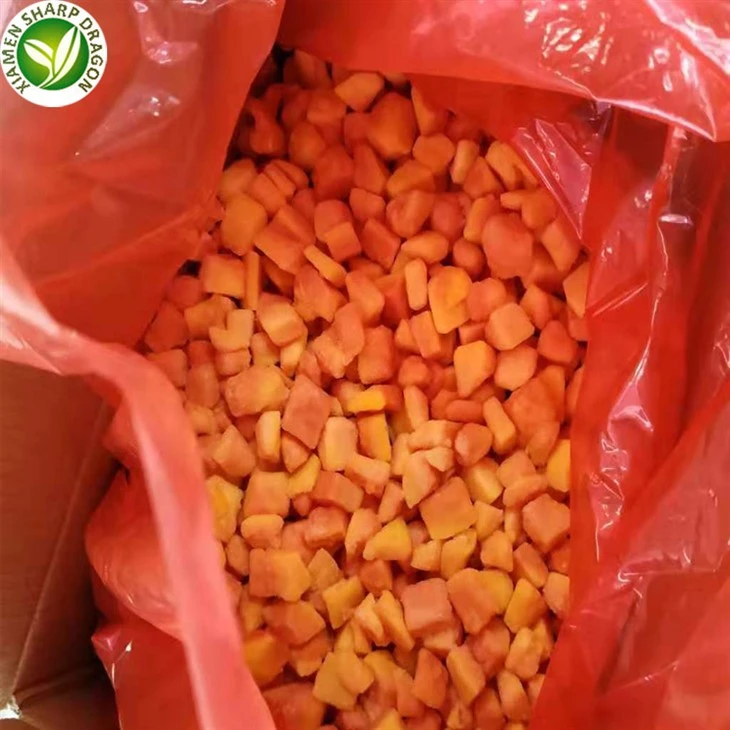
Raw papaya supplies about 1.7 grams of fiber per 100 grams on the USDA reference. A cup contributes roughly 2.5 grams. This can support the day's overall fiber pattern, especially when the fruit replaces a low-fiber sweet item.
Papaya should not be sold as a constipation cure. Bowel function depends on total fiber, fluid, activity, medication, health conditions and individual tolerance. A single serving may fit the pattern without producing an immediate result.
Texture matters. Ripe fruit is soft, but softness alone does not make it safe for every swallowing plan. Size, slipperiness, seed removal and required texture modification should follow the eater's care instructions.
If intake is increasing, begin with a tolerated amount and observe several comparable meals. Gas, bloating or loose stool may call for a smaller portion or a broader meal review.
Benefit Four: Color, Flavor and Menu Acceptance
Orange-red flesh brings color without an added coloring ingredient when the fruit is ripe and the product matches the description. Its mild sweetness can support breakfast bowls, chilled cups, smoothies and fruit-based desserts.
Acceptance is a real benefit because nutrients in discarded fruit do not reach the eater. Record plate waste, repeat selection and comments on aroma, sweetness, softness and appearance. A nutritious portion that is routinely rejected needs redesign.
Practical example: A service replaces a gelatin dessert with 120 grams of chilled papaya. Uptake remains high, but 30 percent of fruit is left because cubes are too large. The team reduces cut size while keeping portion weight constant, then measures waste again.
Do not assume deeper color proves higher nutrient content in every lot. Color can guide maturity and sensory selection, while a nutrient claim still needs the appropriate analytical or database basis.
Ripe Fruit and Green Papaya Have Different Jobs
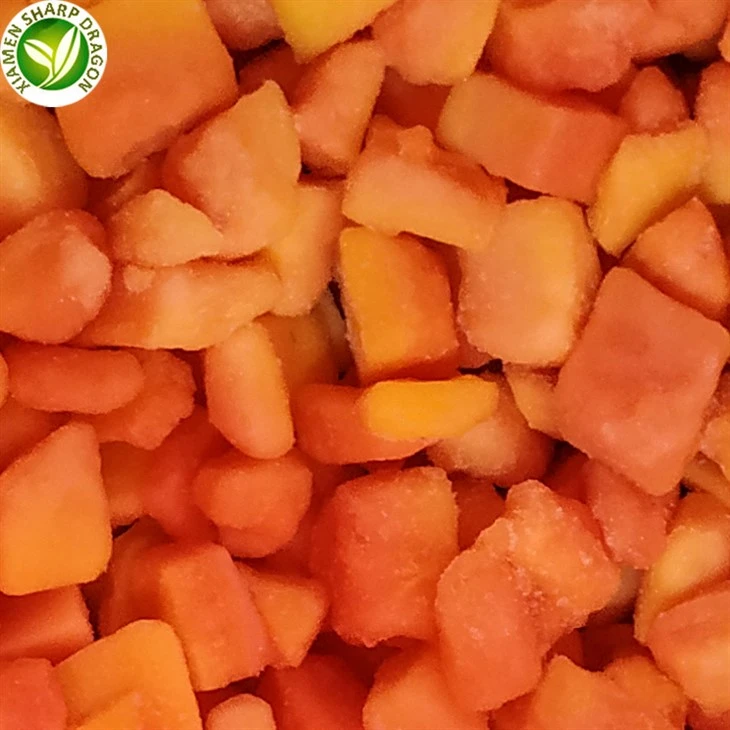
Ripe papaya is sweet, aromatic and soft enough for direct fruit use. Green papaya is firmer, less sweet and commonly cooked or shredded into savory dishes. They should not be substituted without changing the recipe and sensory target.
Latex and papain are associated more strongly with unripe tissues. Evidence about an enzyme preparation does not describe an ordinary ripe-fruit cup. If papain is intentionally added as a food enzyme, treat it as a separate specified ingredient with activity, dose, function and regulatory review.
Pregnancy, latex allergy and medication questions need individualized professional guidance. Avoid using a broad "papaya" answer when maturity, seeds, leaves, latex or supplements may be the actual exposure.
For ordinary food use, confirm maturity before choosing the application. A ripe-fruit benefit list is irrelevant if the delivered product is intentionally green for cooking.
Frozen Papaya Changes Texture More than Identity
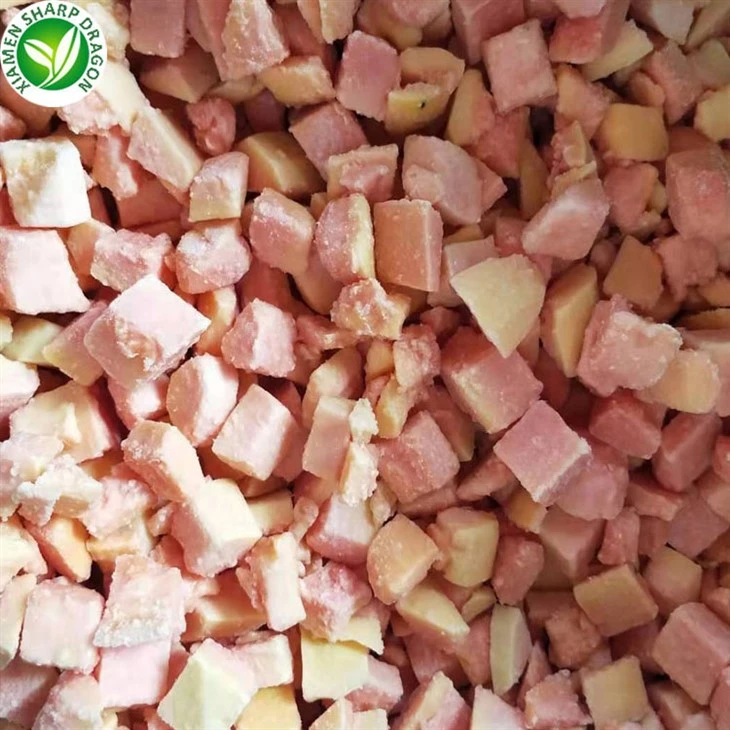
Plain frozen papaya remains papaya, but freezing and thawing damage cell structure. Research reports lower firmness and higher drip with repeated freeze-thaw exposure. That makes frozen fruit more suitable for some blended or soft applications than for a firm fresh-fruit presentation.
Define how the fruit will be served: frozen, tempered, thawed with its juice, or thawed and drained. The chosen basis controls usable weight, cup yield, texture and cost.
The XMSD papaya preparation guide can help compare direct-from-frozen, partial-thaw and full-thaw uses. Repeat freezing and thawing should not be part of an uncontrolled service routine.
Ready-to-eat status comes from product documentation and the food-safety plan, not the word frozen. Match handling to intended use, local requirements and validated instructions.
Compare the Finished Dish, Not the Fruit Name
Papaya in syrup, candy, nectar, sweetened yogurt or pastry may contain a modest amount of fruit inside a larger formula. Check fruit percentage, serving size, added sweeteners and companion ingredients before borrowing a whole-fruit benefit.
Worked formula example: A 300-gram yogurt cup contains 25 percent papaya preparation. Nominal papaya preparation is 300 × 0.25 = 75 grams. If the preparation itself is only 80 percent fruit, actual papaya is 75 × 0.80 = 60 grams before line loss.
The front image may show a whole papaya, but the formula controls the statement. A smaller honest fruit inclusion with clear ingredients is easier to defend than an implied full serving that the product does not contain.
If a claim is important, verify the final serving after processing and shelf life. Retain recipe version, source data, test method, lot basis and destination-market rule with the artwork record.
Match Each Benefit to an Eating Occasion
At breakfast, ripe cubes can add a visible fruit portion, bright color and vitamin C. The decision improves when you state which topping or side item changes. If sweetened cereal, syrup and juice all remain, the papaya is an addition rather than a replacement.
As a snack, papaya offers a soft, high-moisture fruit with a measurable container weight. Portion the edible flesh before eating, close the remaining pack and record whether the snack bridges the intended gap. A large open tray creates a different occasion.
In a smoothie, the useful qualities may be color, sweetness, viscosity and a named fruit percentage. Keep added sweetener and every other fruit visible in the formula. A 15-percent papaya beverage cannot be evaluated as if the bottle were entirely papaya.
In a chilled cup, cut integrity and free liquid may matter as much as flavor. Test the fruit at the end of the actual refrigerated hold. If cubes collapse or the pack fills with liquid, change maturity, size, thaw method or service window.
Green papaya belongs to savory cooking. Its benefit may be a firm vegetable-like shred that carries dressing or withstands heat. Do not compare that application with ripe dessert fruit using the same sweetness or texture standard.
Choose the occasion before selecting the form. The XMSD papaya nutrition and safety guide provides related nutrient and tolerance context; your meal record should still name the fruit amount, preparation and result.
Review Five Comparable Services
One attractive plate can hide inconsistency. Run the same papaya serving on five comparable occasions. Hold the gram weight, cut, companion food and service temperature steady, then record fruit consumption, free liquid, comments and waste.
Use the first service as a setup check. Confirm that the scale basis is edible or drained fruit, the staff uses the intended utensil and the portion reaches the correct temperature. Correct measurement errors before interpreting acceptance.
Practical service example: Five 120-gram cups are offered across five days. Average leftovers fall from 32 grams on day one to 11 grams after cube size is reduced, while fruit weight and recipe remain fixed. The useful result is improved consumption from a preparation change.
Separate lot effects from service effects. If one delivery is firmer and less aromatic, record its maturity measures rather than blaming the menu. If every lot releases excess liquid after a four-hour hold, shorten the window or redesign the product state.
At the end, write a conditional conclusion. Name the papaya form, portion, eater group, replacement, accepted cut and result. This sentence can guide the next purchase and prevents a general benefit claim from replacing the evidence you observed.
Build a Papaya Meal Scorecard
Use a small scorecard with fruit form, edible grams, maturity, cut, companion foods, displaced item, acceptance and waste. For frozen fruit, add thaw method, drained yield, free liquid and condition after the intended hold.
Choose one outcome that the meal can support. It may be adding a visible fruit portion, reducing a sweetened topping, improving fruit-cup acceptance or maintaining a consistent smoothie formula. Avoid using disease outcomes as the operating measure for an ordinary food trial.
Set the pass rule before service. A fruit cup might require at least 85 percent consumption and no more than 10 percent free liquid after two hours. A smoothie may require color, flavor, soluble solids and viscosity within a defined range.
Repeat with more than one lot. Papaya maturity can shift quickly, and one attractive batch may not represent season-long performance.
Representative Scenario 1 - Assisted-Living Breakfast
Representative scenario 1 - deciding whether a soft fruit improves menu adoption: A residence offers 100 grams of ripe papaya in place of canned fruit in syrup. The dietitian confirms the serving is suitable for each resident's care plan, and the kitchen records consumption, cube size, sweetness and plate waste.
The decision function is acceptance within a controlled texture. If residents eat more fruit and waste falls, the menu change works. If pieces remain too slippery or soft for a prescribed texture, the service adjusts under clinical direction rather than claiming that papaya is universally easier to swallow.
The result is operational: fruit consumed, syrup displaced, texture accepted and waste measured. No digestive-treatment or immunity promise is needed.
Representative Scenario 2 - Chilled Smoothie Formula
Representative scenario 2 - selecting fruit input for formula consistency: A developer compares two frozen papaya lots at 18 percent of a 250-gram smoothie. Each serving requires 45 grams fruit input, but the lots differ in sweetness, color and released liquid after tempering.
The decision function is finished-product control. The team holds all other ingredients constant, measures soluble solids, color, viscosity, fruit recovery and flavor, then chooses the lot that meets the formula with less added sweetener and narrower batch variation.
A comparable trial can pair XMSD frozen papaya formats with the intended cut, maturity, thaw state and formula. For handling controls, review the frozen-produce safety guide.

How XMSD Reviews Papaya for the Intended Benefit
In our maturity reviews, we judge color, aroma, firmness, sweetness, seed and peel removal, usable cut yield and structure at the intended serving temperature. This first experience passage decides whether the fruit can deliver a ripe-fruit sensory benefit without collapsing during preparation.
A lot can look orange enough in a photograph yet taste flat or break down in the required cut. We use representative units and record the distribution rather than approving from one ideal piece.
In our frozen pack-out reviews, we make a separate judgment about separation, cube-size spread, broken pieces, thawed-drained recovery, free liquid, texture after hold, bag yield and seal condition. This second experience passage decides whether the fruit remains portionable and attractive through the actual service window.
The two reviews should not be collapsed into a general quality score. Maturity determines flavor and starting structure. Frozen pack-out determines what survives handling and how many acceptable servings the bag produces.

Protect Safety and Tolerance Boundaries
Wash whole fresh papaya under clean running water before cutting, use clean tools and control prepared-fruit time and temperature. Remove seeds and peel according to the recipe and eater group.
Allergic reactions are possible, including cross-reactions relevant to latex-sensitive people. Stop eating and seek appropriate care for swelling, breathing difficulty, collapse or other severe symptoms. Persistent gastrointestinal symptoms also warrant professional review.
Do not assume frozen fruit is ready to eat without documentation. Verify product status, storage, thawing and any required treatment from the specification and food-safety plan.
Turn the Benefit into a Verifiable Brief
Name papaya form, maturity, cut, edible or drained grams, recipe percentage, companion ingredients, target application, pack, storage, service temperature and hold. Add the exact benefit being evaluated: fruit inclusion, vitamin C, reduced sweetener, color, texture, acceptance or yield.
If packaging or shelf life matters, align the fruit specification with XMSD frozen packaging controls. Keep the approved recipe and evidence version tied to the finished pack.
Share the intended papaya form, cut, maturity, portion, application, pack, volume, destination and evaluation criteria through the XMSD inquiry form. We can focus sample work on the benefit the product must actually deliver.
Reopen the brief when fruit percentage, maturity, thaw method, storage life or companion ingredients change. A new recipe can alter nutrient values, sweetness, texture and acceptance even when the front label still says papaya.
Keep the evidence file ordinary and complete: approved formula, serving calculation, representative lot observations, photographs, specification, source records and the reason each statement was accepted. This makes later review faster and keeps the food benefit connected to what buyers and diners actually receive.
Final Thoughts
Papaya's strongest benefits are practical and measurable: whole-fruit inclusion, vitamin C, some fiber, attractive color, mild sweetness and a soft ripe texture. Those qualities can improve a meal when the serving is suitable and eaten.
Keep ripe fruit separate from green papaya, latex, papain supplements and sweetened formulas. For frozen fruit, define thaw state and check the structure, liquid and yield that reach service.
A useful conclusion names the form, grams, displaced food, accepted texture and evidence. It does not need a cure claim to support a credible food decision.

References
- USDA FoodData Central. Papayas, raw. USDA record.
- NIH Office of Dietary Supplements. Vitamin C Fact Sheet for Health Professionals. NIH guidance.
- UC Davis Postharvest Research and Extension Center. Papaya Produce Facts. UC Davis reference.
- Phothiset S, Charoenrein S. Effects of freezing and thawing on texture, microstructure and cell wall composition changes in papaya tissues. FAO AGRIS record.
- U.S. Food and Drug Administration. Food Allergies. FDA guidance.
- U.S. Food and Drug Administration. How to Understand and Use the Nutrition Facts Label. FDA label guidance.