


Benefits of Eating Fig Fruit: From Sweetness to Savory Meals
Jan 10, 2020

Eating fig fruit adds fiber, naturally occurring sugars and small amounts of minerals to the diet. Just as importantly in a real meal, figs bring sweetness, a tender bite and tiny seeds that contrast with other ingredients. Those qualities can make a grain bowl, roast vegetable dish or simple lunch more enjoyable. The benefit is a useful fruit within a varied meal, not a promise that figs whiten skin, prevent aging or treat disease.
Figs need not be reserved for jam and dessert. A few pieces can provide the sweet note in a savory dish, letting you decide whether a sweet dressing is necessary at all. Keep the rest of the meal in view: vegetables, grains, protein foods and the amount of dressing still matter. Adding figs to an otherwise unchanged rich dish does not automatically make it lighter or nutritionally balanced.
The best form follows the job. Fresh pieces suit a meal where you want a distinct, soft fruit bite. Plain frozen figs can work well when prepared as directed for a cooked accompaniment or another suitable application. Dried figs offer a more concentrated, chewy element. Choose a form you can portion and prepare confidently, then let its flavor do something specific in the dish.

Fiber and fruit variety at the meal
Fiber is the clearest nutritional reason to include fig fruit alongside other plant foods. The USDA's archived raw-fig reference lists 2.9 g fiber per 100 g edible fruit. A normal serving therefore contributes some fiber; it does not supply an entire day's needs. Beans, vegetables, whole grains and other fruits provide additional sources, so there is no need to build every meal around figs.
Fig fruit also contains naturally occurring carbohydrate. Sweetness is part of its appeal and part of its nutritional composition. It should be included when calculating the carbohydrate in a meal, particularly for someone with a prescribed plan. Calling a recipe fruit-sweetened describes the ingredient choice; it does not remove the sugar already present in the fruit.
North Carolina Cooperative Extension identifies figs as a source of fiber and several nutrients and suggests using them with meals, including salads and whole grains. That gives a useful starting point for a lunch that otherwise contains no fruit. A few fig pieces can sit alongside a familiar combination of grains and vegetables, making it easy to add variety without preparing a separate dessert.
Choose variety across the meal, too. A bowl of figs with a scattering of leaves is still mainly a fruit dish. If you want a savory main meal, keep the vegetable and protein components substantial and use figs as a contrasting ingredient. Their sweetness is often more noticeable in a small amount against those other flavors than when everything in the bowl is sweet.

What the whole fruit contributes to a savory dish
A fig's sweetness is not spread through a dish in the same way as a thin sweet sauce. With cut pieces, each forkful can have a small area of sweetness next to vegetables or grains. That contrast may be exactly what you want. If the fruit is mashed throughout the mixture, the sweetness becomes more uniform and the dish may feel softer overall.
Cutting or mashing lets you keep the fruit pulp in the meal. Straining makes a smoother liquid but leaves part of the fruit behind. Choose the texture deliberately: a chunky spooned sauce can carry the soft pulp and seeds, while a fine dressing may need another ingredient to give it the consistency you want. A strained liquid should be assessed as its own preparation, not assumed to have the same composition as the whole fruit.
I would decide the desired bite before deciding the fig cut. For a bowl with separate grains and vegetables, a few recognizable pieces help the fruit stand out. For a spooned accompaniment beside a main dish, uneven softened pieces may be desirable. If the recipe immediately mashes the fruit, uniform wedges offer little advantage.
Figs have their own texture even when mixed thoroughly. The seeds remain noticeable, and the skin may be more apparent in a smooth preparation than in a chunky one. Taste a small sample with the intended dish. Trying to hide an unsuitable texture under more sauce generally makes the recipe harder to control, while choosing a deliberately rustic texture makes the ingredient's character part of the appeal.
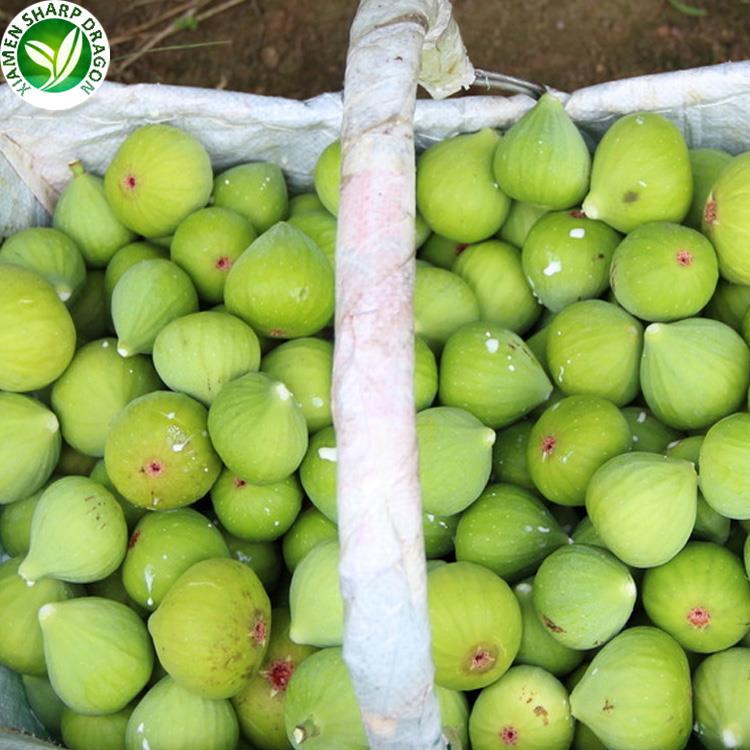
Use sweetness to balance, not disguise, the meal
In a savory meal, sweetness can balance a bitter leaf, a sharp dressing or a roasted vegetable. Start with a modest amount of fruit and taste the components together. If figs and a sweet dressing both dominate, try reducing the dressing before increasing salt to compensate. A simple change can preserve the contrast without making every bite taste like a fruit salad.
This is a flavor trial, not a guaranteed sugar or sodium reduction. Any nutritional comparison has to include all ingredients in the amounts actually used. A recipe with figs, honey and a generous sweet glaze may contain more sweetness than the dish it replaced. Keep a note of the changes if you want to compare versions rather than relying on the word 'fruit' in the recipe name.
A sharp note can be enough to keep the fruit from dominating. Try a small amount of a dressing that already suits the vegetables, then taste the combined bite before adding more. Pouring a strong dressing over the figs alone gives a misleading result: the grains or vegetables may dilute it considerably once everything is assembled.
For a home meal, a small mixed spoonful is an efficient test. Combine the fruit, vegetable and dressing on one spoon before dressing the entire bowl. If the fruit disappears, change piece size or placement. If it overwhelms the dish, reduce the amount. Both changes are easier to judge than adding three new ingredients at once.
Commercial kitchens can use the same principle with a written recipe. Record the fruit weight and the dressing weight separately, then taste at the intended serving condition. Cold fruit can feel different from warm fruit in the same recipe. The version approved straight from a mixing bowl should still be pleasant when the diner receives it.

Worked example: Adding figs to four grain bowls
In this representative household scenario, four adults are having a grain-and-vegetable meal. The cook plans 60 g edible fresh figs for each bowl, alongside the existing grain, vegetables and protein component. The aim is to add a distinct sweet fruit bite without turning the meal into a dessert. These weights are illustrative recipe inputs, not a recommended portion for every adult.
The fruit requirement is 4 × 60 g = 240 g edible figs. The cook weighs that amount after removing stems and divides it between four bowls. Using the USDA raw-fig reference only as an estimate, each 60 g portion contributes about 44 kcal and 1.7 g fiber. The whole dish has additional nutrients and energy from its other ingredients; those are not included in the fruit-only calculation.
To decide where the figs belong, the cook makes two small test bites. One has fruit mixed through the grains; the other has fruit placed with the vegetables on top. Mixing gives a more even sweet note, while topping preserves larger identifiable pieces. The cook chooses the topping arrangement because the family prefers the contrast. The fruit stays visible, and each diner can take it with a forkful of the savory ingredients rather than searching for it at the bottom.
The dressing is added cautiously because the fruit already supplies sweetness. If the chosen dressing contains added sugar, its amount remains part of the finished recipe. Nobody needs to label the bowl sugar-free. The useful change is a visible, measured fruit component that makes familiar ingredients more appealing.
Someone with a different appetite may need a different bowl size, and a person following a carbohydrate plan should use that plan. If one diner dislikes figs, the same meal can be served without them. A flexible recipe is more useful than treating the fruit as an indispensable source of a health effect.
Fresh, frozen and dried require different recipe trials
Fresh figs are a good candidate when gentle handling can preserve the desired shape. Choose sound fruit, wash it before preparation and keep perishable prepared ingredients properly chilled. Very soft fruit may be pleasant for a spoonable accompaniment but difficult to toss with grains. A firmer-looking specimen is not necessarily the tastiest, so the recipe trial should include both flavor and the way it breaks under a fork.
With frozen fruit, start from the product's intended use and preparation directions. Some products require cooking; others may have a suitable thaw-and-serve use specified. Do not infer the latter from a photograph or from the fact that the ingredient is fruit. The frozen fig product range can help identify possible forms, but the selected product information must answer that use question.
For a hot vegetable dish, we would look closely at juice release. If fig pieces add more liquid than the recipe expects, the vegetables may sit in a wet mixture instead of retaining the intended finish. Reducing other recipe liquid or preparing the fruit component separately may solve the problem. The appropriate choice comes from a small trial with the actual fruit and serving method.
Dried figs add chew and concentrated sweetness. They are not a weight-for-weight substitute for fresh or frozen fruit. The NHS uses different portion conventions for dried and fresh fruit, and recommends eating dried fruit with meals rather than repeatedly between meals. A savory dish can provide that mealtime setting, but the total quantity still matters.
Rehydrating dried figs changes moisture and texture; it does not turn them into the same ingredient as freshly harvested fruit. If the recipe relies on a particular cut staying intact, test after any soaking and heating steps. Keep the treatment consistent once you like the result, otherwise the same measured amount may produce a different eating experience on the next occasion.

Practical example: A fig accompaniment for a catering menu
This representative catering scenario is a menu-development exercise, not a report of an XMSD shipment. A chef is considering a savory fig accompaniment for 60 meals. Each serving is planned to contain 40 g of the finished fig component, giving a requirement of 60 × 40 g = 2.4 kg. The accompaniment will sit beside roasted vegetables rather than be stirred into them.
The chef tests a small batch using figs prepared according to the selected product's instructions. One version keeps recognizable pieces; the other is lightly mashed. The visible-piece version looks appealing immediately, but the chef also assesses it at the planned point of service. If pieces collapse or release liquid, a spoonable version may be the more dependable menu description.
I would keep the recipe's fruit identity clear. A rustic fig accompaniment can make good use of soft pulp. Promising firm wedges when the approved preparation is spoonable sets the wrong expectation.
For the trial, record the weight of prepared fruit and all other ingredients, then weigh the finished component. Cooking or draining changes yield, so 2.4 kg finished accompaniment is not automatically 2.4 kg purchased figs. The chef uses the observed yield to scale the recipe and keeps that basis with the preparation instructions. The chef also checks whether the first and last portions contain a similar balance of fruit and liquid; a batch that separates while being served needs a different mixing or portioning method.
The chosen result is a component that can be portioned consistently without soaking the neighboring vegetables. That offers a practical benefit: the fruit adds sweetness and texture while the rest of the meal keeps its identity. For larger prepared-food production, the same relationship between input form, process and finished serving deserves a controlled trial before purchasing at volume.

Keep the fig component safe and easy to use
Treat a cooked fig accompaniment as a prepared meal component, not as a jar of preserves. Use appropriate chilled or hot handling for the finished recipe and keep the preparation instructions available. Sweetness and a splash of vinegar are flavor decisions. For storage beyond the meal-preparation plan, use guidance intended for that food and method rather than inventing a shelf life from the taste.
The FDA recommends washing produce under running water and discarding rotten produce. Clean preparation surfaces and separation from raw meat also matter when fruit will be eaten without a final cooking step. For frozen figs, keep the pack instructions with the recipe so that another cook does not assume a different preparation method.
Pack size can make the routine easier or harder. A kitchen using modest quantities of figs as an accompaniment should consider how the remainder is handled after opening. Our pack-size and use-rate guidance helps frame that decision around preparation batches and the quantity actually needed, rather than purchase weight alone.
For a fig accompaniment, the packaging discussion should include what staff need to identify after the outer carton is removed. Keep product identity, lot information and preparation directions available with the inner pack or kitchen record. The frozen-food packaging choice should protect the fruit while still allowing a cook to tell which product belongs in the recipe. Clear identification becomes especially useful when two similar-looking fig formats have different intended uses.
Keep a simple record of the approved preparation: product form, fruit weight, other ingredients, treatment, finished yield and serving method. That small amount of detail is enough to make a useful trial repeatable. A change from fresh to frozen or dried fruit should prompt another look at the recipe, not just a change in the supplier name.

Who may need a different approach
A nutritious fruit can still be unsuitable for an individual. If figs repeatedly cause symptoms, stop treating a larger portion as a route to greater benefit. Make a note of what was eaten and discuss persistent problems with a clinician or dietitian. NIDDK advice to increase fiber gradually is more useful than suddenly adding large amounts of one fruit.
For someone with diabetes, figs remain a carbohydrate food even when no sweetener is added. The CDC recommends working with an individualized carbohydrate plan. Check the whole meal, including grains, fruit and any sweetened sauce, rather than isolating one attractive ingredient. Medication changes are not part of a recipe decision.
An established or suspected fig allergy takes priority over recipe variety. Avoid the food while seeking appropriate assessment. Swelling affecting breathing or the throat requires urgent medical attention. There is no nutritional advantage that justifies knowingly provoking a reaction; a different fruit or a non-fruit version of the meal may work perfectly well.
Texture needs can be equally practical. Hard frozen pieces, chewy dried fruit and a seeded puree are different eating challenges. For young children or people with swallowing problems, choose preparation suited to their needs and professional advice where applicable. A food described as soft is not automatically suitable for every person.
When you judge the finished meal, ask three ordinary questions: did the figs make it more pleasant to eat, could you serve the intended amount without fuss, and did the other ingredients still taste distinct? A successful version answers all three. If a large amount of fruit is needed to hide an unappealing base, improve the base first. If the figs are left uneaten because they are too large or chewy, change the cut or choose another form next time.
The lasting benefit of figs is that they offer another enjoyable way to eat fruit. Use their sweetness and texture deliberately, retain a sensible portion and keep the rest of the plate varied.
For a frozen fig ingredient project, share the intended dish, preparation method and serving format. We can review the product and packing information relevant to that application.
References
- USDA archived raw-fig composition, SR28 edible-portion report
- N.C. Cooperative Extension: The Sweet Benefits of Fresh Figs
- NIDDK: Eating, Diet, and Nutrition for Constipation
- NHS: 5 A Day, What Counts?
- FDA: Selecting and Serving Produce Safely
- FDA: Food Allergies, What You Need to Know
- CDC: Carb Counting
- USDA MyPlate: Planning for Healthy Eating and Savings