


Papaya at Night: Late-Shift Meals and Ripe Fruit Choices
Jan 10, 2020

Ripe papaya can be eaten at night if you enjoy it and tolerate it. The useful question after a late shift is whether you want a little fruit or need an actual meal. A bowl of papaya is not automatically a suitable replacement for the food you missed at work, and there is no established reason to choose it specifically for a nighttime digestive or sleep benefit.
If you arrive home hungry after several hours without much food, a small, familiar meal containing protein and carbohydrate may be more practical than fruit alone. Papaya can sit alongside that meal. If you have already eaten adequately and are comfortable, you do not need another meal merely because papaya is available.
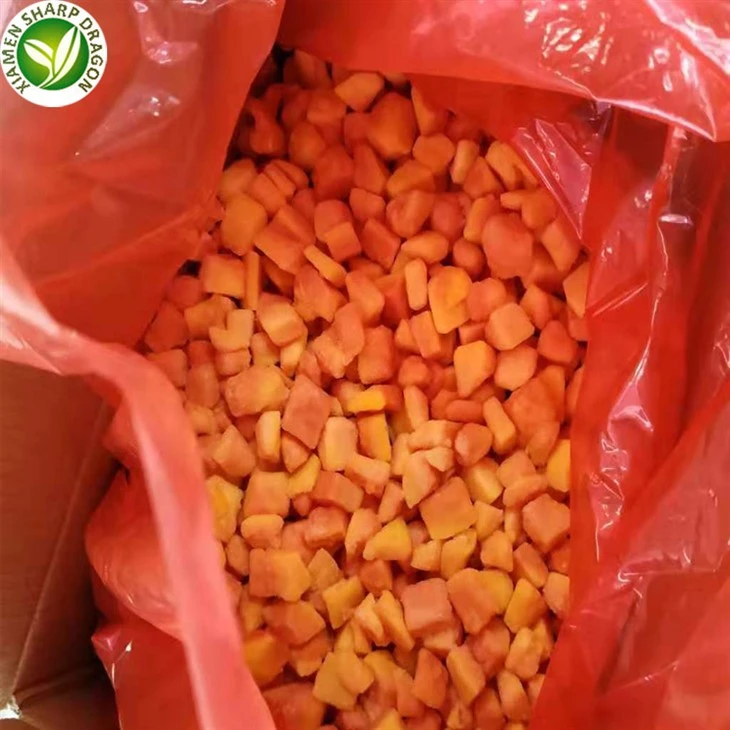
Ripeness changes the kitchen decision too. Soft, sweet, ripe papaya belongs in a different recipe from firm green papaya used as a vegetable. Frozen orange papaya pieces should not be assumed to replace shredded green papaya or the firm pieces required in a cooked dish. Choose the ingredient for the food you intend to make, then organize preparation around the time you can realistically eat and sleep.

Is the problem hunger, convenience or a missing meal?
Start with what happened during your working day. Perhaps dinner was early, a break was missed, and the only food in the kitchen is fruit. That situation is different from having finished a satisfying meal and wanting something fresh. Both can lead to the same question about papaya, but they call for different actions. Try describing the gap in ordinary terms: I have not had a proper meal since my break, or I have eaten and just fancy fruit. You do not need a hunger score or a calorie calculation to recognize that distinction. Nor should a general fruit rule take priority over a personal eating plan for a medical condition.
Papaya can be an easy part of the answer because ripe flesh is straightforward to serve. Before treating a large amount of fruit as your only supper, look for a familiar protein food and a carbohydrate food that you can prepare without a long cooking session.
For someone who regularly works late, this is often a shopping and access problem. A refrigerator full of unprepared ingredients is not much help when you are exhausted. Set aside the components that will actually be ready when you return. Keep optional fruit separate and serve only what you want.
Put the fruit beside a small meal, not in charge of it
NIOSH guidance for night-shift nurses distinguishes going to bed hungry from eating a large meal before sleep. When a worker has eaten little for several hours and expects hunger to interfere with settling down, it suggests a small meal with protein and carbohydrate. A familiar combination might be cereal with milk, toast with an egg, or a modest serving of rice with tofu. Ripe papaya can provide a separate fruit component if wanted. These are menu ideas, not fixed prescriptions: food allergies, dietary choices and the foods already eaten during the day all change the appropriate combination.
Keep the preparation manageable. If a meal requires chopping several vegetables, heating multiple pans and washing a blender, it may be too ambitious for the end of that particular shift. A simple meal that you can reliably assemble is more useful than an elaborate plan that gets abandoned at the kitchen door.
We would prepare papaya as a separate component rather than mix the entire meal in advance. That leaves room to change the fruit amount, keep a savory dish savory and follow each ingredient's handling instructions. It also makes an unsuitable fruit batch easier to remove without discarding the rest of the meal.
Do not judge the combination by whether every food has a health reputation. Choose the components you intended, in a combination you enjoy, with preparation you can safely manage in the time available.

Worked example: coming home after an interrupted night shift
Consider a representative planning example, not a report of a customer outcome. A worker ate a meal at 00:30, missed a later break and arrives home at 07:00. The interval is six and a half hours. There is ripe papaya in the refrigerator, but the worker is hungry for more than fruit and wants to go to sleep without a lengthy kitchen routine.
One option is to eat only papaya because it is visible and convenient, despite wanting something more substantial. Another is to assemble a small familiar breakfast using ingredients set aside before work, with papaya available on the side. The worker chooses the second option: cereal and milk, plus fruit if still wanted.
The action that makes this realistic happens before the shift. Put the cereal where it can be reached, check that the milk is available and suitable, and prepare only the fruit intended for near-term use. Nothing needs to be selected from a complicated recipe when the worker returns. The plan should also fit household food-allergy arrangements. The worker now has a familiar breakfast available without starting a cooking project. That is the result of the planning exercise; no change in sleep or symptoms is assumed. If the break had gone as planned and the worker returned comfortable rather than hungry, the prepared food could remain available for its appropriate later use.
Protect sleep without turning eating into another night-time job
Preparing food after work can quietly expand into clearing the refrigerator, cooking for tomorrow and washing every container. Keep those tasks out of the immediate meal decision when they are not necessary. For a regular late shift, divide preparation from serving: organize food earlier, then do only what is needed to eat safely when you get home.
NIOSH also advises night workers to avoid large meals close to their main sleep period. A worker finishing at dawn has a different schedule from someone finishing dinner in the evening. The next sleep period and the actual meal matter more than the fruit's name.
If lying down brings on reflux, the advice becomes more individual. NIDDK notes that leaving at least three hours between eating and lying down may help people with symptoms at night or while lying down. Someone whose work schedule, hunger and reflux repeatedly conflict should discuss a workable routine with a clinician rather than keep improvising around a fruit rule.
Record the practical difficulty, not a theory about papaya. Was food unavailable during the shift? Was the eventual meal much larger than intended? Did symptoms occur after several different foods? Those details are more useful when seeking advice than deciding that all fruit is either forbidden or protective. Recurrent symptoms deserve attention even if changing the menu seems temporarily convenient.
Ripe papaya and green papaya solve different cooking problems
UF/IFAS describes ripe papaya as soft and juicy and notes that firm green fruit can be cooked as a vegetable. This is a substantial ingredient difference. A recipe that calls for a firm vegetable texture is asking the papaya to hold a role that ripe, sweet flesh may not perform.
For a simple fruit side, ripe flesh is the natural starting point. You can remove the skin and seeds and choose pieces that are easy to eat. For a green-papaya dish, follow a recipe specifically written for that ingredient and its preparation. Do not infer readiness from the word papaya on a shopping list.
In an evening meal, the distinction is especially helpful because it prevents avoidable work. Discovering at the last moment that soft orange cubes cannot be shredded into firm green strips is not a storage failure or a reason to force the recipe. It is an ingredient mismatch. Keep the ripe fruit for a suitable use and reconsider the savory dish before starting it.
You do not need to start using green papaya in order to eat well after work. If you have been advised to avoid a particular food, are pregnant and unsure about an unfamiliar ingredient, or have a relevant allergy, obtain individual guidance instead of experimenting on the basis of a general cooking description.
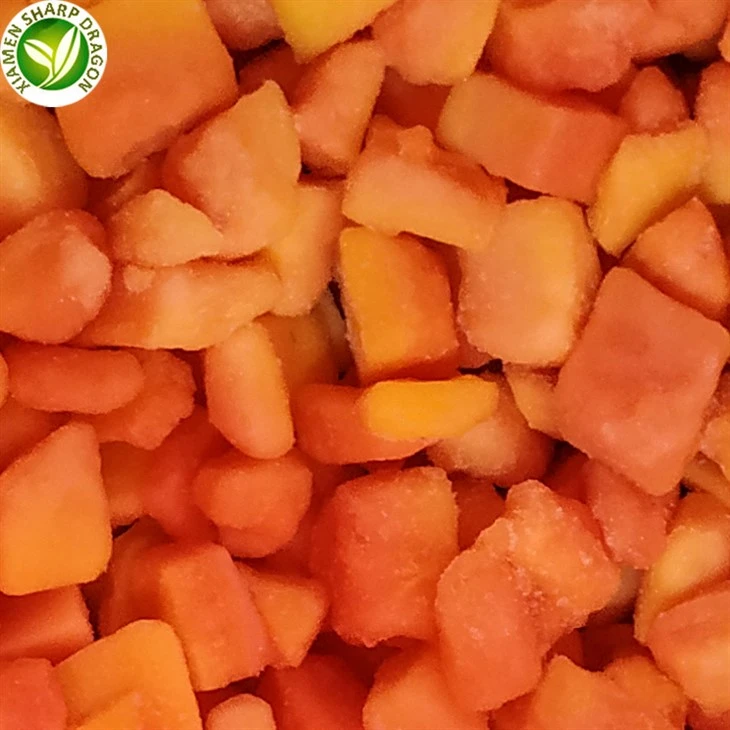
We distinguish the ingredient's ripeness before discussing cut size. A neat cube can still be the wrong cube for the dish. With frozen papaya pieces, ask whether the supplied fruit and its intended preparation match the finished food. An orange product photograph is useful for identification; it is not a substitute for the applicable product information.
Practical example: a green-papaya supper with the wrong ingredient
Consider a representative supper-planning situation. A home cook plans a warm dish from a recipe that specifically calls for firm green papaya. The freezer contains a bag of ripe orange papaya pieces. The cook has not started preparing the dish and notices that the available fruit looks unlike the firm ingredient described in the recipe.
Using the bag simply because it says papaya would save a shopping decision but change the recipe's basic ingredient. The cook instead checks what the green papaya is meant to contribute: firm pieces cooked as part of the savory dish. Sweet, soft fruit served separately would be a different role, not an equivalent substitution.
The cook postpones that particular recipe and makes a familiar meal from ingredients already suitable for it. The ripe papaya remains an optional fruit side, prepared only according to its product instructions. The next shopping list specifies green cooking papaya rather than papaya without qualification.
Dinner can proceed, and the cook has avoided spending the available preparation time on an unsuitable substitution. In a staff kitchen, the same decision belongs before the menu is promised: identify the required ingredient, read its preparation directions and do not convert an unsuitable delivery into a new dish without reviewing the recipe.
Make preparation possible before the tired part of the day
For whole ripe papaya, arrange the basic equipment before cutting: a clean board, knife, spoon and a container suitable for refrigeration.
Wash the fruit under running water before the knife passes through the skin. Remove the seeds and skin for the intended serving, and put cut fruit into refrigerated storage promptly rather than leaving the preparation out while you get ready for work.
A shared refrigerator needs a little more organization. Identify the prepared fruit so that it is not confused with ingredients reserved for another meal. Use a clean utensil when taking some out, and keep raw animal foods from contaminating it. A label saying papaya should be accompanied by whatever date and handling information your household or kitchen needs to use it responsibly.
For frozen fruit, read the label before deciding that preparation consists only of thawing. Follow any cooking requirement and the supplier's storage instructions. Freezing is not a guarantee that food is ready to eat without a further step. Do not leave a bag on the counter for an entire shift so that it will be convenient on your return.
We prefer a preparation plan that names who does the work and when. A meal described as ready after midnight is not actually ready if the fruit still requires a step nobody has allowed time for. In foodservice and catering, that becomes a handover issue as much as a menu choice: the next person should know what is prepared and what still needs doing.
Choose packaging for the work pattern, not an imagined perfect week
A large pack may look economical but create work when only a small amount is used between shifts. The relevant question is how the pack will be opened, the required fruit removed and the remainder kept under its specified conditions. Do not base that plan on repeatedly warming the whole contents until some pieces can be separated.
Think through the awkward day as well as the organized one. A shift may run late; another household member may use the planned meal; a staff kitchen may have fewer diners than expected. The packaging and storage arrangement should allow the fruit to remain an optional component instead of making someone feel obliged to use it all.
The practical discussion in our frozen-fruit pack-size guide helps connect a pack to the way it will actually be used. For a late-shift meal, the benefit is less last-minute handling. It is not a reason to prescribe the same fruit amount to everyone working that shift.
Keep package condition and temperature control separate from nutrition. A convenient closure cannot make mishandled food safe, and a large printed health claim cannot tell you whether the package has remained intact. Select a usable format, then follow the handling instructions that apply to the actual product.

Food safety still matters when papaya looks and smells normal
FDA guidance uses a refrigerator temperature of 40°F or below, approximately 4°C. It also advises refrigerating perishable food within two hours, or within one hour when the surrounding temperature is above 90°F, about 32°C. These are outer handling limits, not a plan to leave prepared fruit out until the final minute.
Discard rotten produce rather than trying to hide it in a mixed meal. Appearance alone cannot establish whether normal-looking cut fruit has been held safely. If you cannot account for the handling of food left out during a long shift, do not treat a fresh smell as proof that it can be eaten.
Prepared papaya also shares utensils and surfaces with other foods. Washing fruit does not cancel contamination introduced later by a dirty board or raw-food juices. In a communal kitchen, keep the serving utensil with the correct container and make the storage location obvious. These small arrangements prevent the meal from depending on one tired person remembering every earlier step.
Information about frozen-food packaging and handling can support a purchasing discussion, but the actual package directions and the kitchen's own safe procedure remain decisive. Before a shared meal is served, the person taking over should be able to identify the fruit, its storage location and any preparation step still required.

When a general papaya suggestion is not enough
A known papaya allergy is a reason to avoid papaya, not to try a different eating time. If you develop severe symptoms such as difficulty breathing after food, seek urgent medical help. Fruit chosen for convenience does not receive an exemption from allergy precautions, including precautions for other ingredients served beside it.
If you manage diabetes, include the meal's carbohydrate foods in your personal plan rather than assuming fruit is separate from that calculation.
The cereal, milk, bread or rice accompanying papaya also matters. Medication and working hours can make a generic before-bed suggestion unsuitable, so use the plan agreed with your healthcare team.
Pregnancy, a weakened immune system and other individual circumstances may also change food-safety or dietary advice. Use familiar, appropriately handled foods and ask about a new ingredient when uncertain. Do not replace an established meal plan with papaya because an online claim promises easier digestion, better sleep or a cosmetic benefit.
A useful late meal is one you can actually prepare and tolerate
Keep the final choice simple. If you want fruit and have already eaten enough, ripe papaya can be just fruit. If you return hungry after missing food, make a small meal from suitable familiar components and let papaya be optional. If the recipe needs green cooking papaya, do not mistake soft ripe fruit for the same ingredient.
For repeated late shifts, solve one practical weakness at a time. Make meal ingredients accessible before work. Separate fruit preparation from the last-minute meal. Clarify whether a frozen product needs cooking. Keep refrigerated food properly stored. A routine built around these tasks is more useful than assigning a special benefit or danger to the clock.
We would judge a papaya choice by whether it suits the intended meal and the people preparing it. Sweetness and appearance matter, but so do ripeness, preparation requirements and the ability to keep the rest of the pack correctly. Choose fruit that works in the meal you actually intend to eat.

For a foodservice papaya requirement, send XMSD the intended dish and product form. We can review the relevant product information with you; a ripe-fruit application and a green-papaya recipe should be identified separately.
References
- NIOSH - Sleep after night and evening shifts
- NIOSH - Diet suggestions for night-shift nurses
- UF/IFAS - Healthy Harvest: Florida Fruit and Nut Crops
- NIDDK - Eating, diet and nutrition for GERD
- FDA - Selecting and serving produce safely
- FDA - Are you storing food safely?
- CDC - Counting carbohydrates to manage blood sugar
- FDA - Food allergies: what you need to know