


Apple Skin Benefits: Fiber, Preparation and When to Peel
Jul 09, 2020

Eating an apple with its skin retains more of the fruit and can provide more dietary fiber than the same weight of peeled apple. That is a useful benefit when you enjoy the texture and can eat the fruit comfortably. It does not make peeling a mistake. A smooth sauce, a delicate filling or a personal dietary requirement may call for peeled fruit, which still contributes food value.
The practical choice has three parts: what the skin adds, how the apple is prepared, and what the finished serving needs to be like. Wash fresh apples before cutting, including those you intend to peel. Treat repeated itching or swelling after apple as a separate medical concern rather than a reason to keep experimenting with the peel. For a purchased apple ingredient, check the specification instead of assuming the skin status from its name.
What changes when the skin stays on?

The skin adds an outer layer with its own texture and plant compounds. Harvard's Nutrition Source notes that removing apple skin reduces fiber and removes a substantial share of its flavonoids. That explains why retaining the skin can be worthwhile. It does not mean that every nutrient is concentrated in the peel or that the flesh has little value.
Fiber is the clearest everyday comparison because food composition tables provide a defined amount. The Japanese Ministry of Education, Culture, Sports, Science and Technology lists raw apple with skin separately from raw apple without skin in its 2023 food composition tables. Each entry refers to 100 g of edible food, so the comparison excludes discarded material such as the core.
| Per 100 g edible raw apple | With skin | Without skin |
|---|---|---|
| Energy | 56 kcal | 53 kcal |
| Dietary fiber | 1.9 g | 1.4 g |
| Carbohydrate | 16.2 g | 15.5 g |
| Water | 83.1 g | 84.1 g |
These are reference foods, not measurements of your particular apple before and after peeling. Variety, growing conditions and the sampled fruit can contribute to differences. Use the table to understand the scale of the comparison. It shows that peeled flesh still contains fiber, carbohydrate and water; it also shows a higher listed fiber content for the fruit with skin.
The small energy difference between the entries is not a reason to peel for calorie control. The actual portion and any added ingredients will usually be more useful decisions in a kitchen. Likewise, keeping the skin does not turn an apple pastry into the nutritional equivalent of a plain apple. The recipe remains the food that is eaten.
Compare an edible portion, not two different fruit sizes

"One apple" is convenient language, but it can hide a large difference in size. If you want to compare the effect of skin status, compare the same edible weight and the same general food form. A small peeled apple against a large apple with skin changes two variables at once. A raw portion against a cooked portion introduces another preparation difference.
Worked example: Fiber in a 150 g portion
For an illustrative 150 g edible raw portion, multiply the MEXT fiber value by 1.5. The with-skin entry gives 1.9 g × 1.5 = 2.85 g of fiber. The without-skin entry gives 1.4 g × 1.5 = 2.10 g. The difference is 0.75 g on this equal-weight reference basis. It is a modest, useful contribution rather than a complete daily fiber plan.
This calculation does not predict the exact amount removed by peeling one apple. To answer that separate question, you would need measurements of the particular fruit, including the material removed. At home, the comparison is generally enough to support a simple choice: keep an enjoyable skin, but do not avoid the fruit altogether because you prefer it peeled.
For a recipe, weigh the prepared fruit at the point it enters the bowl. If the recipe needs 150 g after peeling and coring, a 150 g whole apple will not supply the full amount. Record the weighing stage once in the recipe instructions. This prevents different cooks from quietly changing the fruit quantity while believing they have followed the same formula.
The same distinction matters in purchasing. A price for whole apples and a price for prepared pieces cover different amounts of usable ingredient. Before comparing them, define the required state: washed, cored, peeled or with skin, and cut as needed. Preparation labor and removed material belong in the comparison, alongside the price and the result in the dish.
Wash before peeling as well as before eating the skin

FDA guidance recommends washing fresh produce thoroughly under running water before preparing or eating it, even when the skin will be removed. Cutting can transfer material from the outside onto the flesh. Use clean hands and utensils, and dry the washed fruit with a clean towel. Soap, detergent and commercial produce washes are not recommended for this purpose.
Choose sound fruit, cut away damaged areas and discard fruit that looks rotten. Keep produce intended to be eaten raw away from raw meat and the utensils used for it. A peeled surface is not evidence that these handling steps were followed. For packaged produce marked ready to eat or prewashed, follow the label; unnecessary handling on an unclean surface can introduce contamination.
At a workbench, separate the incoming fruit from the prepared pieces so that the two stages remain clear. Set out the clean receiving container before cutting begins. This is also an easy way to keep cores and peelings out of a prepared batch. For a busy kitchen, a simple arrangement that everyone follows is more useful than an elaborate instruction that is skipped during service.
Purchased frozen apple requires its own handling instructions. "Frozen" and "peeled" describe aspects of the product; neither word alone says that it is ready to eat. Check whether cooking is required and prepare it accordingly. Keep the distinction visible in the recipe record so that a new person does not apply fresh snack instructions to a processing ingredient.
Put pesticide concerns in proportion
Keeping the skin and reducing surface residues are related but different decisions. The U.S. Environmental Protection Agency advises washing produce under running water and explains that washing cannot remove every pesticide residue. It also notes that peeling can reduce residues. There is no sound basis for treating a quick rinse as proof of zero residue or for assuming every unpeeled apple is unsuitable to eat.
The practical household response is to wash the fruit, buy a variety of foods and choose the preparation that suits you. Avoid making the peel decision so complicated that it discourages eating fruit. If a particular product is recalled, follow the recall instructions rather than trying to make it acceptable through peeling or extra washing.
For a commercial purchase, a residue requirement belongs in the agreed specification and supporting evidence. Identify the destination and the applicable requirements, then request relevant documentation for the product and lot. A photograph of clean white flesh answers an appearance question. It cannot establish the analytical result for a substance that is not visible.
We would keep those conversations separate during sample review. The kitchen assesses color, texture and performance; the quality team reviews the applicable safety information. When one person handles both jobs, use separate fields in the record. An attractive sample should not distract from an incomplete document, and a complete document does not tell you whether the skin feels pleasant in a spoonable dessert.
Keep the skin when its texture belongs in the dish

For an ordinary fresh snack, the skin may be part of the appeal: a distinct first bite followed by the flesh. In a rustic cooked preparation, visible color and small peel edges may also be welcome. Taste is the deciding factor here. The nutritional reason for retaining skin is strongest when the person actually enjoys and eats the resulting portion.
A smooth sauce creates a different expectation. Thin peel fragments can remain noticeable even when the flesh has softened. Whether that matters depends on the desired texture and the equipment used. Before committing to a large batch, prepare a small amount through the complete cooking and blending method and taste it after it reaches the normal serving temperature.
For a visible slice, examine the edge as well as the center. A skin that seems unobtrusive on a broad piece may feel different when the flesh softens. For small dice, the distribution of pieces with peel may become the issue: one spoonful may contain several edges while another contains none. Assess multiple portions rather than selecting one attractive example.
The supplied green apple slices illustrate why cut and skin status should be considered together. A photograph can show the visible edge and approximate form, but the approved sample needs to go through the intended recipe. We would judge the cooked or thawed application, as instructed for that product, before agreeing that its texture matches the brief.
Example: Compare two small cooked batches
Imagine a kitchen developing a spoonable apple topping. Prepare two batches with 500 g of edible apple each, one with skin and one peeled, using comparable fruit and the same cut size. Keep the added water, seasoning, cookware and heating procedure the same. Record the weight after preparation so that the peeled batch does not start with less fruit merely because trimming occurred later.
Taste both at the intended serving temperature. Look for visible peel fragments, ease of spooning and the way the apple combines with the food beneath it. If the with-skin version has an appealing rustic character, retain it for that application. If the brief requires a uniform smooth finish and the peel remains distracting, choose the peeled version or revise the process. These are hypothetical trial decisions, not measured XMSD results.
Do not confuse a preference with an allergy
Some people dislike the resistance of apple skin but can eat apple without symptoms. Others develop an itchy mouth, a scratchy throat or swelling after raw apple. The American College of Allergy, Asthma and Immunology identifies apple among foods associated with birch pollen cross-reactions in pollen food allergy syndrome. Repeated symptoms deserve assessment by an allergist.
Peeling should not be treated as a reliable way to make an allergenic food safe. Some people with pollen food allergy syndrome tolerate cooked forms, but an individual's history and clinical advice govern that choice. Stop eating a food that causes a reaction. Breathing difficulty or significant throat swelling requires urgent medical help; follow any prescribed emergency plan.
A preference for softer fruit is a separate kitchen matter. You can select a preparation with a more comfortable texture without claiming that it treats a digestive condition. People following a prescribed diet or texture modification plan should follow that plan. A general statement about the fiber in apple skin does not override individualized instructions.
For shared meals, ask what the person actually needs. "No peel because I dislike the texture" and "I have an apple allergy" require different responses. Do not substitute a peeled apple for an apple-free request. Clear communication prevents a small recipe preference from being confused with an ingredient avoidance requirement.
A processed apple snack needs its own comparison
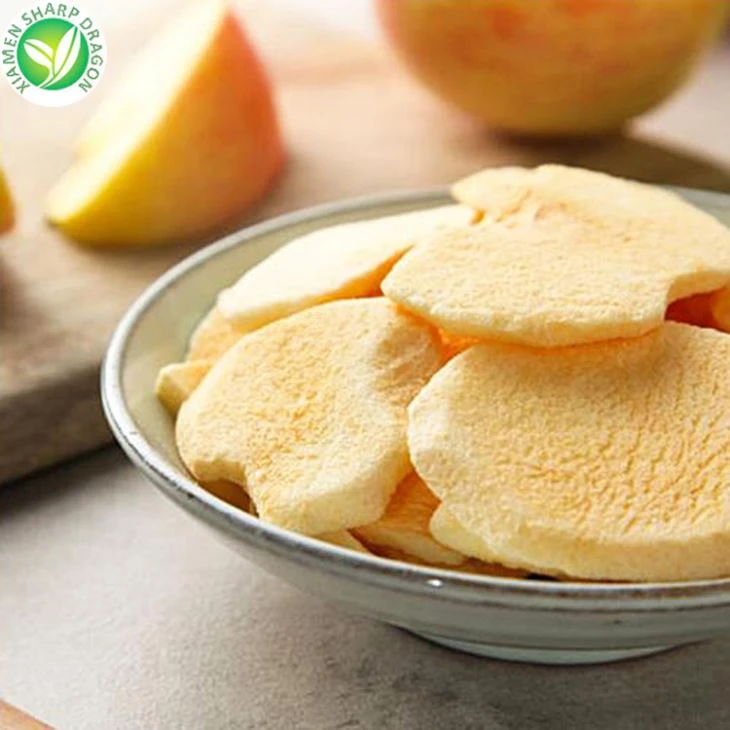
An apple slice can mean fresh cut fruit, a frozen ingredient, a dried snack or a fried crisp. The skin may be visible in all of them, but the finished foods differ. Check the processing method and ingredient list before using a raw apple table. Removing water or adding other ingredients changes the basis of the comparison.
For example, fried apple slices belong to a snack category with their own formulation and nutrition information. A photograph showing a peel edge does not establish their fiber content or serving size. Read the product's actual information and compare the amount you intend to serve, rather than transferring a whole-fruit benefit to every apple-named product.
The same principle applies to a dessert topped with apple. A small decorative portion may add flavor and color while contributing only a limited amount of fruit. If fruit content matters to the brief, record the prepared apple weight in the finished serving. Keep that statement distinct from any nutrition claim, which must be substantiated for the complete product.
For a mixed pack or prepared dish, make the description specific enough to match the eating experience. "Apple pieces with skin" tells a customer something concrete about appearance and texture. An expansive promise about health tells them less about what they will receive. Accurate food language also makes it easier to investigate a later complaint about peel fragments or an unexpected cut.
Define the peel requirement before ordering

For ingredient buyers, "peeled" is a starting description rather than a complete acceptance method. Discuss how any remaining peel fragments will be assessed, and distinguish those fragments from bruising, discoloration or core material. If the intended dish allows a visible edge, say so. If it requires a uniform pale appearance, show a representative finished sample.
Our frozen apple range provides different forms for an initial discussion. The useful inquiry identifies the application, required cut, skin status and preparation route. We will review those details against the requested product rather than assume that every listed form has the same peel treatment or handling instructions.
When comparing samples, photograph the loose pieces and the prepared result under similar lighting. Include a scale where cut size matters. Keep a record of how much fruit was assessed and how it was selected from the pack. An inspection of one convenient handful may miss variation elsewhere, especially where the appearance of each serving matters.
For foodservice and catering, portion acceptance should include the period between preparation and service. Examine whether peel edges remain pleasant in the last planned serving as well as the first. For a manufacturer, use the actual heat, mixing and filling sequence. This connects the specification to the stage at which the customer judges the food.
Make the decision easy to repeat

Write the accepted choice into the recipe: apple form, skin status, prepared weight, cut and handling instructions. Keep the nutrition reference attached to its food description, and keep sample observations attached to the product tested. That avoids a later substitution being treated as identical simply because both ingredients are called apple.
Keep one approved photograph for the intended skin appearance and another for an unacceptable result. This is especially useful when a smooth sauce allows small color flecks but rejects long peel strips. Words such as smooth, rustic or clean can mean different things to different people. A paired visual reference gives the kitchen and supplier a shared point of comparison without pretending that all natural pieces look identical.
Review the choice when the recipe changes. A fruit approved for a chunky topping may need another trial in a thinly spread filling, even if the supplier and cut remain the same. The new dish changes how much peel appears in each bite and how visible it is. Preserve the original approval for its original use, and record the new application's result separately.
If a delivery behaves differently, review the preparation record before changing the recipe. Check whether the cut, skin status or supplied instructions differ from the approved version. Then compare the finished result using the same method. A specific observation such as persistent peel fragments in a smooth topping gives a supplier something concrete to investigate.
At home, the equivalent decision can stay simple. Eat washed apple with skin when you enjoy it. Peel it when the recipe or your preference calls for it, and keep the rest of the meal varied. The value of the fruit comes from the food you actually prepare and eat, not from making one preparation rule fit every person and every dish.
For an apple ingredient inquiry, send the intended dish, cut size, peel requirement, volume and packing needs through our contact form. We will review suitable product and sample options for the application.