


Why Eat Vegetables? Variety, Portions and Practical Use
Dec 04, 2019

Vegetables deserve a regular place in meals because they provide dietary fiber, vitamins, minerals, water and many naturally occurring plant compounds while helping create a varied eating pattern. Their value is cumulative: one serving is useful, but a routine that includes several vegetable groups is more dependable than expecting one fashionable vegetable to supply everything. The strongest guidance concerns the whole dietary pattern, not a promise that a particular vegetable will prevent or treat disease.
Preparation and product form change the answer. Plain fresh, frozen and canned vegetables can all contribute, while a heavily salted sauce, thick breading or deep-frying changes the finished dish. A practical plan for your meals therefore asks three questions: Is there a vegetable on the plate? Does the selection vary across colors and plant groups? Is the final recipe still a sensible way to eat it?
The World Health Organization advises people older than ten to aim for at least 400 g of fruits and vegetables combined each day, alongside at least 25 g of naturally occurring dietary fiber. That 400 g figure is a population-level reference for fruits and vegetables together, not a universal vegetable-only prescription. Individual needs differ with age, energy requirement, pregnancy, activity, culture and medical nutrition plans.
The short answer: Eat vegetables regularly for nutrient variety, fiber, meal volume and dietary diversity. Rotate several types, choose a preparation that fits the meal, and treat frozen or canned forms as practical tools rather than lesser substitutes.

What Vegetables Add to an Eating Pattern
"Vegetables" is a culinary group, not a single nutritional formula. Leafy greens, orange vegetables, cruciferous vegetables, legumes, peas, corn, roots and mushrooms differ in composition and kitchen behavior. USDA MyPlate organizes vegetables into dark-green, red-and-orange, beans-peas-lentils, starchy and other groups. The grouping matters because it turns the vague instruction to eat more vegetables into a variety decision that can be checked over several meals.
Dietary fiber is one common reason vegetables matter. Fiber contributes to normal bowel function, and fiber-rich foods can add volume to meals. The actual amount varies widely by vegetable and serving, so the word "vegetable" does not guarantee a high-fiber dish. Peeling, juicing, pureeing and portion size alter what reaches the plate. A whole or cut vegetable usually makes the fiber easier to recognize than a strained beverage.
Micronutrient value also varies. Dark-green choices may contribute folate and vitamin K; orange choices can supply provitamin A carotenoids; peppers and broccoli may contribute vitamin C; potatoes and several leafy vegetables contain potassium. These examples describe nutrient sources, not guaranteed outcomes. A composition table measures a defined food in a defined form. It does not predict how one person will respond or justify treating a vegetable as medicine.
Vegetables also influence what a meal replaces. Adding mushrooms, onions, peppers or broccoli to a dish may increase its volume and flavor complexity without relying entirely on cheese, cream or a larger refined-grain portion. The result depends on the substitution. Adding a rich fried vegetable side to an unchanged meal is not equivalent to replacing part of a calorie-dense component with steamed or roasted vegetables.
| Vegetable group | Examples | Useful rotation question |
|---|---|---|
| Dark green | Broccoli, spinach, kale | Did a leafy or cruciferous green appear this week? |
| Red and orange | Carrot, pumpkin, red pepper | Is color variety coming from whole vegetables rather than sauce? |
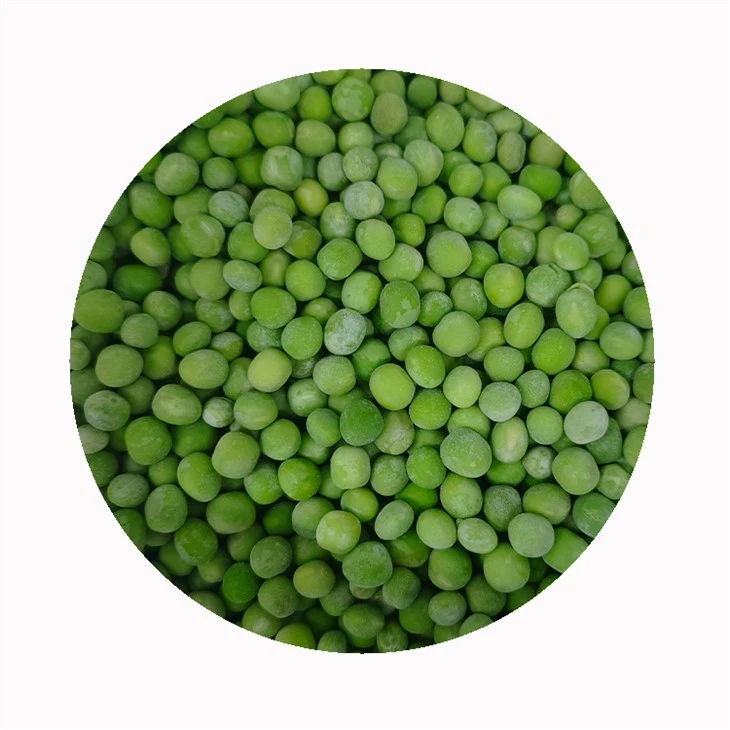
| Beans, peas and lentils | Green peas, lentils, kidney beans | Does the meal need a more substantial plant component? |
| Starchy and other | Corn, potato, cauliflower, onion | Are starchy choices balanced by non-starchy ones? |
Variety Matters More Than a Single "Best" Vegetable
No one vegetable contains every nutrient in the amount needed for a complete diet. Repeating broccoli every day may still be a reasonable preference, but it leaves different flavors, textures and nutrient profiles unused. Variety need not mean buying ten fresh items at once. It can mean changing the dominant vegetable across the week and keeping two reliable frozen options available for days when fresh produce is unavailable.
Color is a convenient prompt, but it is not a laboratory test. Two green vegetables can differ substantially, while a pale cauliflower still contributes useful nutrients. Use color to notice repetition, then use recognizable groups to improve the mix. A week containing leafy greens, an orange vegetable, peas or beans, a cruciferous vegetable and an aromatic such as onion is more informative than a rainbow slogan with no attention to portions or preparation.
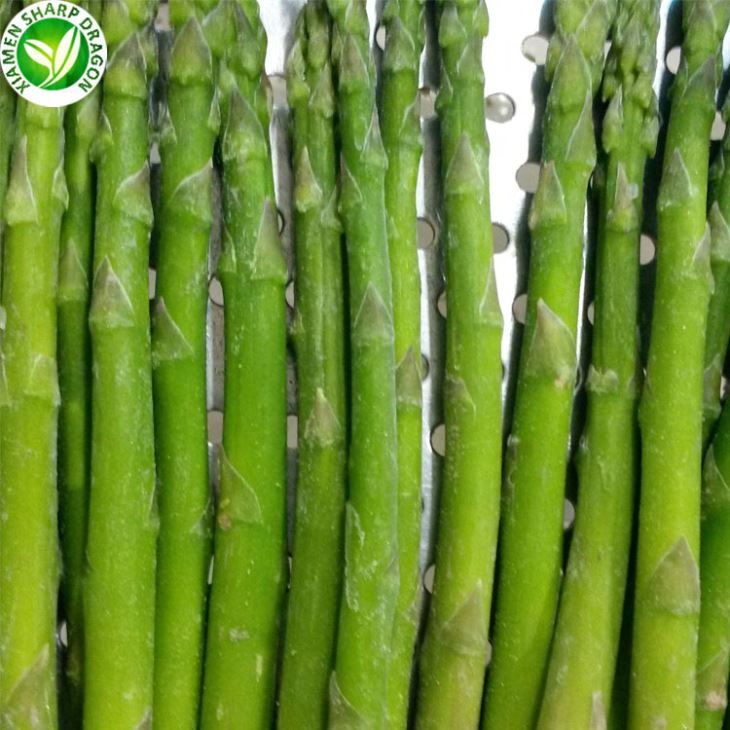
Taste variety has another advantage: it makes repetition less tiring. Roasted cauliflower, lightly sautéed asparagus, peas folded into rice and a tomato-based vegetable stew do not feel like the same task four times. Herbs, acidity, toasted spices and appropriate browning can create flavor without masking the vegetables under excessive salt or a heavy sauce. The best routine is one that remains appealing enough to repeat.
Season and budget will shape the rotation. When one fresh item is abundant, use it more often and pair it with a stable frozen or canned option from another group. Frozen products extend availability, and low-sodium canned vegetables can shorten preparation. The range of frozen vegetable forms illustrates how florets, dice, kernels, strips and blends solve different cooking jobs without changing the basic variety principle.

How Much Is a Useful Amount?
Start with a recognized reference, then adapt it to the person and diet. WHO's 400 g daily target combines fruits and vegetables for people older than ten. USDA MyPlate gives vegetable amounts in cup-equivalents and varies them by age, sex and activity; the current general tables show adult ranges that commonly begin around 2 cups and extend higher for some groups. Neither system says every person must eat the same vegetable weight at every meal.
Household measures require a defined form. One cup of raw leafy greens does not have the same mass or density as one cup of cooked peas, mashed pumpkin or compact chopped spinach. MyPlate, for example, counts two cups of raw leafy salad greens as one cup from the vegetable group. If a meal plan depends on precision, check the authority's equivalence for the specific vegetable rather than treating every filled cup as identical.
For ordinary meal planning, a plate-based check is often easier. Make vegetables clearly visible, allow room for protein and other appropriate foods, then consider what has appeared across the day. Health Canada suggests trying to make half the plate vegetables and fruits. This visual guide is not a gram prescription, yet it exposes a meal where a garnish is doing all the work or where a vegetable side has disappeared under sauce.
A sudden large increase in fiber may cause gas or abdominal discomfort for some people. Increase portions gradually, drink enough fluid and use cooked vegetables when raw texture is difficult to tolerate. A medically prescribed diet may set limits for potassium, carbohydrate, fiber or texture. In that situation, the measured portion needs to fit the clinician's plan rather than a generalized internet target.
Worked example: Suppose an adult wants to test a 400 g fruits-and-vegetables day without treating the figure as a vegetable-only mandate. Breakfast includes 100 g fruit, lunch has 140 g cooked mixed vegetables, dinner has 120 g broccoli and a snack adds 40 g raw pepper. The calculation is 100 + 140 + 120 + 40 = 400 g. The next decision is variety: because two meals are green-heavy, the following day can emphasize orange vegetables and beans rather than simply repeating the same 400 g composition.

Fresh, Frozen and Canned Are Tools, Not a Ranking
Fresh vegetables are excellent when crisp raw texture, delicate leaves or immediate seasonal quality matters. Their weakness is time: washing, trimming and spoilage can make a planned vegetable unavailable when the meal is actually cooked. Fresh quality also changes during distribution and home storage. "Fresh" on a sign does not reveal harvest date, temperature history or how many edible grams remain after trimming.
Plain frozen vegetables are usually prepared before freezing and can be portioned from the pack. Many are blanched to control enzyme activity, which supports color and quality during frozen storage but can affect some heat-sensitive or water-soluble nutrients. Freezing does not lock every nutrient at harvest, nor does it erase the vegetable's value. The separate guide to the benefits and limits of frozen vegetables examines blanching, storage and cooking in more detail.
Canned vegetables offer shelf stability and speed. The liquid and label matter: sodium may be high, while draining and rinsing can reduce some surface sodium. Some products contain sauces, sugar or other ingredients that change the comparison. A plain canned tomato, low-sodium bean or rinsed corn can still be useful. Judge the product actually in the container rather than rejecting or approving the whole category.
Dried and pureed forms have their own density and application. Dried vegetables concentrate solids into less weight, so a small volume may represent more raw material. Purees are easy to distribute through soup or sauce but do not provide the same visible texture as pieces. Vegetable juice may contain less fiber than the whole ingredient and can deliver sodium quickly. Product form changes portion interpretation, not just convenience.
The most resilient pantry uses forms together. Keep fresh vegetables for salads and quick cooking, frozen pieces for variable demand, and selected canned products for backup. This avoids the false choice between perfection and no vegetable at all. It also reduces dependence on one shopping cycle, provided packages are stored correctly and ingredient labels are reviewed.
Preparation Can Strengthen or Weaken the Meal
Cooking is not automatically harmful. Heat softens plant tissues, makes some vegetables easier to chew and can increase the accessibility of certain compounds. It can also reduce heat-sensitive nutrients or move water-soluble nutrients into cooking liquid. The right method depends on the vegetable and intended dish. Brief steaming, roasting, sautéing and cooking directly in soup are all valid; the goal is acceptable texture and flavor without unnecessary loss or heavy additions.
Water management is particularly important with frozen vegetables. Ice crystals and blanching change cell structure, so thawed pieces may release more water than a fresh equivalent. For fried rice or pizza toppings, adding loose frozen pieces to a hot pan and allowing steam to escape often works better than thawing them in a closed bowl. For soup, released liquid can stay in the dish, making separate thawing unnecessary unless the recipe requires strict solids control.
Added ingredients can dominate the result. A modest amount of oil may help browning and flavor, but deep-frying and thick breading substantially change energy density. Cheese sauce, butter, sweet glaze and salty seasoning are part of the nutritional decision. Read the ingredient list on prepared vegetable products and measure additions when they are frequent rather than assuming the vegetable name makes the final dish equivalent to plain produce.
Texture affects acceptance, and acceptance affects whether the routine lasts. Overcooked broccoli with waterlogged stems may be refused even though its ingredient list looks good. Match cut size to cooking time, stop when the intended tenderness is reached and season after judging the released water. A small improvement in repeatable cooking can matter more than purchasing a wider assortment that regularly goes unused.
Turn Good Intentions into a Repeatable Routine
Begin with the meal that most often lacks vegetables. Improving one recurring lunch or dinner is easier to evaluate than rewriting every meal at once. Choose one fast form, one preferred flavor profile and one backup. A bag of mixed vegetables, for example, can support soup, noodles and rice, while a fresh salad vegetable covers raw use. The plan now has two textures and several possible colors.
Next, give the vegetable a specific job. It may replace part of a dense side, add volume to a stew, carry a sauce, create crunch in a wrap or supply a separate side dish. A named job prevents the ingredient from remaining in the freezer because nobody decided where it belongs. It also clarifies cut: fine dice suits fillings and rice, florets suit a plated side, and strips suit a quick stir-fry.
Record what is repeatedly wasted. If fresh spinach wilts before use, buy a smaller fresh pack and keep frozen spinach for cooked dishes. If a family leaves large broccoli stems, try smaller florets or use stems in soup rather than assuming broccoli itself is disliked. If a blend separates in the bag, scoop from several areas so peas and corn do not remain after larger pieces are removed.
Finally, review the week rather than policing each plate. Notice missing groups, repeated preparations and unfinished packs. The aim is not a perfect color chart. It is a system that keeps usable vegetables available, produces dishes people will eat and leaves room for other necessary food groups.
Practical example: Take a household that cooks four variable-size dinners and often discards fresh produce. It chooses an 800 g frozen blend of peas, carrots, corn and green beans, portions about 160 g into each of four meals, and leaves 160 g as a flexible fifth portion. The decision is convenience versus single-vegetable control. Using the blend in rice, soup and an omelet creates three different applications; keeping broccoli as a separate vegetable prevents the same blend from becoming the entire week's variety.
What Foodservice and Product Buyers Need to See
A vegetable blend is not defined adequately by a list of ingredients. Ratio, cut size, maturity, blanching state and piece integrity decide how it cooks. In our work with frozen formats, the first useful comparison is the cooked application, not the most colorful frozen sample. A mix that looks balanced in the bag may cook unevenly when large carrot dice remain firm after small peas have softened.
For us, free-flowing condition is another practical signal. Separate pieces allow a kitchen to weigh a repeatable portion. A solid frozen block slows service and may indicate partial thawing, compression or excess surface moisture, although appearance alone cannot reconstruct temperature history. Review packaging integrity and available temperature records together, then cook a representative sample before acceptance.
Ratio has cost and menu consequences. If a named broccoli-cauliflower-carrot blend arrives with much more low-cost small material than the agreed composition, the plate and yield change. A specification should therefore state ingredients in order, target proportions when commercially necessary, cut descriptions, acceptable broken material, packaging and sampling method. A live mixed-vegetable product format can start the conversation, but the approved sample and written specification make the application decision.
Cooking trials need a fixed basis. Use the same frozen weight, pan or steamer load, heat setting, time and holding period for candidate samples. Record water release, color, tenderness, piece breakage and distribution after mixing. A test that changes three conditions at once cannot show which product variable caused the difference. The broader frozen food application solutions provide context for retail, foodservice and industrial uses where those acceptance criteria differ.
Practical example: Suppose a school kitchen needs 120 side portions of cooked mixed vegetables at 90 g each. The service requirement is 120 × 90 g = 10.8 kg of served vegetables. The kitchen trials two blends from frozen, measures cooked yield and finds that its own process delivers 94% usable yield for the preferred blend. Dividing 10.8 kg by 0.94 gives an illustrative starting input of 11.49 kg. The kitchen rounds according to its pack size and service buffer, while the sample trial-not an assumed universal yield-supports the final order quantity.

Storage, Tolerance and Sensible Limits
Vegetables must still be safe and suitable. Wash fresh produce under safe running water before cutting or eating, follow package directions and keep frozen products frozen until the planned preparation. Damaged packaging, contamination, temperature abuse and poor handling are safety questions. Freezer burn and color fading are mainly quality signals, although a compromised pack deserves a broader check.
Commercial frozen packs need moisture and oxygen control. Holes, weak seals and repeated temperature fluctuation encourage frost, dehydration and clumping. The frozen packaging overview shows why material, seal and pack format belong beside the vegetable specification. At receiving, compare the pack and product with the approved sample rather than treating an intact outer carton as complete evidence.
Digestive tolerance differs. Large portions of legumes or certain vegetables can increase gas, particularly when intake rises abruptly. Cooking, smaller portions and gradual adjustment may help. Allergy is possible with any food, and some medical conditions require controlled potassium, carbohydrate, fiber or texture. Persistent pain, bleeding, severe reactions or unexplained symptoms deserve qualified medical assessment rather than dietary trial and error.
Children, older adults and people with swallowing difficulty may need modified cuts or softer texture, yet texture modification must preserve safe preparation and an appropriate total diet. Whole hard pieces can present a choking risk for young children. Follow age-appropriate public-health guidance and professional instructions when a swallowing plan applies.
A Better Way to Decide What Goes on the Plate
Vegetables are worth eating because they make a varied, nutrient-dense pattern easier to build. The useful decision is not fresh versus frozen, green versus orange, or one "best" vegetable. It is whether enough recognizable vegetables appear regularly, whether several groups rotate, and whether preparation supports rather than overwhelms their role.
Choose two or three forms that fit your real cooking habits, measure a typical portion once, and improve the meal that most often comes up short. Then adjust from evidence: what gets eaten, what is wasted, what cooks evenly and what causes discomfort. That is a stronger foundation than chasing a single ingredient or a rigid daily number.
XMSD sourcing note: For a frozen vegetable or blend review, share the application, ingredient ratio, cut, cooking method, pack format, destination and sample requirement. We can use those inputs to compare a workable product form and the evidence needed for approval.
References
- World Health Organization: Healthy diet
- CDC: Tips for Increasing Vegetables and Fruits in Your Diet
- Health Canada: Eat vegetables and fruits
- USDA MyPlate: Vegetable Group
- XMSD operational perspective on frozen vegetable form, cut, free-flowing condition, packaging and application trials.