


What Are the Benefits of Frozen Vegetables?
Apr 02, 2020

Plain frozen vegetables can be a nutritious and practical way to keep vegetables available. They are often washed, trimmed and cut before packing, they can be portioned directly from the freezer, and they generally last much longer than fresh produce. Those features can reduce preparation time and help households, restaurants and food manufacturers use more of what they buy.
The nutritional answer needs a little care. Research on selected vegetables has found many nutrients in frozen products to be comparable with those in fresh or fresh-stored products, but the result depends on the vegetable, nutrient, blanching process, storage history and cooking method. Frozen is therefore not automatically more nutritious than fresh, and freezing does not preserve every nutrient without change.
The short answer: The main benefits of frozen vegetables are convenience, longer availability, easy portioning, reduced preparation waste and generally good nutrient retention. Choose plain products when you want control over sodium, fat and seasoning, and choose fresh vegetables when raw texture or immediate farm-to-table use matters most.

What Are the Main Benefits of Frozen Vegetables?
Frozen vegetables solve a storage and preparation problem rather than creating a special class of health food. A bag of peas, broccoli or mixed vegetables can stay available when a fresh equivalent is out of season, expensive, difficult to source or likely to spoil before use. Because the product is already prepared, the cook can take the needed amount and return the rest to the freezer promptly.
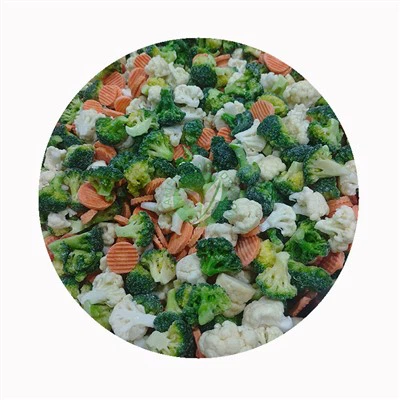
That convenience can support regular vegetable use, but it does not make every frozen product equal. Plain vegetables, seasoned blends, vegetables in cheese sauce and breaded products have different ingredient lists and nutrition profiles. The range of frozen vegetable formats also shows why buyers should identify the product form before comparing price, nutrition or application fit.
| Choice | Main advantage | What to check |
|---|---|---|
| Plain frozen vegetables | Long availability, quick preparation and portion control | Ingredient list, cut size, blanching state and cooking directions |
| Fresh vegetables | Crisp texture and strong fit for raw or lightly cooked dishes | Freshness, storage time, trimming loss and likely spoilage |
| Frozen with sauce or seasoning | Fastest route to a finished side dish | Sodium, saturated fat, added sugar, allergens and serving size |
Do Frozen Vegetables Keep Their Nutrients?
For many everyday choices, the useful conclusion is that plain frozen vegetables remain nutritionally worthwhile. Studies comparing selected fresh, fresh-stored and frozen produce have reported no significant difference for many of the vitamins, minerals, fiber and phenolic compounds measured. That does not mean every vegetable or every nutrient behaves the same way. It means the common claim that frozen vegetables have little nutritional value is not supported by the comparison evidence.
Vegetables supply dietary fiber and a range of vitamins and minerals. Those nutrients support normal body functions as part of the overall diet, but the frozen form does not create a unique treatment or prevention effect. The practical benefit is access: a usable product in the freezer may make it easier to include vegetables in meals when fresh produce is unavailable or would be wasted.
Why Blanching Helps but Is Not Nutritionally Neutral
Many vegetables are blanched briefly before freezing. According to the National Center for Home Food Preservation, blanching slows enzyme activity that would otherwise damage flavor, color and texture during frozen storage. It can also help clean the surface and make the product easier to pack.
Blanching is not loss-free. Too much heat or time can reduce some water-soluble vitamins and affect color or flavor; too little blanching may leave damaging enzyme activity insufficiently controlled. Commercial performance therefore depends on a suitable time-and-temperature process for the specific vegetable and cut, followed by rapid cooling, freezing and stable storage.
What Changes the Nutrition Comparison?
The comparison point matters. "Fresh" may mean recently harvested produce eaten that day, or it may mean produce that has spent time in distribution, retail display and a refrigerator. Some nutrients decline during storage, while others are more stable. A frozen sample processed near harvest may compare well with a fresh-stored sample without proving that frozen is superior to every fresh product.
The nutrient being measured matters too. Heat, oxygen, light and water do not affect fiber, minerals and individual vitamins in the same way. Results for peas cannot simply be transferred to broccoli, spinach or carrots, and a laboratory value at packing does not describe what remains after months of storage and final cooking. This is why responsible guidance uses "comparable for many nutrients" instead of "all nutrients are preserved."
For an everyday decision, choose a plain vegetable you will actually use, keep it frozen according to the label and avoid cooking it far beyond the desired texture. For a formulation or institutional menu, request product data when a particular nutrient claim is important and confirm that the data applies to the supplied vegetable, process and serving preparation.

Convenience, Portioning and Less Preparation Waste
Convenience is one of the clearest benefits because it can be observed before the product reaches the plate. Frozen vegetables are commonly washed and cut, so there may be little peeling, trimming or chopping. Small free-flowing pieces can be measured for one meal, while the rest of the sealed package remains frozen. This is especially useful for single-person households, irregular meal schedules, recipe development and kitchens with variable demand.
The waste benefit should also be described precisely. Freezing does not eliminate waste, and a damaged pack or poorly managed freezer can still result in quality loss. However, the ability to use only the required amount can reduce edible food discarded because it wilted or spoiled before cooking. Pre-trimmed pieces can also reduce preparation waste compared with buying a fresh vegetable that has a large inedible or out-of-spec portion.
Longer availability is not the same as unlimited shelf life. Quality gradually changes in frozen storage, particularly when packaging admits air or the product experiences temperature fluctuation. Consumers should follow the date and storage directions on the package. Commercial buyers should define the minimum remaining shelf life they require at receipt rather than relying on a generic promise.

Do Frozen Vegetables Always Cost Less?
Frozen vegetables can offer good value, especially when a fresh product is out of season or has substantial trimming and spoilage loss. They do not always cost less. Local harvests, promotions and short supply chains can make fresh produce the lower-cost choice, while electricity, frozen storage and specialized packaging add costs to a frozen product.
A useful household comparison is cost per edible serving. Divide the price by the amount likely to reach the plate after peeling, trimming and likely spoilage. Then consider whether the remainder can be used before it deteriorates. A larger fresh package is not economical if part of it is routinely discarded, just as a frozen bag is not economical if it becomes dehydrated, clumped or forgotten in the freezer.
The same principle scales to commercial purchasing. Compare cooked yield and labor at the required quality level, not only invoice weight. Run the calculation for the actual season, supplier route, package size and menu demand. That approach identifies where frozen vegetables produce a genuine financial benefit and where fresh supply still performs better.
When Fresh Vegetables May Be the Better Choice
Fresh vegetables can be the better choice when crisp raw texture is central to the dish. Lettuce for a salad, cucumber for a cold garnish or locally harvested asparagus served soon after purchase may provide a texture that freezing cannot reproduce. Ice crystals can disrupt plant cells, so some frozen vegetables release more water and become softer after heating.
A fair comparison also depends on time. Fresh produce eaten soon after harvest is different from fresh produce that has spent days in transport, retail display and home storage. Frozen products are also not identical: harvest maturity, raw-material condition, blanching control, freezing speed, packaging and cold-chain history all affect the result. The best choice is the format that meets the dish, storage and preparation needs, not a universal winner.
Plain Products and Prepared Products Need Different Label Checks
For a plain product, the ingredient list may contain only the named vegetable. For a blend or prepared side, the label may also list salt, oil, butter, cheese, sugar, flavorings or allergens. These additions may suit the intended meal, but they change what is being compared. Check the nutrition facts and serving size instead of assuming that every bag marketed as frozen vegetables has the profile of the plain vegetable inside it.

How to Use Frozen Vegetables Well
Start with the package directions because cuts and pre-treatment differ. Many loose vegetables can go directly from the freezer into soup, a hot pan, a steamer or a microwave-safe dish. Thawing first may be useful for a recipe that needs moisture to be drained, but it can also make delicate pieces softer. Avoid overcrowding a pan when browning is the goal, and stop cooking when the product reaches the texture required by the dish.
Water management often matters more than elaborate technique. A small amount of water and a short, controlled cook can limit sogginess; soups and stews can use the released liquid as part of the dish. In ready meals or sauces, test the vegetable after the full heating and holding cycle, because a piece that looks firm at the start may continue softening before service.
Safety note: Blanching before freezing does not necessarily make a vegetable ready to eat, and freezing does not kill most microorganisms. Treat the label's ready-to-cook or ready-to-eat statement as decisive, follow the stated heating directions, keep the product frozen as instructed and do not use a damaged or poorly sealed package.

What the Benefits Mean for Foodservice and Manufacturing
For commercial buyers, the value of frozen vegetables is not captured by the price per kilogram alone. The better comparison is landed usable cost: purchase price plus freight, cold storage, preparation labor and energy, minus trimming loss, spoilage and product rejected at service. Frozen may deliver a more predictable yield, but it is not automatically the lower-cost option in every market or application.
1. Calculate Usable Yield and Labor Together
A foodservice operation should compare the cooked portion obtained from each purchased kilogram and record the minutes of washing, trimming and cutting avoided. It should also include freezer space, energy and the cost of any unused opened package. This makes the claimed convenience measurable for a particular menu instead of treating labor savings as a slogan. The same logic is useful when planning foodservice and catering formats.
2. Test the Product in the Intended Process
Specify the vegetable variety where relevant, cut or floret size, defect tolerance, blanching state, free-flowing condition, color, foreign-matter limits and sensory expectations after cooking. Then test a representative sample in the real recipe, including thawing if used, sauce contact, heating, hot holding, cooling or reheating. Water release, breakage and texture after the full process often matter more than appearance in a frozen sample. Buyers developing food-processing applications should approve performance criteria before a bulk order.
3. Match Packing and Cold-Chain Evidence to the Channel
Retail, foodservice and industrial users need different pack sizes, seals, labels and carton strength. A buyer should confirm net weight, inner packaging, case dimensions, lot coding, date format, pallet or loading plan and remaining shelf life. Arrival checks should cover carton condition, seal integrity, product temperature, clumping and visible evidence of thaw-refreeze damage. Reviewing suitable frozen packaging options before final quotation can prevent a good vegetable specification from failing in distribution.

A Practical Final Judgment
Frozen vegetables are most beneficial when they remove a real barrier: short fresh shelf life, seasonal gaps, variable preparation labor, uncertain portion demand or inconsistent cut size. Plain products can retain useful nutrition and make vegetables easier to keep on hand, while fresh produce remains valuable for raw texture and immediate use. The answer is therefore not "frozen or fresh" in the abstract; it is which form delivers the required nutrition, texture, convenience and total usable value for the meal or process.
XMSD sourcing note: For a meaningful frozen-vegetable quotation, share the vegetable, cut or size, blanching requirement, intended application, pack format, destination and expected volume. We can then discuss a specification and sample plan that fits the use.
References
- Health Canada: 10 reasons to buy frozen vegetables and fruits
- National Center for Home Food Preservation: Blanching Vegetables
- Bouzari et al.: Vitamin retention in eight fruits and vegetables
- Bouzari et al.: Mineral, fiber and total phenolic retention in eight fruits and vegetables
- USDA Food Safety and Inspection Service: Freezing and Food Safety