


Broccoli Calories: Raw, Cooked and Frozen Portions
Dec 31, 2020

Plain broccoli provides roughly 26-35 kilocalories per 100 grams in the USDA reference entries compared here. Raw broccoli is listed at 34 kcal per 100 g, while broccoli boiled, drained and prepared without salt is listed at 35 kcal. Frozen chopped broccoli has separate entries: 26 kcal unprepared and 28 kcal after boiling and draining without salt. Choose the entry that matches the food you actually weigh.
Those figures describe broccoli in specified forms. A broccoli side dish with oil, cheese or sauce needs a calculation for the complete recipe. For example, 150 g of the boiled, drained broccoli listed at 35 kcal per 100 g contributes about 53 kcal before additions. A cup is less precise unless its gram weight and preparation state are also given.
For a useful comparison, start with three details: the ingredient description, the weight basis and any added ingredients. These usually explain more than debating whether broccoli has 34 or 35 calories. They also help a kitchen estimate portions without confusing the weight purchased with the weight served.
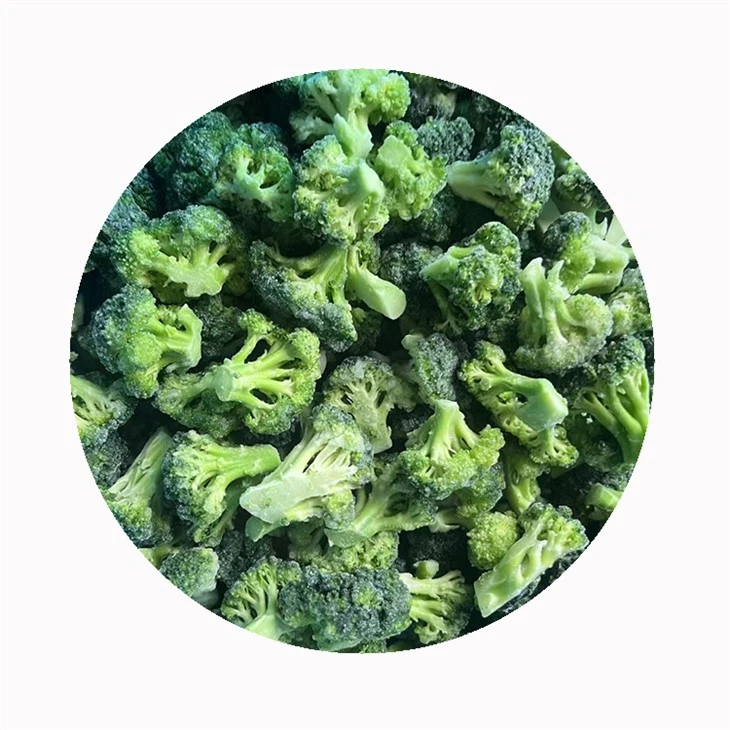
Calories per 100 grams: match the food description
The table uses USDA FoodData Central SR Legacy records. Each value applies to 100 g of the named food. In everyday food discussions, "calories" usually means kilocalories, abbreviated kcal. Keep that unit visible when copying figures into a worksheet, especially if another source displays kilojoules alongside it.
| Broccoli form | Energy per 100 g | USDA record |
|---|---|---|
| Raw | 34 kcal | 170379 |
| Boiled, drained, without salt | 35 kcal | 169967 |
| Frozen, chopped, unprepared | 26 kcal | 169968 |
| Frozen, chopped, boiled, drained, without salt | 28 kcal | 169969 |
The raw entry is FoodData Central 170379. The boiled entry is 169967; the frozen chopped entries are 169968 and 169969. These identifiers make it possible to retrieve the same descriptions later. Saving only "broccoli, 35" leaves the next person to guess whether that figure was for 100 g, a cup or a prepared serving.
Choose the closest description before doing the arithmetic. "Boiled, drained, without salt" describes a particular food state. Roasted broccoli with oil, broccoli in cheese sauce and a vegetable mixture have different formulations. Even a plain steamed preparation deserves a matching source when an accurate recipe calculation is required. A nearby number can be useful for a rough estimate, but keep the assumption visible.
A retail pack may also provide nutrition for the product as sold or for a stated prepared serving. Read that basis together with the preparation instructions. When suitable product information is available, it connects the figures more directly to the ingredient in your kitchen than a generic reference does.
Why the raw and frozen numbers are different
The four USDA entries are separate food records, rather than measurements of one batch before and after freezing. Read the differences as comparisons between the named foods. Their supplied form, composition and water content all matter when a quantity is expressed per 100 g.
Water makes the weight basis especially important. If a preparation loses water, the same amount of food material occupies a smaller final weight. If water is retained, the final weight can rise. Draining conditions affect what reaches the scale. That is why a cooked-weight calculation needs a cooked-food reference, while an ingredient calculation made before preparation needs the corresponding input information.
Keep cut descriptions in view as well. USDA lists frozen unprepared spears at 29 kcal per 100 g in record 169970, compared with 26 kcal for frozen unprepared chopped broccoli in record 169968. Both describe plain frozen broccoli, yet the descriptions and reference values differ. Treat them as named reference options rather than competing answers to one universally fixed number.

The practical distinction between loose frozen pieces and a prepared serving is discussed in our explanation of IQF freezing. For calorie calculations, keep the actual ingredient identity beside the processing description. "IQF" alone does not specify the recipe, serving weight or final nutrition values.
Visible frost is another reason to use a repeatable weighing method. Record whether the weight was taken from the unopened product, during preparation or after the agreed draining step. Follow the supplied handling instructions, and avoid switching between these stages inside one calculation. A consistent basis makes comparisons easier to reproduce.
A cup of broccoli can mean several different weights
Cup figures are convenient at home, but they change with the cut and food state. USDA gives 91 g for a cup of chopped raw broccoli. At 34 kcal per 100 g, the calculation is 91 × 34 ÷ 100 = 30.94 kcal, or about 31 kcal. That figure belongs with the 91 g raw chopped portion.
For boiled, drained broccoli without salt, the record lists half a cup of chopped broccoli as 78 g. Two such half-cup portions total 156 g. At 35 kcal per 100 g, that derived full-cup amount provides 54.6 kcal, or about 55 kcal. The larger number partly reflects that the described cup contains more grams than the raw chopped cup.
The frozen chopped records have their own cup weights: 156 g unprepared and 184 g after boiling and draining without salt. Their calculated energy amounts are about 41 and 52 kcal respectively. Writing down the gram amount prevents these cup estimates from being exchanged accidentally.

Three small florets and three large florets can give very different portions. A caliper helps assess piece size; a scale checks the mass your serving tool delivers.
For a repeat service, weigh several normally filled portions rather than carefully arranging one ideal cup. Record the average and the spread. A scoop that is satisfactory for small chopped pieces may produce a wide range with large florets. The useful outcome is a serving method that staff can repeat under normal working conditions.
Example: include the sauce in a broccoli side dish
Consider an illustrative meal-development trial with 150 g of plain boiled, drained broccoli. Using the 35 kcal per 100 g reference gives 150 × 35 ÷ 100 = 52.5 kcal. The developer adds 20 g of a sauce whose hypothetical label states 200 kcal per 100 g. That sauce contributes 20 × 200 ÷ 100 = 40 kcal.
The combined 170 g portion therefore contains an estimated 92.5 kcal from these two components, or about 93 kcal rounded for discussion. Both the sauce information and the recipe are illustrative.
The decision is whether the developer is comparing the vegetable itself or the complete side dish. If the target is the finished dish, record all ingredients that remain in the portion. Any additional oil, cheese, nuts or topping belongs in the same calculation using its own applicable nutrition information and actual amount.


Changing the sauce quantity changes both the energy total and the finished serving weight. Reducing the illustrative sauce from 20 g to 10 g would reduce its contribution from 40 to 20 kcal, giving 72.5 kcal across 160 g of finished food. That is a recipe change with a flavor and coating trade-off. Taste the adjusted dish rather than assuming the lower dose will perform equally well.
A production kitchen should also distinguish sauce prepared from sauce actually distributed. If some remains in the mixing bowl or serving pan, dividing the entire starting quantity across the plates may overstate what each portion receives. Measure a representative run using the same utensils and serving sequence, then document the method behind the estimate.
Energy per portion and energy per 100 g answer different questions. The illustrative side dish contains 92.5 kcal in 170 g, equivalent to about 54 kcal per 100 g. Reporting only the latter number would understate the calories in the full portion if someone assumed it described the entire plate. Put the serving mass next to the result whenever the food will be discussed as a side dish, lunch component or individual meal tray.
Scaling the recipe also requires attention to distribution. If one plate receives mostly broccoli and another receives a pool of sauce, equal total weights can still represent different ingredient proportions. Stir or dispense according to the kitchen's agreed method and check several servings. A bulk recipe calculation works best when the portioning process delivers a reasonably consistent share of each component.
Calories are one part of broccoli's nutrition
The USDA raw-broccoli record also lists 2.82 g protein and 2.6 g fiber per 100 g. The boiled, drained record lists 2.38 g protein and 3.3 g fiber. These values describe modest contributions within a meal. They are more useful with a clear serving basis than a broad claim that broccoli is exceptionally high in every nutrient.
Broccoli is often discussed for vitamin C. The same raw record lists 89.2 mg per 100 g, while the boiled, drained record lists 64.9 mg. As with the energy comparison, these are separate reference entries. Their difference cannot be used as a measured vitamin-retention percentage for your own preparation method, ingredient lot or storage conditions.
Keep protein, fiber and vitamin figures tied to the same food entry used for the weight calculation. Combining calories from raw broccoli, protein from frozen broccoli and vitamin C from an unrelated product would produce a nutrition profile that describes no clearly identified food.
A low energy value alone does not establish what a complete meal should contain. Nor does it prove that a particular broccoli dish causes fat loss or improves a digestive condition. For ordinary menu planning, assess the full meal, the portion actually served and the other foods included. For a specific nutrient claim on a commercial product, use evidence appropriate to that product and the destination requirements.
Example: plan cooked portions from purchased weight
A catering planner needs 80 broccoli portions, each weighing 100 g after preparation and draining. The service therefore needs 8 kg of prepared broccoli. In an illustrative kitchen trial, 2.00 kg of input produces 1.80 kg at the chosen serving endpoint. The measured yield for that trial is 1.80 ÷ 2.00 = 90%.
Using that trial result, the theoretical input needed is 8.00 ÷ 0.90 = 8.89 kg. This is a planning illustration using an assumed trial result. Set any operational allowance separately, using the kitchen's actual experience and purchasing units.

The important choice is to define the serving endpoint before comparing samples. Use the same preparation method, draining time and portioning conditions in each trial. If one sample is weighed immediately with more surface water and another is left draining longer, the apparent yield difference may tell you little about the vegetable quantity the customer receives.
At XMSD, we would assess floret size and stem proportion alongside that prepared-weight result. A sample can achieve the target mass yet look uneven across plates if a few large pieces dominate the scoop. For foodservice and catering, a useful trial records both portion weight and the appearance of several normally served plates.
The calorie estimate remains a separate calculation. If the prepared food genuinely matches the boiled, drained reference, a 100 g plain portion would use its 35 kcal value before additions. The input-to-output yield helps plan purchasing; it does not by itself establish the nutrient composition of the cooked portion. Keep those two decisions in separate worksheet columns.
Record the small amounts left behind during transfer as well. Vegetable retained in a preparation tray is different from a change in weight during cooking, although both can affect the amount available for service. A simple trial record can separate input, prepared output, transfer remainder and food actually portioned. This shows where a shortfall occurred and whether a change in equipment, handling or purchase quantity would address it.
Choose broccoli cuts for the serving method
For plated side dishes, floret size affects how easily staff can distribute an even-looking portion. Smaller pieces may fill a spoon more consistently, while larger florets can give a more defined appearance on the plate. Chopped material offers another texture and presentation. The right choice follows the intended dish and the equipment used to prepare and serve it.
Compare the same mass first. Lay out several portions from each candidate sample and record the number of large pieces, the stem content and the amount of smaller material. This makes a visual comparison more informative than selecting the most attractive pieces for one photograph. It also reveals whether staff would need extra sorting during a busy service.

Our frozen broccoli product information is a starting point for discussing the supplied form. We would connect the requested cut with the kitchen's portioning method before treating two offers as interchangeable. A shared product name leaves plenty of room for differences in piece distribution and preparation behavior.
Include texture in the same assessment. A portion that looks satisfactory before service may break into smaller pieces during mixing or transfer. Observe the food at the point it will be eaten, following the product's instructions and the kitchen's established handling procedure. Record the preparation endpoint so the next sample can be assessed fairly.
Read the pack and keep the calculation reproducible
FDA's guidance explains that calories and nutrients on the Nutrition Facts label relate to the stated serving, and that serving size is not a recommendation of how much to eat. Start with the gram amount and the number of servings represented by the food you use. If you consume or serve twice the labeled amount, the corresponding calorie calculation doubles.
For an ingredient worksheet, retain the product name, exact nutrition basis, source date and the recipe weight. Note whether the figures describe the food as sold or as prepared according to stated directions. If a supplier updates the formulation or product information, this record makes it possible to identify which recipes need another calculation.
Check the denominator before comparing two labels. One may display a small serving while the other emphasizes a larger prepared portion. Converting both to the same gram basis makes the ingredient comparison clearer; converting back to the intended serving makes the menu calculation useful. Preserve the original figures alongside the converted values so a reviewer can follow the arithmetic without having to search for the pack again.
Avoid rounding at every stage. Retain the working precision through ingredient multiplication and addition, then round the final estimate for its intended use. Repeatedly rounding small ingredient contributions can shift a larger batch total. Commercial labeling has its own applicable calculation and rounding requirements; an informal kitchen estimate is a planning tool rather than a substitute for that work.

Pack size affects workflow as well as ordering. A kitchen may prefer a format that fits its preparation batch, storage space and portioning routine. Our frozen-food packaging information can support that discussion. The required food quantity should still come from the agreed recipe and observed preparation yield, rather than from the most convenient carton size alone.
Keep raw-ingredient and finished-dish totals clearly labeled when sharing information between purchasing, the kitchen and menu development. A buyer may work in kilograms received, a cook in kilograms prepared and a menu planner in grams per serving. Recording the conversion between these stages helps each person use the same underlying recipe without silently changing the basis.
For a final review, follow one portion through the worksheet. Check that its broccoli weight matches the chosen food state, that every addition is included and that the finished portion weight agrees with the serving method. Round the result only after the calculation, and describe it as an estimate when it comes from reference values rather than a suitable analysis of the finished food.
If you are comparing frozen broccoli for a foodservice dish, send the required cut, pack format, preparation method and target serving weight through our product inquiry page. We will review the product requirements with those practical inputs in view.
References
- USDA FoodData Central: Raw broccoli, record 170379
- USDA FoodData Central: Broccoli boiled and drained without salt, record 169967
- USDA FoodData Central: Frozen chopped broccoli, unprepared, record 169968
- USDA FoodData Central: Frozen chopped broccoli, boiled and drained without salt, record 169969
- USDA FoodData Central: Frozen broccoli spears, unprepared, record 169970
- FDA: How to understand and use the Nutrition Facts label