


Broccoli Vitamin C: Servings, Daily Values and Cooking
Oct 06, 2021

Broccoli contributes vitamin C to a meal, but the amount you receive depends on the food form and how much you eat. USDA reference entries report 89.2 mg per 100 g of raw broccoli, 64.9 mg for boiled, drained broccoli without salt, and 40.1 mg for frozen chopped broccoli that has been boiled and drained without salt. These are three different reference foods, not measurements of one batch moving through a kitchen.
Vitamin C helps normal collagen formation, antioxidant activity and immune function, and it improves absorption of iron from plant foods. Those roles make broccoli a useful ingredient in a varied diet; they do not turn a portion into a treatment or promise protection from illness.
For everyday eating, choose a preparation you enjoy, serve an appropriate portion and include other foods that supply vitamin C. A fixed 100 g serving is not a universal daily prescription for children. Personal intake recommendations, the percentage on a nutrition label and the amount in a spoonful of broccoli answer different questions. When you compare numbers, keep the preparation description beside them and count the broccoli actually eaten, rather than the weight of an entire soup or mixed vegetable dish.
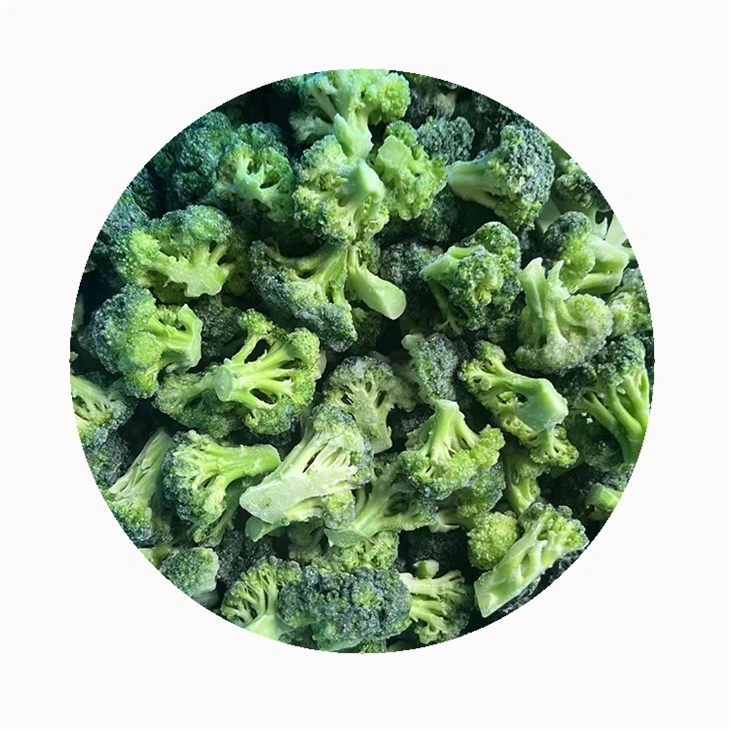
How Much Vitamin C Is in the Broccoli You Serve?
Start with the complete food description. The following USDA FoodData Central records use 100 g of edible food. The frozen entry describes chopped broccoli after cooking and draining, so its value belongs to that prepared state. It is not a declaration for an unopened bag of IQF florets.
| Broccoli description | Vitamin C per 100 g | USDA record |
|---|---|---|
| Raw | 89.2 mg | 170379 |
| Cooked, boiled, drained, without salt | 64.9 mg | 169967 |
| Frozen, chopped, cooked, boiled, drained, without salt | 40.1 mg | 169969 |
For a household estimate, match the closest entry to the food on your plate. For a packaged product or a menu declaration, use the information appropriate to that product and preparation. A large collection of decimal places will not improve a calculation made with the wrong ingredient.
Photograph the pack and save the recipe alongside your chosen record. That small habit is particularly helpful when several broccoli products share freezer space. A plain floret bag, a chopped ingredient and a seasoned mixture can look similar once they have entered a pan, while the original information may be quite different.
Our guide to broccoli calories and food forms covers the wider nutrition comparison. Here, the useful question is narrower: how does a stated vitamin C concentration become an estimate for the food you actually eat?
A Half Cup Can Represent Different Weights
USDA lists a half cup of raw chopped or diced broccoli as 44 g in the raw entry, and a half cup of chopped, boiled broccoli as 78 g in the cooked entry. Applying the respective concentrations gives about 39.2 mg and 50.6 mg vitamin C. The larger cooked figure per half cup does not mean cooking created vitamin C. The household measures represent different masses of different reference foods.
A cup describes volume. Loose florets leave spaces between pieces, whereas smaller pieces can pack together more closely. Even within your own kitchen, a heaped scoop and a level scoop may contain different amounts. Weigh a typical serving if the calculation matters, then keep the same practical serving method for the recipe.
Count only the edible broccoli included in that measurement. The saucepan, serving bowl and discarded trimmings belong outside it. If sauce has already been added, a total plate weight no longer gives the broccoli weight directly; the recipe proportions are needed as well.
This is also why we examine the cut before recommending a portioning trial. Large florets can make a bowl look full with relatively few pieces. Chopped broccoli spreads through a dish more evenly. Neither appearance establishes a higher vitamin C concentration, but the cut changes how reliably you can serve the amount you planned.

Daily Intake and Label Percentages Are Different References
NIH lists U.S. vitamin C recommendations of 75 mg daily for adult women and 90 mg for adult men, with different values for pregnancy, breastfeeding and other circumstances. Its table gives 15 mg for ages 1–3 and 25 mg for ages 4–8. These recommendations concern total daily intake from the diet, rather than a required broccoli serving.
FDA's general vitamin C Daily Value for adults and children aged four and older is 90 mg. It provides a shared basis for label percentages. That shared label reference is useful when comparing foods, but it differs from the age-specific intake recommendations above. Read the percentage as a contribution on the stated label basis, not an individualized feeding instruction.
Read the serving size before the percentage. A value per serving and a value per 100 g use different weights. Adjust the estimate to the amount eaten; individual meals need not supply identical fractions of a daily total.
An omitted vitamin C line also needs careful interpretation. FDA allows voluntary declaration of some vitamins, but requires declaration when they are added or when certain claims are made about them. Absence from a U.S. panel therefore does not, by itself, establish zero vitamin C. Read what the label actually declares and avoid filling gaps with an assumed number.
Cooking Changes the Food and the Measurement
NIH explains that prolonged storage and cooking can reduce vitamin C, and that steaming or microwaving may reduce cooking losses. The useful response is to avoid unnecessary treatment while still preparing the product properly. Extending cooking simply to make every piece look identical can produce a result quite different from the one intended by the recipe.
In a 2009 study by Yuan and colleagues, fresh Youxiu broccoli was tested under defined cooking conditions. Their steaming treatment used 200 g of cut broccoli above 200 ml of boiling water for five minutes; no statistically significant vitamin C loss was detected against the raw comparison under that treatment. The boiling treatment used 400 ml water. This was a particular experiment, not a universal five-minute schedule or proof that every steamed serving retains all vitamin C.
For frozen broccoli, use the product's preparation instructions. Then judge the finished texture and portion for your dish. A short research treatment on fresh material should not replace directions for a different commercial product. The starting food, piece dimensions, equipment and batch size all need to match the method being used.
Keep preparation notes specific enough to repeat. Record the product, amount, method and whether liquid is drained or incorporated. If the broccoli becomes part of soup, the final recipe includes that liquid. If it is served as a drained side, discarded liquid is outside the serving. A nutrient estimate needs to follow the same boundary as the food being measured.


What Counts as Vitamin C Retention?
To investigate retention, compare the amount of vitamin C before and after a defined process using paired information. Concentration alone answers a different question: how much is present per unit of food weight. Water movement and discarded material can change that weight, so a percentage calculated only from two concentrations can be misleading.
Worked example: Suppose a quality technician is given illustrative laboratory results for the same broccoli batch. Before preparation, 1,000 g contains 80 mg vitamin C per 100 g. After preparation and draining, 800 g contains 70 mg per 100 g. These invented figures explain the calculation; they are not XMSD test results.
The starting vitamin C amount is 80 × 1,000/100 = 800 mg. The prepared amount is 70 × 800/100 = 560 mg. On this defined edible-output basis, retention is 560/800 × 100 = 70%. Comparing concentrations alone gives 70/80 × 100 = 87.5%, which answers how the concentration changed rather than how much vitamin remained in the measured output.
The action is to retain both weights with the laboratory results. Also describe what was excluded: cooking liquid, trim or other material. Otherwise, another person may unknowingly calculate a different process boundary. The resulting percentage describes this comparison, not a permanent characteristic of all broccoli cooked by the same named method.
For routine dinner planning, you rarely need this investigation. A suitable prepared-food reference is usually more practical. Use paired testing when the real decision concerns a process claim or a meaningful change in production, and agree the sampling and analytical approach with the laboratory before collecting samples.
The Broccoli Share of Soup and Mixed Dishes
A bowl of broccoli soup contains more than broccoli. Water, stock, milk, potatoes or other ingredients contribute to its weight, and some may contribute vitamin C themselves. To estimate the broccoli contribution, use its amount in the recipe and divide it across the finished servings. To estimate the whole dish, include all relevant ingredients and preparation effects.
Worked example: A meal developer plans an illustrative recipe containing 800 g of the cooked, drained frozen broccoli represented by USDA's 40.1 mg-per-100 g entry. Assume that ingredient is added at the point being evaluated, with no further vitamin change included in this calculation. Its contribution is 800 × 40.1/100 = 320.8 mg to the batch.
If the finished dish weighs 3,200 g and makes eight 400 g bowls, each bowl receives 100 g broccoli and an estimated 40.1 mg vitamin C from that ingredient. If additional ingredients bring the same broccoli batch to 4,000 g, ten 400 g bowls each contain 80 g broccoli and contribute about 32.1 mg from it. That is 20% less broccoli-derived vitamin C per bowl, even though the serving bowl has the same total weight.
The developer can keep the more diluted recipe and update its calculation, or increase the broccoli amount and reassess the taste, texture and other ingredients. The example does not establish the complete dish's vitamin C value: contributions from the added foods and any further processing still require their own treatment.
The same issue arises with broccoli-containing vegetable mixtures. We would check the ingredient ratio and how the mixture portions from the pack. A visually attractive sample with several large florets may not represent the average serving throughout the bag.

Choose a Meal You Will Actually Eat
Vitamin C content is one reason to include broccoli, but it is a poor reason to force a preparation you dislike. Consider where broccoli fits naturally: a warm side with a grain and protein food, a mixed vegetable dish, or a soup whose texture suits the meal. The useful portion is one that is served and eaten, with its preparation reflected in any calculation.
Pairing broccoli with lentils or beans is a practical way to bring a vitamin C food and plant iron into the same meal. The normal role of vitamin C in iron absorption supports that combination; it does not provide a fixed multiplier for the iron absorbed by an individual. Flavor, overall variety and the rest of the meal still matter.
If a full side portion is repeatedly left on the plate, try a smaller amount in a familiar dish and observe acceptance. Keep the change simple enough to understand: changing the broccoli cut, sauce and serving size together makes it harder to learn which adjustment helped. A kitchen trial can assess willingness to eat and portion consistency without pretending to measure a health outcome.
In foodservice and catering applications, we would begin with the intended eating occasion. A plated side and a spoonable soup need different presentation and portion checks. A nutrition estimate is more useful when the kitchen can reliably produce the meal it describes.
Green Color Is Not a Vitamin C Test
A photograph can show florets, stem length, frost or visible color. It cannot report milligrams of vitamin C. Color is useful when judging the appearance wanted for a dish, but assigning a nutrient figure requires a suitable data source or analysis. Keep those two observations separate when comparing samples.
For a product evaluation, identify the sample and preparation before discussing its result. A photo of cooked broccoli alongside a result for uncooked frozen material can create an accidental mismatch. Put the food state in the file name or sample description so that the next person can connect the photograph, recipe and nutrition information correctly.
We would also avoid selecting only the most attractive pieces for a nutrition sample intended to represent a mixed batch. Discuss a representative sampling approach with the laboratory, including how the material will be handled before analysis. The aim is to obtain information about the product being evaluated, rather than a specially assembled display portion.

Children Need Suitable Food, Not a Fixed Broccoli Target
NIH's infant vitamin C values are Adequate Intakes based on healthy breastfed infants, a different reference category from the Recommended Dietary Allowances used for older children. A nutrient table should therefore never be translated into an instruction to give every infant 100 g broccoli daily.
CDC recommends introducing complementary foods at about six months, taking developmental readiness into account. Food texture should match the child's abilities: vegetables may need to be cooked until easily mashed, then mashed or pureed as appropriate. Offer small portions and supervise eating. A nutrient calculation does not settle these preparation and feeding decisions.
For a family meal, set aside an appropriately prepared portion rather than trying to make a child finish the amount used in an adult nutrition comparison. Ask the child's clinician for individual feeding advice when growth, dietary restriction or feeding ability is a concern. The useful goal is a suitable range of foods and textures as feeding develops.

Water in Broccoli Complements Regular Drinking
The NHS notes that food contributes some fluid, while also recommending regular drinking. Its general guide is six to eight cups or glasses of fluid daily, with needs varying with circumstances such as heat and activity. This is general guidance, not an infant drinking schedule or a prescription for someone with a medically restricted fluid intake.
Serving a moist vegetable can be part of a meal, but it is not a reason to omit drinks. If you tend to forget water, make a drink part of the meal setup rather than relying on the moisture percentage of one ingredient. This keeps the hydration habit simple and avoids turning a broccoli nutrition figure into a different kind of recommendation.
Keep Product Information with the Finished Recipe
For a repeat recipe, retain the exact broccoli identity, prepared serving amount and source of the vitamin C estimate. Note the recipe version as well. If the cut, blend ratio or preparation changes, review the relevant calculation before reusing it. A copied number can remain convincing long after the food it describes has changed.
The packaging information should help identify the ingredient and its instructions. A carton label is a useful connection to the supplied product; it is not, on its own, proof of a particular vitamin concentration. Keep any supporting nutrition information attached to that identity and its stated food basis.

XMSD supplies frozen broccoli for food applications. Share the cut, preparation and serving format when discussing an ingredient, so the product information can be reviewed against the dish you intend to make.
Send the broccoli form, recipe and serving basis through our enquiry page. Include the product information question the sample should answer.
References
- USDA FoodData Central: Raw Broccoli, 170379
- USDA FoodData Central: Boiled Broccoli without Salt, 169967
- USDA FoodData Central: Frozen Chopped Broccoli, Cooked, 169969
- NIH: Vitamin C Reference Intakes
- NIH: Vitamin C for Consumers
- FDA: Daily Values and Nutrition Labels
- Yuan et al., 2009: Cooking Methods and Broccoli Composition
- CDC: Introducing Solid Foods
- NHS: Water, Drinks and Hydration