


Pomelo and Medicines: Reading a Grapefruit Warning
Apr 26, 2020

If your medicine interacts with grapefruit, avoid pomelo too. The U.S. Food and Drug Administration includes pomelo among fruits that may have a similar effect. A fruit sold as honey pomelo is still pomelo; a sweeter name, different flesh color or attractive nutrition description does not cancel a medicine warning. Ask your pharmacist about the exact medicine and food product before including it in your diet.
The question is specific. Food restrictions follow the particular treatment: two medicines used for the same condition can have different instructions. Start with the name on your own pack and the information supplied with it. For a drink or prepared food, keep the complete ingredient label as well as the product name.
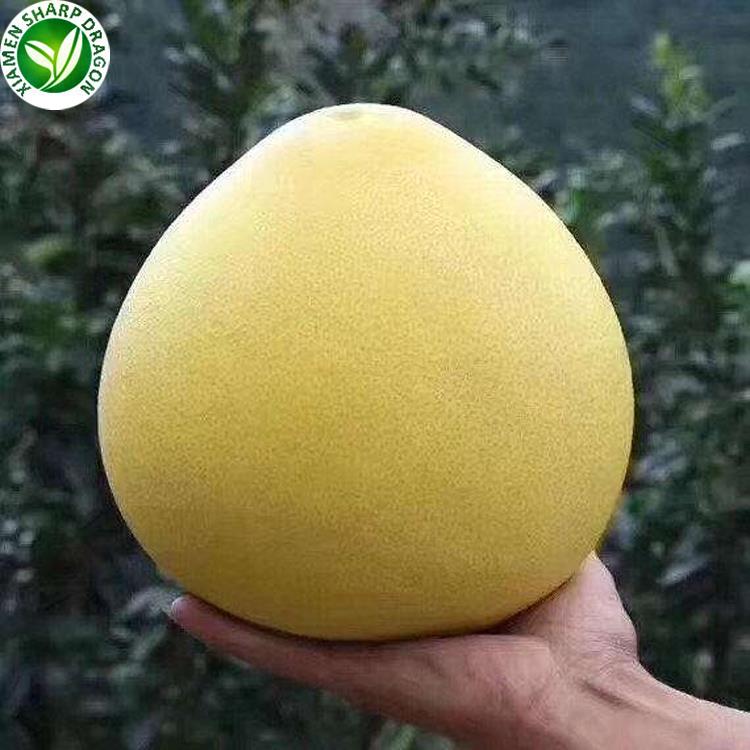
That pairing gives the conversation a useful basis: which medicine, and which food? A whole fruit, a pomelo concentrate and a mixed citrus drink can be easy to confuse in casual conversation. Households and food-service teams can establish the ingredient identity; a pharmacist can assess it alongside the treatment. A photograph helps identify the food, while the medicine information supplies the warning that needs interpreting.
What an interaction means here
A food interaction can change the effect of a medicine. Medsafe explains that foods may affect processes such as absorption and metabolism, potentially reducing effectiveness or increasing adverse reactions. Its discussion includes pomelo among fruits reported to interact with some medicines. The important distinction is between a general food reputation and a particular food-medicine combination.
For example, the NHS Specialist Pharmacy Service explains that grapefruit can inhibit the intestinal enzyme CYP3A4 and increase exposure to some oral medicines. This is a drug-processing issue. Looking only at a fruit's sweetness, sourness or vitamin content will not answer it. Nor is a food's familiarity a substitute for checking the treatment instructions.
The clinical significance varies. The same specialist service emphasizes that interaction assessment involves the patient's circumstances and available clinical information. A professional may need more than a product name before giving advice. Our role as a food supplier is to make the food side of that assessment clear: actual ingredient, product form and declared composition, without making a medical judgment from those facts.
Read the warning on your own medicine
Take the actual medicine pack to the conversation, or have a clear photograph of its label available. A description such as my cholesterol tablet leaves room for error. The FDA notes that grapefruit does not affect every medicine in an affected drug category. A warning for one product should therefore not become a homemade rule for all products used for that condition.
Read the supplied patient information, including the food and drink instructions. The FDA's drug-information page provides routes to Medication Guides, prescribing information and other labeling resources. When using an online document, match it to your medicine rather than choosing the first familiar-looking result. A page that discusses an active ingredient generally may not be the document that accompanied your particular pack.
Keep the wording intact when asking for help. If the instruction refers to grapefruit, ask explicitly about pomelo. If it refers more broadly to fruit juice, preserve that broader wording. A short note with the medicine name, the instruction and the food you want to discuss is easier to resolve than an argument about whether citrus fruit is healthy.
Name the food beyond the front of the pack
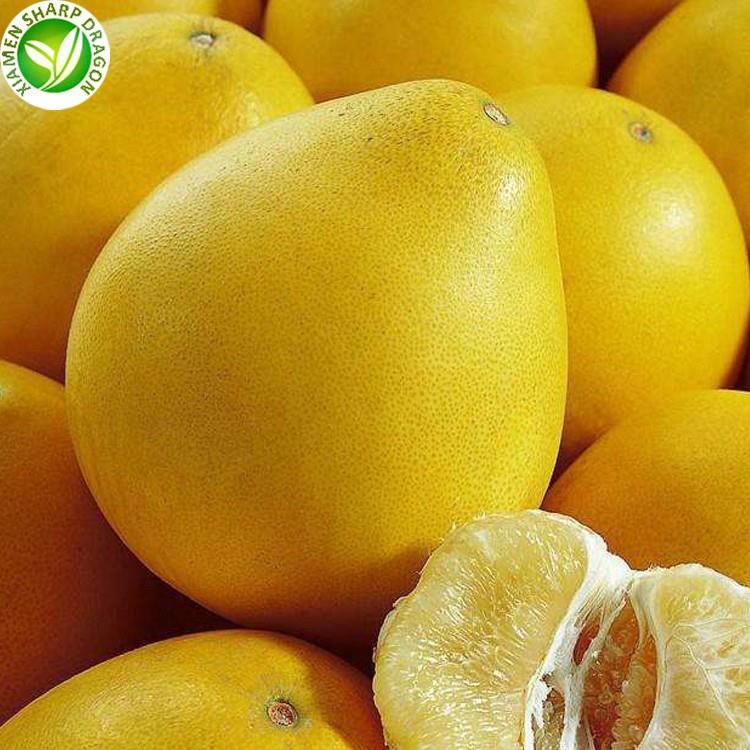
With a whole fruit, retain the seller's description and packaging information. With a jar, carton or bottle, photograph the front, ingredient panel and preparation directions. Include the back of the label even when the front seems unambiguous. A product named citrus tea may need a much more precise description before another person can understand which fruit materials it contains.
The words honey pomelo can describe a fruit name. They do not by themselves describe a beverage recipe. If the item is a drink base, establish whether the supplied information identifies pomelo flesh, juice, peel or a mixture with other ingredients. Write down what is declared. Where a translation is unclear, ask the seller to clarify the ingredient identity rather than silently replacing an unfamiliar name with grapefruit or orange.
At XMSD, we would separate a discussion of whole fresh honey pomelo from a discussion of a purchased beverage concentrate immediately. The same fruit word on two offers is not enough to make their descriptions interchangeable. This distinction also helps ordinary purchasing: a kitchen seeking fresh segments should not receive a proposal written around a sweetened drink base.
Resolve a translation before changing the name
An imported pack can present several names: a large brand name, a smaller product description, an English sticker and the original ingredient panel. Preserve those together when asking about the fruit. The marketing name may be memorable, but the ingredient declaration is the part needed to understand a blend. Cropping a photograph to show only the front can remove the detail that would settle the question.
If two descriptions appear inconsistent, identify the exact disagreement for the seller. For instance, a hypothetical front label says citrus drink while the supplied English ingredient sheet specifies pomelo juice. Ask which description belongs to the item code and current pack. The broad front name and the more specific ingredient can be compatible; the goal is to establish what is supplied, rather than replace every broad term with a guess.
For a purchasing file, retain the original wording beside the clarified English description. This gives the next colleague a way to match the explanation to the label on the delivery. Where the supplier sends a corrected document, use that version in the recipe record and make the earlier ambiguity visible to the people who were using it.
Once the food has been identified, pass the clarified description to the professional reviewing the medicine. Resolving the translation first makes that conversation more precise: the ingredient is known, and the remaining question concerns its compatibility with the treatment.

Give the pharmacist the missing context
The FDA's advice on talking with a pharmacist recommends sharing a complete record of prescription medicines, nonprescription products, vitamins, herbals and other supplements. Include changes to what you take. That record belongs with the healthcare professional; a fruit seller does not need your private treatment history to answer an ingredient question.
A useful question is concrete: my medicine information contains this warning, and this is the pomelo product I am considering. Ask what the instruction means for that product and what to do if you have already consumed it. Any question about separating food and medicine, changing treatment or responding to an accidental exposure should be resolved through medicine-specific advice, not a kitchen experiment.
For a shared household, make the answer usable by the person who shops and the person who prepares the food. Record the agreed food instruction in plain language, with enough detail to distinguish the product discussed. Keep it separate from informal messages about flavor or price. If another household member buys a different drink later, the original jar's photograph will show what was actually reviewed.
Example: a family checks a pomelo tea jar
Consider a hypothetical household in which one adult has a medicine pack carrying a grapefruit warning. A relative brings home a jar labeled honey pomelo tea. The jar's declared ingredients include pomelo, and the serving picture shows a diluted drink. The household has two concrete items to bring together: the medicine information and the complete jar label.
The tempting shortcut is to treat tea as a separate category from fruit and assume the warning no longer matters. Instead, the relative photographs both sides of the jar and its preparation directions, while the adult keeps the medicine pack available for the pharmacist. They defer consuming the pomelo product while obtaining advice. They now have the product identity and the treatment instruction together for review.
The household also keeps the jar in its original packaging during the check. Decanting it into an unmarked container would make the next conversation harder. If the ingredient list is partly hidden by an import sticker, the seller is asked for a readable copy. There is no need to guess the recipe from the spoonful shown in an advertisement.
After receiving medicine-specific advice, the household can apply it to shopping and preparation. If another brand replaces the jar, they can see that the product has changed. This small information habit is more useful than memorizing a claim about all teas, all citrus drinks or all people taking the same broad type of medicine.
Keep quantity information descriptive
A pharmacist may ask what was consumed, how much and when. Describe the actual event as clearly as possible, including uncertainty. A rough household recollection should remain a rough recollection. Turning an estimated spoonful into a precise gram value can create false confidence without adding reliable information.
Recipe arithmetic has a different job. If a hypothetical cafe uses 20 g of a concentrate for one serving, ten identical servings require 200 g of that concentrate before any waste. This calculation helps identify and order the ingredient. It does not reveal how much pomelo the concentrate contains unless appropriate composition information is available, and it does not establish a medically acceptable portion.
Keep those uses of numbers separate in the kitchen record. Ingredient weight, finished drink volume and number of portions describe preparation. A note such as 20 g concentrate in a finished 300 mL drink can help someone reproduce the recipe or explain what was served. It should never be relabeled as a safe allowance for a person with a medicine warning. The figures here are illustrative recipe inputs, not a product specification or consumption recommendation.
What a cafe can answer accurately
When a customer asks whether a dish contains pomelo, the first useful response is about the dish. Check the current recipe, including bought-in components and garnish. If the answer is yes, say so plainly. If the identity of a mixed fruit ingredient is unclear, explain that uncertainty and find the supplier information before giving a definite answer.
For food-service and catering applications, we would keep the ingredient description close to the recipe rather than relying on a menu photograph. A photo may show a garnish but omit the composition of a sauce or drink base. A recipe should name those components in a way the team can trace back to the actual packs in use.
This is also a practical handover issue. The buyer may recognize a supplier's item code, while the server recognizes only the menu name. Linking the two means a question can be answered during service without opening every container or guessing which delivery was used. The server can provide food facts; the customer and their healthcare professional decide how those facts fit a medical instruction.

Example: a citrus drink changes supplier
In this hypothetical cafe example, a recipe uses a purchased citrus concentrate and a separate fresh garnish. Its original recipe card lists 20 g of concentrate for each drink and identifies the garnish as pomelo. A new concentrate arrives under a similar sales name, prompting the manager to compare the supplied product with the ingredient currently named in the recipe.
The manager compares the new ingredient panel with the existing recipe before releasing the replacement for service. If the fruit blend differs, the recipe description and staff information need updating. Keeping the old name on the card would hide a real ingredient change even if the finished drink looked similar. The decision concerns accurate disclosure, not whether one concentrate has a better health reputation.
A customer then asks about pomelo because of a medicine warning. Staff can identify the garnish and read the current concentrate information. Removing the visible garnish alone would not resolve the question if the concentrate also contains pomelo. Where staff cannot establish the complete composition, they explain that limitation and offer information on another clearly identified option for the customer to consider.
The operational result is a traceable recipe and an honest answer. No staff member promises that an alternative is compatible with the customer's treatment. The same record also gives the next shift a consistent description, avoiding the situation in which one server calls the drink orange tea and another calls it pomelo tea because both names sound plausible.
Ask a supplier for the right document
A food inquiry should identify the item, pack and intended application. Ask for the current ingredient declaration for a compound product, or a clear fruit description for a whole-fruit offer. Include the product code or a photograph of the pack when available. These details let the supplier answer about the item actually being considered rather than a neighboring product in the range.
We would also clarify whether a question concerns the product as supplied or a recipe made from it. A supplier can describe the supplied ingredient, while a restaurant controls its additions and substitutions. An answer about the concentrate alone cannot describe a finished drink that also receives fruit juice, syrup and a garnish during preparation.
Our service information is a starting point for discussing product requirements. For this kind of query, an ingredient document is more useful than a general assurance about quality.
Ask for a readable version that identifies the product and keep it with the purchasing record. A document that belongs to another pack size or a previous recipe needs clarification before it is used to answer a question about today's item.

Make substitutions visible to the next person
A substitution is not finished when the purchasing team approves the price. Follow it through the food's name on the recipe, the pack used by the kitchen and the description available to staff. Where the ingredient has changed, revise those records together. Otherwise, a correct supplier document may sit in an inbox while the service team continues giving yesterday's answer.
For a simple internal record, place the current product name, supplier reference and label photograph beside the recipe date. Mark the replaced version as old so it is not mistaken for the current item. This is a suggested working method, not a statement that one particular format satisfies every labeling or food-service requirement in every market.
The important test is practical: can a colleague who did not place the order identify what is in today's drink? If the answer requires remembering an informal conversation, improve the record. Clear naming supports ingredient questions even when the person asking has no medical concern at all, such as a customer who simply wants to know which citrus fruit gives a drink its flavor.
Keep ordinary food choices in perspective
A medicine warning is a reason to make a precise food decision. Keep the restriction tied to the individual advice you receive. For broader meal planning, our discussion of fresh fruit and other fruit forms in a varied diet addresses a different question: choosing food forms that fit meals and practical use. Apply that general discussion within your own treatment instructions.
At home, that distinction can simplify shopping. Identify the food that needs checking, keep its label available and choose the rest of the meal within the advice already agreed with your healthcare professional. A product's marketing language about antioxidants or natural ingredients is not the information needed to interpret a grapefruit warning.
For a supplier or kitchen, the useful contribution remains concrete. Name the fruit correctly, disclose the current recipe components and make changes visible. For the person taking the medicine, bring those food details to the pharmacist alongside the exact treatment information. Each side then answers the question it is equipped to answer, and the final food choice rests on clear information rather than a reassuring product name.

For an XMSD food-product inquiry, send the product identity and intended application so we can review the food information you need.