


Honey Pomelo and Pomelo Tea: Benefits, Ingredients and Portions
Apr 26, 2020

Honey pomelo can be enjoyed as a fresh citrus fruit, with vitamin C and edible pulp contributing to a varied diet. Honey pomelo tea is a different product: its ingredients and the amount of concentrate used determine what ends up in your cup. The word honey in a fruit name does not mean the fresh fruit has been sweetened with honey, and a drink named after pomelo should not automatically inherit the fruit's nutrition profile.
For a fruit snack, start with the peeled flesh. For a drink, start with the ingredient list and preparation directions. If a concentrate contains honey or other sweeteners, include them when considering the drink's sugar content. Adding more water changes the concentration, but the amount of sugar remains the same if you drink the entire serving made from the same spoonful of concentrate.
Neither product should be chosen as a treatment for freckles, acne or another medical condition. There is a useful food decision to make without those promises: whether you want juicy fruit, a citrus-flavored drink, or a particular ingredient for a recipe. If your medicine carries a grapefruit warning, check pomelo with your pharmacist before consuming it; the FDA specifically includes pomelo among fruits that may cause similar interactions.
First identify what the name describes
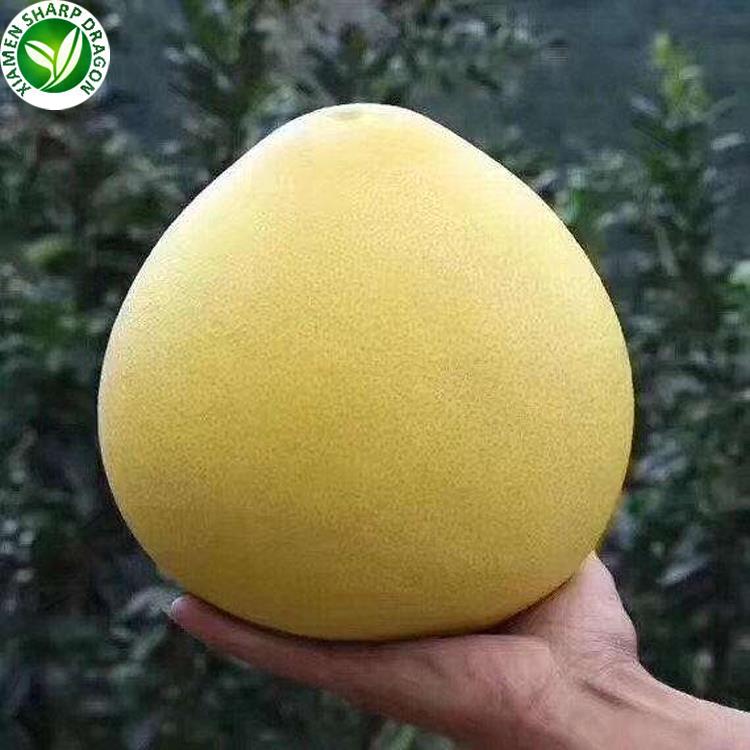
A whole honey pomelo is easy to recognize as fruit, but a jar or bottle needs closer reading. The product might contain fruit flesh, peel, juice, tea, honey, sugar or a combination. Use its declared ingredients to establish which of those are actually present. Do not infer a recipe from the words pomelo tea alone, or assume every citrus drink sold under a similar translated name uses the same fruit.
This matters before any health comparison.
Compare like with like: peeled fruit with peeled fruit, a concentrate with another concentrate, and a finished drink with another finished drink. A jar's label may describe the product as sold, while an illustration shows a cup after dilution. Those are different quantities. Keep the preparation directions beside the nutrition information until you know which one the figures describe.
We would resolve that identity question first when discussing an ingredient at XMSD. Fresh segments for a salad and a sweetened drink base solve different kitchen problems. Our fresh honey pomelo product information concerns the fruit form; it should not be read as a specification for a honey-sweetened beverage. A clear product description prevents a much longer discussion built around the wrong ingredient.
What fresh pomelo contributes
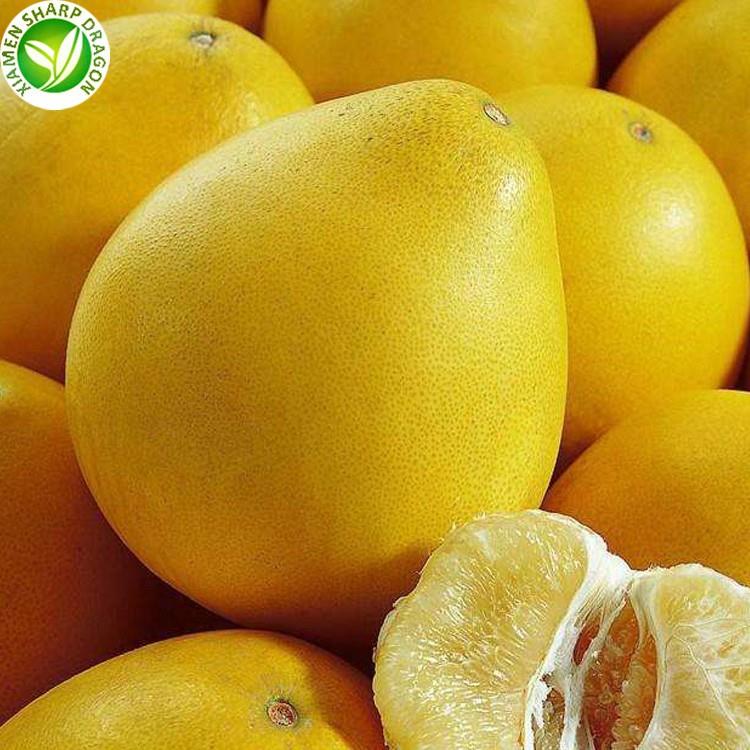
Hong Kong's Department of Health identifies pomelo as a source of vitamin C, water and dietary fiber, and describes the membranes around its segments as bitter and usually removed before eating. These are practical features of the fruit: edible flesh offers a juicy texture, while removing unwanted membrane helps prepare it for a fruit plate or salad.
Vitamin C has established functions in the body. The NIH Office of Dietary Supplements explains its role in collagen formation, antioxidant activity, normal immune function and improving absorption of iron from plant foods. Those functions explain why vitamin C belongs in a varied diet. They do not establish that eating a particular pomelo or drinking a particular tea will clear a skin condition.
The amount in your own portion requires an appropriate food value or product declaration. A fruit's total purchased weight includes material you may discard, so it is not the same as the weight of flesh you eat. Weigh edible portions if you need a measured comparison. The useful result is a clearer understanding of the food on the plate, rather than an impressive nutrient total calculated from the entire unpeeled fruit.

Why a cup of tea is a separate nutrition question
A drink recipe can contain only a small amount of pomelo relative to the finished cup. It may also include sweeteners and other ingredients. If you want to know its vitamin C content, use information for that finished product or preparation. A raw-fruit nutrient figure cannot tell you how much remains in a spoonful of a processed concentrate after dilution.
Processing and storage belong in that comparison. NIH notes that cooking and prolonged storage can reduce vitamin C in foods. That is a reason to seek relevant product information, not to assign every hot drink a guessed loss percentage. The temperature, preparation and product composition differ. Without matching evidence, a precise vitamin figure for a cup would create certainty that the available information does not provide.
Enjoyment is still a valid reason to choose a drink. You may like its citrus aroma, sweetness or the ritual of preparing it. Describe those features plainly and assess whether the recipe fits your routine. Compare a small sample at the temperature you normally serve it. Notice the balance of citrus flavor and sweetness, then choose the preparation you would actually want to drink again.
Honey still counts when it sweetens a drink
Honey contributes sugars even when its flavor is the reason you choose it. The FDA includes honey among added-sugar sources when explaining the U.S. Nutrition Facts label. Total sugars include both naturally occurring and added sugars; the added amount is already included within the total. On other markets' labels, check the locally applicable declaration and the full ingredient list.
The recipe determines how much you consume.
A lightly flavored cup and a strongly sweetened cup may start from the same jar. Measure the concentrate you normally use once, then compare that amount with the label's serving size. An ordinary household spoon is a serving tool, but it is not automatically the weight specified on the label. A level spoon and a generous heaped spoon can produce different drinks.
Also account for anything added separately. A recipe made with concentrate, extra honey and a sweetened mixer contains more than the concentrate alone. When you want a less sweet drink, begin by adjusting the actual sweetening ingredients and tasting a small preparation. A different cup size or a more generous water pour changes the experience, but may leave the total sugar from the recipe unchanged.
Worked example: dilution changes concentration, not the total
Consider an illustrative drink concentrate with an invented label value of 60 g of total sugars per 100 g of concentrate. A recipe uses 20 g of this concentrate. The sugar contributed is 20 g multiplied by 60/100, which equals 12 g. These figures are hypothetical and are not XMSD product specifications or recommended serving amounts.
In the first preparation, the concentrate is diluted to a final volume of 250 mL. Its 12 g of sugar is equivalent to 4.8 g per 100 mL. In a second preparation, the same 20 g of concentrate is diluted to a final volume of 400 mL. The drink now contains 3 g per 100 mL, but the full 400 mL still contains 12 g from the concentrate.
That distinction changes the decision. If the person drinks the whole cup, making it larger has not reduced the sugar supplied by the original spoonful. Reducing the concentrate to 10 g would supply 6 g of sugar under the same hypothetical label, before any other ingredients are added. The next step is to taste whether that smaller amount still gives an enjoyable drink, or choose another preparation.
Use the final drink volume in this calculation. Adding 250 mL of water to concentrate is not necessarily identical to making the finished drink up to 250 mL. In a cafe recipe, record the method as well as the quantity so a second person can reproduce it. Keep these calculations separate from nutrition claims that would require an appropriate declared or measured value for the actual product.
For a repeatable tasting, keep the cup, preparation method and serving temperature consistent while changing the concentrate amount. Otherwise, a warmer sample or a different dilution can obscure what the recipe change achieved. Record the version you prefer in grams of concentrate and final drink volume. A note such as one large spoon in a mug is harder for another person to reproduce and harder to compare with the product label.
Separate food benefits from treatment promises
The question to ask of a strong health claim is simple: what was actually tested? Evidence about a nutrient's normal role answers a different question from a clinical trial of a particular food used to treat a diagnosed condition. A familiar ingredient, a traditional use and a scientific-sounding explanation do not by themselves establish that treatment result.
For example, the link between vitamin C and collagen formation does not tell you that honey pomelo tea will fade freckles. To support that conclusion, the drink, amount, people studied and skin outcome would need relevant evidence. A statement about the function of vitamin C is narrower. Keeping that distinction clear allows you to appreciate fruit as food without expecting it to perform like a tested treatment.
This also helps when comparing packages or online descriptions. Prefer specific information about the ingredient, serving and preparation over a long list of unrelated benefits. If a claim concerns a medical condition, discuss that condition with an appropriate clinician rather than choosing a drink on the promise. For everyday shopping, return to the food's actual composition and the way you intend to use it.
Choose the flesh for the dish you want to make
Pomelo flesh can vary in color and eating character. University of Florida IFAS describes white, pink, pale yellow and reddish flesh, with flavor ranging from sweet to acid. The color therefore identifies a visible characteristic, not a complete sensory specification. Look at the flesh and try the prepared fruit when the sweetness, acidity or firmness matters to your dish.
For a fruit plate, intact pieces and a pleasant bite may be the priority. For a mixed salad, you may prefer smaller pieces that distribute through the other ingredients. A sauce or drink preparation asks another question: how the fruit or prepared ingredient behaves after mixing. Decide which result you need before choosing solely by the size or appearance of the whole fruit.
We would assess peeled flesh in the intended application rather than approve a sample only from its outside appearance. Record how much usable flesh you recover and how the pieces hold together during preparation. Those observations give a cook or purchasing colleague something useful to compare. An attractive peel can matter for retail presentation, but the dish is made from the edible portion.

Example: a cafe chooses a garnish and a drink separately
Imagine a cafe developing a pomelo salad and a citrus drink. This is a hypothetical application scenario. The salad needs 50 g of usable pomelo flesh per plate, and the planned trial covers ten plates. The drink trial compares two measured amounts of a labeled concentrate. Ordering one product under the loose description honey pomelo for both tasks would leave the cook and barista working from different assumptions.
The cafe separates the specifications. For the salad, it needs 500 g of usable flesh for the trial, plus any allowance it chooses to assess separately for preparation loss. It prepares a sample, weighs the edible recovery and checks the pieces in the dressed salad. For the drink, it records concentrate weight, final volume and any added sweetener, then compares the finished cups.
Suppose the fruit pieces taste good but break apart during mixing, while the stronger drink is unnecessarily sweet. The next trial uses a gentler salad mixing method and the lower concentrate amount. These are separate actions with observable results: piece integrity in the salad and an acceptable drink flavor. Neither trial establishes a health effect, and the concentrate's nutrition information remains separate from the raw fruit's.
For similar menu work, our foodservice and catering information can help frame the ingredient discussion around the actual preparation. Describe the part of the fruit used, the desired piece condition and the serving method. That is more useful than asking for a product to meet a broad benefit claim that the kitchen cannot evaluate during a sample trial.

Keep two important exceptions in view
Pomelo needs particular attention when medicines carry a grapefruit warning. The FDA advises that pomelos may have the same effect as grapefruit juice and says not to eat these fruits if your medicine interacts with grapefruit. Ask your pharmacist about the specific medicine and the pomelo-containing product you have. A sweetened drink or a small serving should not be assumed to bypass that warning.
Honey is a separate issue for infants. The CDC says not to give honey to children younger than 12 months because it can cause infant botulism. That includes adding honey to food or water. A honey-containing pomelo drink is therefore not an infant feeding option. The word honey on a whole-fruit variety name should prompt you to identify the food correctly, rather than confusing unsweetened fruit with an ingredient containing actual honey.
These exceptions concern different ingredients and different decisions. Keep the fruit identity and complete drink ingredient list available when asking for advice. Select an alternative with the pharmacist if a medicine warning applies, and leave honey-containing drinks out of infant feeding. Clear ingredient information makes those choices easier for everyone serving the food.
Compare usable portions when judging value
With a whole pomelo, purchase weight and edible yield are separate. A large fruit can look economical while still requiring peeling and preparation. With a concentrate, jar weight and the number of drinks produced are separate. Compare the quantity that serves your intended purpose, including the amount you actually use each time. This makes the price discussion more relevant to a household or a small food business.
Keep preparation effort visible as well. A whole fruit offers flexibility over how the flesh is separated and served, but someone must do that work. A prepared ingredient may be convenient for one recipe while less suitable for another. A sample trial lets you observe those differences before committing to a large quantity, without assuming that the most convenient format will always be the best value.
Our service information is a useful starting point for a product discussion once those requirements are defined. State whether you mean whole fresh fruit, prepared flesh or a formulated drink ingredient, and ask about that exact form. Include the intended preparation and quantity in that discussion so the response can address the product and application you actually require.

Make the next purchase match your purpose
If your aim is a fruit serving, look at the edible pomelo flesh and how you will prepare it. If your aim is a citrus drink, read the recipe or product label and consider the amount of concentrate in the whole cup. For the broader choice among fruit formats, our guide to fresh and preserved fruit in a healthy diet explains how ingredients, portions and practical use fit together.
You may enjoy both fresh pomelo and an occasional pomelo-flavored drink. They do not need to be nutritionally identical to have a place in your food choices. Keep the benefit description close to what each product actually offers: fruit flesh and its nutrients, or a drink with a particular flavor and recipe. That gives you a sounder basis for buying than the promise of a treatment in a cup.
For an XMSD product review, send the ingredient, preferred cut and intended application, together with your intended fruit serving and preparation requirements.
References
- Hong Kong Department of Health: Pomelo, food characteristics
- NIH Office of Dietary Supplements: Vitamin C fact sheet for consumers
- U.S. FDA: Added sugars on the Nutrition Facts label
- University of Florida IFAS: Pummelo
- U.S. FDA: Grapefruit juice and some drugs do not mix
- U.S. CDC: Foods and drinks to avoid or limit, honey before 12 months