


Purple Onion vs White Onion: Key Differences | XMSD
Feb 14, 2019

Purple onion-usually sold as red onion-and white onion can often replace each other, but they do not look or behave exactly the same. The clearest difference is pigment. Flavor, sweetness, pungency, texture, and storage performance also vary, yet those qualities depend on the cultivar, season, maturity, and handling as well as color.
The short answer: Choose purple onion when visible color and a crisp raw garnish matter. Choose white onion when you want a clean onion appearance and a flavor that can mellow readily during cooking. Do not assume every white onion is sweeter or every purple onion is stronger; variety and crop condition can reverse that expectation.

Purple Onion and White Onion at a Glance
Color is useful for presentation, but it is only a starting point. Utah State University Extension lists bulb color, flavor, shape, and market use as separate varietal traits. That is why two purple onions can differ from each other, and why a mild white cultivar can taste different from a more pungent white storage onion.
| Decision point | Purple/red onion | White onion |
|---|---|---|
| Appearance | Purple-red skin and colored outer flesh layers | White or cream skin and pale flesh |
| Typical raw role | Salads, sandwiches, pickles, garnish | Salsa, salads, sandwiches, fresh preparations |
| Typical cooked role | Grilling, roasting, stir-fries where some color is welcome | Sautéing, sauces, soups, stir-fries, fillings |
| Reliable rule? | Color does not guarantee mildness or pungency | Color does not guarantee sweetness or storage life |

The Biggest Difference Is Color, Not Guaranteed Sweetness
Purple or red onions contain anthocyanin pigments in their colored layers. White onions have little of this red-purple pigment. That is a compositional difference, but it does not justify saying that one color prevents disease, lowers blood sugar, or lowers blood pressure. Research on onion compounds includes laboratory, animal, observational, and limited human evidence, and those findings should not be turned into a treatment claim for an ordinary serving of onion.
Sweetness and pungency are more complicated. Onion variety, growing conditions, season, dry matter, storage, and preparation all influence what a diner perceives. A purple onion may be mild enough for a salad or sharp enough to dominate it. A white onion may taste crisp and assertive when raw, then become much softer and sweeter-tasting as it cooks.
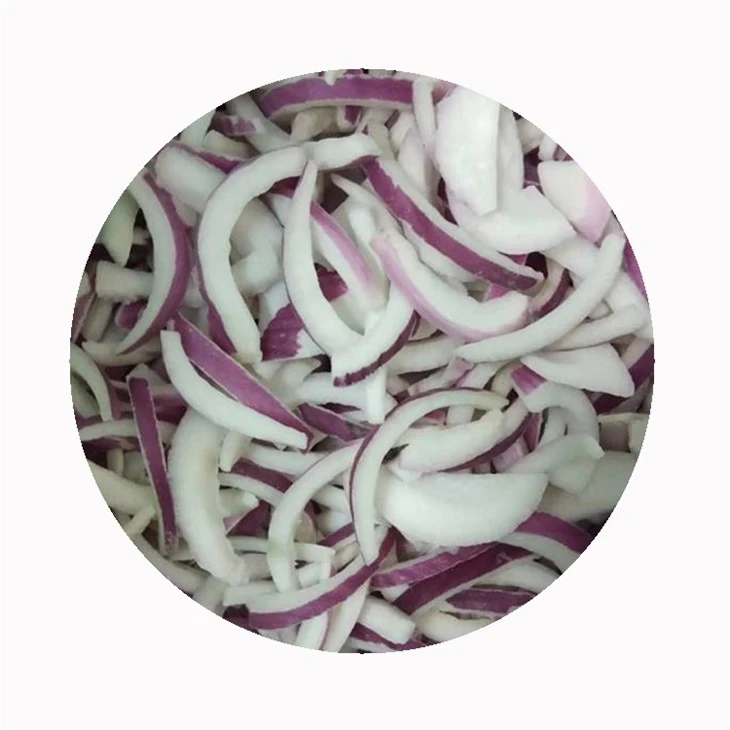
Which Onion Is Better Raw?
Both can be eaten raw. Purple onion is often chosen because thin slices add contrast to salads, sandwiches, burgers, relishes, and pickles. White onion gives a pale, crisp result and is common in salsa, chopped toppings, deli salads, and other preparations where a clean onion flavor is wanted.
How to reduce a sharp raw bite
Slice the onion shortly before serving and taste the actual batch. If it is too assertive for the dish, rinse or briefly soak the slices in cold water, drain them well, and taste again. This can soften the immediate bite, but it may also remove some aroma and flavor. For pickles, keep the acid, salt, and storage method consistent rather than expecting onion color alone to deliver the same result.
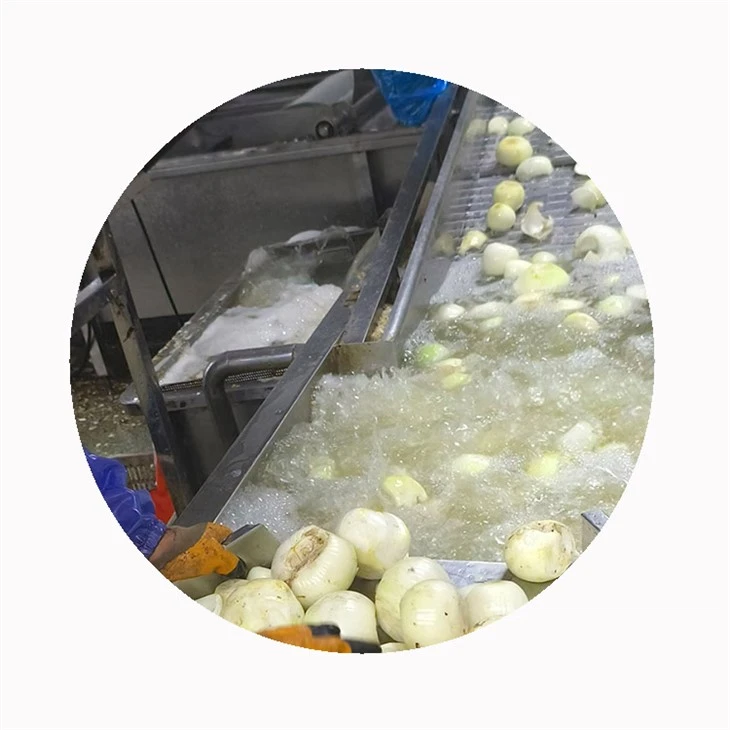
Which Onion Is Better for Cooking?
White onion is a practical default for sauces, soups, fillings, stir-fries, and sautéed bases when the final dish does not need purple color. Purple onion works well for grilling, roasting, kebabs, pickled toppings, and quick-cooked dishes where its color is part of the presentation.
Cooking changes both. Longer, gentler heating softens sharp onion character and develops a sweeter-tasting, savory result. Purple pigments can fade, brown, or shift with heat and acidity, so a cooked purple onion may not retain the bright appearance of a raw slice. In a heavily seasoned stew or sauce, the difference between the two colors may be much less noticeable than the difference in cut size and cooking time.

Can You Substitute One for the Other?
Usually, yes. For a cooked dish, use the same prepared quantity and then adjust after tasting. For a raw garnish, consider whether the color and bite fit the presentation. White onion will not provide the purple contrast of red onion, while purple onion can tint pale salads, sauces, or pickling liquid.
The substitution is less predictable when the recipe depends on a named sweet-onion cultivar, a precise pickling color, a controlled foodservice specification, or a fixed solids and moisture target. In those cases, test the actual lot rather than substituting by color label alone.
Storage note: Keep cut onion refrigerated in a covered container, and follow the product label for pre-cut commercial packs. FDA guidance recommends keeping the refrigerator at 40°F (4°C) or below. Temperature control is a safety issue; drying, discoloration, and aroma loss are separate quality concerns.

Fresh Bulbs vs Frozen Onion Cuts
Fresh bulbs are the better fit when the buyer needs whole-onion appearance, fresh slicing, raw garnish, or control over the final cut. Frozen cuts are designed for cooked applications where reduced preparation labor, portioning, and a specified cut form matter more than raw crispness.
At XMSD, we keep these procurement directions separate. Buyers can review our IQF frozen onion slices for cooked applications, while the linked fresh bulb pages show the presentation of whole white and red onions. Frozen onion should not be described as identical to a fresh raw garnish: thawing and cooking change texture and water release.
What B2B Buyers Should Specify
Color names are too broad for a reliable purchase specification. A useful inquiry should identify the onion type, intended application, fresh or frozen format, whole-bulb size or cut size, defect tolerance, packing format, destination requirements, and the quality attributes that will be checked on arrival or in a production trial.
- For fresh bulbs: color, size grade, firmness, skin and neck condition, sprouting, damage, packing ventilation, and expected arrival condition.
- For frozen cuts: onion color, cut geometry, size tolerance, piece integrity, clumping, foreign-material control, packing format, and cooking performance.
- For a finished product: raw or cooked use, visible color, target flavor intensity, texture after processing, and acceptable water release.
We recommend evaluating a representative sample in the buyer's actual recipe. A short specification and application test reveal more than a general promise that one onion color is always sweeter, milder, or stronger. Buyers who need a destination-specific pack can also review our frozen packaging approach before confirming the commercial requirement.

XMSD sourcing note: Tell us whether you need fresh purple/red bulbs, fresh white bulbs, or frozen onion cuts, together with the application, size, packing, destination, and sample-review priorities. We can then discuss the relevant specification rather than treating color as the only purchasing criterion.
Frequently Asked Questions
1. Is purple onion the same as red onion?
Usually, yes. "Purple onion" is a common description for the category typically sold as red onion. Individual cultivars can range from reddish to deep purple on the outside and in the colored flesh layers.
2. Is white onion always sweeter than purple onion?
No. Color does not guarantee sweetness. Cultivar, season, maturity, water and dry-matter characteristics, storage, and cooking all affect perceived sweetness and pungency.
3. Which onion is more pungent?
Either can be pungent. Taste the actual lot when flavor intensity matters. A color-based rule is not reliable enough for recipe development or procurement.
4. Which onion is better for salad?
Purple onion adds strong visual contrast, while white onion gives a paler, crisp appearance. The better option depends on the actual batch's bite, the salad color, and whether the recipe includes an acidic dressing or pickling step.
5. Which onion is better for frying or stir-frying?
Both work. White onion is a neutral visual fit for many sauces and stir-fries. Purple onion is useful when some color should remain visible, although extended heat can dull that color.
6. Can purple onion replace white onion in salsa?
Yes, but the salsa will look different and may taste sharper or milder depending on the onion. Start with the same prepared amount, then adjust after tasting.
7. Why does purple onion lose color when cooked?
Its anthocyanin pigments respond to heat and the chemical environment of the dish. Cooking time and acidity can change the final shade, so raw color should not be used as a guarantee of cooked appearance.
8. Is purple onion healthier than white onion?
Purple onion has more visible anthocyanin pigment, but "healthier" is too broad for a color-only verdict. Portion, the complete diet, preparation, and individual needs matter, and pigment research does not prove that a serving of purple onion treats or prevents disease.
9. Can people with diabetes use either onion?
Onion can be part of many meals, but it should not be presented as a blood-glucose treatment. People managing diabetes should consider the complete meal, portion, medication plan, and advice from their qualified healthcare professional.
10. How should cut onion be stored?
Refrigerate it promptly in a covered container and keep the refrigerator at 40°F (4°C) or below. Follow the label for pre-cut commercial products and discard onion that has been mishandled or shows clear signs of spoilage.
11. Does soaking onion remove all pungency?
No. A cold-water rinse or brief soak may soften the immediate bite, but the result depends on slice thickness, time, and variety. It can also reduce some onion aroma.
12. Are frozen onion slices suitable for raw salads?
They are generally better suited to cooked applications. Freezing and thawing change texture, so a fresh bulb is normally the more appropriate format for a crisp raw garnish.
13. What should an importer include in an onion inquiry?
State the onion color and format, intended application, whole-bulb size or frozen cut size, packing, order quantity, destination, required documents, shipment timing, and the quality points to be evaluated in the sample.
Final Thoughts from XMSD
Purple and white onions differ most reliably in pigment and appearance. Their flavor and performance overlap more than simple rules suggest. For cooking or sourcing, choose by the actual cultivar, lot, cut, application, and quality specification-not color alone.
References
- Utah State University Extension: Onion Types and Varietal Selection
- Onion Anthocyanins: Extraction, Stability, Bioavailability, Dietary Effect, and Health Implications
- National Onion Association: Layers of Nutrition and Flavor Toolkit
- U.S. Food and Drug Administration: Are You Storing Food Safely?
- XMSD operational experience in fresh-onion sourcing, frozen-onion processing, product specification, packing, and B2B export coordination.