


Blueberry Benefits: Nutrition, Anthocyanins and Buyer Guide | XMSD
Mar 28, 2019

Blueberries provide carbohydrate, fiber, vitamin C, vitamin K, manganese and anthocyanin pigments. Those components make the fruit useful in a varied diet and attractive in frozen, dairy, bakery and beverage applications. They do not prove that one serving prevents memory loss, protects eyesight by a fixed percentage or eliminates heart-disease risk.
The short answer: USDA FoodData Central lists 100 g of raw blueberries at about 57 kcal, 14.49 g carbohydrate, 9.96 g total sugars, 2.4 g fiber, 9.7 mg vitamin C, 19.3 micrograms vitamin K and 0.336 mg manganese. Human research on blueberries and anthocyanins is promising for some vascular outcomes, but results vary by product, dose, population and endpoint.
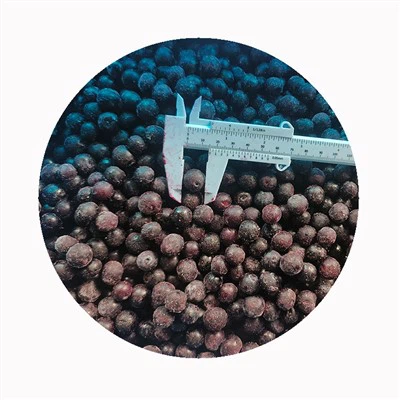
If you are sourcing a frozen ingredient, separate nutrition from lot performance. The XMSD frozen blueberry range illustrates why you must identify berry species, cultivated or wild type, size, ripeness, Brix, bloom, defect tolerance, frozen condition and intended application before comparing two offers.

Blueberry Nutrition per 100 Grams
The table uses USDA FoodData Central record 171711 for raw blueberries. It is a food-composition reference, not a certificate for every crop or frozen lot. Cultivar, berry size, maturity, growing conditions, harvest timing and storage can change composition. Freezing, thawing, juice loss and formulation change the basis used for a finished product.
| Nutrient | Per 100 g raw | Interpretation |
|---|---|---|
| Energy | 57 kcal | Plain raw fruit, not sweetened puree or bakery filling |
| Carbohydrate | 14.49 g | Main energy-bearing macronutrient |
| Total sugars | 9.96 g | Naturally occurring; added sugar is a separate field |
| Dietary fiber | 2.4 g | Whole berries differ from clarified juice |
| Protein | 0.74 g | A small contribution |
| Total fat | 0.33 g | Added ingredients can change the finished value |
| Vitamin C | 9.7 mg | Sensitive to time, oxygen and process |
| Vitamin K | 19.3 micrograms | Consider consistency for relevant medication advice |
| Manganese | 0.336 mg | Useful reference, not a lot certificate |
Read the table as a starting point. A database record can support early formulation and a plausibility check, but the final label needs the correct food state, serving, ingredient list, recipe yield and regulatory rounding. A plain IQF berry and a sugar-infused or yogurt-coated product are not the same food.
Brix is also not identical to the USDA total-sugar value. A refractometer estimates soluble solids in juice expressed as degrees Brix, while a nutrient table reports grams of total sugars per food weight. Use Brix for maturity, flavor and specification control; use an approved calculation or analysis for nutrition labeling.
Before artwork approval, record the product code, food state, source record or test report, serving weight, formulation, unrounded calculation and final rounding rule. That evidence chain shows whether a difference comes from the berry, thaw loss, added ingredients or inconsistent measurement bases.
Anthocyanins Explain Color, Not a Guaranteed Health Outcome
Anthocyanins are plant pigments that contribute blue, purple and red color. Blueberries contain several anthocyanin forms, but concentration varies across species, cultivars, maturity and analytical method. A dark berry can indicate pigment, yet surface color alone cannot quantify an anthocyanin dose.
Laboratory antioxidant tests measure chemical behavior under test conditions. They do not show directly that eating a portion prevents disease in a person. Human trials and systematic reviews are more relevant, but they still differ in berry format, dose, anthocyanin content, duration, population, control product and outcome.
A 2026 systematic review and meta-analysis reported preliminary support for improved vascular function in healthy participants while finding no overall cognitive benefit. Earlier reviews found mixed cognitive results and emphasized study differences. The responsible conclusion is that research continues; it is not proof that blueberries universally improve memory.
For product communication, describe the fruit and verified nutrients before discussing emerging research. Avoid a numeric risk reduction unless the exact claim, population, dose and legal conditions are established. The earlier 38% statement about age-related macular degeneration has no supporting source in the supplied text and should not be repeated.
The same applies to heart claims. Reviews of anthocyanin-rich foods report effects on some biomarkers, but a berry serving does not guarantee prevention of a clot or heart disease. Present blueberries as one food within a varied dietary pattern, not as a substitute for medical prevention or treatment.
When pigment matters commercially, define what you are measuring. Whole-berry surface color, expressed juice color and anthocyanin concentration answer different questions. A processor may need strong color release in a smoothie but low migration in white yogurt. Request a sample, use the actual matrix, hold it for the intended time and photograph the result under consistent lighting. If a numeric pigment target is required, name the analytical method and reporting basis. That approach turns a broad antioxidant story into an acceptance decision that both parties can repeat.

What Blueberries Can Contribute in a Normal Diet
Whole berries provide fiber with natural sugars
The 2.4 g fiber and 9.96 g total-sugar values belong to 100 g of raw whole fruit. Fiber contributes to normal bowel function within an adequate diet, but it does not justify saying blueberries prevent constipation. Juice, syrup, sweetened puree and bakery filling can have different fiber, sugar and serving profiles.
Vitamin C and manganese make modest contributions
Vitamin C contributes to collagen formation, antioxidant protection, non-heme iron absorption and normal immune function. Manganese participates in normal enzyme systems. Blueberries contribute both, but the amounts and claim eligibility must be assessed against the actual product and destination rules.
Vitamin K is relevant to consistency, not alarm
Vitamin K has a normal role in blood clotting. People using warfarin or another vitamin-K-sensitive treatment are generally advised by clinicians to keep intake consistent rather than making abrupt changes. An individual medication question belongs with a qualified clinician, not a universal warning on a berry article.
Low energy density depends on the finished food
Plain raw blueberries provide 57 kcal per 100 g and contain substantial water. That does not make every blueberry product low calorie. Drying removes water, and sugar, chocolate, pastry, sauce or yogurt coating can dominate the final nutrition profile.

Fresh, IQF, Wild, Cultivated, Juice and Powder Are Different
Fresh and frozen blueberries may start with the same fruit, but their commercial behavior differs. IQF berries are frozen individually for storage and portioning. Thawed fruit becomes softer and can release colored juice. That can be useful in blending and bakery applications but may be a defect for a clean visible topping.
Wild-type berries are often smaller and can have a different skin-to-pulp ratio and pigment profile than cultivated highbush fruit. Species, origin and size therefore matter to both appearance and formulation. Do not attach one anthocyanin number or berry count to every blueberry product.
Plain IQF frozen blueberries can reduce sorting and preparation work, but they still require a defined defect standard and cold chain. A flavor-focused blueberry specification needs Brix, acidity and sensory criteria rather than an adjective alone.
Juice removes much of the whole-fruit structure. Puree may retain skins and seeds depending on the process. Freeze-dried powder is concentrated and can be standardized differently. A human study using powder or concentrate cannot be translated automatically into the same dose of frozen whole berries.
For a nutrition label, state whether the value applies frozen, thawed, drained or prepared. For an application trial, use the same thaw time, temperature, mixing sequence and hold period. Blueberry color can migrate over time, especially in dairy and bakery matrices, so the immediate appearance is not the whole result.

What Freezing Changes and What It Does Not
Freezing is a preservation method, not a step that creates health benefits. It slows many deterioration reactions and supports longer storage, but it does not make every berry equal to its fresh state. The starting crop, harvest maturity, time before freezing, washing, sorting, freeze rate, storage temperature and thawing method all shape the finished result.
Ice crystals can disrupt cell structure. Once thawed, some berries soften and release pigmented liquid. The released juice still belongs to the food, but the usable yield changes if a processor drains it away. A per-100-g result calculated on frozen fruit can therefore differ from a drained-solids result even without a chemical loss in the same proportion.
Vitamin C is sensitive to oxygen, time and processing. Anthocyanin measurements also vary with storage, extraction and analytical method. That uncertainty does not mean frozen berries lack these components. It means a precise preservation percentage requires a defined starting material, method, time and end point. Use a product-specific test when a claim or formulation threshold makes the number commercially decisive.
Temperature history often appears first as a physical defect. Loose, free-flowing berries indicate better separation than a solid block, while frost, clumping, shriveled surfaces, torn skins and leaked color can point to handling stress. These signs do not prove a specific temperature excursion by themselves, but they justify deeper review of records, inner packs and multiple cartons.
Choose the thaw method from the application. Direct-from-frozen blending may minimize handling. Refrigerated thawing can support a controlled dairy trial. Room-temperature hold can exaggerate drip and safety risk. Record the berry-to-product ratio, time, temperature and mixing method so two suppliers are judged under the same conditions.

Safety and Claim Limits
Blueberry allergy is possible even though it is not among the most common food allergies. Itching, swelling, hives, vomiting, wheezing, dizziness or breathing difficulty requires appropriate medical attention. A previous tolerance does not justify a universal allergen-free promise, and cross-contact depends on the actual facility.
Frozen fruit is not ready-to-eat by definition in every market or process. Pathogen risk, pesticide residues, foreign material and sanitation controls require product-specific assessment. Define intended use, microbiological criteria, testing plan, supplier controls and any consumer preparation instruction.
Claims about cognition, vision, cardiovascular disease, diabetes or cancer need much stronger evidence and regulatory review than a general nutrient statement. An observational association, biomarker change or small intervention does not authorize a disease-prevention promise on a food label.
Worked example: The USDA cup weight for raw blueberries is 148 g. Using the per-100-g reference, energy is 148 g x 57 kcal / 100 g = 84.36 kcal. Carbohydrate is 21.45 g, total sugars are 14.74 g, fiber is 3.55 g, vitamin C is 14.36 mg and vitamin K is 28.56 micrograms before regulatory rounding.
Those figures apply to the matched raw-fruit reference. A smoothie, yogurt or bakery product needs every ingredient and the final serving yield. If the frozen product has an approved calculation or analysis, use that evidence and document the food state.
Frozen Blueberry Buyer Checks
Start with species or commercial type, origin, crop year and intended application. Then define size range, ripeness, color, natural bloom, Brix, acidity if relevant, stems, leaves, unripe fruit, damaged fruit, mold, foreign berries, broken or leaking berries, clumping and ice. Write how each defect is sampled and counted.
Berry size changes piece count and visual distribution. Large cultivated berries can make a premium topping but may be less uniform in a small yogurt cup. Smaller berries can distribute more evenly and release more color. The right size is application-specific, so review a weighed sample in the finished matrix.
Natural bloom is the pale waxy coating visible on many blueberries. It can be a useful appearance cue, but it is not a safety certificate. Excess frost, surface dehydration, heavy clumping and leaking pigment can signal damaged fruit or temperature history. Inspect several cartons and inner bags, not one attractive top layer.
Sampling determines whether the defect result is credible. Define how many cartons, inner bags and test portions are selected across the lot. State the sample weight, frozen or thawed condition, sieve or tray, lighting, scale and caliper. Photograph borderline categories. Without a shared method, a 5% defect limit can produce two different answers.
Keep defects mutually understandable. An undersize whole berry is not the same as a broken berry; frost is not the same as foreign ice; natural bloom is not mold. Define stems, leaves, unripe fruit, damaged fruit, decay, foreign berries and extraneous matter with visual references and counting rules. The consequence is fewer disputes during pre-shipment and arrival inspection.
Use the actual pack in the trial. A five-kilogram foodservice bag can experience more compression and repeated opening than a 400 g retail pouch. Measure net weight, seal integrity, liner condition, carton strength, code readability and pallet stability. Packaging performance is part of usable berry quality, especially after ocean transport and frozen warehousing.
For commercial discussion, review the IQF blueberry product specification together with the frozen blueberry offer page. Price only becomes comparable after product type, grade, packing, quantity, season, documents and delivery basis are aligned.
| Decision | Evidence | Risk signal |
|---|---|---|
| Approve visual grade | Size, color, defect method and approved sample | Unripe berries, stems, leaking fruit or excess frost |
| Approve flavor | Brix, acidity and application sensory trial | Flat, fermented, bitter or overly sour profile |
| Approve nutrition | Matched source, serving and controlled calculation | Raw values copied to sweetened or dried product |
| Approve shipment | COA plan, traceability, packing and frozen checks | Clumping, damaged cartons or missing records |
Documents must follow the actual facility and product scope. Review certificate holder, standard, scope and validity; microbiological and pesticide-residue plans; traceability; origin; COA format; packing; label responsibility; and cold-chain records. Keep controlled copies with revision dates.

Practical example: A yogurt buyer compares two cultivated-blueberry lots for a 150 g cup. Lot A averages 16 mm with attractive whole berries but releases heavy purple juice after a 24-hour refrigerated hold. Lot B averages 12 mm, distributes more evenly and shows lower color bleed under the same trial.
If the product promise is visible berry distribution without staining the white base, lot B is the stronger choice even if lot A looks better frozen. The action is to approve the finished-yogurt reference, specify size and leaking-fruit limits, and define the hold test used for future lots.
Frequently Asked Questions
1. How many calories are in 100 g of blueberries?
USDA FoodData Central lists about 57 kcal for 100 g of raw blueberries. A sweetened, dried, coated or formulated product can be much higher.
2. Are frozen blueberries as nutritious as fresh?
Frozen blueberries can remain nutritious, but exact values depend on crop, storage, thawing and measurement basis. Use the product's approved calculation or analysis for a label rather than a universal equivalence claim.
3. Do blueberries improve memory?
Research is mixed and differs by berry form, dose, duration and population. A recent meta-analysis did not find an overall cognitive benefit in healthy individuals, so a guaranteed memory claim is not justified.
4. Why do frozen blueberries bleed color?
Freezing and thawing damage some cell structure, allowing pigmented juice to escape. Variety, ripeness, freeze rate, temperature history and handling affect the result, so test the actual berry in the intended matrix.
5. What should a frozen blueberry RFQ include?
Include berry type, origin, size, Brix, defect limits, packing, quantity, application, thaw or hold test, destination, certificate and testing needs, label responsibility and delivery plan.
XMSD sourcing note: Tell us the blueberry type, size, Brix, defect tolerance, packing, destination, application trial and document list. We can review a suitable IQF blueberry specification and sample plan for the current project.
References
- USDA FoodData Central: Blueberries, raw, food record 171711
- PubMed: Blueberry consumption, vascular function and cognitive abilities, systematic review and meta-analysis
- PubMed: Blueberry interventions on cognitive performance and mood, systematic review
- PubMed Central: Anthocyanins, anthocyanin-rich berries and cardiovascular risks, systematic review and meta-analysis
- NIH Office of Dietary Supplements: Vitamin K Fact Sheet for Health Professionals