


Snow Pea Nutrition: Edible Pods and Their Place in a Meal
Aug 19, 2021

Snow peas add an edible green pod, some fiber and vitamin C to a meal. Their small seeds are eaten with the tender pod, so a portion is quite different from a bowl of shelled peas or cooked dried beans. Think of them as a vegetable component that brings freshness and a distinct bite, rather than a concentrated protein food or a remedy for a health condition.
For a clear reference, USDA FoodData Central lists raw snow peas at 42 calories, 2.6 grams of fiber and 2.8 grams of protein per 100 grams. Those figures describe the plain raw food. The amount in your serving changes with the weight you eat, while a finished dish also includes its other ingredients and preparation effects.
The most useful choice is a portion you enjoy and actually finish. Whole pods suit a visible vegetable side; shorter pieces may distribute more evenly through noodles or rice. A cup measure can help with a familiar recipe, but weighing the edible amount makes comparisons easier. For frozen packs, keep the cooking instructions with the product: nutrition information for raw food does not establish how that pack should be served. Add snow peas to a varied meal and judge the whole plate, including its main protein food, starch and sauce.
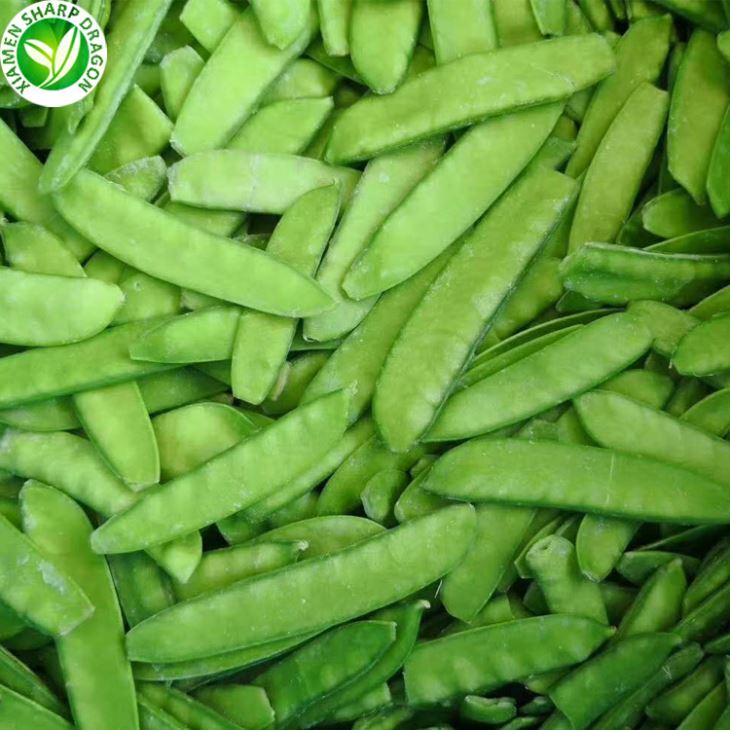
The pod belongs in the portion
Snow peas and sugar snap peas both have edible pods. Texas A&M describes snow peas as thin and flat, with only small seed bulges at their preferred eating stage. Sugar snaps are plumper. Shelling peas are a different kitchen ingredient: the peas are removed from the pod. These distinctions explain why the same shopping word, "peas," can lead to quite different food on the plate.
With snow peas, shelling out the tiny seeds would discard much of the ingredient you intended to serve. Normal preparation instead deals with the stem ends and any noticeable strings. Oregon State University's edible-pod guide discusses variation in string development, so the name alone does not settle how tender a particular pod will feel. Check the food you have in front of you.
For a nutrition calculation, use the edible prepared amount. Packaging, discarded ends and removed strings belong outside that weight. If a recipe says to add a measured quantity after trimming, buying exactly that quantity before preparation can leave you short. At home, the distinction may mean adjusting a side dish. In a kitchen making repeated portions, it determines how much ingredient reaches each plate.
We start a snow pea comparison by separating identity from the serving calculation. A photo helps show the pod shape; a weighed portion shows the amount. Neither should stand in for the other. A visually generous scattering of large flat pods can occupy substantial plate space without carrying the same mass as a compact spoonful of another vegetable.
A raw-food reference, with its units attached
The table uses USDA FoodData Central entry 2709806, "Snowpeas, raw," from its survey food database. All amounts refer to 100 grams of the edible raw food, without sauce or added cooking fat.
| Nutrient | Per 100 g edible raw snow peas |
|---|---|
| Energy | 42 kcal |
| Carbohydrate | 7.55 g |
| Fiber | 2.6 g |
| Protein | 2.8 g |
| Total fat | 0.2 g |
| Vitamin C | 60 mg |
Use this as a reference for identifying the ingredient's contribution. For a branded frozen product, check the nutrition information supplied for that product and the preparation basis printed beside it. For a prepared meal, use information for the full recipe. A raw ingredient entry and a cooked serving entry answer different questions, even when both use the same vegetable name.
Keep units visible when making notes. Grams of food, grams of carbohydrate and milligrams of vitamin C describe different quantities. Writing only a number beside "snow peas" makes it difficult to reconstruct the calculation later. A useful recipe note states the food form, the edible weight and the source of the nutrition figures together.
Also separate recipe scaling from nutrition precision. A kitchen scale may let you portion a batch consistently, but it does not make every pod nutritionally identical. The reference remains an estimate for food planning. Adding extra decimal places to a calculated serving gives a more detailed number, not a laboratory result for the vegetables in your pan.

What vitamin C and fiber contribute
Vitamin C has normal roles in the body, including collagen formation and helping absorb iron from plant foods. The NIH Office of Dietary Supplements also explains that storage and cooking can reduce vitamin C in food. That supports eating a variety of vegetables and handling them sensibly; it does not support promising that a snow pea dish will prevent an infection or treat a disease.
Cooking still has a place. A vegetable you enjoy in a properly prepared meal is more useful than one left uneaten because you are trying to preserve every nutrient. Choose a method suited to the product and the dish, and avoid extending the cooking or holding stage without a culinary reason. There is no need to turn a normal meal into a contest between raw and cooked vegetables.
Fiber should be considered across the day. NIDDK's dietary advice for constipation emphasizes adequate fiber, sufficient fluids and gradual changes in intake. It lists a range of food sources rather than one special vegetable. Snow peas can be one part of that pattern, alongside other vegetables, fruit, whole grains and suitable legumes.
If digestive symptoms persist or you have a prescribed dietary restriction, discuss a suitable food plan with a clinician or dietitian. Increasing one vegetable indefinitely is unlikely to be a useful response.
A vegetable serving is not the main protein portion
Snow peas contain protein, but a modest scattering through a meal should not be treated as the meal's main protein supply. The University of Maine distinguishes their small seeds from shelled peas when discussing protein content. The edible pod is a useful part of the vegetable, and that does not make it nutritionally interchangeable with a bowl of pulses.
For a practical meal, decide separately what provides the main protein component. Depending on your diet, that might be tofu, beans, eggs, fish, poultry or another suitable food. Then use the snow peas for the vegetable quantity, texture and flavor you want. This makes the meal easier to plan than asking one green ingredient to do every job.
The same logic applies to a vegetarian menu description. A dish can contain several plant ingredients and still need its actual portions reviewed. Calling the recipe a "pea bowl" says little about the balance between snow pea pods, rice, sauce and any substantial protein ingredient. Look at the recipe weights before drawing a nutrition conclusion from the name.
For someone comparing foods, keep the comparison fair. Match edible amounts and preparation states, and compare the nutrient that matters to the question. A flat pod, a shelled seed and a dried pulse are different ingredients. Their shared family relationship does not mean a scoop of each will contribute the same amount of food or the same nutrients.

Example: divide a measured batch into six portions
Imagine a home cook preparing 390 grams of trimmed raw snow peas for a dinner with six equal servings. This is an illustrative recipe calculation. Dividing 390 by six allocates 65 grams of the raw ingredient to each serving before cooking. The cook can then prepare the vegetables using a suitable method and portion the finished batch evenly.
To estimate the raw ingredient contribution, multiply each per-100-gram reference by 0.65. That gives approximately 27.3 calories, 4.91 grams of carbohydrate, 1.69 grams of fiber and 1.82 grams of protein per allocated share. These calculations describe the snow pea input. They do not include the rice, protein food, sauce or cooking fat accompanying it, or establish the final vitamin content after cooking.
USDA's entry also assigns 65 grams to a cup of raw snow peas. Treat that as the database's household measure, not a promise that every cup filled in your kitchen weighs exactly the same. Pod size, arrangement and the way a cup is filled can change the amount it holds. Weighing the batch avoids having to force irregular pods into identical cupfuls.
Suppose the cook changes the plan and divides the same vegetables among eight people. Each share becomes 48.75 grams of raw input. The ingredient has not become less nutritious; less of it has been allocated to each person. Keeping the original six-serving nutrition estimate would overstate the contribution in the revised meal.
The practical action is simple: settle the number of portions before describing the amount per portion. For a family meal, a rough allocation may be sufficient. For a repeated menu or nutrition calculation, record the serving count and the recipe version so that a later change in quantity does not leave the old figures attached to a different plate.
Read the finished dish as a whole
A snow pea dish can contain very different proportions of vegetables, noodles, meat, tofu and sauce. Its ingredient list tells you what is present, while the recipe quantities tell you how much. A small garnish of pods and a substantial side of pods should therefore be described differently, even if the same vegetable is visible in both.
Sauce deserves its own place in the calculation. Use the amount actually added and the information for that sauce. If the recipe leaves much of it in the pan, an input-based estimate and a measured served portion may differ. State which approach you are using instead of silently combining an ingredient calculation with an assumed amount of sauce eaten.
For everyday meal planning, you can often make a useful improvement without calculating every nutrient. Give the vegetables a deliberate amount, retain a suitable protein component, and adjust the starch and sauce to the intended meal. Taste the result. A sensible portion that works with the rest of dinner is easier to repeat than an awkward combination chosen only because one ingredient sounds especially healthy.
In commercial menu work, a recipe estimate is a starting point for the appropriate nutrition assessment. It is not automatically a finished retail declaration. Product-specific data, the complete recipe and the applicable calculation or testing method need to agree. The person reviewing the final information should be able to follow the food from its incoming form to the portion described.

Example: how much snow pea is in a vegetable mix?
Consider a canteen planning 30 plates, each with 60 grams of prepared vegetable input before cooking. The total vegetable input is 1,800 grams. In this illustrative mix, snow peas account for 40 percent by weight: 720 grams for the batch, or an average of 24 grams for each plate. The rest consists of the other chosen vegetables.
Now suppose the menu developer wants each plate to receive an average of 40 grams of snow pea input while keeping the total vegetable input at 60 grams. The batch needs 1,200 grams of snow peas, leaving 600 grams for the other vegetables. Snow peas now make up two thirds of the mixture. Simply keeping the old 40-percent mix would not deliver the revised quantity.
That change has a culinary consequence as well as an arithmetic one. More whole pods may alter how the mix fits into the serving spoon and how it sits beside the main dish. The developer should make a trial portion, compare its appearance and bite, and decide whether the new balance still suits the menu. The target amount is a recipe choice here, not a recommended daily intake.
We would also check how the pieces distribute during serving. A batch average can be correct while one plate receives mostly pods and another receives mostly the smaller vegetables. Mix gently, use a suitable utensil and inspect several portions. If the presentation needs a fixed pod allocation, portioning the components separately may work better than expecting every scoop to reproduce the batch ratio.
For foodservice and catering menus, this is where a written recipe earns its place: it connects the ingredient amount with the actual serving method. Record the input basis and evaluate the cooked result separately. Once the trial works, the next cook has a clear starting point instead of a photo that leaves the quantities to interpretation.
Choose an enjoyable form and follow its preparation directions
Tender whole pods provide a recognizable shape; cut pieces may fit more readily into a mixed dish. Choose according to how the food will be eaten. A long pod that looks attractive beside a main course may be less convenient in a small spoonful of rice. The purpose of the cut is to make the ingredient work in the meal, not to improve a nutrient number by changing its appearance.
For frozen snow peas, keep the preparation directions available after opening the outer carton. The UK Food Standards Agency says frozen vegetables carrying cooking instructions must be cooked before they are eaten, including when used in a cold dish. A brief warming step chosen only to retain crunch should not replace those directions.
Our snow pea cooking and buyer guide discusses cooking approach, texture and product form in more detail. Here, the nutritional priority is to keep the reference basis honest. Raw-food figures, an as-sold frozen label and information for cooked vegetables should remain clearly identified rather than being swapped because they have similar names.
Assess the serving at the point of eating. A dish intended for immediate service and one intended for later reheating can produce different textures. If the pods become unpleasant in the full preparation sequence, revise the recipe or select a more suitable vegetable component. The aim is a meal people want to eat, with an amount that can be repeated.
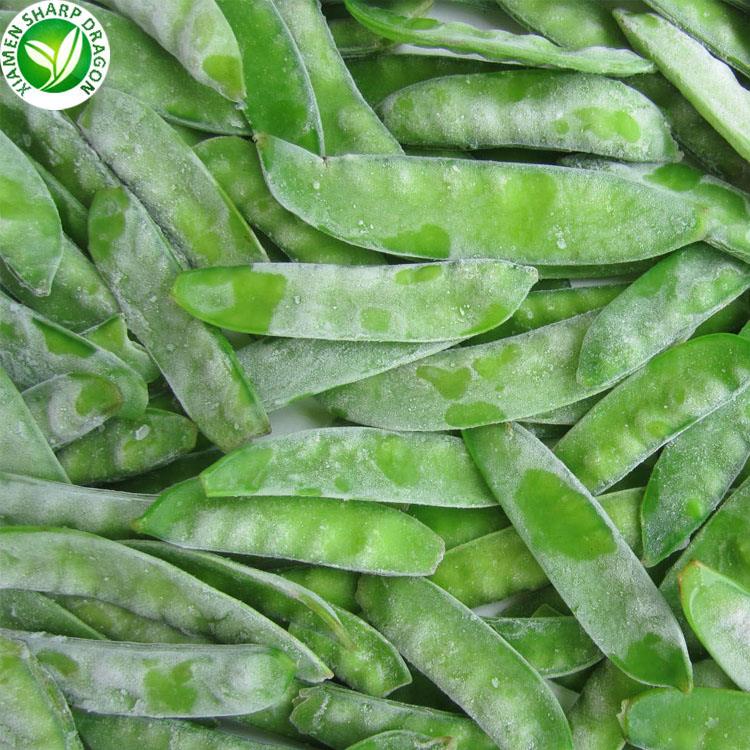
Connect the pack with the recipe amount
An incoming pack is a storage and handling unit; a serving is a recipe unit. Start with the amount required for the meal and then work out which pack arrangement suits that use. A large outer carton can contain several inner bags, and the quantity printed on the carton need not be the amount a cook opens at one time.
For recurring menus, write the product identity and preparation basis on the recipe alongside the weight. That helps prevent a substitution between snow peas, snap peas and shelled peas from passing unnoticed. If a substitute is necessary, review its texture and nutrient information as part of the revised recipe rather than changing the name alone.
Our frozen-food packaging overview explains the relationship between inner packs, outer cartons and labeling. The useful discussion for this dish is how the pack quantity fits the kitchen's planned use. Keep the ingredient directions and identification accessible to the person preparing the food.

Put the vegetable contribution first
Snow peas earn a place in a meal through an edible pod, a useful vegetable contribution and a texture that can make the dish more enjoyable. Choose the food form, measure a realistic amount when precision matters, and consider the rest of the plate. That approach gives you a clearer decision than a list of broad claims about metabolism or immunity.
For repeated service, keep the successful recipe and its serving method together. If the number of plates, ingredient form or mix ratio changes, revisit the portion calculation. A small amount of practical record keeping prevents an attractive menu description from drifting away from the food actually served.

For supply planning, our frozen snow pea product is a starting point for discussing pod form, intended meal and packing. We will review the relevant product information against your requirements.
Send the product form, intended dish, quantity and packing needs through our enquiry page. Include the preparation method and preferred inner pack size.