


Frozen Snow Pea Pods: Cooking, Uses, and Buyer Guide
Aug 30, 2021

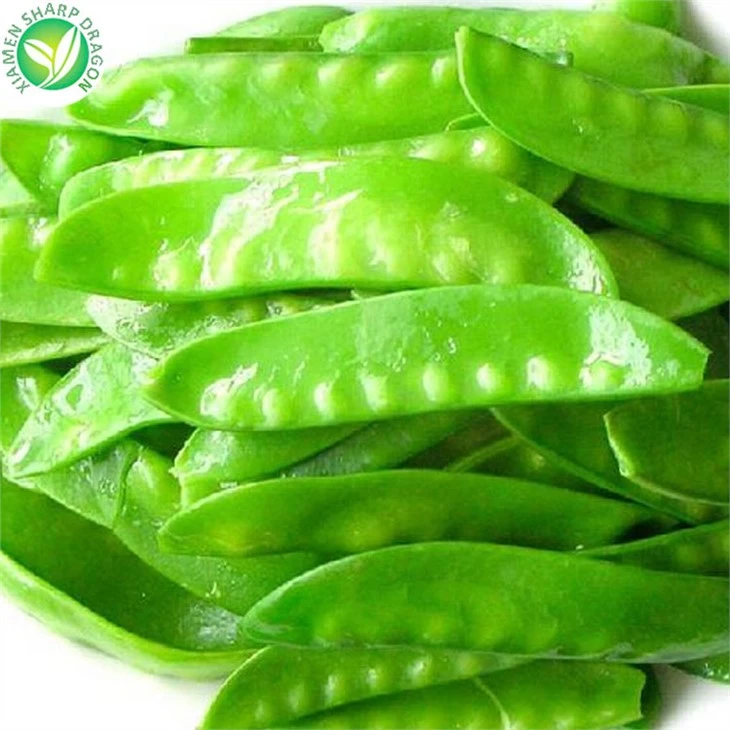
Frozen snow pea pods are the thin, flat, edible pods of snow peas, preserved for frozen storage and convenient portioning. The whole pod is normally eaten. They are not the same as sugar snap peas, which are rounder and more filled, or shelling peas, whose fibrous pods are usually discarded. This identity check matters because pod thickness, seed development, tenderness, and cooking performance change with the pea type and maturity.
For most hot dishes, frozen snow peas can go directly into a preheated pan, steamer, soup, or prepared-meal process unless the package or product specification says otherwise. Keep the heat input controlled and add them near the end when a crisp-tender texture is wanted. If a recipe requires thawing, drain surface water before cooking. Do not assume that freezing or blanching makes every product ready to eat; follow the package instructions and the supplier's documented cooking status.
Commercial buyers should approve frozen snow pea pods against the real application, not appearance alone. Define product identity, pod length and thickness, maturity, trim and string requirements, broken-piece tolerance, frozen separation, packing format, and cooked texture. Then test a representative sample in the intended stir-fry, side dish, vegetable blend, soup, or ready meal before confirming the order.
The short answer: Identify the product as a flat edible-pod snow pea, check whether the pack requires cooking, and use short, controlled heating when you want the pods to stay bright and crisp-tender. For wholesale supply, specify the pod and judge it after the same cooking and holding process your customer will use.

What Frozen Snow Pea Pods Are
Snow peas are edible-pod peas. Oregon State University Extension describes snow peas as broad and flat, with smaller peas inside, while sugar snap peas have a plumper pod. Purdue Extension likewise separates edible snow and snap pods from shelling peas. These are simple distinctions, but they prevent a common buying error: accepting a round, heavily filled pod when the application calls for a thin snow pea.
The edible pod may still have a stem end or a fibrous string along the seam. Whether that string is noticeable depends on variety, maturity, and trimming. A tender product may be cooked whole after normal preparation, but an older or less carefully trimmed pod can feel fibrous. Buyers should therefore define whether stems and strings are removed rather than relying on the word "snow pea" to settle the requirement.
| Pea type | Pod identity | Buying implication |
|---|---|---|
| Snow pea | Flat, thin edible pod with small or lightly developed peas | Suitable when a thin pod and quick, crisp-tender cooking performance are required |
| Sugar snap pea | Rounder, plumper edible pod with more developed peas | A different bite, thickness, portion weight, and heating response |
| Shelling pea | Peas are eaten; the tougher pod is normally discarded | Not a substitute for a whole edible-pod vegetable |
Should You Thaw Frozen Snow Peas Before Cooking?
There is no single rule for every pack. The correct choice depends on whether the product is raw, blanched, partially cooked, or ready to heat; whether it is free-flowing or frozen into a block; and whether the dish is dry, wet, or assembled for a second cooking step. The package directions and product specification control. Freezing by itself does not establish that a vegetable is ready to eat.
Direct cooking is usually practical for a hot wok, skillet, steamer, soup, sauce, or production line that can accept a small temperature drop. It avoids a separate thawing step and can reduce the time the pods sit in released water. Break up only loose clusters that separate easily; do not crush the pods to force apart a hard block.
Controlled thawing may help when the pods must be portioned accurately, incorporated into a cold assembly that will later be cooked, or evaluated for drip and defects. Thaw under the method stated by the manufacturer or the buyer's validated food-safety procedure, then drain excess surface water. Do not leave frozen vegetables at room temperature for an uncontrolled period.
- Read the pack or specification. Confirm cooking status, storage instructions, and whether thawing is required.
- Choose the target texture. Crisp-tender pods need less heat than pods intended to become soft in soup or a braised dish.
- Use the right batch size. An overloaded pan cools quickly and traps steam, which can create a watery result.
- Add the pods at the right stage. Put them in late when other ingredients need longer cooking.
- Stop at the validated endpoint. Judge texture after seasoning and any planned hot holding, not only when the pods first leave the pan.

How to Keep the Pods From Becoming Limp or Watery
Texture loss usually comes from too much total heat, too much surface water, or cooking the pods twice without allowing for the second heat step. Snow pea pods are thin, so they heat through more quickly than dense vegetables such as carrots. If several vegetables share a dish, begin with the slow-cooking items and add the snow peas later.
For a wok or skillet: preheat the cooking surface, use a batch that the pan can recover from, and let steam escape. Add sauce after the pods have begun heating if the sauce would otherwise flood the pan. A glossy surface and crisp-tender bite can be a useful culinary endpoint, but color alone is not a cooking-status or safety test.
For steaming: arrange the pods so steam can circulate and avoid leaving them over residual heat after the target texture is reached. For soup or sauce: add them near the end if you want a distinct pod texture. Earlier addition is reasonable only when a softer result is intentional. For ready meals: account for reheating by the final user; a pod that is ideal before freezing or packing may become too soft after regeneration.
Avoid a universal minute count. Pod thickness, maturity, starting temperature, batch load, equipment, sauce volume, and desired endpoint all change the result. A more reliable method is a small application trial: record the input weight, equipment setting, stage of addition, endpoint, holding time, and finished sensory score. Repeat that method when approving a new lot or supplier.

Where Frozen Snow Pea Pods Work Best
Snow pea pods bring a recognizable flat shape, green color, and vegetable bite to a wide range of dishes. Common applications include stir-fries, Asian-style noodle and rice dishes, steamed side dishes, soups, casseroles, vegetable blends, meal kits, and prepared meals. The right product is the one that still looks and eats correctly after the complete process, including sauce contact, freezing, reheating, and hot holding where those steps apply.
Foodservice buyers usually need free-flowing portioning, manageable carton sizes, fast preparation, and repeatable texture across shifts. They should test the pods in the actual pan load and holding window. Ready-meal manufacturers should focus on pod integrity, size distribution, sauce interaction, freeze-thaw or regeneration performance, and the final consumer heating method. XMSD's frozen ingredient support for food processors provides a useful framework for discussing format, packing, and downstream production needs.
Retail and private-label programs also need clear consumer instructions. State whether the pods should be cooked from frozen, provide a method that fits the pack size, and do not imply that blanching makes the contents ready to eat unless the product has been validated and labeled for that use. The front-of-pack image should match the actual pod type and expected piece size.

How Blanching, IQF, and Pod Maturity Affect Performance
Commercial frozen vegetables are commonly blanched before freezing, but the exact process varies. Oregon State University Extension explains that blanching stops enzyme activity that would otherwise continue to affect flavor, texture, and vitamins during frozen storage. Blanching is therefore a quality-control step; it should not be treated as proof that every frozen snow pea product is fully cooked or ready to eat.
IQF processing aims to freeze pieces individually so the buyer can portion the product without thawing an entire block. Good frozen separation is commercially useful, but it is not the only acceptance criterion. Pod maturity affects tenderness and string development. Length and thickness affect presentation, piece weight, heating rate, and fit with other vegetables. Broken pods may still be usable in a chopped blend but can be unacceptable in a premium whole-pod retail pack.
The current XMSD Frozen Snow Pea Pods product page lists a reference length of 4–9 cm and thickness below 6.5 mm for its thin-pod item. Treat those as product-page references, not a universal snow pea standard. A purchase order should state the approved range, sampling method, tolerances, packing, and application test for the specific shipment.

A Practical Specification and Arrival Inspection Plan
Start with the intended dish and channel. A restaurant stir-fry, a retail vegetable blend, and a ready meal may all use frozen snow pea pods, but they do not need the same size distribution, breakage limit, pack weight, or cooked endpoint. Put measurable requirements in the specification and connect them to an approved sample.
| Control point | What to define or inspect | Why it matters |
|---|---|---|
| Identity and maturity | Flat snow pea pod, pea development, tenderness, stem and string condition | Prevents substitution and fibrous or overmature texture |
| Dimensions | Length, thickness, grading range, and sampling method | Controls presentation, portioning, and heating consistency |
| Physical defects | Broken pods, damaged edges, discoloration, foreign material, excess stems, and other agreed defects | Connects visual quality with the intended sales channel |
| Frozen condition | Free-flow expectation, clumping, surface ice, dehydration, and product temperature | Supports portioning and prompts investigation of handling issues |
| Cooked acceptance | Color, flavor, stringiness, tenderness, drip, breakage, and hold performance under a written method | Shows whether the product works in the actual application |
| Pack and documents | Net weight, inner bag, carton, lot coding, label, storage statement, and order-specific records | Protects traceability, handling, and destination-market execution |
At arrival, inspect the agreed number of cartons and inner packs before the product warms. Record package condition, lot codes, temperature evidence, separation, clumping, surface ice, and visible damage. Large clumps or heavy ice can indicate moisture or temperature variation, but one visual clue does not explain the whole shipment. Preserve photos, readings, logger data, and representative samples when a claim investigation may be needed.
Then run the agreed cooking test. Compare the result with the approved sample or written scorecard. A frozen pod can look acceptable yet become stringy, watery, or fragile in the finished dish; conversely, harmless surface frost should not automatically trigger rejection if the product meets the specification and handling evidence is sound.

Packaging and Cold-Chain Questions to Settle Before Ordering
Packing should fit the handling route. A foodservice kitchen may prioritize a practical bulk bag and easy portioning, while a retail program also needs artwork, consumer cooking directions, barcode control, and shelf presentation. A processing factory may care most about liner strength, filling weight, carton handling, pallet pattern, and how quickly operators can feed the ingredient into production.
Confirm the inner pack material, unit weight, bags per carton, carton dimensions, pallet or floor-loading plan, label language, lot code, storage statement, and temperature-monitoring arrangement. XMSD's overview of frozen-food packaging options can help buyers frame the discussion, but the final material and configuration should be approved for the actual snow pea program and destination requirements.
Keep the product continuously frozen under the stated storage and transport conditions. The FDA notes that freezing stops bacterial growth but does not kill most bacteria, so temperature control, cooking instructions, sanitation, and intended-use labeling still matter. If the cold-chain history is questionable, do not use appearance, smell, or a taste test as proof of safety; isolate the affected product and follow the agreed food-safety and claim procedure.
XMSD sourcing note: We can review your snow pea pod identity, size range, cooked application, defect tolerances, packing format, destination requirements, and sample plan before preparing a quotation. Share the final dish or channel as well as the quantity so the discussion starts with product fit.
Final Decision
Frozen snow pea pods are simple to use once the product identity and cooking status are clear. The pod is normally eaten whole, but stem, string, maturity, and thickness still affect tenderness. Cook directly from frozen when the pack and dish allow it, manage surface water and batch load, and add the pods late when a crisp-tender result is the goal.
For business purchasing, the strongest decision combines a written specification, a representative sample, an application-based cooking test, approved packaging, and an arrival inspection plan. That replaces vague claims about origin, health effects, or convenience with evidence a buyer can actually repeat from order to order.