


Why Do People Like Bananas? Taste, Ripeness and Frozen Ingredient Decisions
Apr 04, 2019

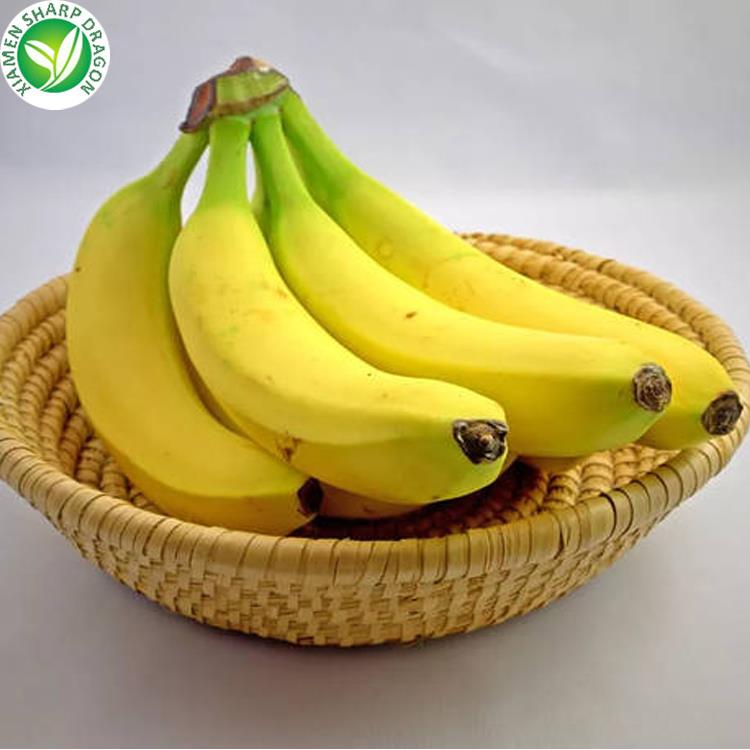
People often like bananas because a ripe fruit combines sweetness, a recognizable fruity aroma, a soft creamy texture, easy peeling and convenient portioning. Ripeness changes that experience more than most simple descriptions suggest. A greener banana is firmer, starchier and more herbaceous; a riper banana is softer, sweeter and more aromatic. Personal preference decides which stage feels best.
For a food manufacturer, beverage brand, retailer or foodservice operator, liking is not an abstract opinion. It can be translated into measurable product decisions: target maturity, sweetness, aroma intensity, color, firmness, cut, thaw behavior, portion size and acceptable defects. We use that translation to keep a pleasant banana flavor from becoming an inconsistent raw-material promise.
Short answer: sweetness attracts attention, but sweetness alone does not explain banana preference. Aroma, ripeness, texture, familiarity, convenience and the final food format work together. If you source frozen banana, define the sensory result you need after blending, baking or thawing rather than approving a lot from color or Brix alone.
Banana Preference Is a Sensory Bundle
Taste is only one part of what you perceive. Before a bite, peel color and aroma create an expectation. During eating, sweetness, acidity, astringency, firmness, creaminess, fibrousness and aftertaste shape the result. Convenience matters too: the peel protects the edible pulp, the fruit needs no utensil and one unit looks like a natural portion. Familiarity can make the flavor easy to recognize in smoothies, dairy products, bakery, desserts and mixed-fruit formulas.
A 2024 sensory and consumer study of bananas sold at different ripeness stages found that the riper samples were perceived as sweeter and more intensely banana-flavored, while greener samples were associated with greater firmness and herbaceous notes. The panel preferred the taste of riper samples, but the authors also reported limits: the sample was not nationally representative, only a small set of market stages was studied and preference may differ across countries and uses. That makes the study useful for direction, not a universal formula for every market.
Habit and context can strengthen the sensory appeal. A familiar banana note may signal breakfast, a snack, a smoothie or a baked product before you analyze any individual aroma compound. That association is real for product design, but it is market-specific. Test the intended country, age group, channel and eating occasion rather than assuming that a strong banana flavor has the same meaning everywhere. A retail smoothie pack and a bakery filling can serve the same consumer while requiring very different aroma intensity and texture.
Your product brief should therefore avoid vague goals such as "delicious banana" or "premium taste." Replace them with attributes that a trained panel or application team can judge under one method. A smoothie brief might prioritize strong ripe-banana aroma, moderate sweetness and no green note. A visible fruit inclusion may prioritize pale color, intact shape and moderate firmness even if the aroma is less intense.
Ripeness Moves Sweetness, Firmness and Flavor Together
Bananas are climacteric fruit, so they continue ripening after harvest. During ripening, starch is converted into smaller sugars, cell structure softens, the peel changes color and aroma volatiles develop. Research measuring retail bananas at different ripeness stages found large changes in starch and sugar composition. That is why two bananas of the same cultivar and size can deliver noticeably different sweetness and texture.
| Practical stage | Likely sensory direction | Application question |
|---|---|---|
| Green to green-yellow | Firm, less sweet, more starchy or herbaceous | Will the formula develop enough banana flavor? |
| Yellow | Balanced sweetness, recognizable aroma, moderate firmness | Does this stage balance flavor with handling? |
| Yellow with brown flecks | Sweeter, softer, stronger ripe-banana character | Can color and soft texture remain acceptable? |
| Overripe or deteriorating | Very soft; fermentation or off-odor may appear if deterioration begins | Is this normal maturity or a safety and quality rejection? |
Peel color is a useful screening cue, but it is not a complete specification. Cultivar, growing conditions, postharvest treatment, storage time and temperature can change the relationship between peel appearance and pulp performance. For frozen material, you cannot reconstruct the original maturity reliably from a single thawed piece. Approve a reference sample and record the supplier's maturity controls before production.

Aroma Makes "Banana" Recognizable
Sweetness can be measured through soluble solids or a formulation's sugar content, but recognizable banana character also depends on aroma. Studies of banana volatiles show that ester patterns change during ripening and differ among cultivars. Isoamyl acetate is one familiar contributor, yet real banana aroma is a mixture rather than one molecule. A flavor system that uses only a candy-like ester note can smell strongly "banana" while missing the fresh fruit's fuller profile.
Aroma is also affected by temperature and food matrix. A frozen sample straight from the freezer releases aroma differently from a standardized thawed sample. Dairy fat, cocoa, coffee, spices or high acidity can mask or reshape perception. Heat during bakery processing can reduce some fresh notes and create cooked notes. Your sensory method should therefore evaluate the ingredient alone and in the finished application.
We recommend a simple aroma vocabulary before comparing suppliers: green/herbaceous, fresh banana, ripe banana, fermented/alcoholic, oxidized/brown and foreign odor. Define which notes are desirable and which are defects. The terms must be tied to retained references or a written panel guide; otherwise one person may call a ripe note "rich" while another calls the same sample "overripe."

Texture and Convenience Reinforce Preference
Ripe banana pulp is soft and cohesive, so it can feel creamy without added fat. That texture makes it easy to mash, blend and distribute through batter or dairy bases. It also makes the fruit sensitive to bruising and freezing damage. The same softness that works in a smoothie may fail in a fruit salad or visible yogurt layer where intact pieces matter.
Convenience can influence preference even when it is not recorded as a flavor attribute. Fresh bananas are easy to peel and portable. Frozen slices reduce peeling, trimming and maturity management at the point of use. For repeated production, weighable pieces can give better dose control than counting fruits of variable edible weight. You still need to control clumping, piece size and open-pack handling.
Texture must be judged at the stage that matters. If the final product is blended, measure blending time, viscosity and residual particles. If it is baked, assess batter handling, baked crumb, moisture distribution and flavor after cooling. If visible pieces remain, assess intact-piece ratio, firmness and color after the actual thaw or heat treatment.
Nutrition Adds Value, but It Does Not Explain Every Preference
Raw banana is a carbohydrate-containing whole fruit. USDA legacy composition data report about 89 kcal, 22.84 g carbohydrate, 12.23 g total sugars, 2.6 g dietary fiber, 1.09 g protein and 0.33 g fat per 100 g edible portion. The database also reports potassium and vitamin B6. These values describe a stated raw-food basis; they are not guaranteed laboratory results for every cultivar, ripeness stage, frozen lot or finished recipe.
Carbohydrate supplies energy, fiber contributes to normal digestive function and potassium and vitamin B6 have established physiological roles. A nutrient's normal role does not prove that banana prevents disease, cures constipation, lowers blood pressure for every person or produces a special performance effect. Preference can be partly shaped by a perception that bananas are nutritious, but a health halo should not replace an accurate serving and ingredient statement.
Product form changes interpretation. A plain fresh banana and unsweetened frozen banana pieces can represent whole fruit. A large smoothie may contain multiple fruit portions plus juice, sweeteners, nut butter or ice cream. Fried or sweetened chips have less water and may contain added oil or sugar. Evaluate the complete formula, serving weight and destination-market rules before making a nutrition claim.
If nutrition retention is central to your decision, use the separate XMSD review of what freezing changes in banana nutrition. The practical boundary here is that liking a banana and proving a health outcome are different questions.

Fresh and Frozen Banana Need Different Acceptance Logic
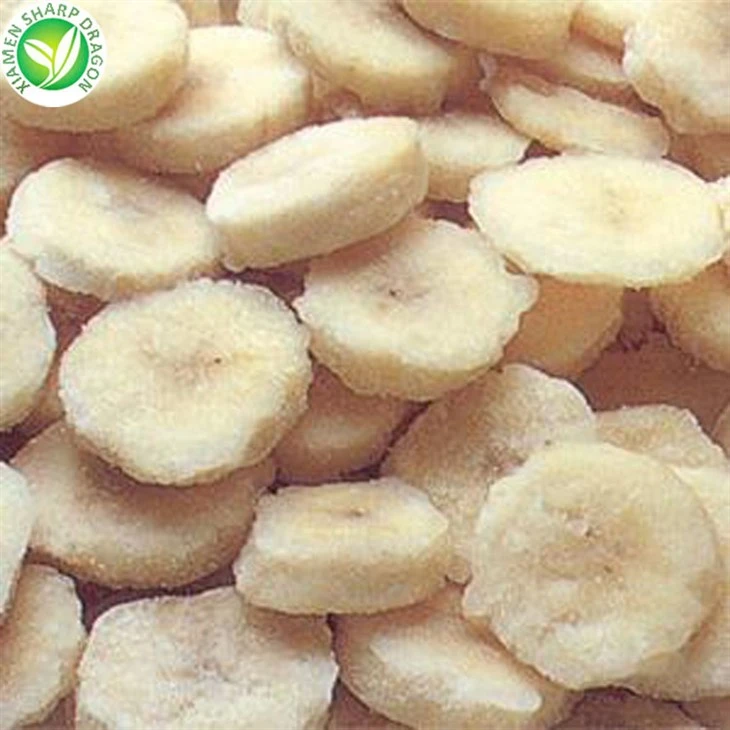
Freezing preserves banana for later use, but it does not keep fresh texture unchanged. Ice formation damages delicate cell structure, so thawed banana normally becomes softer and may release liquid. This is a quality and application difference, not automatic spoilage. Smoothies, sauces, ice cream, bakery and puree systems can use that softer structure; a display application that needs firm fresh slices usually cannot.
Do not evaluate frozen banana only after a complete uncontrolled thaw. First inspect the frozen condition for piece separation, excessive surface frost, snow, clumps, package integrity and obvious color deviation. Then thaw a defined mass for a defined time and temperature, record drip or transfer loss and assess aroma, color and texture. Finally, run the intended formula. This three-stage check separates cold-chain or packaging signals from normal thaw softening.
Use the XMSD frozen banana format guide when you need to compare slices, chunks, dices and puree. The current IQF frozen banana specification page shows commercial cut and packing directions. Treat published dimensions as available directions to discuss, then place the approved value and tolerance in your product file.
Turn Preference into a Sensory Specification
A reliable specification starts with product identity and intended use. Record the cultivar or agreed banana type when it matters, ingredient statement, cut, target maturity, color range, aroma direction, sweetness method, texture method, visible defects, foreign material controls, microbiological criteria, pack, frozen storage and documents. Then define a sample-preparation method so your team and supplier judge the same product state.
| Attribute | Method direction | Decision risk if omitted |
|---|---|---|
| Sweetness | Sensory scale plus Brix under a stated thaw method | Brix may pass while the formula tastes weak or unbalanced |
| Banana aroma | Reference vocabulary and intensity scale | Ripe, green and fermented notes become subjective disputes |
| Color | Approved image or instrument coordinates at a stated stage | Normal maturity and oxidation are confused |
| Texture | Application-specific firmness, intact-piece or viscosity check | A smoothie-approved lot fails a visible-piece product |
| Frozen condition | Clump, frost, free-flow and package inspection | Temperature-abuse signals are missed before thawing |
Keep a retained approval sample when practical and define how it is stored. Photographs help with gross color and cut, but they do not preserve aroma, sweetness or texture. A certificate of analysis can support the decision, but it cannot replace sensory and application testing. Your acceptance rule should combine pass/fail defects, instrumental values and finished-use performance.
When a shipment arrives, take representative samples before drawing conclusions from one bag. The XMSD frozen fruit incoming-inspection guide explains how to separate storage-entry, specification and application decisions.
Worked Decisions for Smoothie and Bakery Programs
Practical example: Your smoothie pilot formula uses 120 g of banana per 1 kg finished base. Sample A is aromatic and sweet but contains large clumps that slow portioning. Sample B is slightly less aromatic, free-flowing and gives consistent viscosity after a 45-second blend. If your line doses directly from frozen, Sample B may produce the more reliable product even though Sample A wins a spoon tasting. The action is to set a minimum finished-smoothie aroma score and a maximum clump allowance, then ask whether Sample A can meet the handling limit without losing its sensory advantage.
Worked example: Suppose you weight sweetness at 25%, banana aroma at 20%, color at 15%, texture at 25% and free-flow at 15%. On a five-point scale, Lot A scores 4, 4, 3, 2 and 5. Its weighted score is 4×0.25 + 4×0.20 + 3×0.15 + 2×0.25 + 5×0.15 = 3.50/5. Lot B scores 3, 3, 4, 4 and 4, for 3×0.25 + 3×0.20 + 4×0.15 + 4×0.25 + 4×0.15 = 3.55/5. The totals are close, but Lot A fails if texture has a mandatory minimum of 3. The action is to apply critical limits before using the weighted total; a strong aroma cannot compensate for an application-breaking texture failure.
Example: A soft ripe-banana lot may disperse well in muffin batter and strengthen cooked banana character. The same lot may collapse in a chilled dessert where the brief requires identifiable pieces. Approve the muffin application after bake-and-cool testing, but reject or redirect the lot for the visible topping unless piece integrity meets the agreed method. One raw material can be excellent for one use and wrong for another without being poor quality.
Separate Normal Ripeness from a Quality or Safety Defect
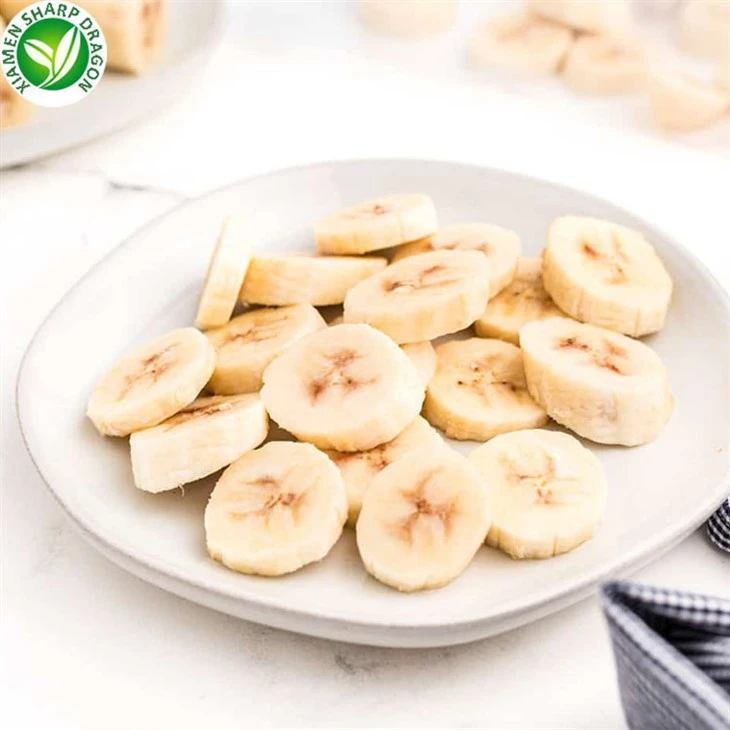
Brown peel flecks and softer pulp can be normal signs of ripening in fresh banana. A darker thawed surface can reflect oxidation and may be a quality issue for appearance-sensitive products. Neither observation alone proves that a product is unsafe. Sour, alcoholic, yeasty, moldy or putrid odor, leakage, damaged packaging, evidence of partial thawing, foreign matter or an unexplained temperature history require a different review.
For fresh produce, FDA advises selecting produce that is not bruised or damaged, washing it under running water before preparation and discarding produce that looks rotten. For commercially frozen banana, follow the product label, agreed cold-chain limits and your food-safety plan. Do not wash a ready-to-use frozen product unless the supplier instructions and your validated process require it.
Package size can also influence quality after opening. A large bag may reduce packaging cost per kilogram but increase open-pack exposure and handling if your daily use is low. The XMSD pack-size and use-rate method helps compare those trade-offs without assuming the largest pack automatically gives the lowest usable cost.

FAQ
Why do ripe bananas taste sweeter?
During ripening, much of the banana's starch is converted into smaller sugars while the fruit softens. Ripeness studies show that starch and sugar proportions can differ substantially across retail stages. Cultivar, maturity and storage conditions still affect the result, so peel color is a useful cue rather than an exact sugar measurement.
Is a sweeter banana always better?
No. A sweeter, softer banana may suit smoothies, puree and bakery, while a firmer stage may hold pieces better. Your preferred taste also depends on aroma, texture and the foods paired with it. Define "better" through the finished application and a repeatable method.
Does frozen banana taste the same as fresh banana?
It can retain recognizable banana flavor, but freezing and thawing soften the fruit and can change aroma release and moisture behavior. Frozen pieces are usually more suitable for blending, baking, desserts and processing than for applications that require the firm bite of fresh slices.
Can Brix alone predict whether people will like a banana product?
No. Brix can support a sweetness or soluble-solids check, but it does not measure aroma quality, texture, color, aftertaste or formula interactions. Combine it with sensory evaluation and a finished-use trial.
How should frozen banana samples be compared?
Use the same frozen inspection, sample mass, thaw time, temperature, container and application recipe. Code the samples where practical, define attributes before tasting and record both critical failures and weighted preferences. Keep the approved method with the product specification.
What information should accompany a frozen banana inquiry?
State the intended application, slice or chunk direction, target maturity and color, required ingredient statement, pack, quantity, destination, certificate needs and the sensory or handling problem you want to solve. This gives us a useful basis for product matching and sample planning.
Discuss Your Frozen Banana Application with XMSD
We can help you compare frozen banana cuts, ripeness direction, color, sensory targets, packing and sample evaluation for beverage, bakery, dairy, dessert, retail or foodservice use. Send the intended application, required format, quantity and destination so we can review the next practical step.
References
- Giuggioli NR, et al. The appeal of bananas: A qualitative sensory analysis and consumers' insights into tropical fruit consumption in Italy. Journal of Agriculture and Food Research. 2024;16:101110.
- Anyasi TA, et al. Dietary fiber, starch, and sugars in bananas at different stages of ripeness in the retail market. 2021.
- Zhu X, et al. Comparative study of volatile compounds in the fruit of two banana cultivars at different ripening stages. Molecules. 2018;23(10):2456.
- USDA Agricultural Research Service. FoodData Central: Bananas, raw. Nutrient values shown on a stated edible-portion basis.
- U.S. Food and Drug Administration. Selecting and Serving Produce Safely.