


Is It OK to Eat Strawberries at Night? Portion, Reflux and Food Form
May 20, 2025
Yes, strawberries can be eaten at night. Sunset does not make plain strawberries harmful, and there is no sound basis for calling them a guaranteed sleep aid, fat burner or nighttime health treatment. Your useful decision starts with the actual food: fresh berries, unsweetened IQF fruit, puree, sweetened syrup fruit, fried chips and a mixed dessert are not interchangeable.
Timing can still matter when a portion is large, the serving is close to lying down, reflux symptoms recur, a medical eating plan applies or the product has been mishandled. For a café, hotel, meal-kit program or private-label brand, the question also reaches recipe control, declared serving, thaw loss, pack size, food-safety evidence and late-shift handover.
Practical answer: identify the product form and full recipe, use a portion that fits the evening meal, leave a suitable interval before lying down when reflux is an issue, and keep fresh or frozen fruit under the correct handling controls.

Define Night and Define the Strawberry Product First
"At night" can mean fruit with a 6 p.m. dinner, a planned 9 p.m. snack followed by a midnight bedtime, a serving during a night shift or food eaten in bed. Those occasions have different meal-to-sleep intervals, activity patterns and handling histories. Record the eating time and intended sleep time instead of using darkness as the variable.
Then identify the commercial form. Fresh whole berries contain their natural water and require fresh-produce preparation. Unsweetened IQF whole fruit or dice can be weighed from frozen but softens and releases liquid after thawing. Puree is consumed quickly and disperses through a formula. Canned strawberries in syrup include a packing medium. Fried or freeze-dried pieces are more concentrated by weight and may have added oil or sugar depending on the specification.
Check the ingredient statement and the serving actually used. Plain fruit sugar and added sugar are not the same label category. FDA explains that total sugars include naturally occurring and added sugars, while added sugars are declared separately when present. A strawberry-flavored dessert may contain more sugar from syrup, sauce, yogurt or bakery components than from its fruit portion.
Our frozen strawberry range shows why whole, sliced, diced and puree specifications belong to different applications. Ask for product name, cut, packing medium, ingredient list, declared net weight and intended use before making a nutrition, texture or cost comparison.
The Clock Does Not Create a Special Strawberry Hazard
A berry does not become poisonous, unusually sugary or automatically fattening after a particular hour. Weight outcomes depend on energy intake and expenditure over time, along with activity, sleep, medicines, health conditions and behavior. The same 100 g of plain fruit has not acquired a new ingredient because it was served after dinner.
The evening context can change what accompanies the fruit. A measured plain portion replacing a rich dessert is different from adding a large smoothie containing syrup, sweetened yogurt and ice cream after the complete dinner. Determine whether the serving replaces something or adds to the planned intake. Evaluate the finished recipe, not a single ingredient in isolation.
Do not promise sleep benefits from strawberries either. A food can be part of an acceptable eating pattern without treating insomnia or reliably shortening sleep latency. If you want to test comfort, keep the product, portion, dinner and bedtime interval reasonably consistent for several occasions. One unusually good or poor night cannot establish cause.
Worked example: a 220 g evening yogurt cup contains 18% strawberry pieces. Strawberry per cup is 220 g × 18% = 39.6 g.
For 3,000 cups, theoretical strawberry demand is 39.6 g × 3,000 = 118.8 kg. If your validated handling yield is 93%, purchase planning is 118.8 kg ÷ 0.93 = 127.74 kg.
This calculation supports formula and procurement control. It does not prove a sleep or weight effect. Nutrition must be calculated from the complete yogurt formula and the approved data for every ingredient.

Bedtime Proximity Matters When Reflux Is the Real Question
If you have gastroesophageal reflux symptoms at night or while lying down, meal timing deserves attention. NIDDK states that eating meals at least three hours before lying down or going to bed may improve symptoms for people with nighttime GERD. That is guidance about the meal-to-bed interval, not proof that strawberries uniquely cause reflux.
Individual triggers vary. Portion size, fat-rich additions, chocolate, alcohol, caffeine, mint, spicy foods, acidity and total meal volume may influence a person's experience. A large strawberry cheesecake just before bed and a small serving of plain berries at dinner do not test the same exposure. Record the full recipe and amount.
For mild, repeatable discomfort, change one variable at a time while following professional advice: reduce the portion, move it earlier or remove one suspect addition. Stop self-testing and seek appropriate care for persistent or severe symptoms, difficulty swallowing, bleeding, breathing difficulty, swelling or other concerning signs. Suspected allergy is not a safe timing experiment.
Commercial wording needs the same boundary. "Suitable for evening dessert recipes" describes an application. "Prevents reflux" or "improves sleep" is a health outcome that requires appropriate substantiation for the finished product, dose and target population. Ingredient composition or a red-fruit image cannot supply that evidence.
Choose Fresh, IQF, Puree or Syrup by Application
Fresh berries suit visible garnish and direct eating when ripeness, firmness and appearance meet the program. They need clean refrigerated storage and safe preparation. FDA recommends refrigerating perishable produce such as strawberries at 40°F or below, washing produce under running water before preparation or eating and rejecting rotten product. Soap, detergent and commercial produce wash are not recommended.
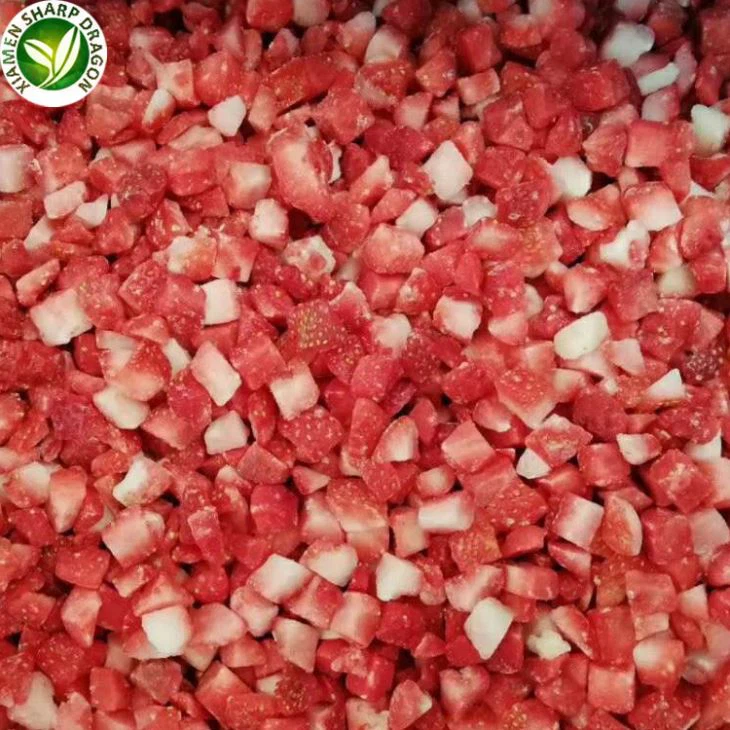
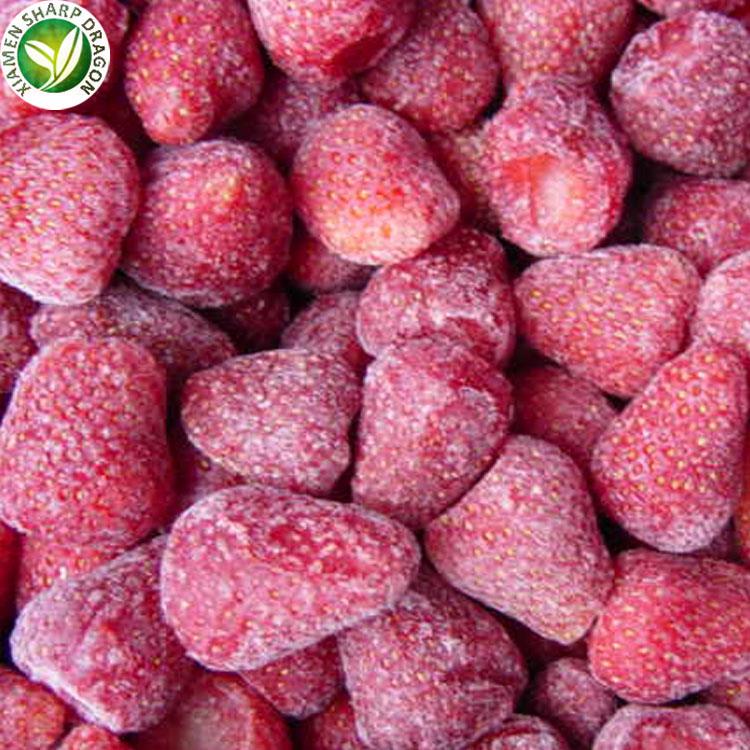
IQF whole fruit gives year-round supply and individual pieces, but a thawed berry will not duplicate fresh firmness. Whole style supports visual identity; slices or dice support measured distribution and faster incorporation. The USDA frozen-strawberry standard distinguishes whole and sliced styles and evaluates flavor, color, defects and character. Your contract can add cut dimensions, count or size distribution, Brix, foreign-material control, permitted packing medium and defect limits.
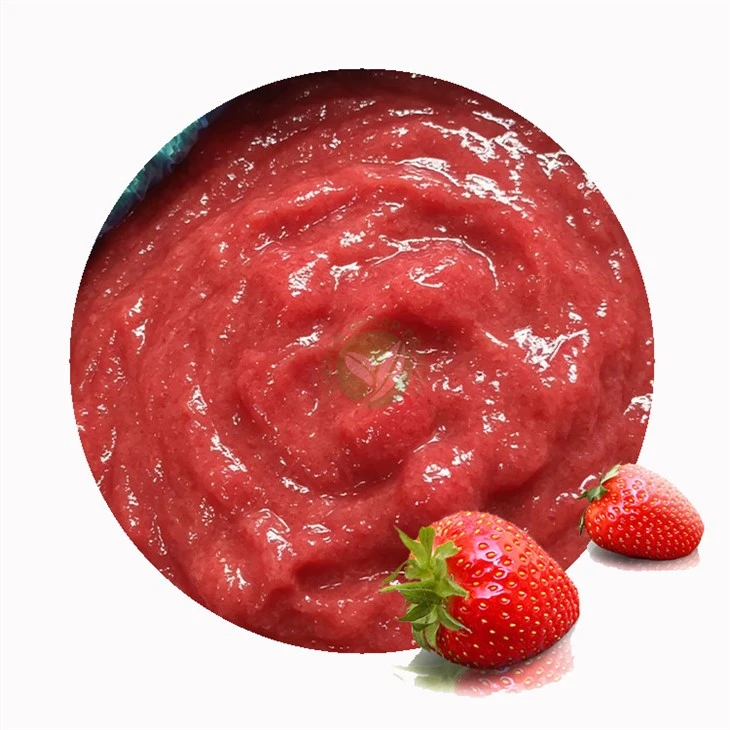
Puree is appropriate when uniform color and dispersion matter more than piece identity. Confirm seed level, Brix or solids basis, pH or acidity method, sieve, added ingredients and pack size. Our frozen strawberry puree page is a useful format reference, but your approved sample and order specification must define the application result.
Syrup fruit and fried chips require a separate ingredient and serving review. Syrup affects drained weight, sweetness and labeling. Frying or drying changes water content and density; oil, coating and sugar depend on the product. Do not transfer a 100 g fresh-berry nutrition value to 100 g of a concentrated snack.
Freezing Preserves Berries; It Is Not a Kill Step
Food safety does not depend on the hour. FDA notes that fresh and frozen berries have been linked to hepatitis A and norovirus outbreaks and that freezing generally does not inactivate viruses introduced through people, water or food-contact surfaces. A frozen berry may remain hard and cold while still requiring supplier, hygiene and lot controls.
For a ready-to-eat use, define the intended preparation in the specification and hazard-control plan. "Use from frozen" is a texture instruction, not automatically a microbiological release decision. Confirm the market, product status, supplier controls, certificate scope, testing or verification plan, recall readiness and any required consumer or foodservice instructions.
At receipt, check lot identity, case and inner-pack integrity, product temperature under the agreed method, evidence of thaw-refreeze, abnormal clustering, excessive surface ice and sensory condition when sampling is authorized. Hold a deviating lot while records are reviewed. Refreezing can make fruit hard again, but it cannot undo an undocumented exposure or restore traceability.
Keep food safety separate from ordinary quality loss. Soft texture, drip and broken pieces can make fruit unsuitable for garnish without proving a pathogen. Conversely, an attractive berry cannot prove absence of an invisible hazard. Use the strawberry condition guide for sensory and disposition questions, while retaining the approved food-safety process.
Control Thawing, Drip and Portion Accuracy
Frozen strawberry cells are damaged by ice formation, so thawed fruit usually becomes softer and releases liquid. That liquid contains soluble fruit components and belongs in the mass balance. If a recipe uses fruit plus released juice, measure both. If garnish production drains the juice, record drained yield and define where the liquid goes.
Run a small application trial using the actual cut, pack, thaw method, time, temperature and recipe. Weigh unopened net product, thawed solids, recovered liquid, unusable loss and finished portions. Note color, shape retention, flavor, distribution and hold performance. The bulk frozen strawberry format should be approved through this real-use test rather than by a catalog photograph alone.
Practical yield example: a kitchen thaws a 10.00 kg pack and records 8.85 kg fruit used in cups, 0.62 kg juice used in sauce and 0.31 kg rejected or unrecovered material. Recorded mass is 9.78 kg, leaving a 0.22 kg reconciliation gap that needs investigation.
If the approved formula uses fruit and juice, usable yield is (8.85 + 0.62) ÷ 10.00 = 94.7%. At USD 2.40 delivered per kg, usable ingredient cost is USD 2.40 ÷ 0.947 = USD 2.53 per usable kg.
If the sauce cannot use the juice, yield is only 88.5% and cost becomes USD 2.71 per usable kg. The same delivered price therefore produces different economics by application.
Do not copy the example percentages into a purchase contract. Establish your own acceptance range across representative packs and lots. A useful trial report includes sample identity, frozen and thawed weights, stopwatch times, measurement temperatures, photographs, scale identification, calculation rules and signatures.

Build an Evening Menu from the Finished Serving
Start with a target serving and sensory role. Do you need visible pieces, red color, acidity, aroma, body or a fruit declaration? A yogurt topper may favor dice with controlled drip. A beverage may accept puree. A plated garnish may require selected whole fruit. A baked filling may use softer or broken material if flavor and defect limits remain acceptable.
Calculate the complete recipe per serving and per production batch. Include strawberry, base, sweetener, sauce and garnish. Use approved ingredient data and the applicable label rules. The FDA serving-size statement describes the amount customarily consumed for labeling; it is not automatically a recommendation. Your menu portion and package declaration still need consistent control.
Plain strawberries may contribute vitamin C and fiber, but a finished commercial claim needs the finished product's validated data and applicable criteria. Our frozen strawberry health overview gives background reading. For artwork release, use actual composition, laboratory or database policy, processing factors, serving and market review rather than an unsourced superlative.
Taste the formula at the real serving temperature and after the intended holding time. Sweetness and aroma can seem different when very cold. Released juice can thin yogurt, bleed into bakery layers or change drink solids. Define acceptable appearance at production, end of service and stated shelf-life points.
Plan Late Service and Pack Size before Opening Product
An evening operation often has uncertain demand and fewer staff. A large inner pack may appear economical per delivered kilogram but create more exposed product, leftovers and reconciliation work. Compare inner-pack mass with expected portions, validated remaining life, reseal rules and the next approved use.
Set a forecast using reservations, day of week, menu mix and recent sell-through. Issue only the controlled quantity, keep unopened packs frozen and replenish in small amounts. Record thaw start, preparation start, service start, quantity issued, quantity sold, recovered product, disposal and lot. Do not mix new product into an older pan unless the written procedure allows it and preserves the more restrictive history.
Late-service example: a hotel forecasts 72 desserts using 45 g strawberry each. Planned edible demand is 72 × 45 g = 3.24 kg.
At a measured 92% usable yield, issue need is 3.24 ÷ 0.92 = 3.52 kg. Two 2 kg inner packs provide 4 kg; one 10 kg pack would expose much more product than the forecast requires.
Choose pack size after reviewing actual minimum order, packing configuration, thaw-life evidence and site procedure. Packaging waste and unused-fruit risk belong in the same comparison.
Late-shift handover must state open packs, thaw status, exposure time, remaining approved life, quantity and intended next use. The morning team should not have to infer history from appearance. General frozen-fruit shelf-life guidance provides context, but the signed product specification and validated local process govern disposition.
Write a Specification That Can Release a Lot
A useful specification begins with identity: species or approved variety if relevant, country of origin, fresh or frozen status, whole/slice/dice/puree style, packing medium and ingredient declaration. Add target cut or size distribution, Brix or soluble-solids method where needed, acidity or pH method, color reference, sensory profile and permitted processing aids.
Define defects numerically. Depending on the format, this may include caps, calyx or stem material, unripe or discolored pieces, broken fruit, misshapen pieces, bruising, mold, decay, foreign material, excess ice, clusters and packaging defects. State the sampling plan, sample condition, thaw method, denominator by mass or count and acceptance rule so both sides measure the same thing.
Document food-safety and regulatory requirements for the real market and intended use: facility and product scope, hazard controls, traceability, allergen and cross-contact review, pesticide-residue or contaminant program where applicable, microbiological criteria, certificate or test-report requirements, packaging compliance, coding and recall contact. Avoid replacing this file with "food grade" or a logo.
Confirm case net weight, inner-pack count, pallet pattern, label language, storage statement, shelf life and temperature-monitoring responsibility. State who decides a deviation and what evidence is required. A minor appearance defect, a temperature excursion and a traceability failure need different holds and release authorities.

Qualify Samples and Compare Usable Cost
Request a sample that represents the proposed product, pack and production route. Record the lot, production date, sample selection, transit condition and seal status. A hand-selected sales sample cannot establish ordinary-lot defect distribution. For repeat purchases, compare several representative packs and retain an approved reference under defined storage.
Run the sample in the real evening application. Use the intended thaw method, equipment, batch size, other ingredients, holding time and service temperature. Measure fruit identity, drip, mixing behavior, yield, portion accuracy and end-of-service appearance. Have quality and product-development reviewers record results independently before aligning the approval.
Compare usable cost, not the lowest invoice price. Include delivered price, yield, labor, rework, packing waste, unused open-pack risk and expected defects. A higher-priced dice that distributes consistently and leaves less unused material may cost less per accepted dessert than a lower-priced mixed-size product.
Lock change control after approval. A different origin, variety, cut, packing medium, inner pack, process, facility or label can change flavor, drip, compliance and economics. Your purchase file should say which changes require advance notice, a new document review, a new sample or a full application trial.
Decision Checklist for Strawberry at Night
Resolve the question in this order because each answer changes the next one. Timing advice without a defined food is too broad; a product choice without a defined application is incomplete; and an approved sample without lot controls cannot release routine deliveries. Record each decision in the same file so nutrition, product development, quality and purchasing work from one identity.
- Define whether "night" means dinner, snack, shift work or immediate bedtime.
- Identify fresh, IQF whole, slice, dice, puree, syrup fruit or concentrated snack.
- Measure the actual strawberry portion and complete recipe per serving.
- Separate natural sugars from added ingredients and approve label data for the finished food.
- For recurring nighttime reflux, record the meal-to-bed interval and follow individual clinical advice.
- Keep sleep, weight-loss and disease claims within the evidence for the finished product.
- Verify supplier, lot, hygiene, traceability and recall controls; freezing is not sterilization.
- Validate thaw method, recovered liquid, usable yield and end-of-service quality.
- Match inner-pack size to evening demand and documented remaining life.
- Approve a measurable specification, representative sample and change-control route.
Use the checklist as a release sequence, not a marketing claim. If product identity, handling history or required evidence is missing, isolate the affected quantity and assign a documented reviewer. If the result meets the approved specification and application trial, release it through the normal authority route and retain the record with the lot.
Review trends after launch. Compare evening demand, yield, complaints, unused open packs and sensory failures by lot and format. A repeated drip problem may justify a cut or thaw-method change; recurring leftover mass may justify a smaller inner pack. Neither result proves strawberries are generally good or bad at night-it identifies a controllable product or process variable.
Frequently Asked Questions
Is it bad to eat strawberries right before bed?
Not automatically. The portion, full meal, symptoms and meal-to-bed interval matter. People with nighttime reflux may benefit from finishing meals at least three hours before lying down, according to NIDDK guidance. Follow individualized advice when a medical condition applies.
Do strawberries help you sleep?
A normal serving can fit an evening eating pattern, but it should not be presented as an insomnia treatment or guaranteed sleep aid without direct evidence for the product, dose, population and sleep outcome.
Are frozen strawberries safe to eat without cooking?
Do not assume freezing is a kill step. Intended use, supplier controls, market instructions and your hazard-control plan must support ready-to-eat use. Follow recalls and the label or agreed preparation instruction for the specific product.
Should thawed strawberry juice be discarded?
That depends on the approved recipe and handling plan. Juice may belong in a sauce, drink or filling, but garnish applications may need drainage. Weigh both fractions and define their use before calculating yield or nutrition.
Which strawberry format works best for evening foodservice?
Use whole fruit for identity, slices or dice for distribution, and puree for uniform dispersion. The best format is the one that passes your real recipe, hold, portion, defect and cost test.
Planning a strawberry program? Send us your target form, cut, ingredient statement, pack size, annual volume, destination market and application. We will review the matching XMSD options, sample route, specification fields and cold-chain evidence with you.
References
- NIDDK - Eating, Diet, and Nutrition for GER and GERD
- FDA - Selecting and Serving Produce Safely
- FDA - Works to Enhance the Safety of Berries
- FDA - Added Sugars on the Nutrition Facts Label
- FDA - Food Serving Sizes Have a Reality Check
- USDA AMS - Frozen Strawberries Grades and Standards
- USDA SNAP-Ed - Strawberries
- PubMed - Comparative Evaluation of Strawberry Thawing Technologies