


Is an Apple a Day Healthy? Keep Dental Care in the Routine
Jan 09, 2020

Yes, an apple can be a healthy daily choice for many people. It brings fruit, fiber and water into an ordinary eating routine, and it is convenient to carry or serve with a meal. A comfortable portion alongside a varied diet is more useful than treating one apple as a daily requirement. Other fruits can take its place.
There is one important limit to the familiar apple habit: a crunchy apple is food, not a toothbrush. The clean feeling after chewing does not tell you that plaque has been removed, and eating fruit leaves the need for fluoride toothpaste, cleaning between teeth and regular dental care intact. You can enjoy an apple and look after your teeth without making the fruit responsible for both jobs.
The practical choice also changes with the form. Whole fruit eaten with lunch, apple juice sipped across an afternoon, and hard dried slices are different experiences for the mouth. If braces or a dental problem make biting difficult, choose preparation according to your dental team's instructions. There is no benefit in forcing a hard bite just to keep a daily streak.

A sensible food choice, with ordinary expectations
An apple earns its place through the meal it helps you eat. At lunch, it can provide fresh flavor after a sandwich or a bowl of soup. At breakfast, a few prepared pieces can sit alongside oats and a protein food. If plain apple is enjoyable and well tolerated, repeating it is perfectly reasonable. The rest of the week's food still needs enough variety to do the jobs one fruit cannot.
CDC guidance includes apples among practical fruit snacks and favors whole fruit over juice for its fiber. The useful gain might simply be that fruit is available when you want it, rather than being absent from a rushed day. Choose apple as food within a varied diet, rather than as a treatment for a health condition.
Daily does not have to mean identical. Choose a size you want to finish, share a large apple if that suits the meal, and rotate another fruit when it looks better or costs less. The decision should remain pleasant. Measuring every apple or compensating for a missed day adds work without solving the basic question of whether the food fits.
Keep food quality and personal comfort in view as well. A fresh apple that tastes good but is painful to bite is a poor match for that moment. A softer preparation can change the eating experience while keeping apple in the meal. The reason for making that change is comfort and suitability, rather than an assumption that the hardest fruit is the healthiest.

Crunch and a clean feeling are different from plaque removal
A crisp bite can make the mouth feel refreshed. That sensation is easy to understand: there is flavor, moisture and plenty of chewing. It is less useful as a test of cleanliness. Your tongue notices the most accessible surfaces, while tooth care also has to address places that an apple cannot reliably reach. Feeling refreshed after lunch is a pleasure, not a measurement of dental plaque.
A small randomized crossover study published in PLOS One in 2018 compared apple chewing with brushing in 20 healthy young adults. The volunteers tried both activities, separated by two weeks. Chewing the apple failed to remove plaque in the way brushing did. Salivary bacterial viability fell immediately after eating but returned toward its earlier level after 24 hours.
The study used a particular apple variety and a controlled routine, including brushing with water rather than toothpaste. Its short observation period and small, selected group limit what it can tell us about long-term dental health. It supports rejecting an apple as a substitute for brushing; it is insufficient to conclude that ordinary apple eaters will develop cavities or should stop eating fruit.
When comparing apple varieties, buy for flavor and the eating texture you enjoy. A sharper taste can be appealing with a savory lunch; a milder apple might work better alongside plain yogurt. Those are worthwhile reasons to choose a variety. Trying to maximize a supposed tooth-cleaning effect is a different goal, for which the familiar crunch offers poor guidance.
Fit the apple around a real dental routine
The American Dental Association recommends brushing twice daily for two minutes with fluoride toothpaste, using a soft-bristled brush. Cleaning between teeth is another part of its home-care advice. A dentist can adapt the routine for braces, restorations or other needs.
If an apple is your usual evening food, make room for it before the day's final oral-care routine instead of using it as the final cleaning step. The exact schedule should fit your dental advice and household routine. The important practical point is to decide when eating ends and when care begins, so the fruit does not quietly displace something you intended to do.
Acidity adds a timing consideration. ADA's MouthHealthy erosion guidance advises waiting an hour before brushing after acidic foods, and rinsing with water after acidic meals or drinks. It also discourages holding acidic drinks in the mouth. This is general erosion guidance rather than a special countdown proven for every apple. Follow individual advice if your dentist has identified erosion or sensitivity.
Have drinking water available and keep the usual brushing equipment accessible. If your day is rushed, these ordinary arrangements matter more than searching for a particular apple color, price or farm origin.

Juice changes the way apple reaches your teeth
Apple juice can be consumed in a few mouthfuls or carried around and sipped for hours. The label may be identical in both situations, yet the pattern of contact with the mouth is different. ADA guidance on sugary drinks recommends finishing a drink in one sitting rather than stretching it across a long period. It also notes that even 100% juice with no sugar added contains natural sugar.
A whole apple is therefore a useful default when the aim is to eat fruit, while plain water can serve the separate job of a drink. That separates two decisions that are often bundled together: choosing something to eat and choosing something to sip. Juice need not become the daily replacement for every fresh apple simply because both carry the same fruit name.
Consider the whole beverage, too. A smoothie might contain apple, other fruits, milk, yogurt or sweetened ingredients. Its preparation and drinking pattern deserve their own consideration. For a packaged apple drink, check whether it is juice, a fruit drink, or a blend with added sweetener. The fruit picture can look similar across products with quite different formulas.
Food form also changes chewing. A dried apple ring can be chewy, while a fried or baked chip can be brittle. Neither texture is evidence of plaque removal. For the process and ingredient distinctions, the apple-chip label comparison helps separate plain dried fruit from oil-containing or coated snacks. Dental suitability still follows the eater's needs, not the word apple on the bag.

Example: change the drink pattern, keep lunch enjoyable
Consider a hypothetical office worker who enjoys an apple with lunch but also keeps 300 mL of apple juice at the desk. The bottle is opened at 1 p.m. and finished in small sips at 4 p.m. The person assumes this is equivalent to eating another apple. The immediate decision is whether the drink is needed, and whether it has become an all-afternoon habit.
Suppose the bottle's illustrative label lists 10 g of total sugars per 100 mL. The full 300 mL contains 30 g: 10 × 3. Adding 300 mL of water makes 600 mL of diluted drink, but the total remains 30 g if all of it is consumed. These are invented label values for explaining the calculation, not a measurement of all apple juices or a recommended intake.
The worker keeps the apple with lunch and uses plain water at the desk. If juice is wanted on another day, it is served with the meal rather than carried through the afternoon. This action addresses the prolonged sipping pattern without banning the fruit or requiring a different lunch. The aim is to make the ordinary choice easier, not to award the apple a special dental function.
The observable result is simple: the desk bottle contains water and the fruit is still enjoyed at lunch. After a week, the worker checks whether the choice was easy to maintain and whether a spare bottle or access to a refill would make it easier. Dental health remains part of the usual professional care routine.
Change the cut when biting is the problem
Someone wearing a fixed brace may need apple cut into pieces instead of biting directly into a whole fruit. Royal Devon's orthodontic leaflet specifically advises cutting apples up and avoiding foods that can damage the appliance. Follow the instructions given for the actual brace, including cleaning around it. A photograph of neat apple wedges is not enough to establish that those wedges suit every appliance.
For ordinary cooking, there are several ways to move away from a hard whole-fruit bite. Cut fresh apple for easier handling, or cook pieces until they reach the texture wanted for the dish. Peel can remain distinct after the flesh softens, so decide whether that contrast is welcome. Taste with the meal's actual spoonful rather than judging a piece only on the chopping board.
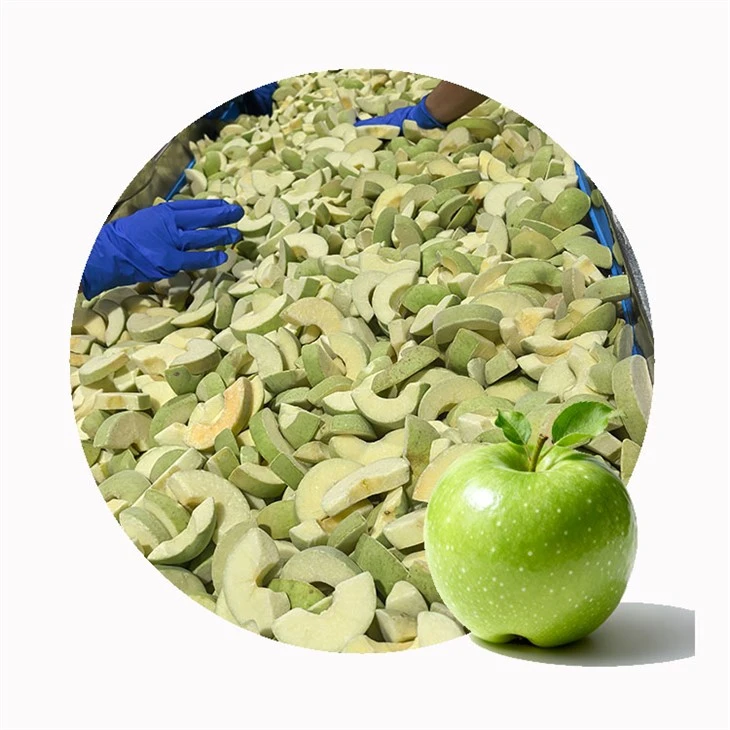
In our apple application work, we would first distinguish a slice intended to remain visible from fruit intended to break down into a spoonable preparation. The same starting cut can produce very different results after heating. With frozen green apple slices, the sensible trial is to follow the intended cooking method and check the finished piece, including any firm skin edge or core material.
Frozen apple is hard when the bag is opened. Keep it within its storage instructions and prepare it as directed before judging the eating texture. Seek dental advice for painful chewing, an unstable restoration or repeated food trapping. A swallowing disorder requires professionally specified food textures; ordinary apple preparation instructions are intended for people without that requirement.

Example: offer two apple textures at an adult lunch service
Imagine a workplace café that offers whole apples with lunch. Several adult diners ask for a choice that is easier to eat. One mentions an orthodontist's instruction to cut apples up; another simply prefers cooked apple. The café decides to offer an ordinary alternative while leaving individual dental instructions with each diner.
For a representative trial, the cook uses the same apple variety in two preparations: fresh pieces and plain cooked apple served with a spoon. No syrup is added. The trial asks different questions of each. Are the fresh pieces pleasant to handle and eat for those who choose them? Does the cooked option feel tender throughout, or are firm edges left among otherwise soft flesh?
The café keeps whole apples available and adds the cooked option under the straightforward name plain cooked apple. Any topping is listed separately. Diners can see what is offered and decide whether it fits their needs, without staff assigning a medical suitability claim to a general menu item.
This is also a sensible place to avoid unnecessary extras. A cook might instinctively add a crunchy crumble to make the soft option more attractive, which would defeat its purpose for some diners. Offering the topping separately preserves the intended choice. The useful feedback concerns actual eating comfort, flavor and whether the food is selected, rather than asking whether it feels healthier.
For a repeat menu, the foodservice and catering approach connects that eating requirement to a suitable prepared ingredient. The kitchen can then compare fresh preparation with a frozen starting material using the same finished dish. Convenience is valuable when it preserves the intended texture; a faster method that gives unwanted hard pieces has missed the point.
The café also gives the two preparations different utensils. Tongs suit the fresh pieces; a serving spoon suits the cooked fruit. That modest change helps staff preserve the form selected for each dish. If the cooked apple is served from a deep container, stir gently enough to distribute it without crushing every piece into sauce.
Prepare fruit safely and judge texture at service
Cutting creates another practical responsibility: clean preparation. FDA advice is to rinse produce under plain running water before peeling or cutting, use clean hands, and avoid soap or produce wash on the fruit. Pre-cut produce should be kept refrigerated. These steps belong to food hygiene; rinsing an apple and rinsing your mouth are separate actions serving different purposes.
In a kitchen, keep the preparation method simple enough to repeat. Use a stable cutting surface, remove core material, and examine the pieces before they enter a sauce or serving dish. Uniform appearance can help with presentation, but one large firm piece among tender pieces is more important to the eater than a small difference in shape. Check what will actually arrive on the spoon.
Our second check concerns the cooled or held preparation, not only the freshly cooked pan. Apple that seems suitably tender while hot may give a different impression at its intended serving temperature, especially when skin and flesh behave differently. For a non-clinical café dish, compare the first prepared portion with a later one under the kitchen's normal safe handling procedure.
Pack handling affects how reliably a kitchen can repeat that result. Choose a frozen inner pack that can be handled without repeatedly warming the unused fruit, and keep preparation directions with the ingredient after an outer carton is removed. The frozen packaging options are relevant to bag protection and kitchen handling, while tenderness belongs in the separate finished-dish check.
Describe the result literally: slices, dice, cooked pieces or smooth sauce, with any peel or other ingredients identified as appropriate. That gives the cook and diner something tangible to understand. A broad healthy-apple description is less useful when the actual question is whether the food requires a hard bite, leaves firm edges or needs a spoon.
Keep a small written description of the desired cooked result beside the recipe: pieces should retain their shape, or they should break down into sauce. Include the treatment of peel and the intended serving temperature. A change of cook then has a useful reference, and an unexpected result can be traced to the preparation rather than dismissed as a vague difference in quality.

Keep fruit eating separate from tooth treatment
Using fruit normally is different from rubbing it against teeth in the hope of whitening them. ADA guidance warns against prolonged contact with acidic fruit or vinegar as a homemade whitening method. An apple belongs in a meal or snack, not in a dental scrub. If appearance is the concern, a dentist can discuss appropriate options without sacrificing a useful food.
Likewise, an apple is a poor way to test a sore tooth. Stop forcing the bite and arrange an assessment if pain or sensitivity persists. NIDCR notes that early tooth decay may have no symptoms, while more advanced decay can cause pain or sensitivity. Comfortable apple eating therefore gives no all-clear about dental health, and uncomfortable eating is a reason to investigate rather than persevere.
The daily decision can stay uncomplicated. Enjoy a suitable apple if you want it, choose whole fruit rather than routinely replacing it with a sipping drink, and adapt preparation to comfort and professional advice. Keep brushing and cleaning between teeth as their own habits. A daily apple works best when it remains an ordinary, enjoyable food within a much wider routine.
For a cooked apple dish, share the intended cut, peel preference, preparation method and pack use. We can review a suitable frozen-apple sample for that food application. Discuss your apple preparation.
References
- CDC: Vegetables and fruits in healthy eating
- Rubido et al., PLOS One: Apple chewing and dental plaque
- American Dental Association: Toothbrushes
- ADA MouthHealthy: Diet and dental health
- ADA MouthHealthy: Dietary acids and tooth erosion
- ADA MouthHealthy: Sugary drinks and your smile
- Royal Devon: Instructions for a fixed orthodontic brace
- FDA: Cleaning fruits and vegetables
- ADA MouthHealthy: Natural teeth whitening
- NIDCR: Tooth decay