


Is Frozen Cauliflower Healthy? Nutrition, Cooking, and Buyer Checks
Aug 27, 2019

Yes. Plain frozen cauliflower can be a healthy vegetable choice, and freezing does not turn it into an inferior food. It remains low in energy while supplying fiber and micronutrients. In the USDA FoodData Central entry for frozen cauliflower that has been boiled, drained, and prepared without salt, 100 g provides 19 kcal, 2.7 g of fiber, 31.3 mg of vitamin C, and 41 micrograms of folate. Those figures describe that specific cooked food form, not every variety, brand, recipe, or production lot.
The useful question is therefore not whether frozen cauliflower is healthy in the abstract, but what is in the bag and what happens before it reaches the plate. Blanching, frozen-storage time, temperature control, and cooking can change individual nutrients and texture. Cheese sauce, breading, frying oil, or heavy seasoning can change the nutritional profile far more than freezing alone. Fresh cauliflower may suit raw dishes and crisp roasting, while frozen florets offer year-round convenience and less trimming waste. Neither form is automatically superior in every situation.
The short answer: Choose plain frozen cauliflower with a short ingredient list, intact packaging, and no sign of serious temperature abuse. Cook it according to the package directions and judge prepared products by their full label. It can contribute vegetables, fiber, vitamin C, and folate, but it is not a treatment or a guarantee of any health outcome.

What the Nutrition Data Can-and Cannot-Tell You
A nutrient database is a sound starting point, but the food form and measurement basis matter. The USDA values above are per 100 g of frozen cauliflower after boiling and draining without salt. A household serving may weigh more or less, and a commercial product may use a different cultivar, floret-to-stem ratio, blanching treatment, or cooking method. Water gain or loss also changes values expressed per 100 g, so a small numerical difference between fresh and frozen entries does not by itself prove that one form is better.
Fiber contributes to normal digestive function and helps add bulk to the diet. Vitamin C has established roles in collagen formation, antioxidant activity, immune function, and the absorption of iron from plant foods. Folate participates in normal cell division and other essential processes. These physiological roles explain why cauliflower can contribute to a varied diet; they do not show that a serving prevents cancer, cures illness, or produces a guaranteed change in immunity, digestion, or body weight.
Dietary quality is also broader than one vegetable. USDA MyPlate recognizes fresh, frozen, canned, and dried vegetables as forms that can count toward the vegetable group. In practical terms, a frozen option that is available and regularly used may be more valuable than fresh cauliflower that spoils before it is cooked. Variety still matters: cauliflower can be one part of a meal alongside other vegetables, protein foods, and grains or other carbohydrate sources according to the eater's needs.
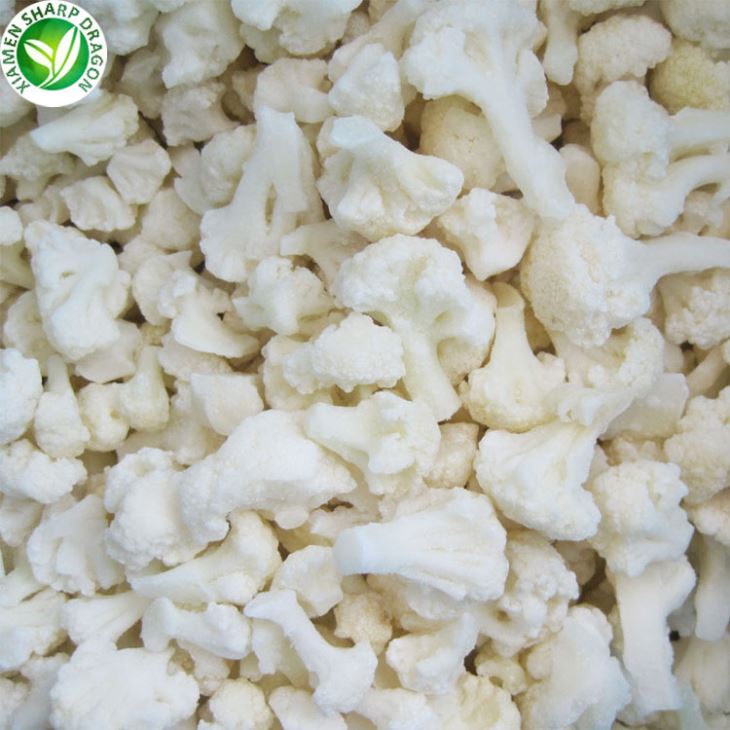
Does Freezing Destroy Cauliflower's Nutrients?
Freezing slows the reactions and microbial activity that cause deterioration, but nutrient retention is not all-or-nothing. Commercial vegetables are commonly blanched before freezing to control enzymes and stabilize quality. That heat and the water used in processing can reduce some water-soluble nutrients. Further change can occur during long storage or cooking. At the same time, frozen produce avoids some of the losses that can happen while fresh vegetables spend days in distribution and home refrigeration.
This is why studies and public-health guidance do not support a simple rule that fresh always wins or that frozen always retains everything. MedlinePlus describes frozen vegetables as an acceptable nutritional alternative, while research comparing fresh, fresh-stored, and frozen produce shows that results vary by nutrient and commodity. For cauliflower, vitamin C, folate, and plant compounds do not respond identically to blanching, storage, and cooking. The responsible conclusion is that plain frozen cauliflower remains useful nutritionally, not that every nutrient is unchanged.
Temperature language also needs precision. Minus 18°C is a standard frozen-storage condition; it does not, by itself, define the speed of the initial freezing process. Individually quick frozen, or IQF, processing is designed to freeze pieces separately and limit the formation of large ice crystals. That can improve free flow and reduce structural damage compared with slow freezing, but it cannot guarantee perfect cell integrity, identical texture to fresh cauliflower, or complete nutrient retention.
| Product form | What it does well | What to judge |
|---|---|---|
| Fresh cauliflower | Raw use, crisp texture, flexible cutting | Age, condition, trim loss, and time before use |
| Plain frozen florets | Convenient portions, year-round availability, reduced preparation | Ingredient list, blanching, cut, ice condition, and cooking result |
| Prepared cauliflower dish | Ready-to-cook convenience and consistent flavor | Full label, portion, sodium, saturated fat, sauces, and breading |
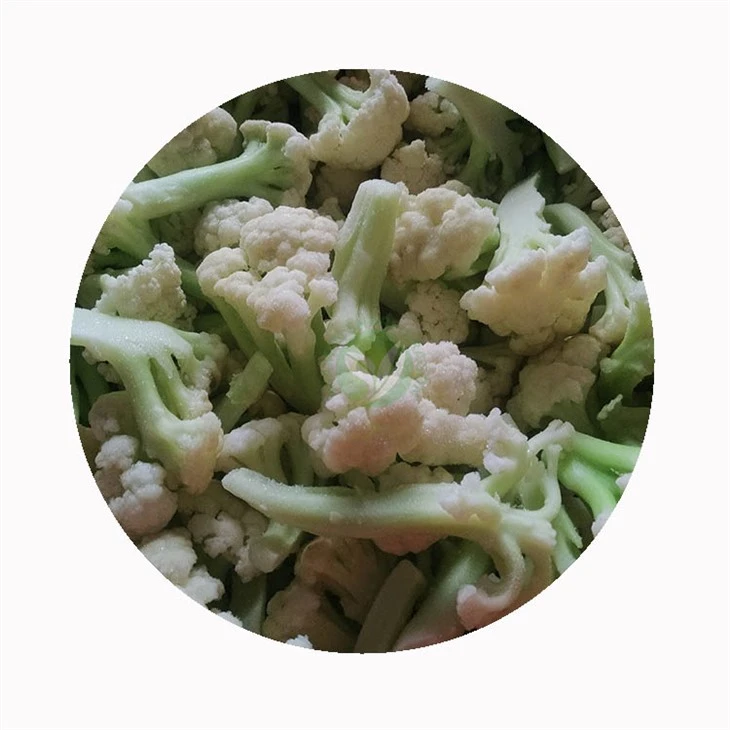
Plain Cauliflower and Prepared Products Are Different Foods
A bag listing only cauliflower is nutritionally different from cauliflower in cheese sauce, battered bites, pizza crust, or a seasoned rice blend. The vegetable may still be present, but added oil, cheese, starch, salt, and other ingredients can change energy density, sodium, saturated fat, and portion size. A health judgment about the plain ingredient cannot be transferred to the finished dish without reading its label.
For retail shoppers, the practical method is simple: start with the ingredient list, then compare the Nutrition Facts panel on the serving size you are likely to eat. If cauliflower is being used to replace rice or potato, compare complete plates rather than assuming the substitution guarantees weight loss or better blood-glucose control. Preparation and total meal composition determine the result. A large serving covered with sauce can be very different from steamed florets served with a modest amount of oil and seasoning.
For food manufacturers and private-label teams, the same principle belongs in product development. A clean ingredient declaration may be important for a plain vegetable SKU, while a value-added recipe needs a separate nutrition calculation and label review. The cauliflower specification, sauce pickup, coating ratio, and declared serving basis should all refer to the same finished formulation. Otherwise, a healthy-sounding front-of-pack message can become disconnected from the product the consumer actually receives.

Cooking Method Changes the Eating Quality
Frozen cauliflower often performs best when it moves directly from the freezer into the cooking process. Unnecessary thawing can release moisture and soften the florets before heat is applied. Steaming or microwaving can limit contact with cooking water, while roasting can drive off surface moisture and create browning. Boiling is useful for soup, mash, or purée, but prolonged boiling and discarding the water may increase the loss of water-soluble nutrients. The best method depends on whether the desired result is a firm side dish, a smooth base, or an ingredient in a longer-cooked recipe.
Avoid universal time claims. A 20–40 mm floret, a larger floret, and cauliflower rice do not cook at the same rate, and equipment varies. Follow the package directions first, then stop when the product reaches the texture required for the dish. For roasting, space the frozen pieces so released water can evaporate. For soup or sauce, account for water release before setting the final thickness. For foodservice batches, a small test under the actual oven, steamer, or kettle conditions is more reliable than a generic instruction.
A balanced use does not need to be complicated. Plain cauliflower can sit beside a protein food and another carbohydrate source, or it can be folded into curries, vegetable mixes, soups, and ready meals. People who are sensitive to cruciferous vegetables may notice gas or bloating, particularly with a large portion. Cooking thoroughly, beginning with a smaller amount, and observing individual tolerance is more proportionate than treating cauliflower as either universally soothing or universally difficult to digest.

Safety, Pesticide Residues, and the Cold Chain
Freezing and food safety should not be confused. Low temperature prevents microbial growth while the food stays frozen, but it does not sterilize the product. USDA guidance explains that microbes can become active again after thawing. Frozen produce should therefore be handled as directed on the label, kept separate from contamination sources, and cooked when the pack identifies it as a ready-to-cook rather than ready-to-eat product. A clean appearance is not proof that a food is free of pathogens.
Package condition and ice patterns help with quality judgment, although they are not complete safety tests. A torn seal, wet or collapsed carton, heavy frost, or a solid mass of pieces may indicate moisture entry or temperature fluctuation. Freezer burn usually affects dryness, color, and texture rather than automatically making food unsafe. When the thawing history is unknown or the package has been badly compromised, appearance alone cannot establish acceptance.
Pesticide residues require equally careful language. Freezing is not a pesticide-removal step, and neither frozen status nor greenhouse production proves that one product has higher residues than another. The FDA's FY 2023 monitoring report found residues in the U.S. food supply generally within established safety standards, but a market-wide report cannot certify a particular shipment. For a specific lot, the relevant evidence is compliance with the destination-market limit and, where required, traceable test documentation.
Safety note: Follow the product label for storage and preparation. If a frozen-vegetable package is damaged, has clearly thawed, or may have been held outside safe temperature control, use official local guidance or the supplier's documented disposition process rather than relying on smell or color alone.

How B2B Buyers Can Judge a Frozen Cauliflower Program
For an importer, food manufacturer, distributor, or retail brand, the question extends beyond a nutrient panel. The product must fit the application repeatedly. On the current XMSD frozen cauliflower page, the available discussion includes florets and cauliflower rice, with size and packing adjusted to the agreed specification. The buyer should still convert that broad product scope into measurable acceptance criteria for the intended recipe and destination.
Match the Form to the Nutrition and Label Objective
Start by deciding whether the project needs plain florets, green-stem pieces, smaller cuts, or cauliflower rice. The form changes stem-to-curd ratio, cook time, water release, and portion appearance. If the label is intended to describe a single-ingredient vegetable, confirm the ingredient declaration and any processing aids according to the destination requirement. If the cauliflower enters a formulated meal, validate nutrition on the finished recipe rather than copying a raw-material database value.
Test Texture and Yield Under the Real Cooking Process
A specification that states only a nominal floret size is incomplete for application approval. Prepare a representative sample from frozen using the actual oven, steamer, kettle, microwave, or production line. Record tenderness, breakage, drip loss, color, stem proportion, and usable yield at the target endpoint. A softer product may be acceptable for soup or purée but fail in a visible vegetable mix. Set the limit from application performance, then use the same method for subsequent lots.
Treat Packaging and Evidence as Part of Product Quality
Packaging must protect the product through frozen storage and distribution. Review seal integrity, bag strength, carton condition, label durability, lot coding, and the pack format needed by the channel. XMSD's overview of frozen-food packaging options shows the variables that can be discussed, but the approved material and print specification should be documented for the actual order.
Document review should be destination- and product-specific. Confirm which certificates, test reports, traceability records, temperature records, and shipping documents are required before order approval, then check validity, scope, product identity, and lot connection rather than accepting a logo on a sales page. The current XMSD certification and compliance page provides a starting point for requesting applicable originals and current supporting documents.
A defensible approval sequence is to define the application, agree the product and label specification, test a representative sample, confirm packaging and required records, and set arrival checks before shipment. At receipt, compare temperature evidence, carton and seal condition, piece separation, defects, and a standardized cooking result with the approved sample and written limits. This sequence turns a broad claim such as "healthy frozen cauliflower" into a product that is identifiable, testable, and suitable for its declared use.

XMSD sourcing note: We can discuss cauliflower form, floret size, packing format, destination documents, and a sample review method around the buyer's actual application. Final values and commitments should be confirmed in the agreed specification.
The Practical Verdict
Plain frozen cauliflower is a nutritious, practical vegetable for many people and many food programs. Its health value comes from the food itself and the way it fits into the complete diet-not from a promise that freezing preserves every nutrient or makes the product safer than fresh cauliflower. Choose the correct food form, read the complete label, use a cooking method suited to the desired texture, and respect the cold chain.
For buyers, the strongest evidence is not a broad "healthy" claim. It is alignment between the ingredient declaration, product specification, representative sample, processing and temperature records, packaging, destination requirements, and arrival performance. When those elements agree, frozen cauliflower can deliver both nutritional relevance and dependable application value without overstating what one vegetable can do.
References
- USDA FoodData Central: Cauliflower, frozen, cooked, boiled, drained, without salt
- USDA MyPlate: Vegetables
- MedlinePlus: Frozen Foods vs. Fresh
- NIH Office of Dietary Supplements: Vitamin C Fact Sheet for Consumers
- Li et al.: Selected Nutrient Analyses of Fresh, Fresh-Stored, and Frozen Fruits and Vegetables
- USDA FSIS: Freezing and Food Safety
- FDA: Pesticide Residue Monitoring Report and Data for FY 2023