


How Do You Know If Frozen Cauliflower Is Bad?
Aug 28, 2019

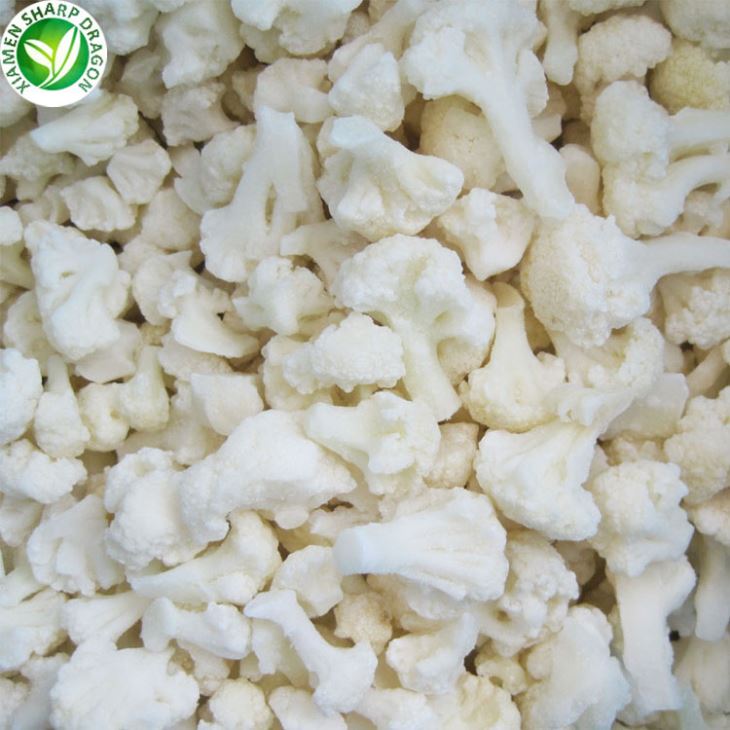
Frozen cauliflower is not automatically bad because it has a dry pale patch, loose frost, a few ice crystals, or a creamier color than fresh cauliflower. Those changes often point to freezer burn or declining quality. More convincing reasons to discard it are visible fuzzy mold, a leaking or contaminated package, a persistent objectionable odor after safe thawing, or florets that have become slimy and abnormally soft. The product's temperature history matters just as much as its appearance: food that has stayed continuously frozen is a different case from a bag that thawed warm and was later refrozen.
A black or brown mark therefore needs context. A dry discolored spot may be a blemish or a quality defect; spreading fuzzy growth is a mold warning. A hard block of florets may reflect pressure in the carton, surface moisture, or partial thawing, so clumping alone cannot prove either safety or spoilage. Check the package, the cold-chain history, the frozen appearance, and-when the history is acceptable-the odor and texture after cooking or safe thawing. If the thaw history is unknown or the product shows clear spoilage, do not taste it to decide.
The short answer: discard frozen cauliflower with visible mold, an objectionable odor, sliminess, leakage, contamination, or an unsafe or unknown warm-thaw history. Treat dry discoloration, surface frost, and freezer burn first as quality evidence, not automatic proof that the food is unsafe.

First Separate Safety from Quality
Freezing prevents microorganisms from growing while the food remains frozen, but it does not make a contaminated product sterile. Once food thaws, surviving microorganisms can become active again. This is why a continuous cold chain matters: a bag held at a stable freezer temperature presents a different risk from one left warm long enough for microbial growth and then frozen again.
Quality can decline without the same safety implication. When air reaches the food, moisture can leave the surface and form freezer burn. The affected tissue may look pale, grayish, tan, or brown and can become dry, tough, or dull in flavor. Ice crystals can also grow during long storage or temperature fluctuation, damaging cells and increasing water release during cooking. These defects may make the cauliflower unsuitable for a premium retail pack or a texture-sensitive recipe, even when the available evidence does not show that it is unsafe.
Appearance and odor are useful spoilage clues, but they cannot certify safety. Some harmful microorganisms do not make food look or smell bad. Use sensory checks only after confirming that the product was stored and thawed safely; never use a taste test to settle a doubtful case.
What the Main Warning Signs Actually Mean
No single visual cue answers every case. The most useful judgment comes from combining the surface condition with package integrity, temperature evidence, and what happens after controlled thawing or cooking. The table below separates common observations by the decision they support.
| Observation | What it may mean | Practical decision |
|---|---|---|
| Dry pale, tan, or brown patches without fuzz | Freezer burn, surface drying, or another quality defect | Check storage history and odor; reject for quality if texture or flavor no longer fits the use |
| Loose frost or crystals inside an intact bag | Moisture migration, long storage, or temperature fluctuation | Treat as a quality signal and investigate whether the product partially thawed |
| A large solid block, wet carton, broken seal, or leaking bag | Compression, package failure, moisture entry, or possible thaw-refreeze exposure | Isolate the package and verify receiving temperature and cold-chain records before accepting it |
| Fuzzy growth, sliminess, objectionable odor, or abnormal wet softness | Mold or spoilage is more likely | Discard or reject; do not taste and do not rely on cooking to rescue a doubtful product |

Black Spots Need Context, Not an Automatic Verdict
A dark spot is not a diagnosis. Official frozen-cauliflower grading language treats dark blemishes as measurable quality defects and separates them from flavor, odor, softness, color defects, and overall appearance. This is useful because it shows why a buyer should quantify a blemish rather than label every dark mark as one disease. A small dry mark, a large soft dark patch, and fuzzy black growth are not equivalent observations.
If the mark is dry and isolated, the package is intact, and the cold-chain history is sound, the issue may be limited to appearance and eating quality. If dark areas are wet, spreading, fuzzy, or accompanied by slime or an objectionable odor, discard the product. USDA guidance notes that mold can extend below the visible surface and that foods heavily covered with mold should be discarded. With small frozen florets in a shared bag, removing one visibly moldy piece does not provide reliable control of the rest of the package.
A Safe Two-Stage Check at Home
Check the product first while it is frozen, then evaluate odor and texture only after safe cooking or thawing. The order matters because thawing on the counter can create a new handling risk and make the original condition harder to judge.
- Confirm the history. Read the label and check whether the freezer stayed cold. After a power loss, FDA guidance says food that still has ice crystals or is at 40°F (4°C) or below can be refrozen or cooked. If you do not know how long it was warmer than 40°F, discard it rather than guessing.
- Inspect the unopened package. Look for open seams, punctures, leakage, unusual swelling, heavy external staining, or a wet and weakened carton. Surface frost alone is not the same as contamination, but damaged packaging reduces confidence in the product.
- Check the frozen condition. Note whether florets are free-flowing, lightly clustered, or frozen into a dense block. Record dry patches, dark marks, and the distribution of ice. A single observation is a clue; a repeated pattern across the bag is stronger evidence.
- Cook from frozen when the label allows, or thaw safely. FDA lists the refrigerator, cold water, and the microwave as safe thawing methods. Food thawed in the microwave should be cooked immediately. Do not leave cauliflower on the counter to test how it smells later.
- Make the final sensory check without tasting. Normal cauliflower has a characteristic cabbage-family aroma, especially when cooked. Reject a persistent objectionable odor together with slime, abnormal wet softness, visible mold, or other clear spoilage.
The appropriate path depends on what evidence is available. If the package remained frozen and intact, dry surface damage can be judged mainly as a quality issue. If the product partially thawed but still contains ice crystals or measures 40°F (4°C) or below, official guidance allows it to be cooked or refrozen, although another freeze-thaw cycle may reduce texture. When neither time nor temperature can be established, sensory clues cannot fill the evidence gap.
Cooking from frozen can reduce handling and often suits small florets, but it does not repair mold, contamination, or unsafe temperature abuse. Follow the package directions for the specific product. If thawing is required for a recipe, use a controlled method and keep the inspection separate from tasting: a doubtful smell, slippery surface, or spreading fuzzy growth is a reason to stop, not a reason to sample the food.
Safety note: appearance and smell cannot prove that temperature-abused food is safe. When the warm-thaw history is uncertain, use temperature records and official handling guidance rather than a taste test.

Why the Product Can Look Worse Without Being Spoiled
Frozen vegetables continue to change physically during storage. Moisture can move from the food to the package headspace and redeposit as ice, while exposed surfaces dry. FAO's freezing guidance describes moisture migration as a major cause of texture and palatability changes and identifies freezer burn as a quality defect that can produce dry, tough, brownish areas and off-flavors. Packaging that limits moisture and air transfer helps reduce this damage.
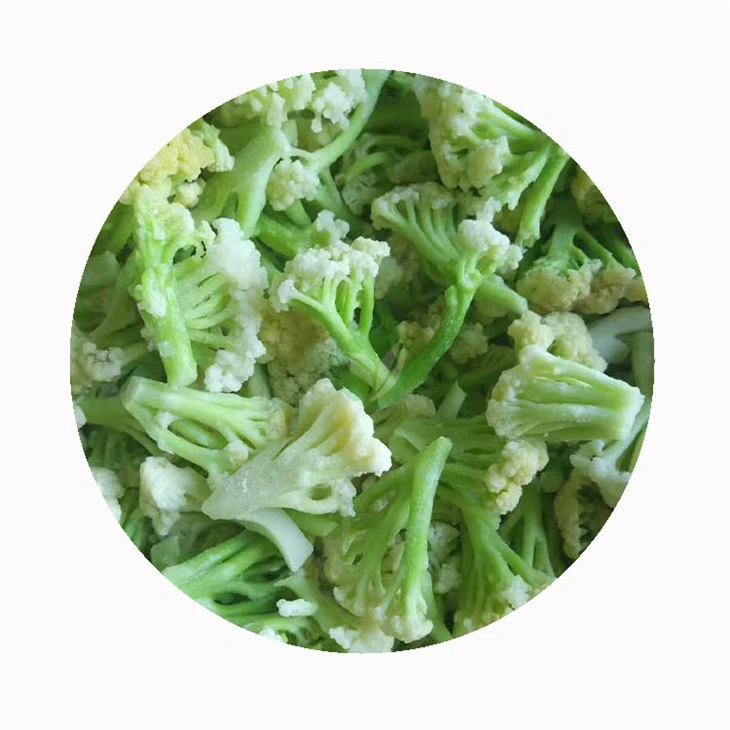
Processing and product form also affect what the buyer sees. Blanching is normally used before freezing vegetables to slow enzyme-driven quality deterioration, but raw-material maturity, floret size, blanching control, freezing rate, storage duration, air exposure, and cooking method can all change color and texture. Green-stem cauliflower will not match the visual expectation for a white-floret specification, and small broken pieces can dry faster than large compact florets. Judge the product against its agreed form rather than one universal picture of "good cauliflower."
A best-before or best-quality date is another quality tool, not a stand-alone safety test. Follow the manufacturer's storage instructions and any destination-specific rule, but also consider package integrity and temperature history. A date cannot make a temperature-abused product acceptable, and passing a date does not prove that a continuously frozen product suddenly became hazardous.

How Commercial Buyers Should Judge an Incoming Lot
For an importer, distributor, foodservice buyer, or processor, the question is not simply whether one floret looks unusual. The decision is whether a representative sample meets the agreed specification and whether the shipment evidence supports cold-chain control. Start by defining the product style, size range, acceptable color, stem proportion, limits for dark and light blemishes, fragments, softness, and objectionable odor. The current XMSD frozen cauliflower formats illustrate why florets, green-stem cauliflower, and customized cuts need different visual expectations.
First buyer perspective: measure the pattern, not the worst piece. Sample across multiple cartons and bag positions, count or weigh the relevant defects, and record whether discoloration is isolated or repeated. USDA's frozen-cauliflower standard provides one example of separating dark blemishes, softness, color defects, fragments, and normal flavor and odor. It should not be copied automatically into every private contract, but it demonstrates the value of defined terms, sample units, and tolerances. Acceptance must match the destination market and end application.
Second buyer perspective: connect clumping to evidence. A compact block can be caused by pressure, moisture, or partial thawing. Compare several cases, inspect inner-bag seals and carton condition, measure receiving temperatures according to the agreed plan, and review available transport or logger records. Heavy internal ice, wet corrugate, distorted packs, and the same clumping pattern across a pallet deserve escalation. Strong frozen-food packaging controls help protect quality, but the physical pack and shipment evidence still need to be checked at arrival.
Third buyer perspective: test the intended application. A frozen visual check cannot fully predict cooked performance. Prepare matched samples under the same method and compare odor, color, tenderness, stem toughness, drip loss, breakage, and flavor. A slight color variation may be acceptable in soup or a mixed vegetable blend but fail a premium retail-floret standard. Conversely, a visually white lot can still be unsuitable if it has an objectionable odor or collapses during the buyer's cooking process.
Write the Acceptance Method Before Shipment
The specification should state who samples, how many cartons are checked, which condition is assessed frozen, which test follows cooking, how defects are measured, and what triggers hold, reinspection, rejection, or a commercial quality discussion. This prevents a photograph of one dark floret from becoming the entire decision and prevents genuine lot-wide deterioration from being dismissed as normal variation.

XMSD sourcing note: We can discuss frozen cauliflower form, floret size, packing format, sample evaluation, and application-specific acceptance points before quotation.
Final Thoughts from XMSD
To know whether frozen cauliflower is bad, do not treat every black spot or ice crystal as the same problem. Separate quality loss from spoilage, verify the temperature history, inspect the package, and judge odor and texture only after safe handling. At home, discard clear mold, slime, objectionable odor, contamination, or food with an unsafe or unknown warm-thaw history. In commercial receiving, define measurable defect limits and apply them to a representative sample together with packaging, temperature, and cooked-performance evidence.
References
- USDA FSIS: Freezing and Food Safety
- USDA FSIS: Molds on Food-Are They Dangerous?
- U.S. FDA: Refrigerator Thermometers-Cold Facts About Food Safety
- FAO: Freezing of Fruits and Vegetables
- USDA AMS: Frozen Cauliflower Grades and Standards
- XMSD operational experience in frozen-food sourcing, IQF processing, quality control, packaging, and B2B export coordination.