


When Edamame Is a Poor Fit: Allergy, Form and Portion
Jan 06, 2020

Edamame is a useful food for many people. These tender green soybeans add protein, fiber and a pleasantly firm bite to meals. They are a poor choice for someone with a soy allergy, however. A product that needs cooking is also a poor choice for eating straight from the freezer. Those are specific, important problems; they do not make every serving of edamame harmful.
Most everyday decisions are less dramatic. Does the bag contain pods or shelled beans? Is it plain or heavily seasoned? How much of it will you eat, and what else is in the meal? A bowl of salted pods, a measured spoonful of kernels and a concentrated soy supplement have different uses. Start with the food in front of you instead of assuming that a claim about one applies to all three.
We find edible portion and intended use particularly helpful when comparing frozen products. A large-looking pod serving can contain surprisingly little bean, while a small pouch of kernels contains almost entirely usable food. Once those differences are clear, choosing an appropriate product becomes much easier.
First, recognize edamame as a soy food
Edamame is soybean harvested while the beans are still green and tender. The beans sit inside a fibrous pod that diners generally discard. Shelled edamame is often called mukimame; removing the pod does not change the ingredient into a different legume. Both forms contain soy. This matters when a menu uses an unfamiliar Japanese name without giving the ingredient identity underneath it.
For a person with a diagnosed soy allergy, cooked edamame is still unsuitable. Boiling, shelling or choosing an organic product does not make avoidance unnecessary. Soybeans are among the major food allergens identified by the U.S. FDA. An allergic person should follow their clinician's avoidance and emergency plan, rather than use a small taste to test whether a new brand feels safe.
Hives, swelling, wheezing or breathing difficulty after eating require a different response from simply disliking a bean's texture. Severe symptoms need urgent medical attention. Digestive symptoms alone cannot reliably diagnose or rule out an allergy either. If a reaction is suspected, stop eating the food and seek medical assessment; keep the packaging so the ingredients and lot can be checked.

Health Canada's soy guidance specifically includes edamame among names consumers should recognize. It also recommends checking labels each time because formulations may change. That advice is especially useful with snack assortments: a plain pod bag and a chili-seasoned bag can look almost identical from the front. The ingredient panel tells you more than the green beans pictured on either package.
Plain beans and soy supplements answer different questions
Soy discussions often jump from a familiar food to a concentrated ingredient without explaining the change. Edamame is a whole food containing water, protein, carbohydrate, fiber and naturally occurring plant compounds. A supplement may isolate soy protein or concentrate isoflavones. Serving a spoonful of beans with lunch is not equivalent to taking a measured extract every day for a health effect.
NCCIH lists edamame among common soy foods and treats supplements separately. Its summary notes that effects can vary with product type and population. It also reports that bloating and other digestive symptoms can occur. This supports a sensible distinction: use edamame as food, and discuss concentrated products or medication concerns with a qualified health professional. Neither a supplement benefit nor a supplement caution supplies a universal verdict on dinner.
A food label is also not a personalized treatment plan. Someone following a prescribed diet may need help fitting protein, minerals or meal timing around their own needs. Give the clinician the actual product and serving rather than asking whether all soy is good or bad. There is no need for a generally suitable food to claim that it balances hormones, prevents disease or replaces treatment.
Choose the edible portion before judging the nutrition
The edible part is the bean, so the pod should not be included in a nutrition comparison as though you were going to eat it. This sounds obvious until two bags are compared by price per kilogram or a recipe lists an amount of edamame without saying whether it is shelled. A weighed portion of kernels and the same weight of pods deliver different amounts of food.
A half cup can be a practical kitchen measure, but it is not a fixed medical recommendation or a reliable weight for every product. Bean size, how tightly the cup is filled and whether the beans are frozen or drained can affect the result. If you want repeatable portions, weigh one serving after the preparation you actually use, then choose a scoop that gives a similar amount.
Use nutrition information for the matching form. Figures for dry mature soybeans should not be attached to moist green edamame. A seasoned product may also differ from plain frozen kernels. The package panel is the useful starting point for a branded food; a food composition database should identify the species, maturity and preparation closely enough to support the comparison you intend to make.

Protein and fiber make the beans useful in a meal that otherwise consists mainly of rice or noodles. They contribute substance as well as color. That does not mean adding an unlimited bowl to an already complete meal is necessary. Decide whether the beans are taking the place of another ingredient, supplying part of the main dish, or appearing as a small side. The rest of the plate still matters.
Salt and sauce can change a perfectly ordinary serving
A plain bean bag gives the cook control over seasoning. A restaurant appetizer may arrive with visible salt crystals, while a ready-seasoned pouch can contain oil, sugar and several sauce ingredients. These additions are part of the food you eat. Calling a snack plant-based does not make the amount of salt irrelevant, and a sweet glaze cannot be evaluated from the bean's nutrition alone.
For U.S. labels, the FDA's general sodium guide treats 5% Daily Value or less per serving as low and 20% or more as high. Read the stated serving beside that percentage. Eating two servings doubles the labeled sodium contribution. Comparing two packages on the same edible amount is more useful than choosing whichever has the smaller number printed in a differently sized serving column.
Surface salt on pods is awkward to estimate by sight. Some remains on the discarded shell and some reaches the mouth or beans during eating. Avoid inventing a precise reduction from rinsing. Choosing an unsalted version and measuring the seasoning added at home offers a more dependable starting point. Lemon, garlic or chili can provide flavor, but check any prepared blend for its full ingredients.
Sauce also changes allergen information. Sesame dressing may introduce sesame; a sauce may contain wheat or another ingredient relevant to a guest. A menu that correctly marks soy on plain edamame can become incomplete after a recipe change. Keep the sauce with the bean specification when checking suitability. Removing the garnish after serving does not reverse contact that has already occurred.
A practical example: improve the snack without blaming the bean
Consider a hypothetical household comparison, not a clinical trial. One snack pouch lists 300 mg sodium for 75 g of edible seasoned beans, and the person routinely eats the full 150 g pouch. That is 600 mg sodium. A plain alternative lists 20 mg per 75 g; the same 150 g amount provides 40 mg before anything is added. The difference in this invented label example is 560 mg.
The cook chooses the plain version, heats it according to its instructions and seasons it with lemon and a measured amount of their usual spice mixture. They keep the edible quantity the same for the comparison. The useful result is control over the seasoning and a transparent calculation. It is not proof of weight loss, lower blood pressure or a particular response in the person eating it.
This example also shows why a large bag need not be treated as one portion. Pouring a chosen amount into a bowl makes the meal decision visible, while eating directly from the bag makes it harder to track. If digestive comfort is the concern, note the actual edible amount and the rest of the meal. Persistent symptoms deserve assessment rather than repeated experiments with suspected allergens.
Frozen does not automatically mean ready to eat
Edamame often undergoes blanching before freezing, but a process name does not tell the consumer that all further cooking is optional. Check the product's intended use. A bag marked to cook before consumption needs that step even if the beans look bright, soft or clean. A cold salad can contain cooked and cooled edamame; it does not require uncooked thawed beans.
The University of Maine Cooperative Extension advises consumers to check whether frozen vegetables are ready to eat and follow the cooking instructions when they are not. The practical distinction is on the package, not in the color of the product. Thawing, rinsing or briefly warming a handful is not an interchangeable substitute for an instruction that requires thorough cooking.
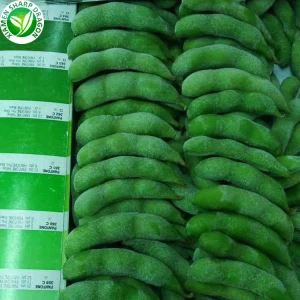
For the kitchen, in-pod and shelled frozen edamame offer different handling options. Pods suit an appetizer where diners shell the beans themselves. Kernels are easier to portion into bowls, rice and fillings. Confirm the appliance, quantity and preparation on the selected pack, including any stirring or standing instructions. A method for a small saucepan cannot simply be assigned to a deep catering tray.

For chilled service, plan the cooling and storage as carefully as the cooking. Use the operation's food-safety procedure, protect the cooked beans from contamination and keep them within the applicable holding limits. A restaurant should validate its method for the batch size and equipment it uses. This is especially important when a hot ingredient is prepared well before the salad it will eventually join.
Why a good-looking pod may be poor value for a bowl
Pods add presentation, but they also add shelling work and discarded material. For a bowl assembled behind the counter, shelled edamame kernels are often the more practical starting point. The comparison should include usable bean weight, labor and the condition of the beans after preparation. An attractive price on gross pod weight may not remain attractive after those differences are counted.
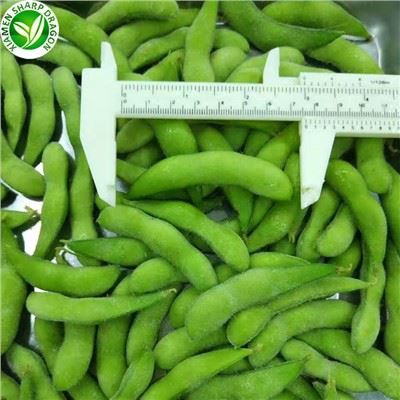
We would compare bean fill before judging an in-pod sample by its outer size. A long pod with poorly filled beans can yield less than expected. Open a representative portion rather than selecting only the largest pods. For kernels, look at whole beans, split pieces and loose skins separately. A soft filling can tolerate a different mix of pieces from a salad where every bean is visible.
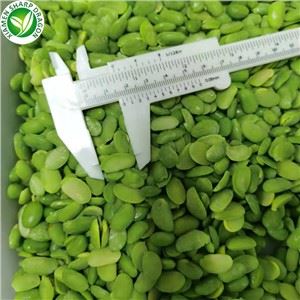
A caliper helps describe size, while a color reference makes visual comparison more consistent. Neither establishes whether a particular bag is ready to eat. Keep those observations beside the specification and preparation instructions, with the sampled lot identified. That way a size complaint does not become confused with a food-safety question, and a bright sample does not stand in for missing product information.
Worked example: buy enough beans, not just enough pods
Here is an illustrative foodservice calculation. A kitchen plans 100 bowls with 80 g of accepted cooked kernels each: 8 kg of edible beans in total. In a hypothetical trial of edamame supplied in pods, 1 kg of prepared pods yields 0.53 kg of accepted kernels after shells and rejected beans are removed. At that measured 53% recovery, 8 ÷ 0.53 gives about 15.1 kg of prepared pods.
If another sample gives only 47% accepted recovery, the requirement rises to about 17.0 kg. Both figures refer to the same prepared-weight basis; a separate frozen-to-prepared yield is needed to turn them into an order quantity. These are invented trial values, not XMSD yield promises. Their purpose is to show why an operation should measure its own sample with the method it plans to use.
The buyer can then compare that result with a shelled product. Whole-kernel appearance may matter enough to justify a tighter broken-bean limit, or a mixed filling may use the smaller pieces effectively. Include the staff time spent shelling and the cost of discarded shells. A gross kilogram comparison misses those costs and can mislead both the kitchen budget and the planned edible serving.
Keep product changes visible from purchase to service
A clear brief starts with who will eat the product and how it will be used. A soy-free menu rules out edamame entirely. A general menu may use it with appropriate allergen communication. For a flavored retail snack, the complete formula and intended preparation matter more than a broad health slogan. Name the form, serving basis and seasoning before choosing packaging or artwork.
The edamame processing overview is useful background for discussing sorting, blanching, cooling and freezing. For an actual order, ask which specification applies to the quoted product. We would match a sample review to the final application: visible beans in a bowl, pods served as an appetizer, or pieces blended into a filling. Acceptance should follow that use rather than an unrelated photograph.
Keep the approved formula linked to its ingredient and allergen declarations. If plain kernels become a chili-sesame snack, review the seasoning and printed pack together. If the portion changes, recalculate the nutrition information on the correct basis. If a supplier proposes an alternative form, check the cooking method and yield again. These are separate changes with different practical consequences.
A focused discussion of people who may need to avoid edamame belongs alongside, rather than in place of, product information. For the general consumer, the aim is straightforward: know that edamame is soy, cook it as directed, portion the edible beans and account for the seasoning. For a person with a particular medical concern, individual advice takes priority over a general food description.

Suitability also includes enjoyment. Firm kernels can give rice a welcome contrast, while the same firmness may seem out of place in a smooth soup. If the intended dish is a spread, blend a properly cooked sample and check for loose skins or graininess. If it is a salad, taste the beans after the full cooling and dressing sequence, not only when warm from the pan. Acid, sauce thickness and the other ingredients change the eating experience. The aim is a dish people want to eat, with the bean contributing something specific. More edamame is not automatically a better recipe.
A useful food when the fit is right
There is no need to turn edamame into either a miracle ingredient or a list of alarming exceptions. Plain cooked kernels can make a bowl more substantial; pods can be an enjoyable side; a seasoned version can suit a different occasion. The sensible choice depends on the eater and the complete product. Allergy, cooking status and portion are worth checking because each leads to an action you can actually take.
A good everyday decision can be simple: choose the form that suits the dish, prepare it according to the pack and serve an amount that fits the meal. For purchasing, add a measured yield and an application trial. That keeps both the food and its limitations in proportion, without asking a soybean to solve every nutrition problem or treating normal food choices as medical treatment.
If you are comparing pod and kernel formats, send the intended dish, edible serving, seasoning and destination. We can help organize the product and sample questions. Discuss the edamame specification.