


Is Eating Broccoli Every Day Healthy? A Meal-Prep Guide
Jan 09, 2020

Yes, eating broccoli every day can fit a healthy diet if you enjoy it, tolerate the amount and continue eating a range of other foods. Broccoli contributes fiber and nutrients, including vitamin C and vitamin K. Repeating it is an option, not a requirement, and eating it more often is not a treatment for illness.
For many households, the harder question is practical: should you cook a little each evening or prepare several portions in advance? Both can work. Daily broccoli does not have to mean keeping one large cooked batch in the refrigerator for an entire week.
If you cook ahead, plan the storage before turning on the stove. USDA household guidance gives cooked leftovers a refrigerator window of three to four days under proper handling; later meals need a different arrangement, such as freezing suitable portions promptly. The date, the cold storage and the reheating method matter alongside the food's nutritional qualities.

Keep the daily health answer in proportion
Broccoli is one useful vegetable among many. Its fiber adds to the fiber obtained from other vegetables, fruit, beans, whole grains, nuts and seeds. Vitamin C contributes to its nutrient profile, while vitamin K explains why people taking warfarin need specific dietary advice. None of this means a person must finish a large bowl every day to receive a benefit.
The broader eating pattern still needs to provide enough energy, protein and other nutrients. A familiar broccoli side can sit beside rice and fish, pasta and beans, or potatoes and eggs. It need not replace those foods. CDC healthy-eating guidance emphasizes a range of nutrient-dense foods; keeping a convenient favorite is compatible with that approach when the rest of your diet remains varied.
Appetite and comfort are useful guides to ordinary portions. If a planned amount repeatedly feels excessive, prepare less rather than forcing it because a container has already been filled. If you dislike broccoli, another vegetable can do the everyday job. A sustainable food choice should give you flexibility, not a rule to feel guilty about breaking.
For a more detailed discussion of variety and personal tolerance, see our guide to building a daily broccoli routine. Once you have decided that broccoli suits your meals, the next decision is how far ahead to prepare it.
Choose between ingredients ready to cook and meals already cooked
These are two different kinds of convenience. Keeping broccoli available to cook lets you adjust dinner to your appetite and schedule. Cooking several portions at once reduces later preparation, but creates cooked food that needs prompt chilling, dated storage and suitable reheating. Neither method is inherently the healthier choice; choose the one you can handle reliably.
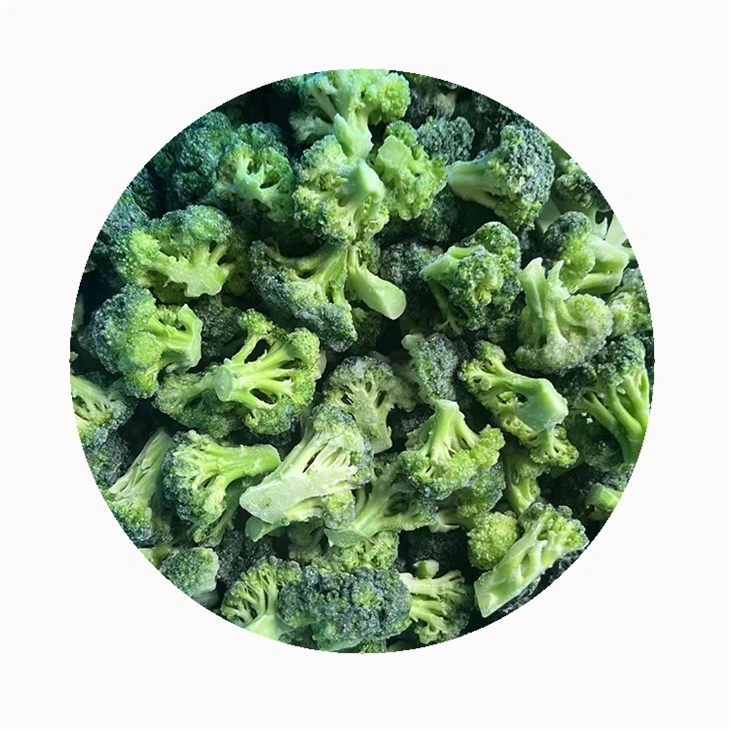
Frozen florets can be useful when meal times change. Remove what you need while maintaining the storage conditions on the pack, and cook according to its directions. A frozen vegetable's green appearance does not establish that it is ready to eat. FDA guidance specifically tells consumers to follow the cooking instructions for commercially frozen foods.
A fully cooked lunch box is a different product from the frozen ingredient used to make it. Once broccoli has been cooked and combined with other foods, the finished meal needs its own handling plan. The unopened freezer-pack date is not a storage instruction for cooked leftovers.
At XMSD, we would distinguish a side cooked for immediate eating from a component that will be chilled and reheated. The second use exposes the florets to another heating cycle, so the texture you want at dinner may differ from the texture immediately after initial preparation. Our frozen broccoli range provides a starting point for discussing the ingredient form, rather than a ready-made safety plan for a finished lunch.

Give cooked broccoli a clear cooling and storage route
USDA advises dividing larger amounts of cooked food into shallow containers for rapid cooling. Refrigerate promptly, within two hours of cooking or removal from a device keeping the food hot. When the surrounding temperature is above 90°F, approximately 32°C, the room-temperature limit is one hour. Hot food can go directly into the refrigerator; waiting on the counter until a deep pot feels completely cold is unnecessary.
Arrange the containers before cooking. That simple preparation removes the temptation to leave a full pan beside the stove while you search for lids, finish another chore or wait for a family member. A shallow food-storage container should hold the intended portion without compressing a mound of hot broccoli into a deep mass.
FDA recommends keeping a home refrigerator at 40°F, about 4°C, or below and a freezer at 0°F, or -18°C. Check the appliance with a thermometer rather than assuming its dial describes the actual temperature. Leave enough room for cold air to circulate, and protect cooked food from drips and contact with raw ingredients.
Write the cooking date on the container. If several people share the refrigerator, add a short description of the contents and the intended meal. A clear label saves somebody from treating Sunday's broccoli as food cooked yesterday. A date is information, however, not proof that chilling or storage was correct.
Keep the timing relevant to the actual meal. A container intended for tomorrow is a different planning problem from one intended for the end of next week. Decide which is which while the food is being put away, rather than making that decision only when the refrigerator portion is already old.

Worked example: three lunches, but not three consecutive days
Imagine a person cooking broccoli on Sunday evening for lunches on Monday, Wednesday and Friday. This is an illustrative household plan, not a prescribed eating schedule. The important input is the gap between cooking and eating, not whether the three containers hold the same weight.
Monday and Wednesday fall within the usual USDA three-to-four-day refrigerator window when the food has been handled correctly. Friday is about five days after Sunday evening, so the cook should not plan to leave all three portions refrigerated until then. A practical choice is to cool and store the earlier portions appropriately and freeze the Friday portion promptly during the original preparation.
Label the frozen portion for its intended meal, then plan a safe route back to eating. Refrigerator thawing is one option. Reheating suitable frozen leftovers directly is another, with enough time to heat them fully. Leaving the container on a worktop all morning is not part of either plan.
The schedule can also be simplified by cooking the Friday broccoli on Friday. The choice depends on whether the person values fewer cooking sessions or fresher cooked texture. Freezing the portion is useful only if they are willing to eat that thawed and reheated texture; otherwise, keeping an uncooked frozen ingredient available may fit better.
The Friday portion now has a suitable storage route instead of simply spending the full working week in the refrigerator. Broccoli eaten on other days can come from a freshly cooked portion or a different dish. The preparation schedule supports the meals; it does not determine how often a person ought to eat the vegetable.
If an appointment cancels Wednesday lunch, reconsider that portion while it is still within its safe storage period. A meal calendar should be allowed to change. Preparing fewer meals in the first place is often easier than maintaining a freezer full of portions saved after every unexpected change.

Preserve an appealing texture without compromising cooking
Broccoli crowns and stems behave differently in a dish. Crowns break into small buds more easily, while a thick stem can remain firm after the outside has softened. For meal prep, this matters because the food will be handled, chilled and heated again. Small, fragile fragments may be suitable in soup but less attractive as the distinct green pieces in a lunch bowl.
Our ingredient judgment at XMSD is to consider that final use before treating all pieces as interchangeable. A mixture that is pleasant when served directly from a pan may become too soft for someone who prefers a recognizable floret after reheating. That is a quality observation, not a reason to shorten required cooking or reheating.
Follow the product's preparation instructions first, then choose a recipe that suits the resulting texture. If your preferred frozen broccoli becomes soft in a twice-heated side dish, use it in a soup, a mash or a deliberately soft filling, or cook a smaller portion just before eating. Trying to keep it firm by ignoring the directions solves the wrong problem.
Drain as the recipe requires, without leaving cooked food waiting at room temperature to dry. Excess liquid can collect in a lunch container and dilute a sauce. Keeping a dressing separate until the meal can help preserve the intended flavor and keep a dry accompaniment from becoming wet.
Judge texture at the point you actually eat, not just at the stove. A single portion prepared through your normal chilling and reheating route can show whether the recipe suits you before you commit to several meals. This is a taste check on safely handled food, not a method of testing whether uncertain food is safe.

Keep a packed broccoli lunch cold during the journey
A refrigerator at the destination helps only after the lunch reaches it. USDA recommends an insulated lunch bag with at least two cold sources for perishable packed food, such as frozen gel packs. Start with thoroughly chilled food, pack shortly before leaving and use the workplace refrigerator on arrival if one is available.
Think through the actual journey. A direct commute followed by immediate refrigeration differs from carrying lunch through errands, leaving it in a parked car and finding that the shared refrigerator is full. If the route is unpredictable, choose a lunch that you can keep appropriately cold or arrange to eat something else.
Make the cold-storage space part of the plan. Before preparing a week of boxes, check whether your refrigerator and lunch bag can hold the portions alongside the other food you need. A large container that fits poorly may be less convenient than a smaller one, even if both contain the same ingredients.
The broccoli is not exempt because it is a vegetable. A cooked broccoli-and-chicken lunch, a vegetable pasta dish and cooked broccoli on its own all require attention to handling. Keep the safe storage needs of the whole meal in view rather than judging the box by its greenest ingredient.
For frozen-food packaging discussions, the useful questions include pack format, access and protection during handling. Household lunch containers have an additional job: they must fit the way food will be chilled, carried and heated. Attractive packaging cannot compensate for a missing cold source.

Reheat the portion you intend to eat
For household leftovers, USDA advises reheating to 165°F, approximately 74°C, and checking several places with a food thermometer. In a microwave, cover appropriately and rotate or stir for even heating. Follow the equipment and container instructions, including suitable venting and any required standing time.
A bowl can be hot at its edges while the center remains cooler. This is particularly relevant when broccoli is mixed with denser foods or packed tightly. A steaming lid is not a measurement of the coldest part of lunch. Arrange the food so heating is reasonably even and check more than one location.
Portioning before storage makes this simpler. You can take the intended meal out without warming the entire batch, and the portion is easier to arrange in its reheating container. It also keeps a second person's meal out of your preparation while they are still deciding when to eat.
A timer that worked for a small box yesterday may not suit a larger box today. Starting temperature, portion depth, microwave power and the other ingredients affect the heating process. Use time as an aid to the process, while the appropriate temperature check establishes whether the leftovers have reached the target.
If safe reheating leaves the broccoli softer than you prefer, change the next preparation method or cook it close to mealtime. Do not choose a lukewarm center merely to retain a firmer bite. A good meal-prep recipe accommodates the necessary handling rather than making safety and enjoyment compete.
Practical example: two people eating dinner at different times
Consider two adults sharing a home. One eats at 6 p.m.; the other expects to arrive at 9 p.m. Both enjoy a broccoli side, and the freezer contains a bag of plain florets with cooking directions. The shared ingredient is convenient, but the three-hour gap makes one cooked bowl left on the counter a poor plan.
The first person can cook only their own portion and leave the remaining ingredient correctly stored until the second person is ready. The later diner then follows the directions for a freshly cooked portion. This avoids making a cooked vegetable wait for an uncertain arrival time.
Alternatively, cook both portions, promptly cool and refrigerate the later one, and reheat it appropriately when needed. This shifts the cooking work to the earlier evening. The later diner accepts another heating cycle and potentially softer broccoli in exchange for less preparation.
Suppose the later diner sends a message saying they will eat out. With the first option, there is no additional cooked portion to manage. With the second, the household already has a dated, refrigerated portion to plan into the next meal within the appropriate period. The earlier decision determines how much work a schedule change creates.
A small catering operation faces a related distinction between immediate service and delayed service, but it needs its own approved food-safety procedures and local requirements. We would ask about the actual preparation and serving route when discussing a foodservice broccoli application. Household leftover guidance should not be copied into a commercial process as though it were a complete operational plan.
Personal tolerance and medicine advice still apply
Safe meal prep and digestive comfort answer different questions. NIDDK identifies cruciferous vegetables, including broccoli, as possible sources of gas for some people. If a larger portion causes discomfort, a smaller amount may suit you better. Repeated or troublesome symptoms are a reason to seek advice, not to keep increasing broccoli in the hope of forcing adaptation.
Some people prefer the feel of cooked broccoli to raw florets. That preference can guide the recipe, but cooking does not guarantee freedom from gas. Pay attention to the other foods in the meal as well. A broccoli dish containing beans, rich sauce or ingredients that you personally tolerate poorly has more than one possible source of discomfort.
For people taking warfarin, broccoli's vitamin K matters. NHS advice is to discuss major dietary changes with the clinician or warfarin service, and to keep vitamin K intake consistent rather than abruptly eliminating green vegetables. Do not adjust medicine to accommodate a meal-prep plan. The plan should fit the professional advice you already have.
These exceptions should remain specific. They are not reasons for everyone to avoid daily broccoli, and a freezer full of portions is not a reason to disregard them. Personal dietary needs, comfortable eating and sound food handling belong together.
Questions that come up after the first batch
Does normal smell prove that cooked broccoli is safe? No. FDA distinguishes the organisms that cause obvious spoilage from those that may cause illness without a clear change in appearance or smell. If you cannot establish the cooking date or safe handling, do not use tasting as a test.
Can a new container give older food a new storage period? Changing the container does not change the food's history. Keep the original cooking date with the portion. This is especially helpful in a shared refrigerator, where repacking can otherwise erase the only clue to when the meal was made.
Can I store a mixed broccoli dish according to the vegetable alone? Consider every ingredient and the preparation history of the complete dish. Rice, meat, dairy-based sauces and other additions have handling needs too. Keep the finished meal together with its cooking date and relevant instructions, rather than assigning a separate safe period to its broccoli pieces.
Should I eat prepared broccoli even when I no longer want it? There is no need to force a portion. Plan smaller amounts next time, or arrange suitable freezing early enough when you know a meal will be delayed. A daily vegetable habit can accommodate changing appetite without sacrificing safe handling or crowding out other foods.
For a frozen broccoli ingredient enquiry, describe whether the dish is served immediately or chilled and reheated, the preferred piece form and the pack size you can handle. Send XMSD your application details so we can review the relevant product information. Keep recipe handling and any commercial safety procedures specific to your own operation.