


How to Make Hot Pot: Broth, Ingredients and Small-Batch Cooking
Jun 10, 2020

To make hot pot, prepare a broth you like, arrange ingredients by type, bring the broth to a boil and cook manageable batches until each food is thoroughly done. Keep utensils for raw ingredients separate from those used for cooked food. Add fresh batches as people eat instead of filling the pot with everything at once. The result should be a meal you can follow, with recognizable ingredients and enough room to cook them properly.
For a first attempt, a clear stock or a packaged hot-pot base prepared according to its instructions is easier to control than an improvised mixture of fried spices. Choose vegetables, mushrooms, tofu and a limited selection of other ingredients with clear preparation directions. Have the broth, utensils and serving bowls ready before bringing chilled food to the table. A crowded table with no place for clean tools makes an otherwise simple meal harder to manage.
Cooking time cannot be reduced to a single number for every hot-pot ingredient. Thickness, whether a food starts frozen, the quantity added and the equipment all affect the process. A bubbling broth is a starting condition, not proof that the middle of a dumpling or meatball is cooked. Follow the product directions and use an appropriate food thermometer where needed.

Set up the pot before preparing the spread
Use cooking equipment intended for the location and follow its instructions for the pan, power supply, ventilation and maximum fill. Leave space for ingredients to displace broth without overflowing. Place the pot where diners can reach it without leaning across someone else's plate or carrying raw food above a clean bowl. Keep the route to the kitchen clear for replacing ingredient trays.
A practical table needs a broth ladle, tools for putting raw food into the pot, separate tools for removing cooked food, and individual eating utensils. Give the raw-food tools an obvious resting place. A different color or shape helps people recognize them, but the arrangement only works if everyone understands the distinction. Explain it before the first tray arrives.
Keep sauce bowls away from the raw-food area. Leave napkins and spare clean utensils within easy reach. If the table is crowded, bring ingredients from the kitchen in rounds.
Think about who will manage the pot. At an experienced table, diners may coordinate naturally. For a first meal, one person can call out when raw ingredients have been added and when a batch is ready to check. That small role prevents one diner from collecting food while another is still loading uncooked pieces beside it.
Choose a broth that leaves room for the ingredients
A clear vegetable or meat stock gives you a straightforward starting point. Select a stock appropriate to the diners and prepare it according to the recipe or pack directions. Taste with a clean spoon before adding raw ingredients. Decide whether it needs more seasoning at this stage, remembering that dipping sauces will contribute their own flavor.
Measure a concentrated base and its dilution water. Color is a poor measure of strength, and an extra spoonful of paste may change saltiness, oil and heat together. Keep the pack directions beside the measuring jug.
Keep additional suitable broth or water available for topping up, and handle it carefully. As the level falls, do not assume that adding more concentrated base is the answer. First consider whether the problem is reduced volume or weak seasoning. After adding liquid, let the pot recover its boil before continuing the cooking sequence.
If the household likes different levels of heat, a mild common broth with individual chili condiments can simplify the first meal. This is a flavor choice, not an allergy-control method. A divided pot may accommodate two tastes, but shared utensils, splashes and the ingredients themselves still need attention when someone must avoid a particular food.
Build a short ingredient list with contrasting textures
Start with a few ingredients that have different jobs: a leafy vegetable, a firmer vegetable, a mushroom, a tofu product and a noodle or other starch. Add meat or seafood only where it suits the diners and you can handle its preparation correctly. There is no need to cover the entire table with every available product to make the meal feel complete.
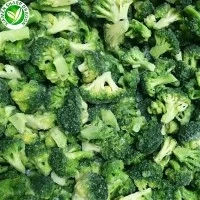
The frozen vegetable range includes forms that can be considered for broth cooking, but choose by the actual cut and instructions. Small loose pieces are easier to distribute than a large solid block. A product that is convenient for a blended soup may be awkward to retrieve with a hot-pot strainer. The serving tool should influence the ingredient choice.
Leafy pieces and firm slices do not need to enter the pot together. Keep them on distinguishable trays so you can control their texture separately. For a firm vegetable such as sliced lotus root, look at thickness as well as the diameter of the slice. A photograph taken from above can hide a substantial difference in thickness.
For mushroom ingredients, decide whether you want whole recognizable pieces or slices that distribute through a bowl. We would compare their cooked bite and how easily they can be lifted from the broth. Very small fragments may be useful in another recipe but can make a shared pot harder to serve neatly.
Check whether a frozen ingredient is raw, blanched or fully cooked. Its appearance cannot tell you which preparation steps are needed. Keep the directions available after the outer carton is moved away.

Prepare ingredients separately and keep reserves cold
Food Standards Australia New Zealand advises using separate equipment for raw meat and foods that will be eaten without further cooking, and avoiding washing raw chicken because splashes can spread microorganisms. Apply that separation before the table is set. Prepare ready-to-eat garnishes with clean equipment and protect them while the remaining raw ingredients are handled.
Wash fresh vegetables under running water as appropriate. Follow the instructions for prewashed or frozen products rather than adding an unnecessary thawing or washing step. Trim and cut the fresh ingredients before the meal so knives and raw-food preparation do not become part of the activity around the boiling pot. Dispose of packaging without putting it on the clean serving area.
Keep chilled and frozen supplies in their specified storage conditions until needed. Hong Kong's Centre for Food Safety recommends chilled hot-pot products at 4 degrees C or below and frozen products at -18 degrees C or below. If a product requires thawing, plan refrigerator space in advance. Do not use a long period on the dining table as a defrosting method.
Some products are intended to cook from frozen; others need preparation first. Follow the actual pack. If pieces are fused into a block, do not assume that the cooking directions for separate pieces still describe that block. Obtain suitable instructions or use the permitted preparation method before starting the meal. This matters especially when a frozen center is hidden inside a larger item.
A reserve tray should remain a reserve, under proper temperature control. Putting all the evening's food on the table at the beginning creates a handling problem without improving the first round. Bring out smaller amounts and replace trays as needed. Keep track of time out of refrigeration for each tray instead of treating a return to the fridge as a fresh start.

Cook in rounds that people can follow
Singapore Food Agency advises starting with boiling broth, avoiding excessive loading and not collecting food or drinking broth immediately after raw ingredients have been added. That guidance gives a useful rhythm: load a manageable batch, let it cook properly, check it, serve it, then start the next batch. The sequence becomes confusing when new raw pieces arrive continuously from several sides.
Group items that can be managed with a compatible cooking method. A thick filled dumpling should not be judged by the appearance of a nearby leaf. Keep the food moving as its instructions require, with enough broth around the pieces. If loading causes the pot to lose its boil, wait for recovery rather than counting the whole interruption as equivalent cooking time.
Do not overload the strainer either. A tightly packed basket may prevent broth from contacting the food evenly. Use it to control and retrieve suitable portions, not to compress a full tray into one bundle. The pot and the basket each impose a practical limit, and the smaller working space may determine how much can be handled in a round.
Move finished food to clean bowls. Keep the raw tray and its tongs out of that serving area, including the rims of bowls and the dipping sauces.
If a guest adds something unexpectedly, pause and identify what entered the pot. The answer may be to continue cooking that round rather than lifting food immediately. A short spoken reminder is more useful than relying on everyone to remember which piece belonged to which person. The shared broth makes the cooking process shared as well.
Check the food, not just the surface of the broth
For larger hot-pot pieces, the Centre for Food Safety specifies a core temperature of at least 75 degrees C. Its shellfish advice is more stringent: an internal temperature of 90 degrees C for 90 seconds is one stated option. These are food temperatures, not a claim that the same brief dip is suitable for every item. Follow the relevant food-specific instructions and local guidance.
Use a clean thermometer suitable for the size of the food and follow its placement instructions. Measure the food rather than touching the probe to the metal pot or reading only the surrounding liquid. If the piece is difficult to measure reliably, that is a reason to use a suitable preparation method and product directions, not to replace the check with a guess.
FSANZ specifically recommends at least 75 degrees C at the center for poultry, minced or rolled meats, and offal. For a first home hot pot, choosing a smaller variety of clearly instructed products makes these different requirements easier to manage. A large selection of unfamiliar raw ingredients asks the diners to make more cooking decisions while they are also eating and talking.
Texture still matters after the safety requirement is satisfied. A vegetable can be properly cooked but softer than you wanted, and a mushroom cut can be difficult to lift without falling apart. Adjust the next batch size, ingredient form or sequence on the basis of that observation. Do not shorten a required safety step merely to preserve a preferred bite.

A four-person vegetable round
Illustrative example: a host prepares 600 g of vegetables and mushrooms for one part of a four-person meal. That is 150 g per person if divided evenly, before allowing for cooking changes. The amount is a planning example, not a recommended daily portion or a complete meal. Other foods and individual appetites still need to be considered.
The host separates the 600 g into four labeled 150 g trays in the kitchen, grouping the ingredients by the preparation they need. The decision is whether to display everything or bring out one tray at a time. Choosing successive trays leaves more room around the pot and keeps the unneeded reserve under proper storage conditions. Each tray can still be divided into smaller cooking batches.
The first round reveals that the chosen firm slices take longer to reach the preferred texture than the leafy pieces. The host starts those components separately in the next round, while still following the necessary cooking instructions. The practical result is a clearer sequence and less overcooked leaf material. It is not evidence that 150 g is the maximum safe load for every burner.
Write down what actually worked: product form, approximate batch amount, preparation state and the final texture. Avoid recording only a cooking time without those conditions. A future pack with a different cut may need a fresh trial, even if the product name has not changed. The notes should help you reproduce the result, not create a false universal rule.
Keep sauces and dietary requirements clear
Use individual dipping bowls and clean serving spoons for shared condiments. Do not dip a utensil that handled raw food into a sauce that will be eaten without cooking. The Centre for Food Safety also advises against ordinary raw egg in dipping sauces because of the risk from Salmonella. A sauce should add flavor after cooking, not introduce an untreated raw ingredient by accident.
Check the complete ingredient statements for broth bases, tofu preparations, noodles and sauces when a diner has a food allergy. The FDA identifies ingredients including soy, wheat, sesame, fish and crustacean shellfish among the major allergens in the United States. Their presence cannot reliably be judged from the name or color of a sauce.
For an allergic diner, follow their established avoidance requirements and medical advice. Do not promise that a divider in a common pot or a quick rinse of a utensil provides adequate separation. If the shared arrangement cannot meet the person's needs, prepare an appropriate separate meal with the necessary ingredient and handling controls. Resolve that before raw food reaches the table.
A vegetable-filled bowl may contain an animal-based stock or sauce. For vegetarian diners, check the whole ingredient list before choosing the broth and condiments.
How a foodservice kitchen can trial a new cut
Illustrative example: a restaurant is comparing two mushroom cuts for a hot-pot menu. It prepares equal 500 g samples under the suppliers' stated conditions and divides each into five 100 g trial portions. These are hypothetical test inputs, not XMSD specifications. The objective is to find a cut that cooks suitably and can be served cleanly with the restaurant's existing strainer.
The chef uses the same broth recipe and equipment for the comparison and records the cut, starting state and cooking procedure. In this hypothetical trial, the smaller fragments pass through the strainer, while the larger slices remain easy to retrieve after appropriate cooking. The chef selects the larger cut for a service trial. That result concerns this menu and equipment; it does not make large slices preferable in every mushroom recipe.
We would ask the kitchen to describe any failure specifically. Did small pieces pass through the strainer? Did the largest pieces remain too firm after the required cooking? Did the mix make portioning difficult? Each observation points to a different change. A request for a different cut or a tighter size range is more actionable than saying the mushrooms were unsuitable.
For foodservice and catering, repeat the promising trial within the intended service routine before accepting a new ingredient. Staff need to understand its storage, preparation and serving instructions. Keep the successful sample identification and the agreed product details together so later deliveries can be compared with the same requirement.

Finish the meal with a storage decision
Decide what remains before clearing the table: unopened ingredients kept correctly, raw ingredients brought out for service, cooked food, and broth do not all have the same history. Do not mix exposed leftovers back into a protected supply. Preserve the identity and storage directions of any unused product you retain.
FoodSafety.gov advises refrigerating perishables within two hours, or within one hour when exposed to temperatures above 32 degrees C. It recommends shallow containers for prompt cooling of leftovers. A large pot left on the counter is not a cooling plan. If you cannot establish how long food has been outside safe temperature control, do not save it on the strength of its smell.
Choose pack sizes with that final stage in mind. We would compare the amount normally used in a service with the handling of the remaining opened product. Our frozen packaging information supports discussion of those requirements. Keep the inner-pack identification available when cartons are removed, so kitchen staff can retrieve the correct product instructions.
For the next meal, change only the features that caused a problem. Fewer varieties may improve coordination; a different cut may improve retrieval; a smaller tray may make the table easier to manage. Good hot pot comes from a workable sequence that diners can follow, as well as a broth and ingredients they enjoy.

For a commercial hot-pot menu, send us your vegetable or mushroom requirements, including cut, preparation method, serving equipment and packing needs. We can review the product form with your intended use in mind.