


How to Cut a Mango: Cheeks, Slices, Cubes and Useful Trim
May 17, 2022

Cut off the two fleshy cheeks alongside the mango's flat stone, then divide the flesh into slices or cubes on a stable board. Scoop it from the peel with a spoon.
The useful result is mango you can eat in the intended dish. A fruit plate, a salsa and a blended dessert ask different things of the cut. Some pieces need to look regular; others only need to contribute usable flesh. Making that distinction before you start can save both fruit and unnecessary cutting.
Understand the fruit you are about to cut
Mango is a stone fruit with a large, flattened seed enclosed in a woody husk. UF/IFAS describes differences in fruit shape, size and colour among varieties, with edible flesh ranging from pale yellow to deep orange. That variety is one reason a fixed cutting distance taken from a photograph will not fit every mango.
Choose the fruit for its role in the meal. The National Mango Board advises using gentle pressure rather than colour alone to judge ripeness: ripe fruit gives slightly, while unripe fruit is firmer and more tart. A red patch is not proof of ripeness. For a sweet fruit plate, select fruit that suits that eating experience instead of assuming any mango with a bright skin will do.
Before bringing out the knife, decide where the prepared flesh will go. Put its bowl beside the board and leave another space for peel and the centre section. The board should have enough clear room for the next piece you are handling. A heap of finished fruit beside the blade makes the task unnecessarily awkward, especially if you are preparing several mangoes.
Start with one fruit. It will show you how its flesh behaves and how closely the useful pieces match your planned dish. There is little benefit in arranging an entire batch for one cutting pattern before seeing the result from the first mango.

Separate the cheeks, then make the desired cut
FDA guidance calls for washing produce under running water before peeling or cutting, using clean hands and utensils, and keeping fruit for raw eating separate from raw meat and its tools. Do not put soap or detergent on the mango. Its peel is being removed, but the knife still passes through the surface on its way to the flesh.
Use the cheek-cutting sequence, then collect the remaining flesh:
- With the stem end uppermost, cut down alongside the stone to remove one cheek. Repeat on the opposite side. If you meet hard resistance, stop and move the cutting line outward.
- Place a cheek skin-side down on the board. For slices, make parallel cuts through the flesh without piercing the peel. For cubes, add cuts across the first lines.
- Slide a spoon between flesh and peel to lift out the pieces. Keep the spooned fruit in the prepared bowl while you work on the other cheek.
- Set the central piece securely on the board and remove accessible strips of flesh around the stone. Separate their peel and keep the usable flesh.
A cube pattern can be wider or narrower according to the dish. Cutting many close lines is extra work if the mango will simply be blended. For a bowl eaten with a spoon, try a few pieces in the bowl before dividing the second cheek. You can still change the arrangement at that point without recutting everything.
Keep fingers outside the blade's path, and reposition a piece that will not sit securely.
For a first attempt, concentrate on cleanly separated edible flesh. A slightly irregular piece is a useful result. The appearance can become more consistent with practice; trying to reproduce a decorative photograph is not the purpose of the cutting sequence.

Give the remaining flesh a useful place
There will usually be different shapes in the prepared bowl: broad pieces from the cheeks, narrower strips, and smaller portions that do not make neat cubes. Consider what each can do before treating the irregular pieces as waste. For a household fruit course, they may all be welcome in the same bowl. A plated dessert might use them in separate roles.
For example, keep a few broad slices for the visible part of a plate and use the smaller sound pieces in a mango spoonful beside them. You do not have to cut the best-looking slices down to match every smaller piece. Nor does a fruit mixture need to look as though every portion came from the centre of a cheek.
At XMSD, we separate the amount of usable mango from the amount that meets a particular presentation. A cook may accept all sound flesh for a blended component but only certain pieces for a visible topping. Calling both quantities "mango yield" hides that difference. The useful question is which portion the actual recipe will use, and whether the remaining edible fruit has another planned purpose.
This distinction matters even before there is a purchasing decision. Suppose you are making a fruit plate and a small mango mixture for the same meal. Choosing the plate pieces first leaves a clear pool of flesh for the mixture. Choosing them at the last moment may mean dismantling something you have already prepared. The work is easier when the two roles are decided together.
Use a separate bowl for peel and the discarded centre so those materials are not mistaken for prepared fruit. Move usable flesh into its own container as you work. The aim is a clear separation between what will be eaten and what will not, rather than a crowded pile requiring another sort at the end.
Do not confuse an irregular shape with spoilage. FDA advises cutting away damaged or bruised areas and discarding rotten produce. A blended recipe is not a way to hide fruit that should be thrown away. Only sound edible pieces belong in the alternative use.
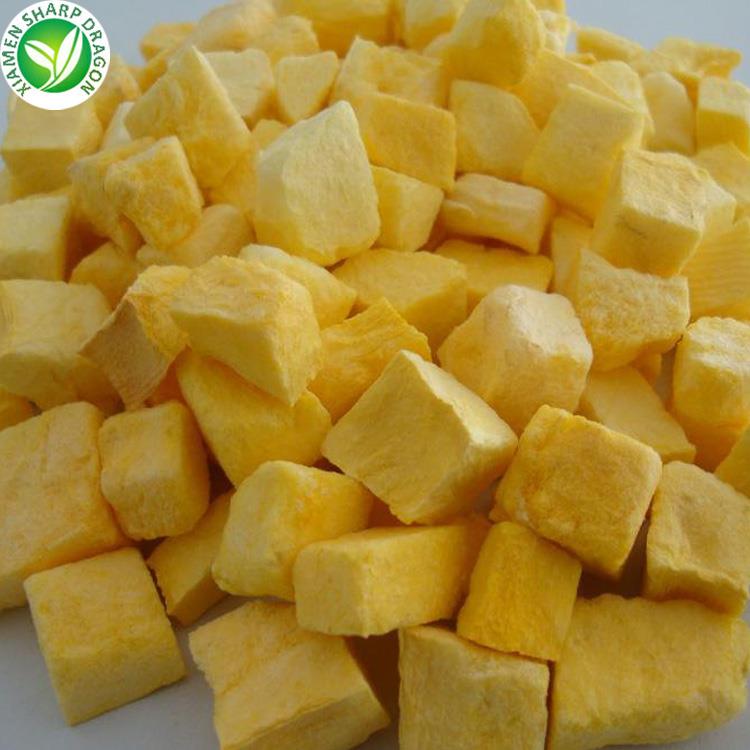
Fit slices, cubes and softer flesh to the dish
The same mango can be divided differently depending on how someone will eat it. A long slice gives a visible fruit shape on a plate; shorter pieces make it easier to combine mango with another ingredient in a spoonful. Use the serving dish and utensil to judge the result, rather than choosing a size from a photograph alone.
|
Planned use
|
What the cut needs to do
|
A useful first check
|
|---|---|---|
|
Fruit plate
|
Keep the mango visible as separate pieces
|
Can a diner lift a piece comfortably with the supplied fork?
|
|
Salsa
|
Distribute mango among the other ingredients
|
Does an ordinary spoonful contain a workable mixture?
|
|
Small dessert cup
|
Fit fruit into limited space
|
Does one large piece crowd out the other components?
|
|
Blended mango component
|
Supply flesh to be blended
|
Is extra work on matching corners serving any purpose?
|
Practical example: a household has two mangoes for a sliced breakfast plate and a blended dessert. One fruit gives pieces that hold their shape, while the other has softer, sound flesh. In this illustrative situation, use the first for the visible slices and the second for the blended recipe. Both can serve the meal without forcing the softer fruit into cubes that the dish does not need.
The choice is made from what the fruit actually does during preparation. If a piece breaks as it is lifted, that is useful information for choosing its role. It is not a reason to press harder through the rest of the flesh or repeatedly recut it to imitate the firmer fruit. The household gets a plate with recognisable pieces and a second preparation where shape is unimportant.
For a salsa trial, place the mango beside the chopped ingredients before mixing. If the mango pieces dominate the spoon, try a smaller cut on the remaining portion. If they are difficult to distinguish in the mixture, a larger piece may suit your preference. Those are recipe choices, not a universal rule that every mango cube must have the same dimensions.
Once the cut works, prepare the rest in the same style for that dish. Leave another preparation free to use a different style. One mango cutting session can reasonably produce several forms when the menu has several jobs for the fruit.

Plan the next use before making a large bowl
Cut the amount you have a use for and put the prepared fruit into suitable storage when preparation is finished. FDA advises refrigerating produce purchased pre-cut. Home-prepared pieces also need an appropriate handling plan; do not let the act of preparing fruit become an excuse to leave it out through a long cooking session. A clean container makes the next use more practical than a crowded board.
If you want to preserve a surplus of sound ripe mango, the National Center for Home Food Preservation provides a specific freezing method. Its unsweetened tray pack arranges prepared slices on a pan, freezes them and then transfers them to sealed containers. It also describes a purée option. This is guidance for home freezing; it does not describe the processing of a purchased IQF product or guarantee fresh-fruit texture after thawing.
Choose between retaining pieces and preparing a blended form according to the recipe you expect to make. If the plan is a blended mango ingredient, elaborate cubes add preparation without a clear benefit. If you want identifiable fruit pieces, retaining a suitable cut gives you that option. In either case, the contents should still be recognisable to the next person using the container.
For a household, a simple description such as mango slices or mango purée helps distinguish containers that may look similar when frozen. Include any added ingredients in that description. The next recipe can then use the intended item instead of discovering that a preparation already contains something it does not need.
Storage planning should follow the form that exists now. A whole mango awaiting preparation, fresh cut pieces and a sealed frozen ingredient are different items. This article's cutting method does not supply a common shelf life for all three. Follow the preservation method or product directions relevant to the actual food rather than copying a number from a different mango product.
For immediate service, keep the organisation simple: prepared fruit in its bowl, inedible material set apart, and the serving dish ready. That leaves the final arrangement as a short task rather than another round of cutting while other food waits.

Compare freshly prepared flesh with a supplied cut
A kitchen may decide to begin with a prepared mango ingredient instead of whole fruit. That removes the work of separating the flesh from the stone in that kitchen, but it also means choosing a form that is already defined. The relevant comparison is what each route delivers to the recipe, including the piece shape and the preparation required before serving.
Compare the forms listed in a frozen mango range against the actual pieces your recipe needs. A request for cubes has a different aim from a request for mango slices to arrange on a plate. Give the cut a job before deciding whether it is a good match. More uniform-looking pieces are useful only when the menu benefits from that uniformity.
Follow the purchased product's intended-use and preparation directions. Peeled or frozen does not by itself mean ready for an uncooked serving. A package photograph shows the form at one point; the prepared ingredient needs to be assessed in the dish where it will be used. For a cold dessert, that includes whether the pieces keep the arrangement you intended after the instructed preparation.
For a blended recipe, compare a small amount using the normal equipment and other ingredients. Shape may matter less than it does for a topping, but convenience still includes how the ingredient is portioned and introduced to the recipe. Avoid changing the mango amount, other ingredients and method all at once, because the next result will be harder to interpret.
In foodservice and catering, we judge a supplied cut by the dish it produces and the amount of flesh that reaches the portion. A dessert with visible slices and a mango component blended into a base need different information. That distinction gives a sample review a clear purpose without turning an ordinary kitchen trial into a general test of whether mango is a good fruit.
Package size comes after that choice. It should make sense for the quantity the kitchen normally prepares and for the product's handling directions. Read the relevant frozen packaging information alongside the ingredient description. A pack convenient for a large blended batch may be awkward for a kitchen making only a few visible fruit portions.

Calculate the flesh needed for forty dessert cups
Worked example: a catering kitchen plans 40 dessert cups, each containing 30 g of prepared mango. The hypothetical recipe requires 40 × 30 g = 1,200 g, or 1.2 kg, at the stage used to fill the cups. This is a portioning calculation for a dish, not a recommended daily amount of fruit.
To compare whole-fruit preparation, suppose a separate illustrative kitchen trial starts with 2 kg of whole mangoes and produces 1.3 kg of usable flesh. The yield in that example is 1.3 ÷ 2 = 0.65, or 65%. Applying the same assumed yield to the proposed recipe gives 1.2 kg ÷ 0.65, approximately 1.85 kg of whole fruit before any additional allowance. The 65% is a hypothetical input, not a standard mango yield or an XMSD promise.
The word usable matters. If the 1.3 kg includes soft or irregular flesh that the chosen dessert cannot use, the example no longer represents the recipe's accepted ingredient. The kitchen would need a figure for the flesh it actually accepts for those cups. Alternatively, it could revise the presentation to use that fruit. The maths should follow the dish the team has chosen.
A supplied prepared ingredient can be compared with the same 1.2 kg requirement. Keep the weighing stage consistent: a recipe defined by fruit after a preparation step should not be compared with another product measured before that step. Naming the stage makes the two quantities interpretable without inventing an allowance for every possible mango.
Before scaling the recipe, assemble a few cups using the intended 30 g. See whether the amount gives the fruit presence you want and whether the cut is easy to portion. If the cook changes the fruit quantity, recalculate from that new amount. A correct multiplication will faithfully reproduce a recipe decision, including a decision that needs changing.
The practical endpoint is a bowl of prepared mango suited to its next use. Some cooks will reach it from whole fruit; others will select a supplied form. In both cases, understanding which flesh is needed, how it is divided and where it enters the dish is more useful than trying to make every mango look like the same demonstration photograph.

Choosing a prepared mango cut? Share the dish, required fruit form and prepared quantity. We will review the relevant ingredient and packing options.
References
- National Mango Board: preparing mango slices and cubes
- National Mango Board: choosing fresh mango
- UF/IFAS: mango fruit structure and variety differences
- FDA: selecting and serving produce safely
- National Center for Home Food Preservation: freezing mangos (2014 guidance)
- Household and catering examples are illustrative. Recipe quantities and the 65% preparation yield are hypothetical, not recommended portions, standard fruit yields or XMSD specifications. Product photographs illustrate fruit forms, not the steps of a kitchen trial.