


How to Cook Frozen Green Peas
Jun 05, 2024

Cook frozen green peas according to the instructions on the specific package. If the product says it must be cooked, use the stated method, amount and cooking time before eating or adding it to a cold dish. Peas may have been blanched before freezing, but blanching does not establish that they are ready to eat.
Boiling, steaming and microwaving can all produce a useful side dish when the product instructions support that method. For soup, rice, pasta or a pan dish, make sure the peas receive the full required cook: adding them at the last moment may leave too little time. Color and tenderness are quality checks, not proof that the required cooking step occurred.
For salad, prepare a cook-required product as directed first, cool it promptly and keep the finished dish refrigerated. An explicitly ready-to-eat product is a different case; use its actual instructions and maintain clean handling. If the intended-use status is missing or unclear, ask the supplier before using the peas cold.

Start with the package and the intended dish
Find the storage statement, preparation instructions and intended-use language before choosing a method. A plain loose product, a seasoned side and a microwave steam bag can require different equipment and directions. The label may specify cooking directly from frozen, a particular quantity, water, appliance power, covering or standing time. Keep these instructions with the product when moving stock into another container.
Read the complete directions before starting, not only the number of minutes. The stated time may begin after the water returns to a boil, or it may include a standing period in a microwave. Altering the quantity, pan depth or equipment changes the heating conditions. When the directions do not cover the intended method, obtain instructions from the manufacturer or use a method that is provided rather than inventing a shorter time.
The goal after the required cook is a pleasant pea for the dish. If peas are too soft, next time check the pan load, the time held after cooking and the fit between the product and recipe. Do not correct an undesirable texture by skipping a required safety instruction. A different product or process may be the appropriate solution.
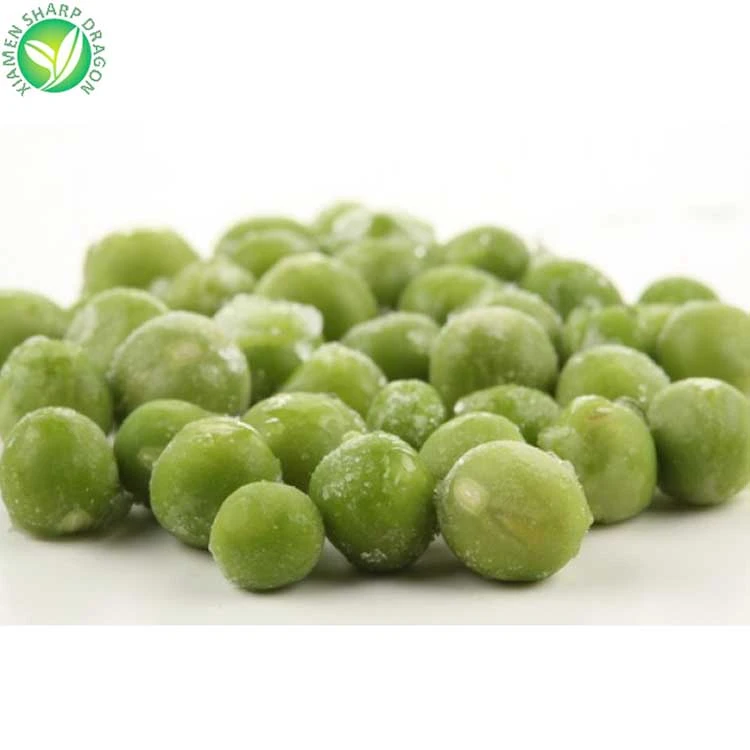
The frozen green pea category shows ingredient formats. A category photograph does not establish whether any particular SKU is cooked, how long it needs or whether it is intended for a cold salad. Those answers belong to the approved product record.
Boiling: keep the required process and the draining step together
When the label provides stovetop directions, measure the specified quantity of water and peas, bring the water to the stated condition, and start timing at the point named on the pack. Avoid overfilling the pot; a large mass of frozen peas can cool the water and behave differently from the quantity used in the instructions. A lid may help the water return to the required condition, but it does not replace the directions.
After the required cooking step, drain if a drained side is intended. Season with herbs, a small amount of oil or another suitable ingredient. If the recipe keeps the cooking liquid, its final texture and flavor will differ from a drained side. Keep hot equipment and boiling water stable, and lift a colander away from your body to reduce the risk of a steam or splash burn.
Water amount, batch size, burner output and whether the peas are still fully frozen can all affect the result. A time appearing in another recipe is not proof that the product in your hand received its required cook. If the product has no instructions for a large batch, ask the supplier or use an approved foodservice procedure for that exact item and load.
A bright color can help you judge appearance once cooking has been completed. It cannot tell you the temperature history of the center of a packed mass or verify an instruction. Separate the decision that the food has completed its cooking step from the decision that you like its bite.
Steam and microwave with the right load
For steaming, use the equipment and load described by the product instructions. Keep the basket above the water, cover as directed and allow steam to reach the entire layer. A deep, packed tray behaves differently from a shallow batch, so do not transfer a home-portion time to a large foodservice load. Remove the lid carefully: escaping steam can burn.
For a microwave, use a microwave-safe container or the original bag only when the pack explicitly permits it. Follow the stated power, portion, water, covering, stirring and standing instructions. Microwaves can heat unevenly; distribute peas as instructed and do not skip a required rest. Do not heat an ordinary freezer bag as though it were a purpose-designed steam bag.
After the complete instruction, check whether the result suits the dish. If liquid remains, drain it when appropriate. If peas are unevenly heated, review the load and appliance guidance before repeating. For a central kitchen, validate the approved process with the actual equipment, tray depth and portion rather than turning a household microwave setting into a production standard.
Steam or microwave preparation does not automatically mean better nutrition than another method. Water, time, food form and the whole recipe influence the result. The practical choice is the method that fulfills the product instruction and produces the texture the meal needs.

Use peas in a skillet, rice, soup or pasta
A skillet can combine peas with onions, herbs or other ingredients, but a hot pan alone does not establish a sufficient cooking process. If the package provides a pan method, follow it for the specified quantity. If it only provides a separate boiling or microwave instruction, complete that step first and then add the cooked peas to the pan. Use clean utensils and keep raw ingredients separate from the finished food.
The same rule applies to soup or pasta. A recipe may call for peas near the end to protect texture, but that point must still leave enough time and heat for the product's required preparation. If a short final simmer cannot accommodate the label, cook the peas separately as directed and add them to the dish afterward. Do not treat a warm broth or a bright exterior as a substitute for the instruction.
For fried rice or a mixed vegetable pan, compare the preparation requirements of each ingredient. Peas, carrots and green beans can enter with different product states and heating instructions. If one component requires a longer cook, handle it accordingly instead of assuming that every piece in the pan reaches the same condition at the same time. For mixed products, follow the directions for that complete product.
Practical example: A home cook wants peas in a pasta sauce that will only stay on the stove briefly. The pea package requires a cooking step that the remaining sauce time cannot support. The cook prepares the peas separately according to the package and folds them into the sauce afterward. The choice protects the required process and lets the sauce finish without a long additional simmer.
For planned meals, think about the final holding period too. A side served immediately is different from a large tray held hot for later service. In foodservice, use the operation's approved time and temperature controls. A trial should check the peas at the actual point of service, not only when the first pan is opened.

Can frozen peas go into a cold salad?
First identify whether the particular peas are ready to eat or require cooking. FDA notes that frozen vegetables can be used incorrectly in salads when their required cook is omitted; freezing alone does not make an ingredient ready to eat. A product labeled cook before eating should be cooked as directed even when the eventual dish will be served cold. Thawing under cold water is not the required cook.
After cooking, cool the peas promptly in a clean shallow container and refrigerate. USDA advises refrigerating perishable leftovers within two hours, or within one hour when the surrounding temperature is above 90°F; its guidance also recommends shallow containers for faster cooling. Those are household handling limits, not a substitute for a commercial operation's validated cooling plan.
Keep cooked peas away from surfaces, utensils or ingredients that touched uncooked food. Once cold, combine them with prepared ingredients such as onion, herbs or a dressing and return the salad to refrigeration. Follow the storage time and use instructions relevant to the whole recipe, especially when it contains ingredients such as dairy or egg. A safe pea step cannot correct poor handling of another ingredient.
If a supplier confirms that a specific product is ready to eat for the intended use, follow its storage and handling directions. Keep the documentation with the SKU. A different frozen pea item from the same category should not inherit that status automatically, and a retail photograph does not answer the question.

Quality problems and what to investigate
Peas that seem mushy may have been held too long after their required cook, heated in an unsuitable load or selected for an application that needs a firmer variety. Review the sequence from freezer to plate before changing the cook. If the label instructions were followed and texture still fails, ask the supplier about the product or compare another SKU; shortening an essential process is not an acceptable quality fix.
Water on the plate may come from inadequate draining, a sauce designed with too much liquid or surface ice in the pack. Check the package condition and preparation method. Heavy clumping, damaged packaging or signs of thaw and refreeze can justify holding the product for review, but appearance alone cannot establish microbiological safety or identify exactly when a deviation occurred.
Color also depends on raw material, processing and holding. A darker or lighter shade is a useful sensory observation, not a thermometer. For a hot side, set a visual and texture target at the service point. For a retail mixed bag, assess color against an agreed sample and specification rather than assuming every green pea has identical color.
Keep the test fair. Use the same starting mass, frozen condition, equipment and approved preparation when comparing two lots. Record the load and any water retained or drained. If the method changes between the samples, an observed difference may be caused by the process instead of the peas themselves.

Plan portions and compare usable yield
Working from the finished portion helps a kitchen order the right amount and avoids treating a frozen input weight as a guaranteed plated weight. A useful trial records the starting quantity and the mass of peas that reaches the plate after the approved preparation, draining and normal handling. If a recipe retains cooking liquid, define whether it is included in the result before calculating the yield.
Worked example: A catering kitchen plans 60 servings containing 80 g of cooked peas each. It therefore needs 60 × 80 g = 4,800 g, or 4.8 kg, of usable cooked peas. Suppose a trial of the exact SKU and approved process gives a 96% usable yield. The estimated frozen input is 4.8 ÷ 0.96 = 5.0 kg. The yield is hypothetical; weigh an actual representative batch and include an allowance appropriate to the operation.
Do not add a claimed cooking time to that example: the approved label and the kitchen process determine preparation. If the kitchen changes to a mixed vegetable product, the stated 80 g pea component is no longer the whole serving weight. Recalculate using the actual formula and measure the finished batch. The same principle applies if sauce or other ingredients are added.
For retail portions, check the serving size and number of servings on the pack. A labeled serving is a basis for the nutrition panel, while the amount actually eaten may differ. A plain pea and a buttered or seasoned product have different finished compositions; count the additions rather than applying a plain-ingredient panel to the entire dish.
For buyers: connect the product and the cooking process
Begin the specification with ingredient identity, pea form, grade or size range, intended use and the product's state. Ask whether the item is ready to eat or requires further cooking, and obtain the instructions for the equipment and preparation the customer will actually use. A blanching record and a frozen storage statement do not, by themselves, establish a ready-to-eat claim.
Physical acceptance can cover size distribution, broken pieces, color, surface ice, foreign material, net weight and the agreed defect method. Review a representative lot against the approved sample. Then cook it using the intended validated method and check texture and appearance at service. A single good-looking handful may be useful for screening, but it cannot prove that an entire shipment meets the specification.
The green pea product page is a starting point for a product discussion. Confirm the exact cut, ingredient list, packaging and use instructions before approving a commercial item. For a foodservice application, include load size, equipment, holding and portioning in the sample plan.
Review the inner pack, carton, labeling and cold-chain requirements together. Our frozen packaging overview can frame a discussion of format and handling; the actual material and artwork must match the selected product. The frozen vegetable process guide explains the broader production context, while the supplier's current SKU instruction controls the kitchen step.
When a lot arrives with damaged seals, a temperature concern or inconsistent identification, document the affected units and hold them according to your receiving procedure. Ask for the relevant records before release. A normal color or separate pieces may support a quality review, but cannot replace documentation or a food-safety decision.

What to do with the remaining pack
Return unused frozen peas to the freezer promptly, close the package securely and keep the product identification and instructions with it. If the original bag cannot be resealed, use a suitable freezer container and transfer the product name, lot and preparation instructions as well as the date opened. A generic label saying only vegetables loses the information needed when the next cook uses the food.
If a pack has thawed, leaked or spent time outside the conditions on the label, do not assess it only by smell or appearance. Follow the manufacturer's instructions and your local food-safety guidance for the actual time and temperature; a commercial operation should hold the affected lot for its established receiving or deviation review. Record what happened while that information is available.
A repeatable cooking decision
Choose a pea product whose intended use matches the dish. Read the complete package instruction; use an authorized method and quantity; complete all steps, including any standing time. When adding peas to a pan or soup, leave enough time for the required preparation or cook them separately first. Evaluate tenderness and appearance after that process.
For a salad or cold side, the critical distinction is product status. A cook-required product needs its stated cook before prompt cooling and refrigerated use. If the information is missing, obtain it rather than guessing. The same basic approach helps a household prepare one meal and helps a professional kitchen write a process that can be checked and repeated.
Send XMSD a green pea inquiry with the intended application, product state, preparation method, pack and destination.