


How Many Apricots Should You Eat a Day? A Practical Portion Guide
Jun 12, 2019

For many adults, about 80 g of fresh apricot-roughly three small fruits or six halves-is one practical portion. That is a portion reference, not a universal daily ceiling. A larger apricot may weigh twice as much as a small one, so weight is more dependable than a fixed piece count. The equivalent is also different when water has been removed: the UK National Health Service uses 30 g as an adult dried-fruit portion and advises eating dried fruit at mealtimes.
Your appropriate amount depends on the rest of your diet, energy needs, age, digestive tolerance and any individual nutrition plan. Fresh, frozen and unsweetened canned apricots can normally be compared on an edible-weight basis. Dried apricots, juice and syrup-packed fruit need separate treatment because concentration or added ingredients change what the same-looking volume represents. This guide gives you a usable starting point, then shows how to convert it for a home meal, a menu, a production formula or a commercial frozen-fruit specification.
The short answer: Start with 80 g, or around three small fresh apricots, as one adult fruit portion. Use 30 g for dried apricots. Do not turn either figure into a medical rule or a maximum; adjust it in the context of the complete meal and the person eating it.

Why Three Apricots Is a Starting Point, Not a Rule
The familiar answer of three apricots comes from a portion guide, not from evidence that the fourth fruit becomes harmful. The NHS identifies three apricots as one adult portion of small fresh fruit and gives 80 g as the general adult portion for fresh, frozen or canned fruit and vegetables. These two descriptions work together when the fruit is small. They stop matching when the available cultivar, maturity or grading produces substantially larger or smaller fruit.
Apricots are biological products, so a count cannot express edible weight with laboratory precision. A piece may include a stone, while a purchased frozen half is normally already pitted. Moisture loss during storage, trimming and size grading also affect weight. If you need a repeatable portion, weigh the edible fruit after removing the stone. For an ordinary meal, a small variation does not need correcting; for a nutrition declaration, recipe standard or contract, define the weighing basis.
Practical example: Suppose six pitted fresh apricots weigh 180 g. The average edible weight is 30 g per fruit, so an 80 g portion is 2.67 pieces; serving three is a sensible kitchen answer. If four larger apricots provide 240 g edible fruit, each averages 60 g and an 80 g portion is only 1.33 pieces. The phrase "three a day" would overstate the same weight basis in the second lot. Weigh one representative sample before setting a count.

Count the Edible Part
A whole-fruit scale reading includes the stone; a pitted frozen-fruit reading does not. That difference is small in a casual snack but becomes material across hundreds of portions. State whether the target is gross received weight, net fruit weight, drained weight or finished serving weight. Once that basis is fixed, piece count becomes a convenient operational check rather than the definition itself.
Portion Size, Daily Fruit Intake and Label Serving Are Different Numbers
A portion guide answers, "What amount can count as one portion?" A daily food plan asks how much fruit fits the whole day. A regulatory reference amount helps standardize the nutrition information shown for a product category. These purposes are related, but the numbers are not interchangeable. Confusing them is the main reason online answers appear to disagree.
| Basis | Apricot amount | Correct use |
|---|---|---|
| NHS adult fruit portion | 80 g fresh, frozen or canned; approximately three small fresh apricots | Everyday portion planning |
| NHS dried-fruit portion | 30 g | A concentrated dried-fruit portion, preferably with a meal |
| US FDA reference amount | 140 g for most fresh, canned or frozen fruit; 40 g for dried fruit | The basis used to determine label serving size, not a personal daily recommendation |
The US figures are deliberately included because you may see them on a specification or label worksheet and assume that 140 g is the universally recommended amount. It is not. The FDA Reference Amount Customarily Consumed, or RACC, reflects the amount customarily consumed per eating occasion for nutrition-labeling purposes. A package serving can be derived from that framework. It does not replace personal dietary advice or the portion convention used by another country.
The daily total also should not be made up of apricots alone. Variety helps you obtain nutrients and textures from different foods. If one 80 g apricot portion fits your meal, the remaining fruit and vegetable choices can come from other products during the day. If you are building a menu for a defined population, use the applicable national guidance, client brief and nutrition professional rather than copying a number from a consumer headline.

Fresh, Frozen, Canned and Dried Apricots Are Not Measured the Same Way
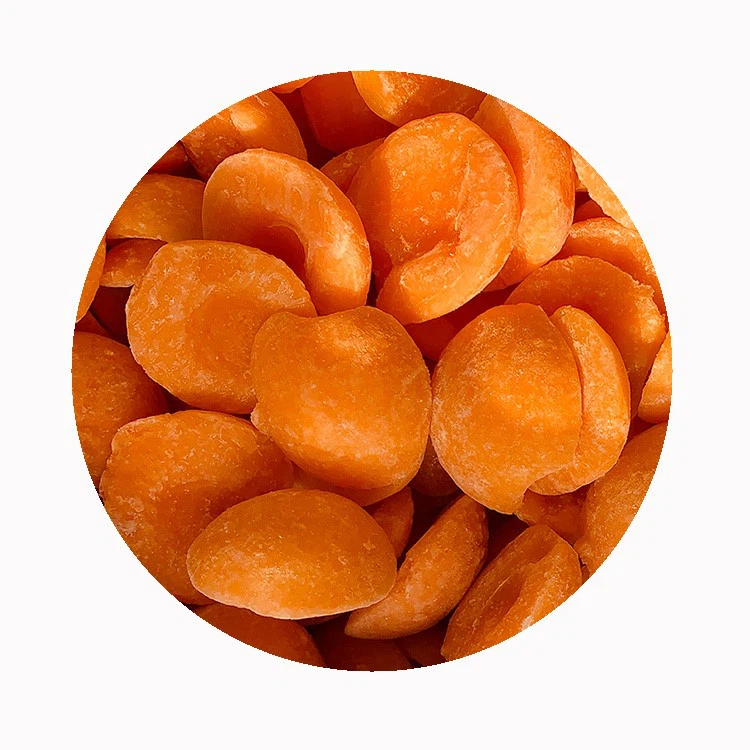
Fresh and plain frozen apricots are the easiest forms to compare. Both still contain their natural water, so 80 g edible weight gives a practical like-for-like portion. Freezing changes texture after thawing and may create drip, but it does not turn 80 g of plain fruit into a concentrated dried portion. If you want to understand those quality changes separately, the XMSD guide to freezing apricots covers preparation, freezing and use rather than daily intake.
Canned apricots require a declared basis. The fruit may be packed in juice, water or syrup, and the amount on the plate may include or exclude the packing liquid. For a fruit portion comparison, use drained fruit weight unless the applicable guide or recipe says otherwise. If the syrup is consumed, it belongs in the assessment of the finished food; it should not disappear from the calculation merely because the fruit piece itself looks similar to fresh apricot.
Dried apricots have much less water, so the same weight represents more original fruit and a denser package. That is why the NHS dried-fruit amount is 30 g rather than 80 g. Do not convert dried fruit by matching the visual volume of a bowl of fresh pieces. Weigh it. Check the ingredient statement as well, because sweeteners, preservatives or oils used for handling may affect the finished product specification.
A useful conversion rule: For plain fresh and plain frozen apricot, start from edible grams. For canned fruit, specify drained or as-served weight. For dried fruit, use the separate dried-fruit portion. For a mixed recipe, calculate how many grams of actual apricot reach each finished serving.
Juice and smoothies are another separate case. The NHS caps the combined total of fruit juice, vegetable juice and smoothies that can count toward its five-a-day system at 150 ml per day, even when more is consumed. Whole or cut fruit supplies structure and requires chewing; juice should not be counted as if every additional glass were another whole-fruit portion. This distinction matters when a beverage formula is marketed around a fruit-count story.
What the Nutrition Evidence Does-and Does Not-Tell You
Apricots can contribute fiber and carotenoids within a varied diet. The US National Institutes of Health lists apricots among food sources of vitamin A, and explains that the body can convert some carotenoids in plant foods into vitamin A. Vitamin A supports normal vision, immune function, growth and organ function. That evidence supports describing apricot as one possible food source; it does not support promising that a particular daily count will prevent or cure disease.
Nutrient content also varies with cultivar, maturity, growing conditions, processing, storage and preparation. A database value is normally a representative value, not a certificate for every shipment. If nutrition labeling is required, use the method accepted in the destination market and define the exact product: plain frozen halves, sweetened fruit, canned fruit in syrup and dried fruit are not one dataset.
The most defensible reason to use an 80 g portion is therefore consistency with a recognized portion guide, not a claim that 80 g is biologically perfect for every person. Your meal can include more or less depending on its composition. A dessert containing 80 g fruit plus sugar, pastry and cream cannot be evaluated by the fruit number alone. Conversely, a plain bowl that includes apricot with other fruits should be assessed by the combined fruit weight, not by giving each variety a full separate portion automatically.
For recipe ideas rather than portion rules, see what you can make with frozen apricots. Keeping those two intents separate prevents a recipe suggestion from being mistaken for a nutrition recommendation.

When You May Need a Different Amount
Children generally need smaller portions than adults, and their needs change with age and activity. Someone following a clinician-directed plan for blood-glucose control, kidney disease, allergy management or another condition may also have an individualized fruit amount. A public portion guide cannot resolve those cases. Use the person's plan and ask the responsible qualified professional how the apricot form should be counted.
Digestive tolerance is another practical variable. The US National Institute of Diabetes and Digestive and Kidney Diseases notes that increasing fiber gradually can help the digestive system adjust and identifies apricots among foods that can contain FODMAPs relevant to some people with irritable bowel syndrome. That does not make apricots unsuitable for everyone. It means a person who notices symptoms should consider amount, form and the complete meal instead of assuming that the standard serving must be comfortable.
A sensible personal test is modest and observable: keep the rest of the meal familiar, use a measured amount and note tolerance. Do not use an online piece count to override a diagnosed allergy or a prescribed diet. For a hospital, school or care menu, document the population, portion basis and allergen-control process before approving the recipe.
Apricot Flesh Is Not the Same as the Kernel
The edible orange flesh discussed in this article must be distinguished from the kernel inside the hard stone. The US FDA warns that apricot seeds or kernels can contain amygdalin, which the body can convert to cyanide. Claims that kernels are a safe "vitamin B17" treatment are not a reason to eat them. For pitted fruit, pit and fragment control remains a physical-quality and food-safety concern even though the intended product is the flesh.
How to Set an Apricot Portion for Foodservice or Production
A foodservice portion should be defined at the point the guest receives it. Frozen input weight, thawed weight and drained serving weight can differ. If thawed juice remains in a compote or sauce, it may still be part of the finished portion. If the fruit is drained and the liquid discarded, purchasing yield must account for that loss. This is why a menu specification needs both the target serving and the yield basis.
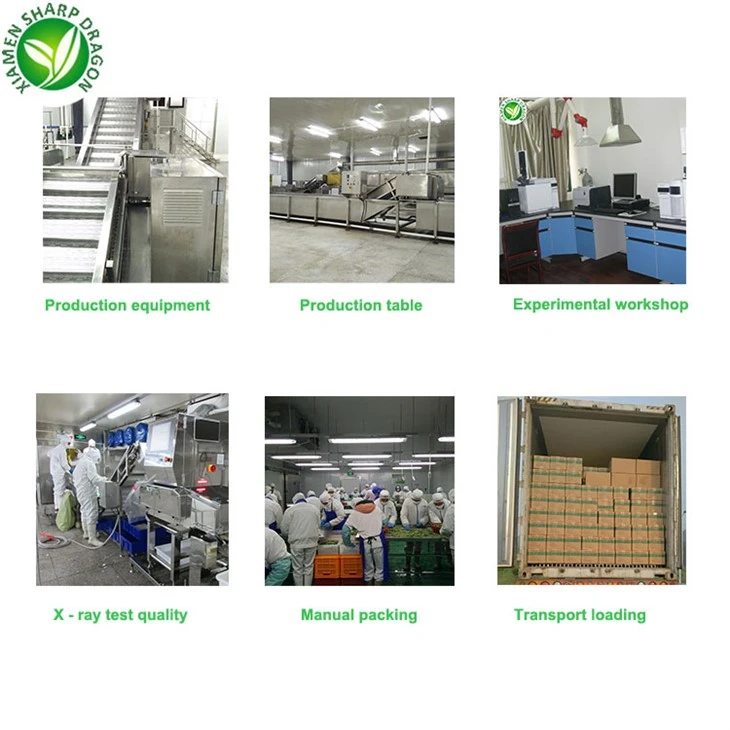
For a recognizable fruit component, pitted halves, slices or dices allow different levels of visual control. The current XMSD frozen apricot range shows the relevant commercial forms. Choose the cut according to the finished product, then test a sample under the real thawing, mixing, heating or baking conditions. A piece that looks attractive while frozen may soften, break or release liquid after processing.
Worked example: A kitchen receives 25 kg of frozen apricot halves. Its controlled test shows a 6% loss between frozen input and the drained fruit used on the menu. Usable fruit is 25 kg × 0.94 = 23.5 kg. At 80 g of drained fruit per serving, the case yields 23,500 g ÷ 80 g = 293.75, so it can produce 293 complete portions with a small remainder. Planning from the frozen 25 kg without the yield test would imply 312.5 portions and overstate output by about 19 complete servings.
That calculation is a planning example, not a promised standard yield. Drip depends on raw material, maturity, cut, freezing and storage history, thaw method, time and final-use rules. Repeat the test on representative samples, define acceptable variation and specify whether the juice remains in the recipe. If you manage a foodservice or catering program, also test portioning practicality, pack size and freezer handling.
For a Formula, Work Backward from the Finished Serving
If a yogurt cup is intended to contain 24 g of apricot, one 80 g fruit portion is spread across 3.33 cups before processing loss. A 12-cup case contains 288 g of declared apricot input, not 960 g. Whether the finished cups can make a particular fruit claim depends on the applicable rules and the complete formula. Do not convert a supplier's raw-fruit figure into a consumer claim without checking the market's labeling requirements.
For jam, bakery filling or beverage preparation, the decisive variables may be soluble solids, fruit percentage, heat loss and particle identity rather than intact halves per serving. When you plan a food-processing project, lock the calculation method, ingredient statement and sample performance before commercial approval. A clean equation is more useful than an attractive but undefined "made with three apricots" message.

A Five-Step Portion Check You Can Repeat
Use the same sequence every time the product form, serving purpose or measurement point changes. Skipping the first three decisions creates false precision: an exact number is still wrong if it mixes frozen input with drained output, or a label reference with a personal portion. Record the chosen basis beside the result so another person can reproduce it.
- Name the form. Record fresh, plain frozen, canned and drained, dried, juice or finished recipe. Do not use one number across all forms.
- Set the purpose. Decide whether you need an everyday portion, a menu serving, a label serving or a formula input.
- Define the weight point. State edible, pitted, frozen input, thawed, drained or as-served weight.
- Measure representative fruit. Weigh enough pieces to capture size and breakage variation, then calculate an average and a practical serving tolerance.
- Check the complete context. Review the rest of the meal, recipe ingredients, target population and applicable nutrition-labeling rules before approving the claim or portion.
This sequence keeps the answer honest. At home, it explains why three small fruits is approximate. In a kitchen, it protects menu yield. In processing, it aligns raw material, formulation and label work. The number becomes meaningful because the form, basis and decision are visible.
XMSD sourcing note: If your product depends on a defined apricot weight or piece count, tell us the cut, serving basis, application, thaw method, pack size, destination and annual volume. We can review which sample checks and written specifications are needed before you convert a portion calculation into a purchase program.
Frequently Asked Questions
Is eating four apricots automatically too much?
No universal rule makes the fourth fresh apricot excessive. Three small fruits is an approximate 80 g portion, not a toxicity boundary. Four very small fruits may weigh less than two large ones. Judge edible weight, the rest of the meal and your individual needs.
Do frozen apricots use the same 80 g portion?
Plain frozen fruit can use the same 80 g adult portion basis as fresh fruit under the NHS guide. For a precise menu or formula, state whether 80 g means frozen input, thawed fruit or drained fruit, because thaw drip can change usable yield.
How many dried apricots equal a portion?
Use weight rather than a universal piece count. The NHS adult dried-fruit portion is 30 g. Dried pieces vary in size and moisture, so the number in 30 g changes by product. The US 40 g dried-fruit RACC is a nutrition-label reference amount, not the same kind of recommendation.
Should apricot kernels count toward the portion?
No. The portion refers to edible apricot flesh, not the stone or its kernel. The FDA warns that apricot kernels may contain amygdalin that can lead to cyanide toxicity. Pitted-product programs should control stones and fragments rather than treat kernels as food value.
Final Thoughts from XMSD
For a straightforward adult portion, 80 g of fresh or plain frozen apricot-about three small fresh fruits-is a useful starting point. Dried apricot uses a smaller 30 g portion because water has been removed. Neither figure is a universal daily maximum. When consistency matters, replace piece-count slogans with an edible-weight basis, define the fruit form, and calculate the amount that actually reaches the plate or finished product.
References
- NHS: 5 A Day portion guidance
- NHS: 5 A Day portion sizes
- US FDA: Reference Amounts Customarily Consumed
- NIH Office of Dietary Supplements: Vitamin A and carotenoids
- NIDDK: Eating, diet and nutrition for irritable bowel syndrome
- US FDA: Warning about amygdalin in apricot seeds
- XMSD operational experience in frozen-food sourcing, product specification, quality control, packaging and B2B export coordination.