


How Long to Boil Frozen Sweetcorn Kernels?
Aug 26, 2024

For loose frozen sweetcorn kernels, current product instructions give examples of 2 minutes or 3–4 minutes of covered simmering after the contents return to the boil. Birds Eye Supersweet Sweetcorn specifies two minutes; Caterforce's Chefs' Selections Frozen Sweetcorn specifies approximately three to four minutes. Both require cooking from frozen and a hot finished product. Choose the directions for your actual bag rather than treating the shorter number as a universal minimum or the longer one as a universal maximum.
These are kernel timings, not instructions for frozen corn on the cob. They also exclude the time needed to heat the water and recover boiling after adding frozen food. Keep the stated water, lid, heat and serving conditions together. A handful of loose kernels and a pan of whole cobs are different cooking jobs, even when both are called sweetcorn.
Once the required cooking is complete, drain and serve without leaving the kernels simmering while the rest of the meal catches up. Aim for hot, tender kernels with the bite you want, using texture as a quality check alongside the product's cooking requirements. A pleasant crunch by itself is not a food-safety test.

Use a Kernel Time, Not a Cob Time
Check what is in the bag before selecting a number. Loose kernels expose the individual pieces directly to the cooking water. A mature sweetcorn cob includes the central core, while a cob segment is still a piece of that larger structure. A short segment can look small on a plate without being equivalent to loose kernels. Use the appropriate instructions for that form instead of transferring the kernel timing.
Baby corn is another distinction. It is the small immature ear eaten whole, rather than a small serving of mature sweetcorn kernels. White, yellow and mixed-color corn also need a clear product description; color alone tells you little about the required preparation. For this boiling method, identify plain loose sweetcorn kernels sold frozen, without an added sauce or a mixed-vegetable instruction to follow.
If the product is already in a working container, find its original label before cooking. A handwritten "corn" label loses the distinctions that matter. Frozen kernels, canned kernels and freshly cut kernels can all look similar once they leave their packaging. Our fresh-versus-frozen corn preparation guide explains why raw-use advice for fresh sweetcorn should not be transferred to a frozen cook-required product.
Keep whole-cob cooking as a separate task. Splitting a bag of cobs into smaller portions changes the load, but it does not turn the food into loose kernels. For a kitchen offering both forms, use distinct preparation cards and serving utensils so a quick kernel side is not confused with a cob order during a busy service.
Choose the Instruction for Your Bag
The two product examples below demonstrate why a single internet answer can be misleading. They are useful reference points for the expected scale of the cooking interval, not interchangeable approvals for any bag. Read the complete directions on the product you have, including any preparation state, load, standing or reheating restriction.
| Named product | Timed simmer | Instruction context |
|---|---|---|
| Birds Eye Supersweet Sweetcorn | 2 minutes | From frozen; return to boil, cover and simmer; piping hot |
| Caterforce Chefs' Selections Frozen Sweetcorn | Approximately 3–4 minutes | From frozen; return to boil, cover and simmer until tender; piping hot throughout |
Both examples start the timed simmer after boiling has recovered. The Caterforce product also says not to reheat. Keep that restriction with its preparation instructions rather than substituting a general leftover routine. A manufacturer's product page may help when you are checking an unfamiliar pack, but an unexplained conflict between the pack and another source should be resolved for that exact product before use.
Practical example: Suppose a household has two unopened kernel products with different instruction cards: one gives two minutes and the other three to four minutes. Choosing a three-minute compromise adds one minute to the first stated interval and uses the lower end of the second. That arithmetic tells you nothing about whether one method suits both products. The useful decision is to identify which bag is being cooked, use its complete directions and check its required endpoint. Keep separate batches if using both under different instructions.
A general recipe can describe a broader technique, while a product instruction is written for a particular item. Even Birds Eye's general sweetcorn cooking guide gives a different hob interval from its specific Supersweet Sweetcorn page. Use that difference as a reason to keep product identity attached to the timing, not to calculate an average of several sources.

Follow the Complete Boiling Method
For the cited products, start from frozen and use boiling water as directed. Have the portion measured before opening the pan, then return unused stock promptly to its prescribed frozen storage. Thawing the portion on the counter or rinsing it until it softens introduces a different starting state. It also spends preparation time on a step the cited directions do not require.
Use a saucepan that can hold the water and kernels with enough room to handle them safely. Match any stated quantity or serving basis on the actual pack. Where directions specify enough water to cover, keep the kernels covered rather than substituting a shallow splash intended for another method. A microwave water measure belongs to the microwave instruction, not automatically to a saucepan.
Adding frozen kernels can interrupt the boil. Wait for the contents to return to the required state before starting a timer that is explicitly tied to that event. Then cover and adjust the heat to maintain the specified simmer. A lid left off throughout, a pan allowed to stop simmering or extra frozen corn added midway changes the method. Correct the setup rather than assuming that the printed minutes compensate for any deviation.
Keep the batch together. Adding another scoop after timing has started gives the new kernels a shorter treatment and changes the temperature of the pan. If more corn is needed, prepare another measured load. This is particularly important when several people share the stove: the person adding food should not silently alter a batch that someone else has already timed.
At XMSD, our first question about a reported cooking time would be what went into the pan and how that time was counted. "Three minutes" becomes useful only when it is connected to a named product, frozen load and complete method. That is the information needed to compare an actual preparation with the supplied directions.
Judge the Batch, Not One Floating Kernel
Check that the whole portion has completed the required cooking, not just the easiest kernel to lift from the surface. Follow the pack's endpoint, such as piping hot throughout, and use the kitchen's applicable checking procedure. The stated minutes are part of an instruction, not a reason to ignore a cool area or an obviously interrupted simmer.
Texture then helps judge the eating result. Take a safely handled sample after cooking and consider whether the kernels are tender enough for the dish while remaining distinct. A hard bite, excessive softness and broken pieces are different observations. Record which one occurs rather than describing every unsatisfactory batch as "not cooked properly." That distinction leads to a more useful next adjustment.
The UK government's food-hygiene guidance specifically includes sweetcorn among frozen vegetables that can contain bacteria and says to cook them thoroughly according to their instructions. Freezing should not be treated as the final safety step. A bright yellow color, sweet taste or clean-looking surface supplies quality information, not a substitute for the required cooking process.
For a food business using a temperature check, apply its established method and equipment, including a clean probe where appropriate. Do not turn a reading from the surrounding water into a measurement of every part of the food. If a batch has failed the required check, correct the cooking and handling problem before service, then investigate why the standard method did not work under those conditions.

Why Another Minute Is Not Always the Right Adjustment
A slow return to boiling calls for a load or equipment review before changing the printed simmer interval. Consider whether the pan contains more corn than usual, whether the water was actually boiling at addition, and whether the burner can maintain the required heat. Adding minutes without identifying the cause can leave the next, smaller batch unnecessarily soft.
A clump of kernels needs a separate observation. Loose pieces and a large frozen mass do not enter the water in the same physical arrangement. Check the product condition and follow the kitchen's handling procedure rather than forcing a knife into a hard block. Unusual clumping may justify checking storage and handling records, but a clump alone is not proof of a particular temperature excursion or a reason to declare the product safe.
If the kernels are hot and cooked but the skins feel chewy, endless boiling may be a poor way to pursue the desired bite. Product characteristics and the intended dish matter as well as minutes. Compare a properly prepared sample against the texture required for the menu, and discuss a different kernel specification if necessary. Preserve the safety process while changing the quality decision.
If kernels are too soft, look at the full heat exposure: simmering, a delay before draining, and time on a hot serving line. The printed cooking interval may have been followed exactly while extra holding changed the result. Keep these stages separate in the record. For the next service, prepare a smaller amount closer to demand rather than shortening a required cook to compensate for a long wait.
Divide a Large Bag into Actual Cooking Loads
A large bag is a supply format, not a validated saucepan capacity. Caterforce's four-by-2.5-kilogram case description, for example, describes packaging. It should not be read as evidence that the whole contents of one bag can be cooked under every kitchen's small-pan arrangement. Find the load supported by your actual product instructions and equipment before opening the bag for service.
Worked example: Consider a hypothetical kitchen with a separately established 500 g frozen-input load for its saucepan method. A 2.5 kg bag contains 2,500 g, so it provides 2,500 ÷ 500 = five such loads. With two suitable pans available at the same time, the allocation is three waves: two loads, two loads, then one. This is a portioning calculation, not a claim that 500 g is the correct load for the products cited above.
The operator now has a concrete choice. Prepare the five loads in the planned sequence, or develop and verify another arrangement before committing to a larger one-pan batch. Allow separately for water heating, recovery, cooking, draining and service handling. Three waves are not automatically three times the printed simmer interval because the other work and shared burner capacity still have to fit the schedule.
For foodservice and catering preparation, we would discuss the amount needed at each service point before treating the bag size as a convenience advantage. A large pack works well only when portioning and storage are manageable. Keep unused kernels frozen as instructed and avoid leaving the opened bag beside the cooker while successive pans are prepared.

Drain for the Serving Dish
Have a clean sieve or colander ready before the cooking interval ends. Use openings small enough to retain the kernels and a stable draining arrangement that keeps hot water and steam away from your hands. Drain promptly once the required cooking is complete. Letting the saucepan stand with the kernels submerged adds another warm stage after the time you meant to control.
For an immediate hot side, remove free water before adding the intended seasoning. A pool in the serving bowl can dilute butter or another finish and change how the corn sits beside the rest of the meal. Gentle draining is normally a better response than holding the kernels over heat for several extra minutes just to evaporate a large amount of carried-over water.
For incorporation into a hot recipe, follow a method that accounts for both the corn's required preparation and any further cooking in the dish. A separate boiling time cannot simply be pasted onto a thick sauce or casserole: the heating environment is different. If the recipe already provides an appropriate complete process for the specified frozen ingredient, an extra preliminary boil may be unnecessary. Establish that process rather than guessing from the final dish's appearance.
We would assess a proposed kernel product after a consistent drain, because a wet serving can disguise the difference between a texture issue and a handling issue. Use the same equipment and endpoint for each comparison. That makes comments such as "too watery" actionable: you can see whether the problem lies in carried-over water, the preparation or the product itself.
Compare Kernels Using the Same Preparation
The frozen sweetcorn kernel product information identifies the relevant loose form. When reviewing a sample, keep its product description and preparation instructions together. Ask for the kernel condition and intended use that match the proposed supply rather than assuming that all yellow kernels will respond identically in your kitchen.
For repeat preparations of one product, keep the frozen input weight, equipment, complete method, draining arrangement and serving stage consistent. When comparing products with different cooking requirements, prepare each correctly and record the difference instead of forcing them into one common time. Assess both at the intended serving stage. A sample tasted immediately from the colander and another tasted after extended service holding answer different questions, even if both were boiled for the same number of minutes.
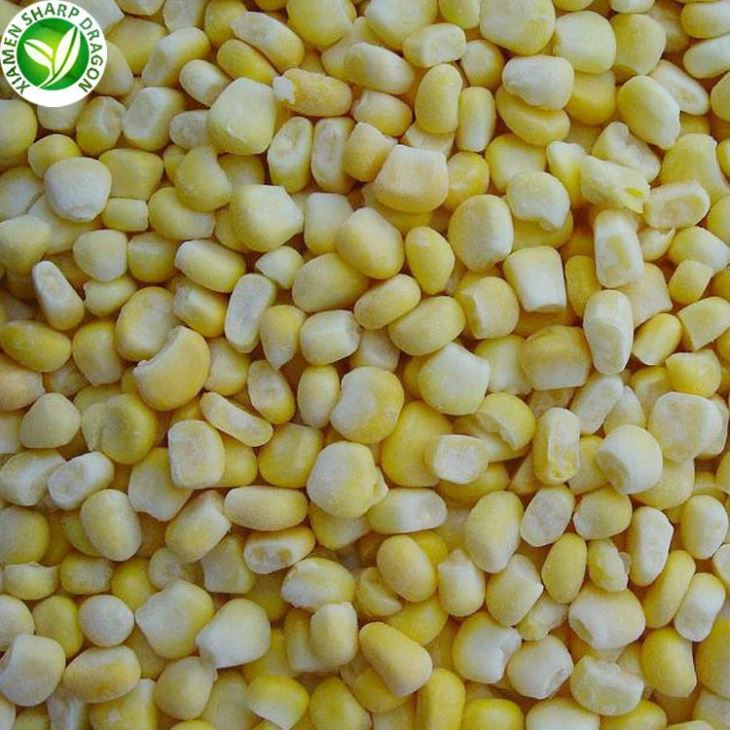
Look for the characteristics that change the dish: distinct kernels, acceptable tenderness, the amount of broken material and the flavor after the intended seasoning. Record observations in ordinary words and, where useful, photographs of the prepared sample. Do not turn a glossy product image into a prediction of the cooked result. The corn kernel images and product listing provide visual context; your preparation comparison establishes application fit.
Keep Directions with the Working Stock
Opening a bag should not remove its cooking identity. If kernels are portioned into containers, retain the product name, lot reference and required preparation information with the working stock under the kitchen's labeling procedure. The next cook needs enough detail to find the correct instruction, not just a date and the word "corn."
For a purchasing substitution, compare the new product's instructions before using the old preparation card. A change in pack size alone might leave the kitchen method unaffected; a change in product form or preparation requirement may not. Review those details together, then update the card before the replacement reaches service. This avoids discovering a mismatch only when the pan is already cooking.
Our frozen-food packaging information is relevant to this handoff because the useful directions must remain available after the outer carton or original bag is removed. For private-label work, bring the proposed product, intended cooking load and appliance method into the preparation review. A competitor's two-minute direction is a reference for that competitor's item, not a ready-made instruction for a different label.

Finish the Plan at Service
For the best chance of retaining the intended bite, coordinate boiling with the meal rather than treating cooked corn as something that can remain on the stove indefinitely. Transfer it to the planned serving arrangement once ready. If a food business holds it hot, use the applicable controlled procedure; UK government guidance gives at least 63°C for hot holding. That is a holding condition, not a replacement for the required cooking step or a rule to apply uncritically in every country.
Keep product-specific reheating restrictions in view. The named Caterforce sweetcorn instruction says not to reheat, so plan its preparation around that limit. Where a different product permits another handling route, use the instructions and safety controls appropriate to that route. Cook-required frozen corn intended for a cold dish still needs its required preparation; merely thawing it changes temperature, not its intended-use status.

The useful answer to "how long?" is a complete instruction: the right frozen kernel product, the right load, the stated return-to-boil and simmer sequence, and the required endpoint. The two- and three-to-four-minute examples give a concrete reference. Your bag determines which instruction applies, while draining and service timing determine whether the properly cooked kernels still have the eating quality you wanted.
To discuss a sweetcorn kernel requirement, share the dish, cooking method, load per pan and packing needs. We can review the product description and sample comparison with you, including the preparation information needed for the intended application.
References
- Birds Eye UK: Supersweet Sweetcorn, product preparation instructions
- Birds Eye UK: How To Cook Sweetcorn
- Caterforce: Chefs' Selections Frozen Sweetcorn, product preparation instructions
- GOV.UK: Food hygiene for businesses, Cooking food safely
- FDA: Are You Storing Food Safely?
- XMSD operational perspective on kernel form, preparation comparisons, pan loading and pack identification; the instruction-card and load-allocation examples are hypothetical.