


Can Frozen Sweet Potato Help With Weight Loss?
Mar 04, 2019

Plain frozen sweet potato can fit into a weight-loss eating pattern, but it does not cause fat loss by itself. The useful question is not whether sweet potato is a starch. It is whether a defined portion replaces a more energy-dense choice, how the product is prepared, and whether the complete eating pattern supplies less energy than the body uses over time.
The short answer: Frozen sweet potato may help with meal planning because it is pre-cut, easy to portion, and available in plain formats. It works best as the meal's measured starchy component, paired with protein and non-starchy vegetables. Coating, frying oil, sugar, rich sauces, and oversized servings can change the result.
Freezing is mainly a preservation and convenience step. It does not create a fat-burning property, remove the food's carbohydrate, or make every frozen format nutritionally equivalent. The ingredient statement, nutrition label, serving basis, processing state, and final recipe matter more than the word "frozen."

Why It Can Fit a Weight-Loss Plan
Sweet potato is a starchy root that contributes carbohydrate, fiber, water, and micronutrients. Starch alone does not make a food automatically fattening. Body weight changes reflect the wider balance between energy intake and energy use, together with factors such as activity, sleep, medications, and health conditions.
Fiber and water can add volume to a meal, which may help some people feel satisfied. That effect is not guaranteed, and sweet potato contains much less protein than a complete meal needs. Pairing it with a suitable protein source and non-starchy vegetables usually creates a more balanced plate than eating a large bowl of sweet potato alone.
Replacement matters more than addition
CDC guidance on vegetables and weight management emphasizes substitution. Adding sweet potato to an unchanged meal adds food and energy; replacing part of a richer side dish may reduce the meal's energy density. The comparison must involve the complete foods. Plain sweet potato cubes are not equivalent to fries with absorbed oil, a sweetened mash, or a dessert filling.

Preparation Can Change the Answer
The package name does not reveal the whole nutritional picture. A plain, uncoated product leaves the cook in control of oil, seasoning, and sauce. A battered, pre-fried, glazed, or sweetened product includes additional ingredients or processing that must be counted as part of the final dish.
| Product or dish | What to check | Practical judgment |
|---|---|---|
| Plain frozen pieces | Serving basis and any oil added during cooking | Easier to use as a measured starchy component |
| Roasted or air-cooked pieces | Amount of oil, seasoning, and sauce | Can fit when the full recipe and portion are considered |
| Coated, fried, or sweetened format | Ingredient list, prepared nutrition, serving size, and dips | Judge it as a complete prepared food, not as plain sweet potato |

A suitable portion is personal
There is no universal sweet potato portion for weight loss. The amount depends on the person's energy needs, activity, health plan, and the other foods in the meal. A practical approach is to treat sweet potato as one defined starch serving rather than an unlimited "diet food." When a pack provides nutrition information, use the stated serving and preparation basis consistently.
Does Frozen Sweet Potato Work Differently From Fresh?
Plain fresh and plain frozen sweet potato can serve the same general meal-planning role. Freezing can make storage and portioning easier, but it does not automatically reduce calories or carbohydrate. Nutrition and texture may vary with cultivar, flesh color, maturity, peeling, blanching or steaming, frozen storage, and final cooking.
For packaged frozen food, read the label for the actual item. Confirm whether the values apply to the product as sold or after preparation, then measure the food on that same basis. Cooking changes water content and therefore the weight of a serving; it does not make the energy already present vanish.

What the Evidence Can-and Cannot-Show
There is not strong evidence that ordinary sweet potato independently causes weight loss. A systematic review of human sweet potato intervention studies found a limited evidence base and called for longer, well-designed randomized trials before cause-and-effect conclusions can be made.
This distinction matters because a small study of a formulated meal replacement containing white sweet potato cannot be translated into a claim that adding whole or frozen sweet potato to any diet will produce the same result. Portion control, the replacement of another meal, the complete formula, study duration, and participant group all affect the outcome.
Evidence in context: Sweet potato can be a useful ingredient in a sustainable eating plan. It should not be described as a fat burner, a diabetes treatment, or a food that blocks sugar from becoming fat.

A Practical Way to Use It
A useful meal structure is simple and repeatable. It does not require a special sweet potato diet.
- Choose a plain format when you want direct control over oil, sugar, salt, and sauce.
- Give sweet potato a defined place as the meal's starch instead of adding it as an extra side.
- Pair it with a protein source and non-starchy vegetables for a more complete meal.
- Steam, boil, bake, roast, or air-cook according to the product instructions and the desired texture.
- Count oil, coating, sugar, cheese, butter, and dips as part of the dish.
- Use a method that is realistic to maintain; no single ingredient replaces an overall plan.
What Frozen-Food Buyers Should Confirm
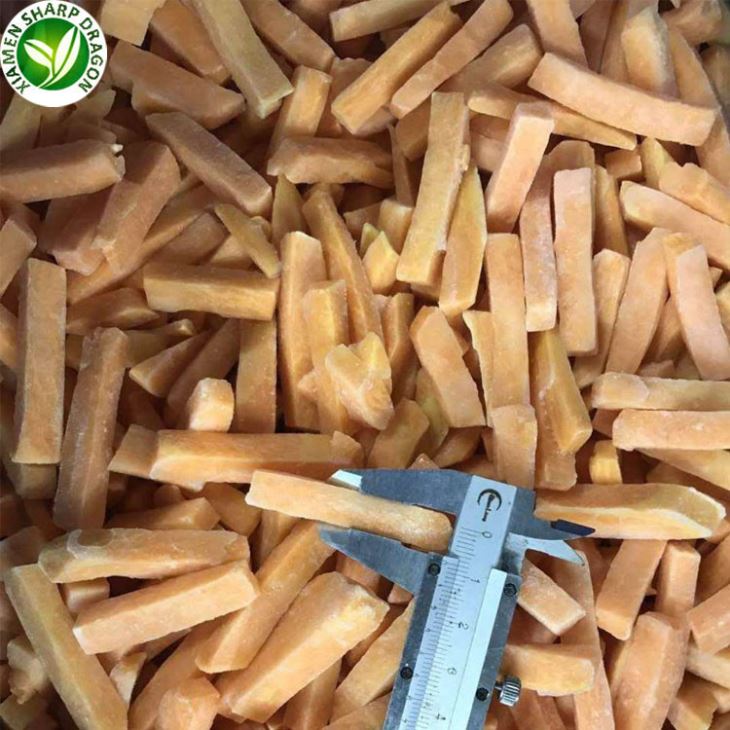
For retail, foodservice, and prepared-meal programs, the nutrition message must match the supplied product. Buyers should distinguish plain frozen diced sweet potato from coated, pre-fried, seasoned, or sweetened formats. A product name alone is not enough to support a weight-management claim.
Before approval, confirm the variety or flesh color, peel status, cut dimensions, processing state, ingredient declaration, nutrition-label basis, pack format, and intended cooking application. Test a sample in the real process because cut size and surface condition can affect cooking time, moisture release, browning, texture, and portion appearance.
Packaging and shipping requirements should follow the channel and destination. Retail pouches, foodservice packs, and industrial cartons serve different handling and labeling needs. XMSD's frozen-food packaging guidance shows the areas a buyer can discuss before the final specification is agreed.

XMSD sourcing note: Tell us whether the project needs plain or prepared sweet potato, the preferred cut, pack format, destination requirements, and end application. We can then discuss a suitable specification and sample review without treating every frozen sweet potato format as nutritionally or operationally identical.
Frequently Asked Questions
Does freezing make sweet potato lower in calories?
Not automatically. Compare the nutrition information for the actual product and use the stated serving basis. Added coating, oil, sugar, and preparation can matter more than whether the sweet potato started fresh or frozen.
Should frozen sweet potato be weighed before or after cooking?
Follow the label's stated basis and use it consistently. Cooking changes water content, so frozen and cooked weights are not directly interchangeable. Commercial programs should define the portion and yield method in the product or recipe specification.
Can people with diabetes eat frozen sweet potato?
Sweet potato is a carbohydrate-containing food, not a diabetes treatment. Individual portions and meal combinations should follow the person's care plan. Anyone needing personalized glucose guidance should speak with a qualified clinician or dietitian.
Final Thoughts from XMSD
Frozen sweet potato can support a practical weight-loss eating pattern when a sensible portion replaces a richer choice and the final recipe keeps added energy visible. Its real advantages are convenience, portion control, and application flexibility-not fat burning. For commercial products, the ingredient list, processing state, label basis, cut, cooking method, and pack specification should all support the message presented to the customer.
References
- CDC: Tips for Increasing Vegetables and Fruits in Your Diet
- NIDDK: Eating and Physical Activity to Lose or Maintain Weight
- Harvard T.H. Chan School of Public Health: Sweet Potatoes
- Nutrition-Related Health Outcomes of Sweet Potato Consumption: A Systematic Review
- XMSD operational experience in frozen-food specification review, sample evaluation, packaging, and export coordination.