


How Do You Thaw Frozen Cauliflower?
Aug 27, 2019

Most frozen cauliflower does not need to be thawed before cooking. If the package says to cook from frozen, add the florets directly to soup, stew, boiling water, a steamer, or another suitable cooking process. Thawing is more useful when the next step needs less surface moisture-for example, a skillet dish, a coating, a puree with a controlled water ratio, or a recipe in which the cauliflower must be portioned and mixed before heating.
The short answer: When thawing is necessary, place frozen cauliflower in a covered container in the refrigerator. For a faster method, keep it in a leak-proof bag under cold water, or use a microwave defrost setting and cook it immediately. Do not thaw it on the counter. Putting frozen florets into boiling water is cooking from frozen, not a separate thawing method.
There is no reliable universal promise that every bag will thaw in 20 minutes or cook in 10. Package size, floret size, whether the pieces are loose or frozen into a block, prior blanching, appliance power, and the intended final texture all change the result. Start with the package instructions, then judge the cauliflower by separation, drainage, and performance in the actual dish.

Usually, Cook Frozen Cauliflower Without Thawing
Cooking from frozen is the simplest choice when the cooking process already contains heat and moisture. Soups, stews, curries, boiling, and steaming can thaw and cook the florets in one continuous step. Add the cauliflower at a point that gives it enough time to heat through without leaving it in the dish so long that the curds break down. The correct moment depends on floret size and the heat of the recipe, so a fixed time copied from another product is less useful than checking the package and testing a piece.
Direct cooking can also reduce unnecessary handling and prevent thawed florets from sitting in released water. It does not guarantee crispness, however. A crowded roasting tray or pan may trap steam as ice melts. If browning is the priority, use a hot, uncrowded surface and remove loose ice from the pack. Some recipes perform better after controlled thawing and thorough draining, especially when wet cauliflower would dilute a coating or sauce.
Cauliflower rice needs its own judgment. Its small particles thaw quickly and expose more surface area, so excess liquid can change a stir-fry, filling, crust, or formed product more dramatically than it changes a soup. Do not assume that instructions for whole florets apply unchanged to riced or finely diced cauliflower.
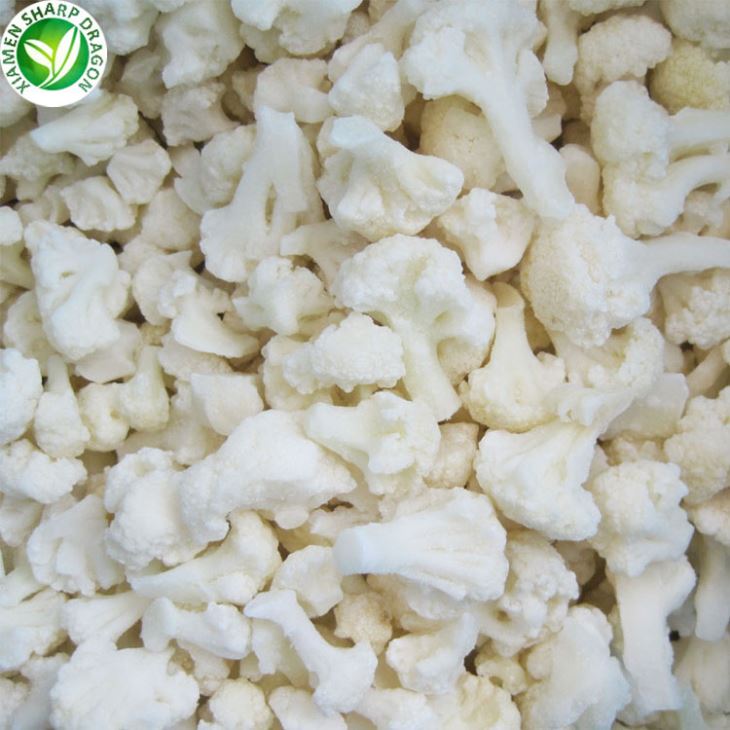
| Method | Best fit | Main control point |
|---|---|---|
| Cook from frozen | Soup, stew, curry, boiling, steaming | Follow the pack and avoid overcooking |
| Refrigerator thawing | Advance preparation and moisture-sensitive recipes | Keep covered, cold, and able to drain |
| Cold-water thawing | A sealed pack needed sooner | Leak-proof pack, cold water, immediate cooking |
| Microwave defrosting | Small portions for immediate use | Prevent hot spots and cook immediately |
How to Thaw Frozen Cauliflower in the Refrigerator
Refrigerator thawing gives the most control when you need fully thawed florets. The refrigerator should be held at 40°F (4°C) or below. A shallow container helps keep released liquid away from other food and makes the cauliflower easier to spread rather than leaving it as a dense frozen block.
- Check the label first. If the product says to cook from frozen, thaw only when the recipe or process genuinely requires it.
- Transfer the needed amount to a clean, covered container. Keep it on a lower refrigerator shelf so any accidental leakage cannot drip onto ready-to-eat food.
- Spread the florets in a reasonably even layer and allow them to soften until the pieces separate without force. Do not use a promised clock time as the only test.
- Drain in a colander. For roasting, coating, skillet cooking, or formulation work, blot the surface with a clean towel before using the cauliflower.
The goal is not to make the cauliflower warm. It should remain refrigerator-cold while it thaws. If the pieces are only partly thawed but already separate cleanly, that may be enough for portioning or an even cook. Fully thawing a small floret just because a large one is still icy can produce an uneven result, which is why size uniformity matters.

Faster Thawing: Cold Water or Microwave
Cold water works only with a sealed package
Place the cauliflower in a leak-proof food-safe bag or container before submerging it in cold water. Change the water every 30 minutes so it stays cold, and cook the cauliflower promptly once it has thawed. Do not pour loose florets directly into a bowl of water and leave them there. That makes drainage harder to control and exposes the food to the condition of the water and container.
A small, flat pack may soften much faster than a thick foodservice block. Twenty minutes can therefore be a check point, not a universal completion time. Press the sealed pack gently: the method is complete enough when the pieces separate for the next operation and no hard center remains where full thawing is required.
Microwave only when cooking follows immediately
Use a microwave-safe container and the appliance's defrost or reduced-power setting. Remove outer packaging unless it is specifically marked for microwave use. Pause to turn or separate the pieces so the edges do not begin cooking while the center remains frozen. Because microwaves can create warm spots, move directly into the final cooking step rather than holding the partially warmed cauliflower.
Safety distinction: Do not use the counter, warm water, or hot standing water as a thawing method. Boiling water is appropriate only when it is the selected cooking method and the product directions support cooking from frozen.
How to Keep Thawed Cauliflower from Turning Watery
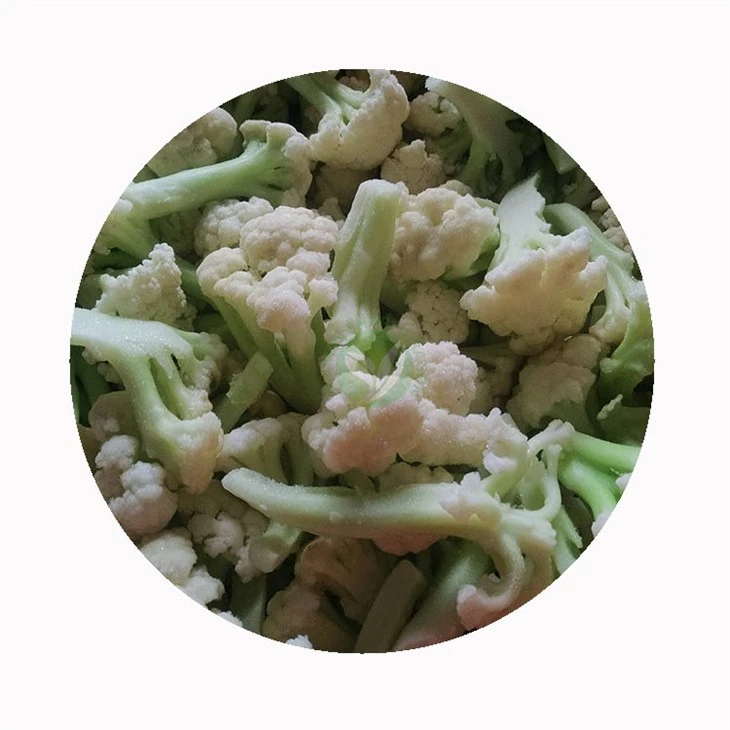
Frozen cauliflower will not behave exactly like a fresh raw head. Ice formation and thawing can damage plant cells, and many frozen vegetables are blanched before freezing. As the product thaws, some water can leave the tissue. That release is expected; the useful question is whether the amount and texture remain suitable for the intended dish.
Drain first, then choose the drying effort according to the application. Soup, curry, mash, and puree can often tolerate some moisture. A breaded floret, pan-seared side dish, pizza topping, or formed product is less forgiving. For those uses, spread the thawed pieces rather than piling them, allow free liquid to drain, and blot the surface before adding oil, batter, seasoning, or a binding ingredient.
Avoid squeezing whole florets aggressively. Pressure can crush the curd and create small fragments. Cauliflower rice can be pressed more deliberately when a formulation requires a lower water load, but the method should be standardized so one batch is not much drier than the next. In commercial work, record both the draining procedure and the post-thaw weight rather than judging moisture only by appearance.
If thawed florets are consistently soft before cooking, look beyond the thawing method. Floret size, blanching intensity, raw-material maturity, storage history, ice accumulation, and repeated temperature fluctuation can all change the result. Switching from refrigerator thawing to faster hot-water handling will not correct an unsuitable product specification.
Food-Safety Rules That Matter
Treat the label as the first safety instruction. Frozen cauliflower may be sold as ready-to-cook rather than ready-to-eat, and freezing does not make a food sterile. If the pack says "cook and serve," "ready to cook," or gives a specific heating method, follow those directions. Do not assume that blanching during manufacture makes thawed florets suitable for serving without further cooking.
Keep hands, containers, colanders, towels, and work surfaces clean. Separate the cauliflower from raw meat, poultry, seafood, eggs, and their juices. After microwave or cold-water thawing, cook immediately. Refrigerator thawing offers more scheduling control, but the product should still stay covered and cold and should not be held indefinitely.
Quality signs and safety signs are not identical. Dry pale patches or freezer burn mainly indicate moisture loss and may produce tough or bland areas; they do not automatically prove that food is unsafe. A damaged or leaking bag, evidence of prolonged thawing, an unknown temperature history, contamination, or an active recall needs a separate decision. Appearance and smell alone cannot confirm safety.
If a commercial carton arrives partly thawed, do not make an acceptance decision from one soft floret. Isolate the affected load, review product temperatures and records, inspect package condition, follow the organization's food-safety plan, and obtain qualified guidance when the time-temperature history is uncertain.

How Buyers Should Test Thaw Loss and Cooking Performance
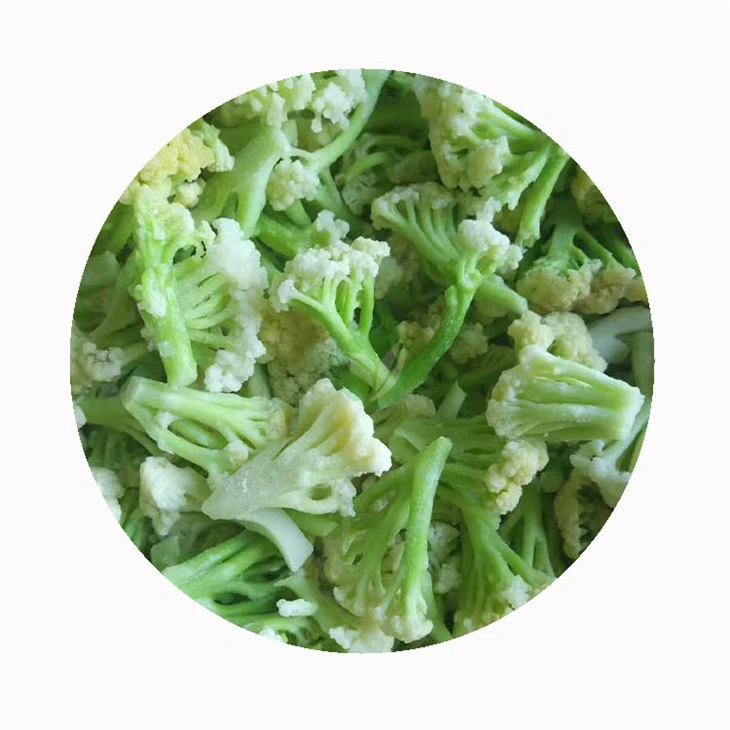
For a food factory, central kitchen, distributor, or retail program, "easy to thaw" is not a complete acceptance criterion. Start with the final use. A ready-meal line may need pieces that separate quickly and survive reheating; a soup processor may care more about size consistency and flavor; a coated product needs controlled surface water; cauliflower rice needs a defined particle size and moisture behavior. The current XMSD frozen cauliflower page shows how florets, green-stem cauliflower, diced formats, and cauliflower rice serve different applications.
Use a repeatable thaw-and-cook trial
Take a representative sample, record its frozen weight and condition, apply one defined thawing method, drain it for a fixed interval, and record the drained weight and visible free liquid. Then cook the sample in the buyer's actual recipe and score the result for piece integrity, bite, color, flavor, sauce dilution, and yield. The acceptable result is application-specific; it should be agreed during sample approval rather than invented after a shipment arrives.
Match size and processing to heat transfer
Large and small florets do not thaw or cook at the same rate. Buyers should compare the actual size distribution, stem ratio, broken-piece level, blanching requirement, and firmness after the intended cook. A bag that looks attractive while frozen can still create uneven heating if its size range is too broad for the process. Sample review should therefore include the cold product and the finished application.
Read package and cold-chain signals together
Loose IQF pieces support portioning and even processing. A hard block, excessive internal frost, weak seals, wet or deformed cartons, or inconsistent product temperatures can signal handling risk, but no single visual sign proves its cause. Review the pack specification, loading condition, temperature records, and sample performance together. Our frozen food packaging guidance explains why inner-pouch integrity, master-carton strength, labels, and transport conditions need to work as one system.

XMSD sourcing note: We can discuss cauliflower format, floret size, blanching requirement, packing, and an application-based sample test. Share the final cooking method and the result your line needs so the specification review starts with performance rather than a generic thawing time.
Frequently Asked Questions
Can thawed cauliflower be refrozen?
Food thawed safely in the refrigerator can generally be refrozen, although another freeze-thaw cycle may reduce quality. Food thawed by cold water or microwave should be cooked before refreezing. Follow the product label and your local food-safety requirements.
Why are the florets frozen into one block?
A block can result from surface water, packing pressure, or temperature fluctuation, but appearance alone cannot identify the cause. Check pack integrity and temperature history. For commercial acceptance, compare the condition with the agreed free-flowing specification.
Should you rinse frozen cauliflower before cooking?
Not automatically. Read the package directions. A quick cold rinse may remove loose ice in some recipes, but soaking adds water and is not a substitute for the required cooking step.
Final Thoughts from XMSD
Start by asking whether thawing is needed at all. Cook frozen cauliflower directly when the package and recipe support it. When a dry or precisely formulated application needs thawed pieces, use the refrigerator for control, or use sealed cold-water or microwave thawing followed by immediate cooking. Drain according to the final use, and judge a commercial product by repeatable application performance rather than one universal thawing time.
References
- USDA Food Safety and Inspection Service: The Big Thaw-Safe Defrosting Methods
- FoodSafety.gov: Four Steps to Food Safety
- U.S. Food and Drug Administration: Are You Storing Food Safely?
- University of Maine Cooperative Extension: Cooking and Handling Frozen Vegetables
- Cooperative Extension: How to Freeze Vegetables
- Academy of Nutrition and Dietetics: How to Thaw Foods Safely
- XMSD operational source: current frozen cauliflower product information for product forms, size control, blanching options, IQF separation, packaging, and application review. Used only for procurement and processing context.