


Carrot Freshness Before IQF: Raw Material Control Guide
Aug 14, 2019

Keeping carrots "fresh" before frozen processing is not one storage trick. It is a controlled period between harvest and line intake. Root maturity, mechanical damage, field heat, temperature, humidity, free water, airflow, nearby commodities, holding time and production capacity all affect the color, firmness, trimming loss and usable yield that reach the IQF line.
For a frozen-carrot buyer, a supplier's statement that the roots are refrigerated is incomplete. Ask for the raw-material specification, harvest and arrival times, temperature readings, lot identity, storage condition, inspection results, processing schedule and disposition of delayed or damaged loads. The control target is not maximum theoretical storage life. It is consistent processing fitness at the moment the carrots are washed, peeled, cut and blanched.
The short answer: start with sound topped roots, remove field heat promptly, hold them cold at high relative humidity without condensation or standing water, protect them from freezing and ethylene exposure, preserve ventilation and lot identity, and schedule intake against demonstrated line capacity. Release raw material by measured condition, not age alone.
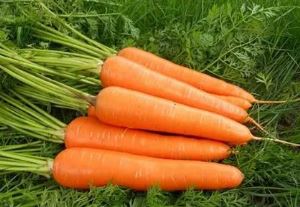
Define "Fresh Enough for IQF"
A fresh-retail carrot and an IQF-processing carrot do not have identical acceptance priorities. A retail programme may emphasize whole-root appearance and shelf life. Frozen processing needs roots that can be washed, peeled, trimmed and cut efficiently while delivering the agreed orange color, piece integrity, cooked texture, flavor and defect level after blanching and freezing.
Write the receiving standard in measurable terms. Include variety or approved type, maturity range, root diameter and length where they affect cut yield, firmness, color, green shoulder, cracking, forking, woody or fibrous tissue, decay, insect injury, soil load, foreign matter, abnormal odor, freezing injury and maximum damaged fraction. Define the sample size and defect calculation.
UC Davis lists lack of firmness, non-uniform shape, roughness, poor color, splitting or cracking, green core, sunburn and trimming problems among important carrot defects. Translate those descriptors into the supplier's intake sheet and finished cut specification. A misshapen root may be acceptable when peeling and dicing yield remain inside limits, while soft decay is a rejection issue.
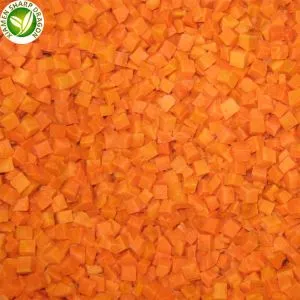
Example: a 10 × 10 mm dice programme can tolerate some variation in root length but loses yield when many roots are thin, forked or deeply cracked. The approval therefore uses diameter distribution, serious crack percentage, firmness and trial-cut yield rather than judging the load only by surface appearance.
Separate Whole, Topped, Bunched and Fresh-Cut Carrots
Storage references apply to a defined product form. Mature topped roots can have a much longer potential life under optimized conditions than bunched carrots with tops or peeled and cut carrots. UC Davis gives 0°C as the optimum and 98–100% relative humidity for carrots, but its listed lives differ sharply by maturity and preparation. That is why one general number cannot govern every factory input.
Green tops lose water and continue respiration, so bunched roots are more perishable than topped processing roots. Peeling and cutting remove protective tissue and increase exposed surface. Fresh-cut material therefore requires tighter hygiene, temperature and time control. Do not use the long-storage expectation for mature intact roots to justify a delay for peeled dice.
The IQF route normally receives whole roots and then performs washing, peeling, trimming and cutting under the facility's controls. If a supplier sends pre-cut raw material, treat it as a different material with a separate specification, packaging, transport condition, microbiological assessment, maximum hold and release plan.

Control Harvest Damage Before Cooling
Cuts, impact bruises, cracks and broken tips create trim loss and can open routes for decay. Damage can begin during lifting, topping, field transfer, bin filling or truck loading. A cold store slows deterioration but cannot make damaged tissue whole. Inspect the actual harvest and handling route when damage recurs.
Use containers that support the load without crushing lower layers. Set drop-height controls at harvesters, conveyors and bin fillers. Remove stones, sharp debris and badly diseased roots before storage. Do not overfill bins above the safe stacking line, and keep forklift tines from puncturing containers or roots.
Record defect findings by farm, field, harvester, shift and load. A single blended daily percentage can hide one damaged source. When the processor can trace finished IQF lots back to raw-material loads, recurring breakage or decay can be connected to the responsible handling step.
Practical example: the first three trucks from a field meet the crack limit, but the fourth shows a sharp increase in broken tips after a harvester adjustment. Segregate that load, restore the setting, inspect the next load at increased frequency and decide whether trial trimming gives an acceptable yield before release.
Remove Field Heat and Verify the Product Temperature
Fresh roots remain living tissue after harvest. Higher temperatures increase respiration and accelerate water loss and deterioration. FAO describes precooling as rapid removal of field heat and notes several methods, including cold air and hydrocooling. The suitable method depends on product, water control, container, facility and processing schedule.
Measure product temperature, not only room air. A cold room display can reach its set point while the center of a warm bin remains much higher. Define sample locations across the vehicle and storage pattern, the probe method, arrival limit, target condition, measurement frequency and response to a slow-cooling load.
Airflow needs a path. Tight stacking, blocked vents, deep piles and poorly positioned pallets reduce heat removal. Map the warmest credible locations during a commercial load. If hydrocooling or washing is used, control water quality, temperature, change rate or treatment as applicable, and prevent contaminated water from spreading hazards across roots.
The target must remain above the root's freezing point. Frozen injury can cause cracking, water-soaked tissue, flabbiness or breakdown after thawing. Near-zero reference conditions are not permission to expose roots to uncontrolled subzero air, evaporator contact or local cold spots.

Balance High Humidity with Condensation Control
Carrots lose firmness when they lose water, so high relative humidity is valuable. UC Davis recommends 98–100% RH under optimum storage conditions. However, it also warns that free moisture from washing or unevaporated condensation, especially with fluctuating temperatures and plastic liners, promotes decay. High humidity and wet surfaces are not the same condition.
Avoid a sealed bag approach that traps warm, wet roots without verified cooling and gas exchange. Use suitable ventilated bins or liners, maintain airflow, manage door openings and defrost, and prevent dripping from coils or ceilings. If roots are washed before holding, remove excess surface water according to the validated route.
Temperature fluctuation can move a surface below the local dew point and create condensation. Log product and room conditions through receiving, cooling and holding. A load that repeatedly warms at the dock and returns to the cold room can show more wetting and decay risk than a continuously controlled load with the same final reading.
Example: two bins both read 2°C at inspection. Bin A cooled once and remained ventilated. Bin B was wrapped while warm, moved through two dock delays and shows water droplets inside the liner. Equal spot temperatures do not create equal condition; inspect wetness, odor, soft decay and the recorded route before acceptance.
Prevent Ethylene-Induced Bitterness and Mixed-Commodity Errors
Carrots produce little ethylene, but UC Davis identifies them as sensitive to it. Exposure can stimulate isocoumarin formation and bitter flavor. Do not place carrots beside ethylene-producing fruit simply because both products fit in the same cold room by temperature.
Map neighbouring commodities, air return paths, shared transport and temporary staging. Use segregation or ventilation controls supported by the site's assessment. Remove combustion sources and decaying produce that can add unwanted gases. When a bitter flavor complaint appears, review storage adjacency and airflow as well as variety and maturity.
Mixed storage decisions should consider more than temperature. Relative humidity, odor transfer, sanitation status, allergens where relevant, pesticide or chemical storage, pest control and container cleanliness also matter. The room should be approved for the specific material combination and holding duration.
Match Arrival Volume to Demonstrated Line Capacity
Good storage cannot compensate indefinitely for an overloaded production plan. Build the harvest and truck schedule from the demonstrated bottleneck capacity for the exact carrot form. Washing, peeling, trimming, cutting, blanching, cooling, draining, IQF freezing, sorting and packing must operate as one connected system.
Track arrival rate, released inventory, line input, downtime, rejects and remaining backlog in kilograms or tonnes. A nameplate freezer rate is not enough if peeling or cutting is slower. Include cleaning, product change, defrost, inspection and unplanned stops when forecasting the next harvest intake.
Worked example: 72,000 kg of carrots arrive for a 12-hour production window. The connected line is validated at 6,000 kg/h, but expected operating availability is 85%. Effective input capacity is 6,000 × 0.85 = 5,100 kg/h. In 12 hours, the line processes 61,200 kg, leaving 10,800 kg. That backlog equals about 2.12 effective operating hours. The processor must have approved holding capacity for that identified 10,800 kg or reduce the arrival plan.
Now connect holding to yield. If delay raises combined soft-root and trim loss from 2.5% to 7%, saleable input from a 20,000 kg load falls from 19,500 kg to 18,600 kg, a difference of 900 kg. Compare purchase and storage decisions on accepted frozen output, not raw tonnes delivered.
Review the actual route through XMSD's processing-equipment overview and factory and quality-control information, then confirm the partner facility, line, product cut, load and production window assigned to your order.
Preserve Lot Identity During Holding
Each raw-material lot needs an identity that survives unloading, cooling, storage and line feeding. Record farm or approved source, field where applicable, variety, harvest date and time, load number, arrival time, quantity, temperature, inspection status, storage location and release decision. Physical tags and digital records must agree.
First-in, first-out is a starting rule, not the only rule. A later load in weaker condition may need priority processing, additional inspection, segregation or rejection. Use first-expired or condition-based decisions when the site has defined how status is assessed. Never move unidentified bins into production to clear space.
If several farm lots feed one finished lot, document the time and quantity contribution. If one farm load is later found nonconforming, the mapping should identify the affected finished codes and remaining raw stock. Strong mass balance limits the scope of investigation and prevents unaffected lots from being held without reason.
XMSD's farm-sourcing overview provides context for origin planning. Order evidence still needs to identify the actual approved farm resources, partner processor and traceability route used for the contracted carrot lot.

Verify Condition at Intake and Before Line Release
Inspect at receiving because a damaged load should not enter the same status as an approved load. Inspect again before processing when holding can change condition. Use a defined sampling pattern across bins or pallets rather than selecting only the cleanest exposed roots.
Record product temperature, surface wetness, odor, firmness, decay, cracks, sprouting, color and serious defects. Where processing yield is decisive, run a representative peel-and-cut trial and calculate accepted pieces. Where pesticide, contaminant or microbiological evidence is required, preserve sample and lot identity and hold affected material until the decision is complete.
Define action limits and authority. A marginal cosmetic result may lead to a controlled yield trial. Soft decay, unidentified origin, freezing injury, abnormal odor or a food-safety nonconformance can require rejection or quarantine. Rework cannot be assumed; it must be technically suitable, lawful, traceable and covered by the customer's agreement.
Example: a held lot remains inside the time limit but its firmness trend crosses the action level. Do not release it automatically because the calendar has not expired. Repeat the defined inspection, run the cutting-yield test, review the intended product and decide before mixing it with stronger material.
Connect Raw Material to the Frozen Specification
The frozen result is the final check on the raw-material programme. Compare root condition with peeling loss, cut distribution, breakage, blanching response, color, free-flowing separation, frozen defects and cooked texture. Trend those relationships by farm, season, variety and holding time.
A root that passes a visual receiving check can still deliver weak cutting yield or texture. Approve the exact frozen form through a representative sample: dice, slices, strips, crinkle cuts or decorative shapes. XMSD's frozen carrot range shows common formats, while the broader frozen vegetable range helps buyers assess blend and programme needs.
Use change control when farm, variety, harvest maturity, bin, cooling method, storage condition, maximum hold, line, cut size or blanching programme changes. Decide whether the change needs a new sample, trial production, updated risk review or customer approval before the affected lot is shipped.

Buyer Approval Checklist
Use the checklist against an identified facility and production programme. Every answer should point to a specification, record, observation or responsible person. Open items need a deadline and a release consequence; a general assurance does not control a warm or delayed load.
Apply it before the crop season, at the first commercial intake and during periodic supplier review. Pre-season review tests whether cooling, storage and line capacity fit the planned daily harvest. First-intake review confirms that the written method works with real roots and commercial bins. Periodic review uses trends in temperature, defects, yield and finished performance to decide whether controls remain effective.
Keep hard stops separate from improvement opportunities. Unidentified material, active decay, freezing injury, a failed safety requirement or an unauthorized release cannot be balanced by strong scores elsewhere. A slightly wider but still acceptable diameter distribution may instead lead to a yield trial and a commercial discussion. The checklist should make that decision logic visible.
- Approved variety, maturity, farm source and frozen cut are defined.
- Intake defects, sampling, limits and decision authority are documented.
- Harvest, loading and transport controls minimize wounds and crushing.
- Arrival and holding records measure product temperature at defined locations.
- Cooling capacity and airflow have been demonstrated at commercial load.
- High humidity is maintained without standing water or uncontrolled condensation.
- Carrots are protected from freezing injury and unsuitable ethylene exposure.
- Lot identity, storage position, status and raw-to-finished mapping are preserved.
- Arrival volume fits effective line capacity, including normal downtime.
- Delayed or marginal loads receive defined reinspection and disposition.
- Frozen and cooked results are trended against source and holding conditions.
Close the review with a named action: approve, approve with defined controls, hold for evidence, conduct a trial, reduce the arrival plan or reject. Record who made the decision and which lots it covers. That turns raw-material freshness from a vague promise into a repeatable input for frozen-carrot quality.

Frequently Asked Questions
What temperature should processing carrots be held at?
UC Davis gives 0°C as an optimum reference for carrots, but the facility must validate its actual product form, duration, airflow and controls. Avoid local freezing and verify root temperature, not only room air.
Should carrots be sealed tightly in plastic before IQF processing?
Not as a universal rule. A tight liner can restrict cooling and trap condensation. Choose ventilated bins or liners from the validated cooling, humidity, sanitation and holding plan.
Can carrots be stored beside fruit?
Review the exact fruit and airflow. Carrots are sensitive to ethylene, which can induce bitterness, so shared storage with strong ethylene producers may be unsuitable without effective segregation.
Is first-in, first-out enough for carrot raw materials?
No. Use it with condition and status. A weaker later load may need faster processing, extra inspection, quarantine or rejection, while unidentified or unreleased material must never enter production.
What evidence should a frozen carrot buyer request?
Request the agreed raw and frozen specifications, approved source, receiving and temperature records, lot mapping, process and inspection results, required test reports, deviations, release record and cold-chain evidence.
Planning a frozen carrot programme?
Send XMSD your cut, application, destination, pack, volume, delivery schedule and quality limits through the inquiry form. We will review raw-material fit, partner-facility capacity, evidence needs and sample approval before quotation confirmation.