


Frozen Vegetable Cooking Yield Test: Drip Loss and Cost per Portion
Aug 22, 2026

To compare frozen vegetable cooking yield, use the same product state, starting mass, equipment, load, heat process, endpoint, drain method and holding time for every sample. Weigh the cooked, drained usable product, record separated liquid and broken or rejected pieces, then calculate both mass yield and portions. A higher percentage is valuable only when texture, color, piece integrity and safety also meet the application.
Yield is not one universal property printed on a carton. A broccoli floret steamed from frozen behaves differently from spinach thawed and pressed for filling, carrots boiled for a school meal, or corn heated inside a sauce. Water can leave the vegetable, remain on its surface, evaporate, or be absorbed by another recipe component. Your method has to define which mass counts as usable output.
We recommend approving yield together with the intended cooking process and portion size. The broader frozen vegetable range includes pieces, kernels, florets, leafy blocks and blends that need different drainage and integrity rules. A common calculation is useful, but the physical test must match the product.
The short answer: Cooking yield (%) = cooked, drained usable mass ÷ frozen input mass × 100. Report drip, fines and rejected pieces separately, and convert the accepted mass into your real portion count and cost.
Define What Your Yield Number Includes
The numerator is the commercial decision. For a plated side, it may be cooked vegetables after a fixed drain and hold. For a soup, released liquid stays in the dish and should not be treated automatically as waste. For a breaded product, coating pickup can increase cooked mass even while vegetable moisture is lost. For spinach filling, a pressing step may be necessary, so output means the pressed material that actually enters the recipe.
Separate at least four observations: cooked usable pieces, free liquid or drip, broken pieces/fines, and pieces rejected for texture, defect or off-style condition. These categories reveal different causes. High free liquid can dilute sauce. High fines can disappear through a drain basket. A high gross cooked weight can hide unacceptable soft pieces that will not survive mixing. One percentage cannot explain all three failures.
| Recorded output | Why it matters | Common mistake |
|---|---|---|
| Cooked, drained usable mass | Portions and cost-in-use | Including liquid that is discarded in the real operation |
| Separated liquid or drip | Sauce dilution, pan recovery and sensory result | Calling all liquid product damage without a matched method |
| Broken pieces and fines | Visible yield, drain loss and portion consistency | Letting small pieces escape before they are weighed |
| Rejected cooked pieces | True usable output | Including mushy, woody or badly discolored pieces as saleable yield |
USDA's Food Buying Guide makes the same practical distinction between purchase unit and serving yield. Its vegetable resource notes that frozen vegetables are already cleaned and blanched and often yield more servings per pound than fresh, while the actual entry depends on product and prepared form. Use such published values for planning context, not as a substitute for an in-house lot comparison under your recipe.
Run the Test in the State You Actually Use
If production cooks from frozen, test from frozen. If it thaws under a validated process before mixing, reproduce that thaw and include the drainage step. Do not thaw one supplier and steam another from frozen. The safe-thawing boundary in our frozen-food thawing guide is separate from the quality method: refrigerator, cold-water and microwave decisions follow food-safety controls, while drip and texture describe commercial performance.
A direct-from-frozen steam test often gives the clearest comparison for loose florets and kernels because it limits uncontrolled thaw handling. A kettle or sauce application may be more representative when the product will cook in liquid. For roasting or stir-fry, pan recovery and evaporation become part of the result. The method should reproduce the real load depth and heating surface, not a tiny laboratory portion that never cools the equipment.

A Repeatable Cooking-Yield Method
1. Lock sample identity and frozen starting mass
Record product, cut, blanch status, pack, lot, sample source and frozen condition. Use unopened packs or a documented representative draw. Weigh the empty container or basket and the frozen input on a verified scale. State whether loose ice is included in input, measured separately or excluded by an approved deglazing step. Changing this basis after cooking invalidates the comparison.
2. Standardize equipment, batch load and heating medium
Name the steamer, kettle, pan, oven or microwave; water volume where used; starting temperature; frozen load; product depth; lid condition; agitation; and recovery point. A 500 g layer in a wide pan and 5 kg in a deep pan will not release and evaporate water the same way. Preheat and recovery instructions must be identical for comparative lots.
3. Use a defined endpoint
Time alone is not an endpoint when piece size, blanch level and equipment recovery vary. Use the product's validated cooking instruction and safety requirement, then define the quality endpoint with temperature where applicable, tenderness method, largest-normal-piece check and maximum hold. Do not shorten a required safety process to protect color or mass yield. If the ingredient will receive another heat cycle, test the complete sequence.
4. Drain with a controlled basket, time and motion
Specify screen opening, basket diameter, product depth, drain time, angle and whether shaking or pressing is allowed. A vigorous shake removes more surface water and more fines than a passive drain. A fine mesh retains fragments that a coarse colander loses. Start the timer from the same event and weigh within a defined window so evaporation and cooling do not create different results.

5. Weigh useful output and record the other fractions
Subtract tare from cooked drained mass. Collect free liquid when the application requires a water-release result. Recover fines and broken pieces before discarding them. Apply the written usable-piece rule, then record rejected mass. Photographs support interpretation, but the test sheet needs weights, times, temperatures, equipment, operator and observations.
6. Repeat and compare the variation
Run replicate samples from more than one pack. A single high result can come from surface water retained by the basket; a single low result can come from an unrecorded spill. Compare replicate range, not only average. If operator results diverge, tighten the endpoint and drainage language before using the method for claims or supplier ranking.
Calculate Yield, Portions and Cost on One Basis
Worked example: A hypothetical foodservice test starts with 2,000 g frozen broccoli. After the approved steam, 60-second passive drain and defect removal, usable cooked mass is 1,720 g. Cooking yield is 1,720 ÷ 2,000 × 100 = 86.0%. At a 100 g cooked portion, the sample provides 17.2 theoretical portions; production can plan 17 complete portions with 20 g remaining. If frozen product costs $2.10/kg, ingredient cost for the 2 kg input is $4.20, or about $0.244 per 100 g cooked portion before labor, energy, seasoning and waste disposal.
A second lot at the same purchase price yields 1,580 g, or 79.0%, creating 15.8 theoretical portions and an ingredient cost near $0.266 per 100 g cooked portion. The difference is 2.2 cents per portion, about $220 across 10,000 portions. That figure matters only if the first lot also meets texture and piece standards. A watery, soft 86% yield is not automatically the better purchase.
Use unrounded weights for calculations and report the scale resolution. Define how partial portions are handled. A restaurant may use remainder in the next batch under its food-safety plan; a sealed tray line cannot count a fraction that never fills a tray. Cost per usable kilogram, cost per complete portion and giveaway per portion answer different questions, so keep them separate.

Why Drip and Yield Change Between Lots
Vegetable variety, maturity, cell structure, cut size, blanch schedule, cooling, dewatering, freezing rate, storage history and temperature fluctuation all influence water retention and texture. Research indexed by FAO AGRIS links freezing damage in plant tissue with drip loss and firmness change, while product response differs among carrot, pepper, cucumber, broccoli, potato and pumpkin systems. These studies support measuring the actual product; they do not justify one universal drip percentage.
Surface ice and intracellular drip are not the same. Loose ice can increase starting mass and water in the pan without proving severe tissue damage. Tissue drip can appear after controlled thaw or cooking even when the bag contains little visible ice. Broken pieces also have more exposed surface and can lose water or escape the drain faster. Record ice, cut distribution and breakage alongside yield before assigning cause.
Temperature evidence matters, but one clump or low yield does not prove thaw-refreeze. Review seals, carton condition, logger, product temperature under the approved method, pallet pattern, production records and retain samples. Packaging and moisture barrier can change dehydration and frost over time; our frozen packaging overview provides a separate route for pack construction and frozen-distribution questions.
Read the Yield Pattern Before Assigning Cause
Pair mass yield with liquid, texture and integrity. High yield with a soft bite may mean the product retained surface water or was stopped before the agreed endpoint. Low yield with firm intact pieces may come from an overly long drain or a method that lets small pieces escape. Low yield plus high liquid and soft tissue points toward a different investigation from low yield plus many mechanically broken pieces. Record the pattern before changing product, pack or process.
Check mass balance where possible. Frozen input does not have to equal cooked pieces plus collected liquid because some water evaporates, some remains on equipment and some may enter the heating medium. Even so, a rough balance helps expose a spill, unrecorded rinse, incomplete drip collection or lost fines. When evaporation matters, weigh the full pan or kettle system before and after under a validated procedure rather than estimating vapor from the difference between two incomplete fractions.
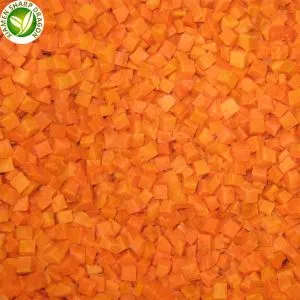
Practical example: A hypothetical central kitchen compares two 5 kg frozen carrot samples in the same steam pan. Sample A produces 4.35 kg usable cooked carrots, 0.25 kg recovered drain liquid and a firm approved bite. Sample B produces 4.45 kg usable mass and only 0.10 kg measured liquid, but the operator stopped it two minutes earlier and the largest dice remain too hard for the recipe. Sample B's apparent 89.0% yield cannot be compared with Sample A's 87.0% because the endpoints differ. The action is to repeat Sample B to the approved texture endpoint, not reward the higher preliminary number.
Use an approved cooked reference, not memory. Retain the method version and record a texture instrument value, penetration check or trained sensory description that another operator can repeat. Color photographs need consistent lighting and timing because vegetables continue to change during hot hold. When the line changes supplier, cut, pan, load or cooking equipment, run a side-by-side reference before revising the commercial limit.
Keep Recipe, Nutrition and Cost Weights Aligned
Frozen input weight, cooked drained weight and served portion are not interchangeable. A recipe may issue 120 g frozen product but declare a 100 g cooked portion. Costing must convert between those states with the validated yield. Nutrition data must use the food form and preparation basis represented by its source. Our frozen cooked broccoli basis guide gives a product-specific example of why cooked, drained and frozen weights cannot be swapped.
Create one conversion sheet that names frozen issue weight, cooked usable yield, portion weight, complete portions, remaining usable mass and waste. Link the current recipe version and source of nutrition values. If yield moves enough to change the declared serving or nutrition calculation, review the label or menu through the destination-market process; a purchasing spreadsheet should not silently alter a regulated declaration.
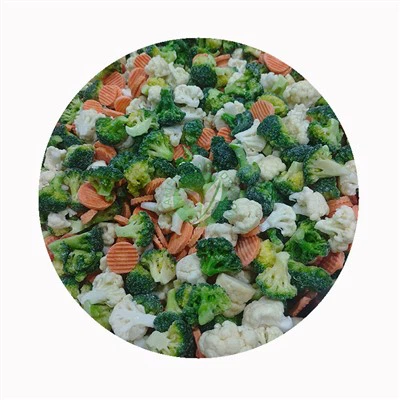
For blends, calculate the component contribution after cooking when visible ratios matter. Peas, corn, carrots and beans can retain or lose mass differently, and small pieces can settle or escape during drainage. An acceptable total yield can hide the wrong served ratio. Separate components in replicate cooked portions when component identity drives nutrition, label, plate appearance or contract compliance.
Adapt the Test to the Application
Foodservice sides and institutional meals
Use the actual steamer pan depth, drain, hot-hold time and served portion. Record yield immediately after cooking and again after hold when the buffet or service line exposes the product to continued heat. USDA food-buying yield values are useful for menu planning, but an in-house test is appropriate when your item, pack, method or portion consistently behaves differently.
Ready meals and tray filling
Test the entire production cycle: frozen dosing, pre-cook if used, sauce addition, filling, freezing, storage and consumer reheat. Free liquid can migrate into starch or sauce rather than appearing in a drain cup. Measure tray component weight, sauce viscosity, piece integrity and finished serving after reheat. A bench steam result cannot predict every formulated meal.
Kettles, soups and sauces
Released vegetable liquid remains in the formula, so a conventional drained yield can exaggerate loss. Use mass balance of the complete batch, solids or viscosity where relevant, and the portion count after final make-up. Check whether extra water requires longer evaporation or changes seasoning concentration. Compare equal recipe endpoints, not equal clock time alone.
Stir-fry and high-heat pans
Pan recovery, load depth and evaporation dominate. The frozen baby corn cooking guide illustrates why a 250 g layer can brown while a 750 g pile steams. Record batch weight, pan surface, recovery, free water before sauce and final bite. Compare lots at the same loading strategy.

Write Yield into Approval and Lot Control
A useful clause states product, cut, pack, frozen input basis, sample plan, method, equipment, batch load, endpoint, drain, usable-piece definition, calculation, minimum yield or approved range, replicate rule, retest and disposition. Attach the application recipe or method version. If the kitchen changes pan, load, endpoint or drain basket, revalidate before blaming the supplier for a shifted result.
Use sample approval to set a realistic limit. Compare multiple production lots, not one hand-selected bag. Trend mean and variation. A stable 82% can be easier to cost and control than results that swing from 78% to 90%. Set separate maximums for free liquid, breakage or rejected pieces when those cause the actual loss. Do not force every observation into the minimum-yield line.
At receiving, confirm pack identity, lot, frozen condition and sampling, then run the approved method against a retained reference. Hold the affected lot when the result crosses the rule or the replicate variation suggests non-uniform supply. Preserve raw weights, photos, logger records, product samples and application results before commercial disposition.

Frequently Asked Questions
Is thaw drip the same as cooking loss?
No. Thaw drip is liquid released during a defined thaw and drain. Cooking loss includes mass change during heating, drainage and evaporation. Name the method and fraction instead of using the terms interchangeably.
Should I test frozen vegetables from frozen or after thawing?
Use the state your operation actually uses under its approved food-safety process. Direct-from-frozen operations should test from frozen; controlled-thaw applications should reproduce and record that thaw.
Does the highest cooking yield always mean the best lot?
No. High retained mass can include surface water or soft unusable pieces. Approve yield with texture, color, integrity, defects, safety and application performance.
How many samples are needed for a supplier decision?
Use the named contract or regulatory sampling plan and the risk of the decision. Qualification should cover multiple packs and production lots; routine receiving needs representative units and a written accept/retest rule.
XMSD sourcing note: Send us your vegetable, cut, cooking process, drain method, portion, yield target, pack and destination. We can review sample and specification inputs before quotation.
References
- USDA Food Buying Guide: Vegetables, Purchase Units and Yield Factors
- California Department of Social Services: Food Buying Guide Yield Tables and In-House Yield
- FAO AGRIS: Freezing, Cell Damage, Drip Loss and Firmness in Vegetables
- Research: Freeze-Chilling, Drip Loss and Quality of Cooked Green Beans and Carrots
- Codex CXC 8-1976: Processing and Handling of Quick-Frozen Foods