


Frozen Kiwi: Texture, Uses, Storage and Buyer Checks
Dec 29, 2018

Frozen kiwi is ripe kiwifruit prepared as slices, dice, halves, or whole peeled fruit and kept frozen for later use. It works especially well in smoothies, frozen desserts, sauces, dairy preparations, bakery fillings, and food manufacturing, where a softer thawed texture is acceptable.
The main trade-off is texture. Freezing makes the fruit convenient to portion and helps extend its usable storage, but thawed kiwi is generally softer and releases more juice than fresh fruit. The best format therefore depends on the finished application: dice support dosing and mixing, slices preserve visible fruit identity, and halves or whole peeled fruit leave more flexibility for later cutting or processing.
The short answer: Frozen kiwi is a practical fruit ingredient when convenience, portion control, and application performance matter more than a crisp fresh-fruit bite. It remains kiwi, but freezing changes how it should be handled, specified, and used.

What Freezing Changes in Kiwi
Freezing stops most bacterial growth while food remains frozen, but it does not sterilize the fruit. It also forms ice crystals inside the fruit tissue. When kiwi thaws, the altered cell structure usually makes it softer and more likely to release juice than fresh kiwi.
That texture change is not automatically a defect. It may be undesirable for a crisp fresh-fruit garnish, but it is often acceptable for blending, crushing, pureeing, stirring into yogurt, or cooking into a sauce or filling. The application should determine the cut and thawing method.
Choose the format by the job it must do:
- Fresh kiwi: better when a firm bite and freshly cut presentation are the priority.
- Frozen slices: useful when the seed pattern and recognizable fruit shape should remain visible.
- Frozen dice: practical for measured dosing, mixing, blending, dairy preparations, and fillings.
- Frozen halves or whole peeled fruit: suitable when the buyer wants larger pieces or intends to cut or process the fruit later.

Nutrition: Use the Right Reference
Kiwifruit is a recognized source of vitamin C. The U.S. National Institutes of Health lists one medium fresh kiwifruit as providing 64 mg in its vitamin C reference table. That figure describes fresh fruit; it should not be copied as an exact value for every frozen product.
The amount in a particular frozen product can vary with variety, maturity, preparation, added ingredients, storage, thawing, and the final recipe. When a nutrition declaration matters for retail labeling or formulation, use current product-specific data rather than a broad fresh-fruit comparison.
The complete product also matters. Plain frozen kiwi is different from fruit packed with sugar, blended with sweetened juice, coated in chocolate, or used in a high-sugar dessert. Freezing does not turn kiwi into a treatment for disease, and nutrition decisions should consider the ingredient statement, portion, and finished formulation.

How to Freeze Kiwi for the Intended Use
For home freezing, begin with ripe fruit that is still firm and free from damaged areas. Missouri Extension directs home preservers to wash, peel, and slice kiwi, while Oregon State University notes that sliced, crushed, or whole fruit can be frozen. XMSD's detailed kiwi freezing guide explains this narrower method question in more depth.
A practical tray-freezing sequence
- Wash the whole fruit before peeling so the knife does not carry surface material into the flesh.
- Peel and cut the kiwi into the format you expect to use later.
- Spread pieces in a single layer on a clean lined tray and freeze them separately.
- Transfer the firm frozen pieces into freezer-suitable packaging with as little trapped air as practical.
- Label the package and return it to the freezer promptly.
Tray freezing helps keep pieces separate, which makes portioning easier. It does not replace clean preparation, suitable packaging, or reliable freezer temperature control.

How to Thaw and Use Frozen Kiwi
Frozen kiwi does not always need to be fully thawed. Pieces can go directly into a smoothie or another blended preparation. For toppings or fruit preparations, partial thawing may preserve shape better than leaving the fruit until it is completely soft.
For controlled thawing
Thaw only the amount needed in the refrigerator. For faster thawing, use a leak-proof package in cold water and keep the water cold, or use a microwave when the fruit will be prepared immediately. Do not leave frozen food to thaw on the counter, and follow the package directions for a commercially prepared product.
Applications that suit the softer texture
- Smoothies, blended drinks, and smoothie bowls
- Sorbet, popsicles, and other frozen desserts
- Yogurt, dairy fruit preparations, and cultured products
- Sauces, purees, coulis, and fruit bases
- Bakery fillings and dessert components after recipe testing
- Foodservice garnishes where a partly frozen or softly thawed texture is acceptable

Storage Quality and Food Safety
Freezing stops most bacteria from growing, but it does not kill most microorganisms. Safe handling before freezing and during thawing still matters. The U.S. Food and Drug Administration advises keeping the freezer at 0°F (-18°C) and following package directions for commercially frozen products.
Freezer burn is mainly a quality problem. It can produce dry areas, ice crystals, color change, and poorer flavor or texture, but freezer burn alone does not prove that the food is unsafe. A leaking or badly damaged package, evidence of uncontrolled thawing and refreezing, or an uncertain temperature history requires a separate safety judgment.
Allergy note: Kiwifruit can cause allergic reactions, ranging from oral symptoms to more serious reactions in some people. Freezing should not be assumed to remove kiwi allergens. Anyone with a diagnosed kiwi allergy should follow professional medical guidance; breathing difficulty or rapid swelling requires urgent care.
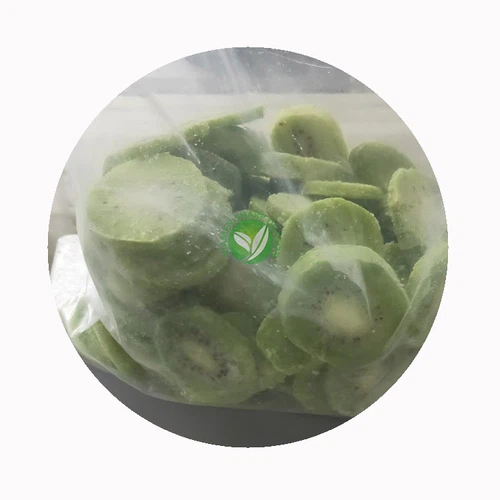
What Commercial Buyers Should Check
Commercial frozen kiwi should be selected for the finished application rather than by product name alone. XMSD's current IQF frozen kiwi page shows slices, dice, halves, whole fruit, and buyer-defined formats. The useful option depends on portioning, blending, thawing, visual presentation, and downstream processing.
- Fruit and ingredient definition: confirm variety, peeled or unpeeled condition, and whether anything has been added.
- Cut format: agree on slice, dice, half, whole, or another buyer-defined cut and tolerance.
- Ripeness and appearance: approve color, maturity, sweetness, defects, and acceptable frost against a representative sample.
- Application performance: test thawing, drip, softness, color, acidity, and blending behavior in the real formulation.
- Packaging: align the inner bag, pack weight, carton, label, and private-label needs with the sales channel. Review XMSD's frozen packaging directions as a starting point.
- Compliance and cold chain: confirm destination-market requirements, agreed test standards, traceability, storage, transport, and receiving controls.

XMSD sourcing note: Send the required kiwi format, cut, ingredient statement, pack, quantity, destination, and end application. We can review the requested specification and discuss sample or quotation arrangements without assuming that one format suits every project.
Frequently Asked Questions
1. Can frozen kiwi be used in gelatin desserts?
Raw kiwi contains a protein-breaking enzyme that can prevent gelatin from setting. Missouri Extension recommends bringing kiwi intended for a gelatin dessert to a boil, simmering it for two to three minutes, and cooling it before freezing.
2. Should a buyer specify sweetened or unsweetened frozen kiwi?
Yes. Plain fruit, dry-sugar packs, syrup packs, and formulated fruit preparations are not interchangeable. Confirm the ingredient statement, added sugar, fruit form, and intended use in the agreed product specification.
3. What should a commercial buyer inspect when frozen kiwi arrives?
Check the shipment against the agreed specification and documents, then review package integrity, lot identification, frozen condition, unusual clumping or frost, color, cut consistency, and a representative sample's performance in the intended application. Escalate temperature-history or package-damage concerns before accepting the lot.
Final Thoughts from XMSD
Frozen kiwi is most useful when convenient portioning and processing performance matter more than a crisp fresh-fruit texture. Evaluate the fruit form, ingredient statement, thawing behavior, application, packaging, and cold chain together instead of relying on broad nutrition or quality claims.
References
- NIH Office of Dietary Supplements: Vitamin C Fact Sheet for Health Professionals
- U.S. FDA: Are You Storing Food Safely?
- USDA FSIS: Freezing and Food Safety
- University of Missouri Extension: How to Freeze Fruits
- Oregon State University Extension: Preserving Kiwifruit
- PubMed: A Comprehensive Review on Kiwifruit Allergy
- XMSD operational experience in frozen-food sourcing, IQF processing, quality control, packaging, and B2B export coordination.