


Frozen Orange Procurement: 3 Checks Before You Buy
Aug 15, 2026

A frozen-orange quotation can look simple: product, pack, price, and shipment date. The risk sits inside the words that were not defined. Does "segment" mean intact vesicles with almost no membrane, a mixed whole-and-broken grade, or irregular citrus pieces? Is the quoted weight still useful after thawing and draining? Was the lot released for a ready-to-eat application or only for further processing? Those questions change value far more than a small difference in the invoice price.
This guide replaces an old consumer article built around unsupported medical warnings. The useful commercial version is organized around three checks: define the physical format, measure usable yield and application performance, and verify the food-safety, documentation, packing, and cold-chain plan. We use "orange" as the broad buying term, while noting that many frozen segment projects are based on mandarins. Variety, origin, crop, processing method, and destination-market requirements still need order-specific confirmation.
The short answer: Before approving frozen orange, write a measurable grade for shape and defects, compare cost per accepted kilogram after a controlled thaw test, and review the release evidence for the actual product and facility. A useful starting target is not a universal Brix, temperature, or whole-segment percentage. It is a test method both sides understand and a specification tied to your final product.
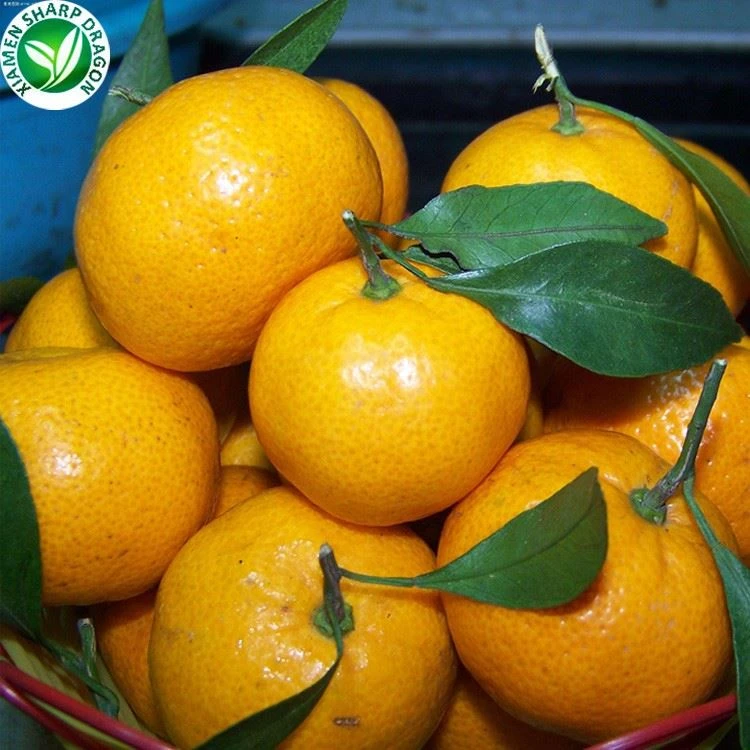
Why Three Checks Work Better Than a Generic Orange Specification
Frozen citrus is sold in formats that behave differently. Whole peeled segments are selected for visual applications. Broken-sieved material can be efficient for fruit preparations, beverages, fillings, sauces, and blended products. Slices may retain peel and create another residue-control question. Juice and concentrate use a different quality language based on soluble solids, acidity, ratio, pulp, oil, heat treatment, and reconstitution. A specification copied from one format can be meaningless for another.
The three-check method follows the commercial decision. Check 1 tells the supplier what must be produced and sorted. Check 2 tells you how much of the delivered product works in your recipe. Check 3 tells both quality teams which records, pack controls, and transport conditions must support release. If one check is missing, the buyer often discovers the gap only after arrival, when rework, claims, storage, and production delays are expensive.
| Buyer check | Question it answers | Evidence to retain |
|---|---|---|
| 1. Format and grade | What exactly will be packed? | Written definitions, photos, sample weights, defect method |
| 2. Usable yield | How many kilograms perform in the real application? | Thaw test, drain loss, accepted grade, recipe trial, calculation |
| 3. Release and delivery | Can the actual lot be accepted and transported as agreed? | Specification, COA, traceability, certificate scope, pack and temperature records |
These checks are not a substitute for your regulatory, food-safety, or legal approval. They are a practical structure for gathering the information those teams need. Requirements differ by country, product status, application, customer standard, and contract. Confirm the applicable limits before purchase rather than treating a website article as a release specification.
Check 1: Define the Frozen Orange Format and Physical Grade
Begin with product identity. State whether you want mandarin or orange, preferred variety when flavor or segment size matters, origin, crop or production period, peeled or peel-on style, and whether the product is IQF, block frozen, frozen with juice, or another format. Add the cut or shape: whole segments, a declared whole-to-broken ratio, broken-sieved pieces, slices, cubes, or irregular pieces. If a supplier uses a familiar trade name, write the measurable meaning beside it.
A "90/10" segment grade sounds precise but can still hide different methods. One factory may count pieces; another may weigh them. One may classify a segment with one split end as whole; another may place it in the broken fraction. The sample may be assessed frozen, partly thawed, or fully thawed and drained. Loose juice and vesicles may or may not remain in the denominator. Ask for the test portion, condition, sorting definitions, weighing method, calculation, and tolerance. Only then can two quotations be compared.
Write limits for defects that affect your application: peel fragments, white membrane, seeds, hard core tissue, discolored pieces, dry pieces, damaged vesicles, excessive free juice, clumps, surface ice, and foreign material. Avoid "practically free" unless an accepted standard defines it for your order. For a 1 kg evaluation portion, an operational limit such as "no seeds detected and no peel fragments; membrane assessed by the signed reference sample" is easier to inspect than "good quality." Your final limit must be set by the buyer and supplier for the real product.
Our frozen orange range shows why the format should be selected before price comparison. A visible dessert topping may justify a higher intact-segment grade. A yogurt preparation that is mixed after thawing may obtain better value from controlled broken citrus. A beverage inclusion may need a particular piece distribution and low membrane rather than cosmetically perfect segments. Send the application, not only the product name.

Size is another hidden variable. Define it with a method appropriate to the format: segment count per weight, length range, sieve distribution, slice thickness, or a signed sample. Large segments may look premium but distribute unevenly in small retail packs. Small segments may dose more consistently but release juice faster when handled. For automated filling, ask whether the product remains free flowing at the actual hopper, belt, and dosing conditions.
Color and flavor should connect to fruit maturity and application, not to a vague "natural orange" promise. Define unacceptable browning, green areas, dark spots, oxidation, fermented odor, peel bitterness, or stale flavor. Soluble solids measured as degrees Brix can support lot comparison, but Brix alone does not describe sweetness-acidity balance, aroma, texture, or consumer acceptance. State the sample preparation and instrument method. For juice and concentrate, use the relevant product standard rather than transferring a segment target without evidence.
Practical example: A bakery buyer needs orange pieces that remain visible after mixing into a cold cream. The initial request says "IQF mandarin, 10 kg carton." A workable revision adds broken-sieved pieces, an agreed size band, membrane and seed limits, maximum free juice after the agreed thaw, color reference, no added sugar, and a mixing trial. The buyer stops paying for whole segments that will be broken by the mixer and gains an objective way to approve the production sample.

Check 2: Measure Usable Yield, Not Invoice Weight Alone
The invoice tells you how many kilograms were sold. It does not tell you how many kilograms meet the grade after handling or how much can enter the finished product. Free juice, surface ice, drip loss, broken pieces outside the accepted grade, membrane, seeds, off-color pieces, and pack residue can reduce usable yield. If two suppliers use different grade methods, the lower price per kilogram may create a higher ingredient cost per accepted kilogram.
Create a repeatable thaw test. Record the frozen sample weight and product temperature. Thaw in a covered food-grade container for a defined time at a defined temperature. If your process drains the fruit, use the agreed sieve, drain time, and handling method. Weigh free liquid and product retained. Sort the retained fruit into accepted and nonconforming fractions using the written grade. Photograph each fraction and keep the calculation. Do not squeeze the product unless the real process does so.
Next, test the accepted portion in the real formulation. Evaluate after the relevant mixing, heating, cooling, refreezing, filling, or display period. Frozen citrus can appear firm in the bag and then lose juice or structure after thawing. Conversely, a visually mixed grade can work well in a blended filling. The application trial converts a cosmetic opinion into a business decision.
For visible-segment applications, our IQF mandarin segment guide can support the first specification discussion. Still, approve with your own recipe and handling conditions. A segment that survives gentle plating may not survive a pump, ribbon blender, or high-speed depositor.
Worked example: Treat these figures as a purchasing model, not a universal citrus yield. A buyer receives 900 kg at an invoice value of $1,800, or $2.00/kg. Under the agreed test and production handling, 8% falls outside the required segment grade. The remaining fraction then loses 2% as drained free juice.
Grade-accepted weight: 900 × (1 − 0.08) = 828 kg.
Usable drained weight: 828 × (1 − 0.02) = 811.44 kg.
Cost per usable kilogram: $1,800 ÷ 811.44 = $2.22/kg, before freight, storage, and processing.
Now compare a second lot quoted at $2.08/kg. If 95% meets the grade and the accepted fraction loses only 1% after draining, 900 kg produces 846.45 usable kilograms. The invoice is $1,872, and usable cost is about $2.21/kg. The higher quoted price becomes slightly lower on a usable basis. The actual decision also includes sensory performance, safety, documentation, freight, and reliability, but the calculation prevents invoice price from controlling the discussion.
Use more than one carton and more than one point in the lot. A top carton may not represent the center of a pallet or the end of a production run. For a first commercial shipment, define the inspection plan in advance: number of cases, random selection method, sample size, test location, equipment, timing, acceptance rule, and handling of disputes. If the contract depends on an outside laboratory or inspection company, state who appoints it and which method governs.
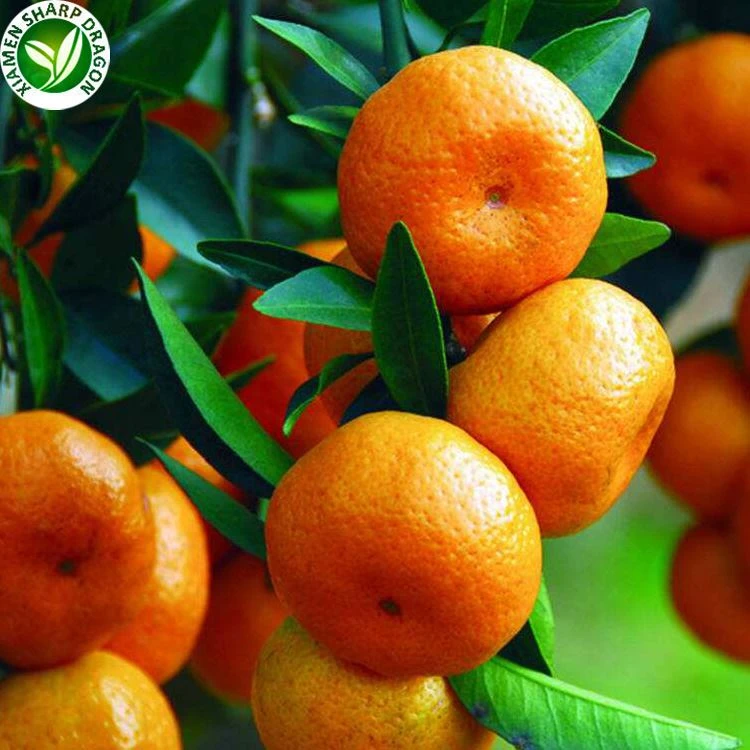
Practical example: A foodservice distributor compares two samples for beverage garnish. Sample A has attractive large segments but forms one hard block in the opened bag. Sample B has slightly smaller pieces but remains free flowing and can be portioned without forced separation. A 30-minute service simulation shows lower labor and less breakage for Sample B. The distributor adds a flowability check and maximum clump size to the purchase specification instead of relying on frozen appearance alone.
Check 3: Verify Release Evidence, Packing, and Cold-Chain Control
Freezing preserves the product under controlled conditions; it should not be described as a universal pathogen kill step. Product status must be explicit. Is the frozen orange intended to be eaten without further treatment, or will the buyer apply a validated process? What hazards were considered for the actual raw material and line? Which microbiological limits, sampling plans, analytical methods, and release rules apply? The answers must match the destination market and the finished use.
Review the process flow relevant to the supplied format: receiving, fruit sorting, washing, peeling, membrane removal or cutting, draining, freezing, post-freeze sorting, foreign-material control, packing, frozen storage, and loading. Ask where lot identity is created and how it is maintained. Confirm how rework is controlled, how cleaning is verified, and how deviations are assessed. A general factory presentation is useful background, but product approval needs records tied to the selected facility and line.
Residue review depends on the format. Peel-on slices retain the fruit surface. Peeled segments remove most peel but still rely on approved agricultural inputs, supplier controls, washing, and a risk-based verification plan. Ask for the raw-material origin, crop period, traceability, relevant treatment history, destination-market maximum residue limits, and testing plan. Do not assume that one old report proves every crop, orchard, or finished stream.

Build a release-document matrix instead of asking only for "all certificates." At minimum, identify the approved product specification, lot COA or other release record, microbiological report when required, pesticide-residue or contaminant evidence when risk and market require it, allergen and cross-contact statement, GMO statement where relevant, traceability information, production and expiry dates, packing list, invoice, origin documentation, and destination-specific certificates. Not every document applies to every order; the matrix should show who supplies it, when, in which language, and whether an original or controlled copy is needed.
Certification must be checked by scope. On the available XMSD certification page, certificate names can begin a discussion. For approval, confirm the certificate holder, site address, standard, issuing and accreditation bodies, validity, product and process scope, exclusions, and current controlled copy. A certificate belonging to another facility or outside the product scope does not qualify the order.
Packing affects physical grade after the factory test. Define food-contact inner liner, bag weight, sealing method, carton net weight, carton strength, code format, label language, pallet pattern, pallet material or treatment, stretch wrap, corner protection, and container loading. Confirm whether bags are designed for repeated opening or one-time industrial use. A large block inside a bag can raise labor and damage even when the total net weight is correct.
Our frozen packaging information shows common control points, but the order must state the final pack. Request pre-production artwork and mark approval for retail or private-label work. Check ingredient name, country-of-origin wording, nutrition-data source, claims, allergen declaration where applicable, storage instruction, lot and date coding, barcode, importer details, case mark, and language. The buyer remains responsible for approving labels for the destination market.

Write the frozen-storage and transport expectation into the contract. Include loading temperature, storage set point, tolerance and action rule, pre-cooling where relevant, container condition, cleanliness, airflow clearance, door-seal record, temperature monitoring, and arrival inspection. A single logger cannot describe every carton, but a defined monitoring plan provides stronger evidence than a verbal promise. If the logger shows an excursion, assess time, temperature, location, product condition, and applicable release criteria rather than accepting or rejecting by one isolated number.
Temperature abuse can produce recrystallization, surface dehydration, clumping, damaged vesicles, and extra drip after thawing. These defects connect Check 3 back to Check 2. Inspect carton integrity, liner seals, visible ice, frost pattern, product temperature, odor, color, and flowability at arrival. Record photos before moving or opening damaged pallets. Keep the chain of custody for claim samples.
Practical example: An importer receives a sample that meets the segment grade. Before a container order, the quality team notices that the quoted certificate covers a different site address and the draft label calls the item ready to eat, while the product specification says further processing. The order pauses until the facility scope, product status, microbiological plan, and artwork agree. This is not paperwork for its own sake; it prevents contradictory release and market documents.

A Sample Approval Protocol You Can Repeat
Start with the written specification and a representative sample, not with photographs alone. Record the sample lot, production date, pack, transport condition, and whether it came from normal production. Inspect unopened cartons and liners. Randomly select portions rather than taking only attractive pieces. Use calibrated scales and instruments, agreed sieves or trays, consistent lighting, and a timer. Photograph the full unsorted portion and every separated fraction with a scale reference.
Run the frozen-grade assessment, controlled thaw, drain measurement, sensory review, and application trial as separate steps. Record the operator, date, room or product temperature, method, weights, observations, and calculation. If you change the method after seeing the result, mark it as a development test rather than using it to accept or reject the supplier. A signed reference sample, data sheet, and photo set create a stronger approval basis than "same as sample."
For the first production lot, repeat the agreed critical checks and compare them with the approved sample. Define acceptable natural variation and non-negotiable defects. Decide who can approve a deviation, how quickly notice must be given, whether rework is permitted, and which retained samples are kept. Our support for importers and global buyers begins with these commercial inputs so the selected supply route can be reviewed against the actual order.
RFQ Checklist for Frozen Orange
Send enough information for the supplier to identify a real production and packing route. If a point is still open, mark it as a trial variable and agree who will decide it after sample testing. The following list prevents a broad request from being converted into an assumption.
- Product: mandarin or orange, variety preference, origin, crop, IQF or other frozen style.
- Format: whole segments, whole-to-broken ratio, pieces, slices, peel-on or peeled, size method.
- Defects: membrane, seeds, peel, discoloration, dry pieces, clumps, free juice, foreign material.
- Performance: thaw method, drain loss, sensory target, final application and processing conditions.
- Safety: ready-to-eat or further-process status, microbiological criteria, residue and contaminant plan.
- Documents: specification, COA, test reports, certificate scope, traceability, origin and destination papers.
- Pack: inner bag, net weight, carton, code, label, pallet, private-label or artwork needs.
- Commercial: sample quantity, trial date, annual volume, order size, incoterm, port and shipment window.
- Acceptance: sampling plan, inspection party, method, tolerances, retained sample and claim procedure.
Ask the supplier to return the checklist with proposed values, exceptions, and evidence rather than a simple "confirmed." Differences should be resolved in the specification and sample protocol before deposit or label printing. That record becomes the basis for production approval and arrival inspection.
Frequently Asked Questions
1. What are the three most important frozen-orange buying checks?
First, define the physical format and grade with a test method. Second, calculate usable yield after the agreed thaw, drain, sorting, and application trial. Third, verify product status, release documents, facility scope, packing, frozen storage, and transport controls for the actual order.
2. Is a 90/10 whole-to-broken ratio enough for a specification?
No. Define whole and broken, whether assessment is by count or weight, sample size, frozen or thawed condition, treatment of split ends and loose vesicles, the denominator, and the tolerance. Add membrane, seed, peel, color, free-juice, and other application-specific limits.
3. Which Brix value should frozen orange segments have?
There is no one target suitable for every variety, crop, format, and application. Set an order-specific range after representative sampling and sensory trials, and state how the sample is prepared and measured. Juice and concentrate standards should not be copied automatically to IQF segments.
4. Does freezing make orange ready to eat?
Not automatically. Freezing should not be treated as a universal pathogen kill step. The supplier and buyer must agree whether the product is ready to eat or intended for further processing, then align hazard controls, microbiological criteria, labeling, and release evidence with the destination market and use.
5. How should I compare two frozen-orange prices?
Compare delivered cost per accepted, usable kilogram rather than invoice price alone. Include grade rejection, drain loss, pack residue, application performance, freight, storage, labor, documentation, and reliability. Use the same sample and calculation method for both suppliers.
Tell us your orange or mandarin format, finished application, destination market, grade method, pack, order volume, and shipment window. We will review the available frozen-orange route and identify the specification, sample, document, and cold-chain points that need agreement before production.
References
- USDA Agricultural Marketing Service, Frozen Concentrated Orange Juice Grades and Standards. Used to verify that orange-juice grading relies on defined quality factors and methods; it is not presented as an IQF segment specification.
- U.S. FDA sanitation and transportation guidance resources. Used to check the need for product-appropriate sanitation and sanitary transportation controls.
- Codex Alimentarius Codes of Practice, including the Code of Practice for the Processing and Handling of Quick Frozen Foods. Destination-market rules and the buyer's approved specification remain controlling for each order.