


Is Corn Good for High Blood Pressure? Choose the Whole Dish
Jan 13, 2020

Yes. Plain sweet corn can fit an eating pattern for high blood pressure. The most useful choice is corn served with little added salt, alongside a varied meal. A buttered, heavily salted cob or kernels mixed with salty dressing should be judged as the finished dish, not given a free pass because the main ingredient is a vegetable.
Corn is food, not a blood-pressure treatment. There is no reason to rely on it as a calcium remedy or to replace prescribed medicine with it. The stronger evidence concerns eating patterns such as DASH, which combine vegetables, fruit, whole grains and other suitable foods while limiting sodium. A bowl of corn is one possible component of that pattern.
For your next purchase, compare the sodium on the actual labels and check the serving sizes. Then consider what you will add at home. Plain frozen kernels, fresh cobs and a suitable canned product can all have a place. The best format is the one you can prepare, season and portion reliably; a special-sounding product name offers less useful information than the ingredients and nutrition panel.

A daily eating pattern carries more weight than one vegetable
The National Heart, Lung, and Blood Institute describes DASH as a whole eating plan. Its example for a 2,000-calorie day includes several food groups and a sodium limit of 2,300 milligrams; a 1,500-milligram sodium level can lower blood pressure further. Those are eating-plan figures, not amounts to assign to a corn portion. Personal calorie needs and clinical advice still guide the practical version.
That distinction makes shopping easier. Instead of searching for a vegetable with a medicinal reputation, look at the meals you repeat. Corn might replace a salty prepared side, add variety to a meal already built around vegetables, or simply be a food you enjoy enough to cook regularly. The effect of a change depends on what else changes with it.
A useful plate has jobs for different foods. Corn supplies a starchy component; another vegetable can bring a contrasting texture, while beans, fish, tofu or another suitable protein food complete the meal. Eating a larger bowl of corn in place of everything else narrows that variety. Keep the food you like, but give it a sensible role rather than asking it to do the work of an entire diet.
Judge fresh, frozen and canned corn by their ingredients
A fresh cob gives you direct control over cooking and seasoning. Plain frozen kernels are convenient when you want only part of a bag. Canned kernels offer a ready-to-use format according to their label directions, but the packing liquid and added ingredients deserve attention. None of those formats has one universal sodium value.
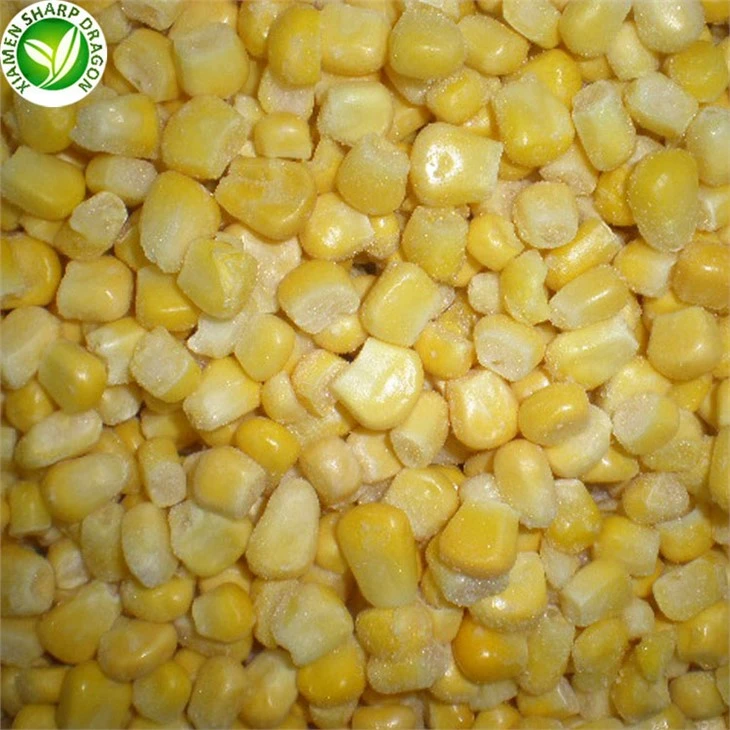
Look for the difference between a single-ingredient or plain product and a prepared dish. A frozen bag may contain corn alone, or it may include sauce and seasoning. A can may be packed with added salt or without it. Photos of bright kernels reveal their appearance, not their sodium content. Read the specific pack you are buying instead of transferring a value from another brand or format.
We would start a lightly seasoned recipe with plain frozen corn kernels or cob sections when that gives the kitchen better control of the final flavor. That is a formulation choice, not a promise that every item in a category is low in sodium. The purchase specification and product label settle what is actually inside the pack.
Read the sodium line on a common serving basis
The FDA explains that sodium and salt are related but different: salt is one source of sodium. Other ingredients can contribute sodium as well. For a U.S. Nutrition Facts label, the Daily Value is 2,300 milligrams; 5% of that value or less per serving is considered low, and 20% or more is high. These percentages help compare foods, but the amount you eat matters.
Start with the serving size, then find sodium in milligrams. If two packs use different serving weights, put them on the same basis before deciding. Check whether the information describes the food as sold or as prepared, and whether draining is part of that stated basis. A label comparison becomes unreliable if one figure includes liquid while the other describes drained kernels.
Keep the calculation tied to the portion you actually plan to serve. Someone who eats two labeled servings takes in twice the listed sodium from that food. This is arithmetic, not a suggested corn allowance. You can use the same method for a sauce, a soup or any other ingredient that shares the plate.
Representative example: the smaller printed number is not always lower
Imagine a household choosing corn for a vegetable bowl. These are invented teaching labels, not XMSD specifications: Pack A lists 100 milligrams of sodium per 50 grams, while Pack B lists 150 milligrams per 100 grams. Both panels describe the same prepared basis. A quick glance favors A because 100 is less than 150.
The household plans an 80-gram portion. For A, the calculation is 100 mg × 80 g ÷ 50 g = 160 mg. For B, it is 150 mg × 80 g ÷ 100 g = 120 mg. On the planned portion, B contributes 40 milligrams less. Equivalently, A provides 200 mg per 100 g, versus B's 150 mg per 100 g.
The decision is to compare equivalent amounts, then choose the product that also suits the meal. If A has a preferred texture, the household may decide to use it and adjust another ingredient; the numbers make that trade-off visible. A smaller printed serving should not quietly decide the purchase.
Next comes the bowl's dressing. Keeping the same dressing and amount allows a fair corn comparison. Changing both corn and dressing at once makes it harder to see where sodium was reduced or added. The result of this example is a sound label-reading method, not a prediction of anyone's blood-pressure response.

No added salt, reduced sodium and rinsing mean different things
FDA guidance distinguishes no-salt-added products from sodium-free products. Reduced sodium describes a comparison with a regular version, so a reduction claim alone tells you less than the final milligrams. The practical step is to read both the wording and the nutrition line.
For canned sweet corn, decide whether you need the packing liquid in the recipe. If the directions and intended dish allow draining and rinsing, those steps can remove some sodium from a salted product. NHLBI includes rinsing certain canned foods among its lower-sodium shopping and cooking suggestions. The amount removed varies, so avoid deducting an assumed percentage from a label calculation.
A soup that uses the entire can is a different recipe from a salad made with drained kernels. Write down which version you are making, especially when sharing the recipe with someone else. Two cooks can start with the same can and produce different dishes simply because one pours in the liquid.
Buying a suitable no-added-salt product may be easier than relying on repeated rinsing. Convenience matters when a method has to work every week. Choose the approach that fits your kitchen without treating an improvised rinse as a precise nutrition test.

Build flavor before reaching for a salty topping
Sweet corn already brings sweetness and a distinctive texture. Add an aromatic contrast first: chopped herbs, a little citrus juice, freshly ground pepper or another suitable seasoning. NHLBI's practical DASH guidance encourages herbs and other seasonings in place of salt and suggests attention to salty condiments. The aim is an enjoyable meal with a deliberate amount of seasoning.
Think about where the flavor sits. Kernels mixed into a large quantity of sauce carry that sauce in every spoonful. A small amount of dressing served separately gives the eater a visible choice. Cheese, salted butter, seasoning blends and bottled sauces can each contribute sodium; putting several on one cob can make the additions more important than the corn itself.
Our preference for a corn side would be to taste the cooked kernels before deciding the topping. A tender, sweet kernel may need acidity or aroma rather than more salt. If cooking has left the kernels watery, piling on seasoning is a poor repair: drain appropriately for the recipe and adjust the cooking method first.
Keep that distinction clear when using a ready-made seasoning blend. A front label that emphasizes herbs may still describe a mixture containing salt. The ingredient list, not the green leaves pictured on the pack, answers that question.

Potassium is useful nutrition, not permission to self-prescribe
Corn contributes to food variety, and its nutrients belong in that broader picture. Our explanation of corn's nutritional contribution covers composition separately. For a blood-pressure decision, avoid ranking corn as a miracle mineral source or treating a nutrient in the food as proof that the food treats hypertension.
The CDC explains that sodium and potassium both matter to blood-pressure health. The NIH Office of Dietary Supplements also identifies important exceptions: kidney disease and some medicines can affect potassium handling. Potassium-based salt substitutes therefore need particular care. Ask your healthcare professional before making that switch if your condition or medication affects potassium.
This is a different question from choosing plain kernels. You do not have to buy a supplement or a special salt substitute to make a corn dish less salty. Using less of an existing salty sauce, buying a suitable plain product or adding herbs changes the recipe without introducing a concentrated potassium ingredient.
Bring the actual salt-substitute label to a pharmacist or clinician if you are unsure. A product name alone may hide the ingredient that matters. That one targeted conversation is more useful than trying to infer your personal potassium needs from general food advice.
Keep corn in the meal, rather than adding it automatically
Corn is often placed beside a meal that already has bread, rice, noodles or another substantial starchy food. It can still fit, but think about the combined plate. If the meal feels oversized, decide whether corn is replacing part of another side or being added on top. That is a portion and appetite decision, separate from sodium.
A corn-and-bean bowl, a cob with fish and vegetables, and a creamy corn casserole are three different meals. Calling each one a corn dish hides the ingredients that influence fullness, flavor and nutritional balance. Choose the version you enjoy and examine its actual components.
For a household changing several habits, a repeatable meal is valuable. Keep a familiar protein food, add another vegetable, and use corn as the chosen starch or part of it. You can then see whether the plate satisfies you without relying on a complicated list of supposedly blood-pressure-lowering ingredients.
There is no universal number of cobs that everyone with hypertension should eat daily. Cob size, the rest of the diet, appetite and other medical needs vary. A dietitian can help turn an individual eating plan into portions, especially when blood-pressure care overlaps with diabetes, kidney disease or another condition requiring specific advice.
Representative example: stop seasoning from being added twice
Consider a hypothetical workplace cafeteria preparing a corn side. The cook receives plain kernels, the finishing station adds a seasoned oil, and the service counter normally sprinkles a savory blend over the tray. Each step seems modest on its own, but no one has been judging the complete serving. This is an illustrative workflow, not a report of a customer order.
The team makes one small pilot batch using its usual cooking method. It weighs the seasoned oil, records the blend used at the counter and tastes the complete dish at serving temperature. It also reads both seasoning labels. The point is to locate the additions, not to estimate sodium by taste.
The team chooses one finishing stage. The cook leaves the kernels plain after cooking, and the finishing station applies the documented seasoning. The service instruction removes the extra automatic sprinkle. Staff keep the same serving utensil so a recipe adjustment is not obscured by a different portion.
The result is a reproducible dish with a clear seasoning owner. Calculating its sodium still requires the actual ingredient data and final yield. No blood-pressure outcome is assumed. For foodservice menu planning, that separation between recipe control and medical claims is essential: the kitchen can control what it serves, while clinical treatment remains with the individual's healthcare team.

Choose a pack that makes the intended recipe easy to repeat
A household freezer bag and a foodservice carton solve different handling problems. If you need only a small amount, a format that lets you remove the required quantity helps keep the rest in its specified storage condition. If a kitchen uses whole packs, the recipe should say whether the pack is plain kernels, seasoned kernels or a prepared corn side.
We would match the corn form to the cooking and serving task before discussing a health-oriented menu description. Cob sections need a different utensil and portion method from loose kernels. Canned kernels need a decision about their liquid. A frozen product needs its labeled cooking instructions followed; freezing by itself does not establish ready-to-eat status.
For a cob-based recipe, record the food portion in a way the kitchen can reproduce. Total cob weight includes the central cob, while a kernel recipe uses edible corn weight. Comparing those two weights as if they represented the same amount of food can distort a portion calculation. A fixed cob section may be convenient for serving, but a nutrition calculation still needs an appropriate edible-portion basis. Keep that distinction on the recipe sheet rather than expecting each cook to remember it.
A useful product file keeps the ingredient list, current nutrition information and preparation directions together. When the item changes, revisit the recipe rather than assuming the replacement has the same sodium or yield. This is especially important when plain and seasoned products have similar-looking cartons.
Frozen-food packaging choices should support that handling plan. A pack's role is to protect and identify the food and suit its use, not to confer a blood-pressure benefit. Ask for the relevant product details instead of reading medical meaning into a package format.

Diet supports treatment; it does not replace your care plan
NHLBI's hypertension treatment guidance includes lifestyle measures and, when needed, medicines. Keep taking prescribed treatment as directed. If readings, side effects or a change in your diet raise concerns, discuss them with your healthcare professional rather than adjusting medicine because you have started eating corn.
The food decision can remain straightforward. Choose a suitable plain product, compare sodium on an equal basis and make the topping intentional. Keep variety across the day. Those are practical actions even when your treatment plan is complex.
At a restaurant, ask how the corn side is prepared. A simple question about added butter, salt or sauce is more useful than asking whether corn is healthy. If the kitchen can serve the topping separately, you have a clearer choice. If the corn is already mixed into a prepared dish, judge that dish as a whole.
Progress with eating habits is usually easier to sustain when the food still tastes good. Corn can stay on the menu. Let its sweetness and texture do their job, use the label for the numbers, and leave treatment decisions to the people who know your health history.
For a corn product discussion, send XMSD your intended dish, product format and ingredient requirements. We can review the relevant product information with you.