


Skin Looks Lighter After Carrots? Check the Cause
Oct 28, 2019

Eating carrots is not a reliable way to lighten your natural skin color or reduce melanin. Human research on carotenoid-rich foods has found changes in skin yellowness, not an established whitening effect. In one four-week randomized crossover trial involving 30 young women, the high-carotenoid fruit-and-vegetable diet increased the yellow color axis while measured lightness and redness did not change.
If your skin looks lighter in a mirror or photo, first check lighting, camera exposure, makeup, recent sun exposure and the area being compared. A face photographed near a bright window can appear lighter than the same face under warm indoor light. A dietary carotenoid effect, when visible, is more plausibly yellow or orange, often noticeable on thicker skin such as palms and soles.
Do not use carrots as treatment for dark spots, vitiligo, anemia, jaundice or another skin or medical condition. A new generalized color change, yellow eye whites, marked pallor, sharply defined pale patches or symptoms such as fatigue, pain or weight loss deserves qualified medical assessment.
Use the right question: did measured skin lightness change, did yellow-orange pigment change, or did the photograph change? Those are three different outcomes and need different measurement support.

Lighter, Paler and More Yellow Are Not Synonyms
Everyday descriptions collapse several visible changes. "Lighter" may mean a higher brightness under the same illumination. "Paler" may mean less redness or a change related to blood flow. "More yellow" describes another color direction. "More even" concerns variation between areas rather than the average color itself.
Skin-color research can use the CIE L*a*b* system. L* represents lightness, a* tracks a red-green direction and b* tracks a yellow-blue direction. A rise in b* is not automatically a rise in L*. This distinction is why a carrot-related warm appearance is not the same result as whitening.
Mirrors and photographs add their own variables. Window direction, lamp color, automatic white balance, exposure, phone processing and reflected clothing can change the image. Comparing a forearm in daylight with a face under a bathroom lamp is not an intake experiment.
Describe the observation before looking for a cause. Note the body area, whether eye whites changed, whether the shift is uniform or patchy, how quickly it appeared and what else changed. A precise description helps separate an ordinary photo effect from a medical sign.
What the Four-Week Trial Actually Measured
A randomized crossover study compared high- and low-carotenoid fruit-and-vegetable diets in 30 young women for four weeks per intervention, separated by a washout. Skin color was measured by reflectance spectroscopy in sun-exposed and unexposed areas.
The high-carotenoid intervention produced a greater increase in b* yellowness and raised several plasma carotenoids. The researchers reported no change in L* lightness or a* redness. The result directly challenges a claim that more carotenoid-rich produce made the participants' skin lighter.
It was not a trial of carrots alone, and it did not test dark-spot treatment or melanin reduction. The participants, duration, combined food pattern and measurement method define the result. The findings provide no promised number of carrots or guaranteed complexion change.
The existing carrot lightening evidence guide covers the full melanin, whitening and claim-substantiation review. When someone reports a visual change, I use that evidence to separate lighting effects from yellow-orange coloration and to decide when observation should stop and medical review should begin.

Run a Same-Condition Appearance Check
Choose one observation area that is free from makeup, self-tanner and recent irritation. Use the same room, lamp or daylight position, camera, distance, background and time of day. Turn off beauty filters and automatic scene modes when possible.
Include a neutral reference card in each image. The card is not a substitute for a colorimeter, but it makes a large exposure or white-balance shift easier to see. Keep the reference in the same plane as the skin instead of placing it deeper in shadow.
Record food form and amount without chasing a cosmetic dose. Whole carrots, juice, puree, mixed smoothies and supplements deliver different carotenoid exposures and accompanying nutrients. Note other orange or dark-green produce as well; carrots are not the only source.
Compare observations over a sensible interval rather than hour by hour. A sudden change in minutes is unlikely to reflect carotenoid deposition from the meal you just ate. If color is concerning, symptoms are present or the eye whites look yellow, stop the self-check and seek medical advice.
Keep a Timeline That Can Exclude Other Changes
Begin with a baseline before changing the diet. Record one ordinary week of carrot intake, other strongly colored produce, supplements, outdoor exposure and the skin area you intend to observe. This prevents a new food routine from receiving credit for a change already present.
Sun exposure matters because a fading tan can make skin look lighter over time. Note travel, outdoor work, protective clothing and sunscreen use. A person who begins eating carrots when summer ends may see less UV exposure and mistakenly assign the seasonal lightness change to food.
Cosmetics create another confounder. Foundation shade, tinted sunscreen, exfoliation, self-tanner and brightening products can alter the visible surface or the photograph. Keep those products constant, or record the date and location of every change. Otherwise the observation leaves the responsible input unidentified.
Hydration, temperature and blood flow affect appearance in the moment. Compare after a similar rest period rather than placing a cold morning image beside a flushed post-exercise image. The goal is not a clinical experiment; it is to avoid an obviously false before-and-after claim.
Review the pattern, not a single preferred photograph. If the neutral reference card changes color between images, exposure or lighting shifted. If the skin change appears only in one location or comes with symptoms, the next step is medical or dermatological assessment, not a larger carrot portion.
This record also improves conversations with a clinician. Bring dates, food and supplement amounts, the distribution of color, eye-white appearance and associated symptoms. Clear observations are more useful than concluding in advance that diet caused the change.
Representative Scenario 1: Two Photos Give Opposite Answers
Representative scenario: this is an illustrative observation, not a diagnosis or XMSD customer history. Practical example: a content creator eats one carrot with lunch for two weeks and compares a bathroom selfie with a window-lit photograph. The decision function is claim screening.
In the window image, the camera raises exposure and cools white balance, so the face appears lighter. The indoor image is warmer and darker. Neither photograph includes a reference, and recent sun exposure differs between the dates.
The creator repeats both photographs in one fixed setup with a neutral card and finds no consistent lightness change. The responsible action is to drop the "carrots whitened my skin" caption. The result is a corrected claim, not proof that diet never influences any skin-color axis.
If the repeated images had shown a persistent yellow-orange palm while eye whites remained unchanged, the observation would point toward a different question. The related carrot color-change and carotenoderma guide explains that route.
Yellow-Orange Palms Need a Different Question
DermNet describes carotenoderma as yellow-orange skin discoloration associated with elevated beta-carotene. It is often most visible on the palms, soles, nose and folds near the nose. The white parts of the eyes are typically spared.
Diet can be the reason, particularly with a high intake of carotenoid-rich foods or supplements. Medical conditions can also affect carotene metabolism. A diet story helps the evaluation, but it is not a license to diagnose every yellow tone at home.
Yellow eye whites require prompt medical assessment because they point away from ordinary dietary carotenoderma. Seek care for a new color change accompanied by pain, fever, vomiting, dark urine, marked fatigue or other significant symptoms.
Do not try to "balance" yellow color with another supplement or a restrictive cleanse. Record the diet, food forms, duration and symptoms, then let a qualified professional decide whether clinical evaluation is needed.
Pale or Patchy Skin Is Not a Carrot-Lightening Result
General paleness can reflect lighting or reduced redness, but it can also accompany medical conditions. A sharply defined lighter patch has a different pattern from a uniform dietary pigment shift. Neither should be explained away as successful carrot whitening.
Dark spots, post-inflammatory marks and tanning also have distinct causes and support needs. Eating carrots is not a targeted treatment for them. The broader carrot skin-color change guide maps those endpoints without turning them into one beauty claim.
Use sunscreen and medically appropriate skin care for the purpose they were designed to serve. A vegetable can contribute to a varied diet while having no role as an oral bleaching product.
Persistent or spreading pigment change, itch, pain, scaling, hair or nail changes, marked tiredness or other systemic symptoms deserves professional review. Bring a timeline and medication or supplement list; they are more useful than a folder of uncontrolled selfies.
Whole Carrots, Juice and Supplements Are Not One Exposure
Whole carrots include their normal food matrix and are portioned by pieces or grams. Juice can concentrate the amount consumed quickly while removing or reducing some of the structure of the whole food. Puree enters recipes by weight and may be combined with fruit, sweeteners or other ingredients.
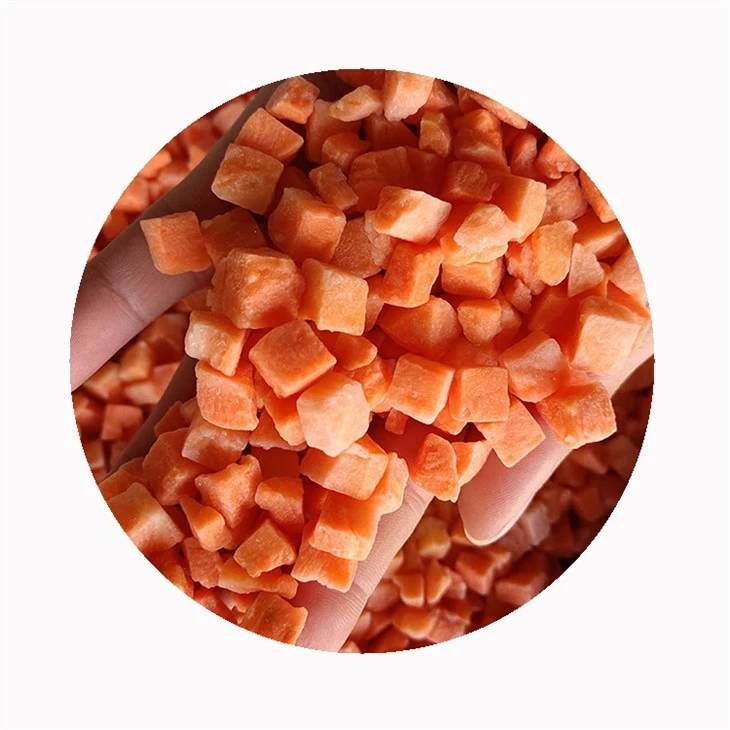
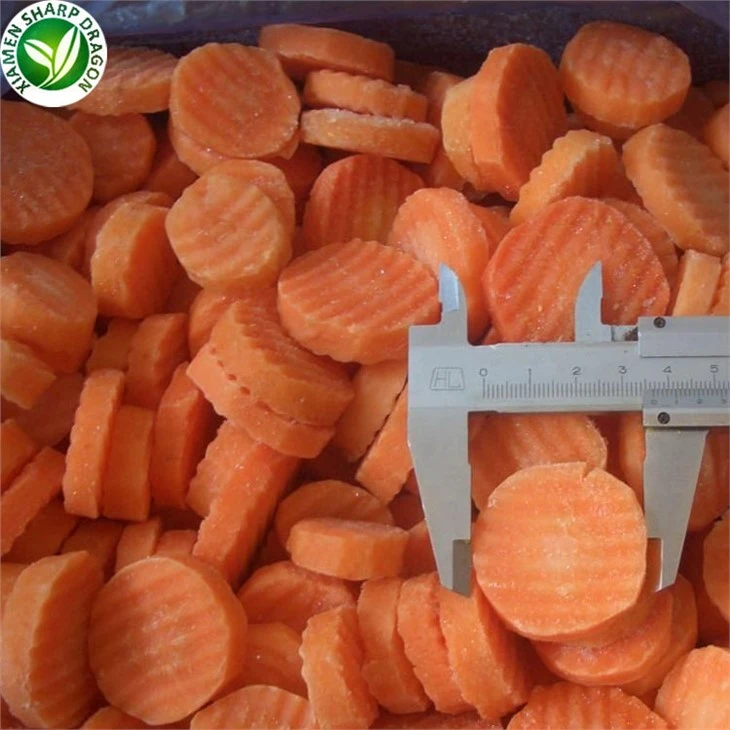
Frozen cuts remain carrots, but blanching, storage, cooking and recipe context affect the final product. A 100 g plain IQF dice serving and a sweetened vegetable-fruit drink are different foods. A skin-lightening claim would require direct support for the exact form and outcome.
Supplements create another exposure and safety question. They should not be treated as concentrated vegetables, especially in people who smoke or formerly smoked when high-dose beta-carotene supplement risk is relevant. Use professional advice rather than selecting a dose for complexion change.
When logging a suspected dietary color change, write the exact form, quantity, frequency, start date and other carotenoid-rich foods or supplements. "I ate more carrots" is too imprecise to support either a medical history or a product claim.
Representative Scenario 2: A Beverage Claim Review
Representative scenario: a simulated private-label team develops a 250 ml carrot-fruit beverage containing 15% carrot puree. Example: the decision function is artwork release, not personal diagnosis.
The draft front label says "lightens skin." The review file contains the puree specification, a carotenoid analysis and general nutrition references, but no human trial of the finished beverage measuring L* lightness or melanin-related endpoints.
The team removes the appearance claim and keeps only statements that the final formula and destination rules can support. It also separates the drink's orange color target from any consumer-skin outcome. The result is an artwork file whose claims match its documentation.
Changing the carrot percentage later triggers a new composition and label review. The rejected whitening sentence stays out because ingredient quantity and human efficacy remain different questions.

Worked Example: Keep the Batch Number Out of the Beauty Claim
Worked example: a 1,000 kg beverage batch uses carrot puree at 15% by formula mass.
Carrot puree input = 1,000 kg × 0.15 = 150 kg.
At a 250 g finished serving, the formula contains 250 g × 0.15 = 37.5 g puree before any measured process adjustment.
These numbers support formulation traceability. They do not calculate skin lightening.
If processing changes final mass, redo the serving calculation from actual yield. If the nutrition panel uses laboratory analysis, link the sample and formula version. Neither route converts a food-composition record into an efficacy endpoint.
This separation helps procurement as well. A puree lot can pass color, Brix, acidity, defects and microbiological requirements while the proposed cosmetic wording still fails claim review.
What a Finished-Product Claim File Would Need
Start with the exact sentence and market. "Supports normal skin health," "brightens," "reduces dark spots," "lowers melanin" and "makes skin lighter" describe different outcomes. A reference about vitamin A physiology cannot be stretched across all of them. The claim owner needs one defined endpoint before collecting support.
Next identify the tested product. Results for mixed high-carotenoid produce do not transfer automatically to one frozen carrot cut, a juice, a puree, a supplement or a finished beverage. Record the formula, dose, serving frequency, processing, comparator, population, duration and measured skin location.
The measurement must match the words. A rise in blood carotenoids shows exposure. An instrument reading of b* shows a yellow-blue direction. A consumer questionnaire records perception. None is interchangeable with L* lightness, melanin index or a clinically assessed dark-spot endpoint.
Check the comparator and size of the effect. A statistically detectable difference can still be too small for an ordinary observer, while an attractive photograph may reflect uncontrolled lighting. Report both the measurement and its practical meaning rather than presenting one favored image as the result.
Finally, review destination rules and artwork context. A food statement can move into another regulatory category when it promises alteration of body structure or treatment of pigmentation. Save the approval, source version, reviewer and date with the artwork so later edits do not detach the words from their support.
When these elements are missing, the useful action is to narrow or remove the sentence. That outcome leaves the value of the carrot ingredient unchanged. It keeps a measurable food product from carrying a cosmetic promise that its specification was never designed to support.
XMSD Experience 1: Orange Color Is a Product Variable
In our XMSD experience, buyers can evaluate carrot color usefully without turning it into a skin promise. Variety, maturity, cut, blanching, surface frost, lighting and cooking change what a sample looks like.
We compare lots under one preparation and lighting method. A frozen piece covered by frost may look pale; after the specified cook it may display the expected orange. Mixing frozen and cooked observations makes a color specification unstable.
The XMSD frozen carrot range shows physical product forms. A current specification and sample can support cut, color and application judgments, but not a consumer complexion outcome.
The failure signal is a brief that uses the orange appearance of the ingredient as its only proof for "brightening." We would return that sentence to claim review and keep the product-color target in the quality file.

XMSD Experience 2: Product, Nutrition and Claim Files Stay Separate
A second XMSD judgment is to maintain three linked records. The product file covers identity, cut, ingredients, defects, pack and storage. The nutrition file identifies the final food, serving, data or analysis basis and formula version. The claim file identifies the exact proposed words, population, endpoint and supporting studies.
A carton code should connect the ingredient lot to production, while the artwork code connects claims to an approved version. The XMSD packaging overview provides pack context; packaging records serve a different purpose from human skin research.
When a supplier, puree percentage or recipe changes, reopen the affected files. A color shift may require a product review. A nutrition shift may require a panel review. The clinical-outcome judgment stays with the claim support.
This system protects both sides of the decision. Buyers receive measurable carrot criteria, and consumers are not given a whitening promise that the ingredient documents never tested.

The Action Depends on What Changed
If only uncontrolled photographs look lighter, repeat the comparison under one setup before making a claim. If palms or soles become yellow-orange after a high-carotenoid pattern, document the diet and discuss persistent or concerning changes with a clinician.
If the eye whites are yellow, or pallor and pigment change appear with significant symptoms, seek medical evaluation promptly. If the question is dark spots or uneven patches, use care designed for that condition rather than increasing carrot intake.
For a food label, reject "lightens skin" unless direct, legally suitable support covers the exact finished product and endpoint. Carrots can remain a useful vegetable without serving as an oral cosmetic treatment.
XMSD sourcing note: For a carrot ingredient project, send the form, cut, recipe percentage, pack, destination and proposed product statements. We can review the supply variables and separate measurable product evidence from claims requiring another evidence route.