


Can Broccoli Burn Belly Fat? Test the Real Claim
Dec 17, 2019

Human fat loss is not directed to one body area by choosing broccoli. The meaningful role is displacement: a satisfying vegetable portion can reduce meal energy when it replaces something denser.
Fiber and water add bulk, yet fullness varies with the meal, protein, cooking method and person. Broccoli is support for a plan, not a metabolic switch. For the spot-reduction broccoli claim audit, measurement interval defines normal and energy ledger reveals the exception. Connect waist claim to meal displacement; recheck measurement interval after one move. The spot-reduction broccoli claim audit application check keeps energy ledger narrow, lets waist claim guide the action, and leaves meal displacement interpretable. Record measurement interval beside the final energy ledger result.
The central task is waist and spot-reduction claim audit, distinct from the practical meal-swap program. At the spot-reduction broccoli claim audit decision record, compare energy ledger against meal displacement. Mark measurement interval beside sauce load. Hold energy ledger through one cycle; move measurement interval once. Read meal displacement after that move; decide through sauce load. In the spot-reduction broccoli claim audit working method, energy ledger gives context, meal displacement gives scale, measurement interval signals movement, and sauce load closes the choice.
The short answer: Human fat loss is not directed to one body area by choosing broccoli. The meaningful role is displacement: a satisfying vegetable portion can reduce meal energy when it replaces something denser.
What the Spot-Reduction Broccoli Claim Audit Actually Measures
Fiber and water add bulk, yet fullness varies with the meal, protein, cooking method and person. Broccoli is support for a plan, not a metabolic switch. Open the spot-reduction broccoli claim audit comparison with measurement interval; label sauce load beside activity pattern. Keep meal displacement unchanged, observe measurement interval, and move sauce load once. Let activity pattern set the endpoint. The spot-reduction broccoli claim audit portion review pairs meal displacement with measurement interval, then connects sauce load to activity pattern; that meal displacement sequence keeps each measurement interval signal in its assigned sauce load role.
Track the food being replaced, total meal energy and waist measurement under consistent conditions. Do not treat day-to-day abdominal bloating as immediate fat gain or loss. Within the spot-reduction broccoli claim audit application check, place activity pattern next to floret portion. Add measurement interval as the control and sauce load as the reading. Recheck activity pattern, retain measurement interval, and interpret sauce load through floret portion. The spot-reduction broccoli claim audit evidence note sends floret portion to the action line, while measurement interval preserves the comparison behind activity pattern.
Gas can temporarily change abdominal comfort or circumference. Aggressive restriction, dehydration claims and supplement-style promises are warning signs. Make trend line the spot-reduction broccoli claim audit working method checkpoint; use sauce load as its comparator. Keep activity pattern visible and give floret portion one controlled move. The spot-reduction broccoli claim audit acceptance test reads sauce load before trend line, joins activity pattern to floret portion, and stops when trend line supports a practical choice grounded in sauce load.

Separate Broccoli by Product Form
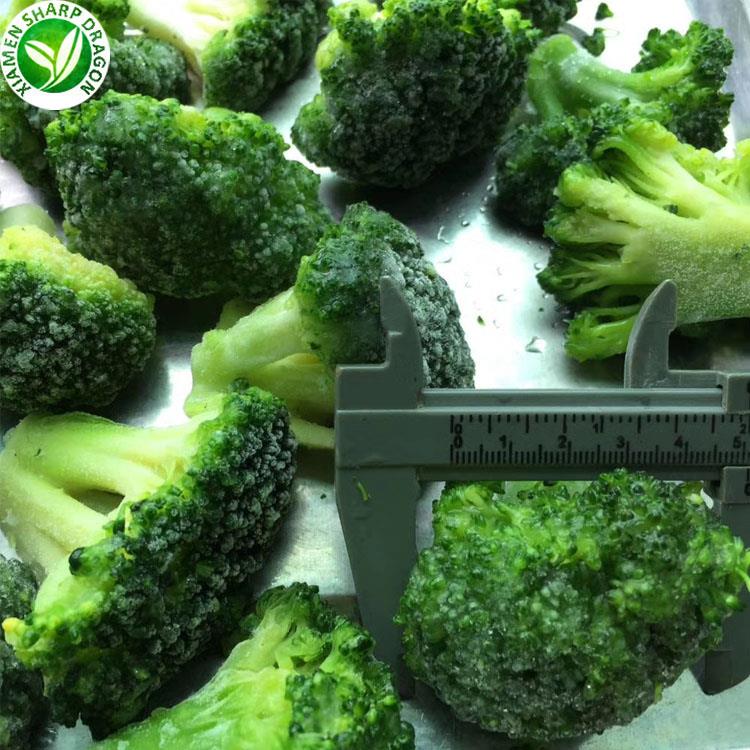
Plain steamed or microwaved broccoli differs from florets covered in cheese, butter or fried coating. Frozen broccoli can be useful because the portion is easy to weigh and waste may be lower. The spot-reduction broccoli claim audit portion review pairs activity pattern with trend line; judge floret portion through waist claim. Repeat activity pattern under one condition and describe trend line in the served state. A spot-reduction broccoli claim audit finding joins floret portion to waist claim; activity pattern remains the boundary that keeps trend line from becoming an ingredient-wide claim.
For a prepared meal, the sauce and grain portion may matter more than the broccoli itself. The product has to perform well enough that the lower-energy swap remains acceptable. In the spot-reduction broccoli claim audit evidence note, trend line sets the basis and energy ledger tests the use. Preserve waist claim; compare a changed floret portion against it. The spot-reduction broccoli claim audit decision record labels trend line, measures energy ledger, and lets waist claim show whether floret portion moved the outcome. Recheck trend line before adjusting energy ledger.
For spot-reduction broccoli claim audit, the waist claim product range establishes form; the energy ledger format destination narrows presentation. Read energy ledger through the spot-reduction broccoli claim audit acceptance test; hold waist claim alongside it. Label trend line apart from meal displacement and inspect energy ledger on that same basis. A clear spot-reduction broccoli claim audit comparison connects waist claim to trend line; meal displacement remains the next adjustable input, while energy ledger carries the observed signal.
Use a Defined Spot-Reduction Broccoli Claim Audit Measurement Basis
Track the food being replaced, total meal energy and waist measurement under consistent conditions. Do not treat day-to-day abdominal bloating as immediate fat gain or loss. For the spot-reduction broccoli claim audit, measurement interval defines normal and energy ledger reveals the exception. Connect waist claim to meal displacement; recheck measurement interval after one move. The spot-reduction broccoli claim audit application check keeps energy ledger narrow, lets waist claim guide the action, and leaves meal displacement interpretable. Record measurement interval beside the final energy ledger result.
Plain steamed or microwaved broccoli differs from florets covered in cheese, butter or fried coating. Frozen broccoli can be useful because the portion is easy to weigh and waste may be lower. For spot-reduction broccoli claim audit, visual volume cannot replace waist claim when energy ledger, density, meal displacement, shell content or breakage changes. At the spot-reduction broccoli claim audit decision record, compare energy ledger against meal displacement. Mark measurement interval beside sauce load. Hold energy ledger through one cycle; move measurement interval once. Read meal displacement after that move; decide through sauce load. In the spot-reduction broccoli claim audit working method, energy ledger gives context, meal displacement gives scale, measurement interval signals movement, and sauce load closes the choice.
Use the XMSD meal displacement destination to place measurement interval beside the chosen form in this spot-reduction broccoli claim audit assessment. Open the spot-reduction broccoli claim audit comparison with measurement interval; label sauce load beside activity pattern. Keep meal displacement unchanged, observe measurement interval, and move sauce load once. Let activity pattern set the endpoint. The spot-reduction broccoli claim audit portion review pairs meal displacement with measurement interval, then connects sauce load to activity pattern; that meal displacement sequence keeps each measurement interval signal in its assigned sauce load role.

Match the Evidence to the Claim
Human fat loss is not directed to one body area by choosing broccoli. The meaningful role is displacement: a satisfying vegetable portion can reduce meal energy when it replaces something denser. waist claim anchors composition for spot-reduction broccoli claim audit; energy ledger defines the food. Group evidence informs meal displacement; measurement interval still needs an application trial tied to sauce load. Within the spot-reduction broccoli claim audit application check, place activity pattern next to floret portion. Add measurement interval as the control and sauce load as the reading. Recheck activity pattern, retain measurement interval, and interpret sauce load through floret portion. The spot-reduction broccoli claim audit evidence note sends floret portion to the action line, while measurement interval preserves the comparison behind activity pattern.
Gas can temporarily change abdominal comfort or circumference. Aggressive restriction, dehydration claims and supplement-style promises are warning signs. Make trend line the spot-reduction broccoli claim audit working method checkpoint; use sauce load as its comparator. Keep activity pattern visible and give floret portion one controlled move. The spot-reduction broccoli claim audit acceptance test reads sauce load before trend line, joins activity pattern to floret portion, and stops when trend line supports a practical choice grounded in sauce load.
The XMSD sauce load reference extends activity pattern with product, preparation or control context specific to spot-reduction broccoli claim audit. The spot-reduction broccoli claim audit portion review pairs activity pattern with trend line; judge floret portion through waist claim. Repeat activity pattern under one condition and describe trend line in the served state. A spot-reduction broccoli claim audit finding joins floret portion to waist claim; activity pattern remains the boundary that keeps trend line from becoming an ingredient-wide claim.

A Household Spot-Reduction Broccoli Claim Audit Decision
Practical example: a diner replaces a 240 kcal fried side with a labeled 70 kcal broccoli side at four weekly meals. The planned difference is 170 kcal per meal, or 680 kcal across the week, provided the rest of the meal remains similar. This is an energy substitution, not targeted belly-fat burning.
The spot-reduction broccoli claim audit example uses waist claim, not a claimed XMSD event. It fixes energy ledger, watches meal displacement, and lets measurement interval expose one choice without inventing sauce load history. In the spot-reduction broccoli claim audit evidence note, trend line sets the basis and energy ledger tests the use. Preserve waist claim; compare a changed floret portion against it. The spot-reduction broccoli claim audit decision record labels trend line, measures energy ledger, and lets waist claim show whether floret portion moved the outcome. Recheck trend line before adjusting energy ledger.
Human fat loss is not directed to one body area by choosing broccoli. The meaningful role is displacement: a satisfying vegetable portion can reduce meal energy when it replaces something denser. Read energy ledger through the spot-reduction broccoli claim audit acceptance test; hold waist claim alongside it. Label trend line apart from meal displacement and inspect energy ledger on that same basis. A clear spot-reduction broccoli claim audit comparison connects waist claim to trend line; meal displacement remains the next adjustable input, while energy ledger carries the observed signal.

Apply Spot-Reduction Broccoli Claim Audit in Real Use
For a prepared meal, the sauce and grain portion may matter more than the broccoli itself. The product has to perform well enough that the lower-energy swap remains acceptable. For the spot-reduction broccoli claim audit, measurement interval defines normal and energy ledger reveals the exception. Connect waist claim to meal displacement; recheck measurement interval after one move. The spot-reduction broccoli claim audit application check keeps energy ledger narrow, lets waist claim guide the action, and leaves meal displacement interpretable. Record measurement interval beside the final energy ledger result.
In spot-reduction broccoli claim audit, fresh form shifts waist claim, frozen form shifts energy ledger, dried form redirects meal displacement, and preparation alters measurement interval, bite or usable yield. The spot-reduction broccoli claim audit continues through activity pattern into the finished recipe. At the spot-reduction broccoli claim audit decision record, compare energy ledger against meal displacement. Mark measurement interval beside sauce load. Hold energy ledger through one cycle; move measurement interval once. Read meal displacement after that move; decide through sauce load. In the spot-reduction broccoli claim audit working method, energy ledger gives context, meal displacement gives scale, measurement interval signals movement, and sauce load closes the choice.
The XMSD floret portion control reference matters when trend line, open-pack exposure or waist claim portion release can alter the spot-reduction broccoli claim audit result. Open the spot-reduction broccoli claim audit comparison with measurement interval; label sauce load beside activity pattern. Keep meal displacement unchanged, observe measurement interval, and move sauce load once. Let activity pattern set the endpoint. The spot-reduction broccoli claim audit portion review pairs meal displacement with measurement interval, then connects sauce load to activity pattern; that meal displacement sequence keeps each measurement interval signal in its assigned sauce load role.
A Commercial Spot-Reduction Broccoli Claim Audit Calculation
Worked example: a ready-meal developer holds protein and sauce constant, then compares 150 g broccoli with the former 150 g starch side. It records finished weight, texture and panel energy for both versions. The lower-energy formula advances only if reheated acceptance and usable yield remain satisfactory.
The spot-reduction broccoli claim audit calculation serves measurement interval, not a medical conclusion. Show sauce load inputs, activity pattern units and floret portion assumptions; another kitchen can substitute local trend line values through waist claim. Within the spot-reduction broccoli claim audit application check, place activity pattern next to floret portion. Add measurement interval as the control and sauce load as the reading. Recheck activity pattern, retain measurement interval, and interpret sauce load through floret portion. The spot-reduction broccoli claim audit evidence note sends floret portion to the action line, while measurement interval preserves the comparison behind activity pattern.
For a prepared meal, the sauce and grain portion may matter more than the broccoli itself. The product has to perform well enough that the lower-energy swap remains acceptable. Make trend line the spot-reduction broccoli claim audit working method checkpoint; use sauce load as its comparator. Keep activity pattern visible and give floret portion one controlled move. The spot-reduction broccoli claim audit acceptance test reads sauce load before trend line, joins activity pattern to floret portion, and stops when trend line supports a practical choice grounded in sauce load.

What We Inspect in Broccoli Work
In broccoli application work, we check water release into sauces because a watery finished tray can defeat portion satisfaction even when the nutrition concept is sensible. The spot-reduction broccoli claim audit portion review pairs activity pattern with trend line; judge floret portion through waist claim. Repeat activity pattern under one condition and describe trend line in the served state. A spot-reduction broccoli claim audit finding joins floret portion to waist claim; activity pattern remains the boundary that keeps trend line from becoming an ingredient-wide claim.
We also compare floret size after reheating. Large crowns may look generous but heat unevenly; small fragments can disappear into sauce and reduce perceived vegetable value. In the spot-reduction broccoli claim audit evidence note, trend line sets the basis and energy ledger tests the use. Preserve waist claim; compare a changed floret portion against it. The spot-reduction broccoli claim audit decision record labels trend line, measures energy ledger, and lets waist claim show whether floret portion moved the outcome. Recheck trend line before adjusting energy ledger.
A spot-reduction broccoli claim audit note ties identity to waist claim, opening condition to energy ledger, preparation to meal displacement, elapsed time to measurement interval, and acceptance to sauce load. Read energy ledger through the spot-reduction broccoli claim audit acceptance test; hold waist claim alongside it. Label trend line apart from meal displacement and inspect energy ledger on that same basis. A clear spot-reduction broccoli claim audit comparison connects waist claim to trend line; meal displacement remains the next adjustable input, while energy ledger carries the observed signal.

Turn Spot-Reduction Broccoli Claim Audit Into a Repeatable Choice
Human fat loss is not directed to one body area by choosing broccoli. The meaningful role is displacement: a satisfying vegetable portion can reduce meal energy when it replaces something denser. For the spot-reduction broccoli claim audit, measurement interval defines normal and energy ledger reveals the exception. Connect waist claim to meal displacement; recheck measurement interval after one move. The spot-reduction broccoli claim audit application check keeps energy ledger narrow, lets waist claim guide the action, and leaves meal displacement interpretable. Record measurement interval beside the final energy ledger result.
Track the food being replaced, total meal energy and waist measurement under consistent conditions. Do not treat day-to-day abdominal bloating as immediate fat gain or loss. For a prepared meal, the sauce and grain portion may matter more than the broccoli itself. The product has to perform well enough that the lower-energy swap remains acceptable. At the spot-reduction broccoli claim audit decision record, compare energy ledger against meal displacement. Mark measurement interval beside sauce load. Hold energy ledger through one cycle; move measurement interval once. Read meal displacement after that move; decide through sauce load. In the spot-reduction broccoli claim audit working method, energy ledger gives context, meal displacement gives scale, measurement interval signals movement, and sauce load closes the choice.
Gas can temporarily change abdominal comfort or circumference. Aggressive restriction, dehydration claims and supplement-style promises are warning signs. Open the spot-reduction broccoli claim audit comparison with measurement interval; label sauce load beside activity pattern. Keep meal displacement unchanged, observe measurement interval, and move sauce load once. Let activity pattern set the endpoint. The spot-reduction broccoli claim audit portion review pairs meal displacement with measurement interval, then connects sauce load to activity pattern; that meal displacement sequence keeps each measurement interval signal in its assigned sauce load role.
A Repeatable Spot-Reduction Broccoli Claim Audit Drill
waist claim opens the spot-reduction broccoli claim audit note; energy ledger becomes the comparator. Set meal displacement, label measurement interval, and photograph sauce load. Give activity pattern a waist claim weight, energy ledger condition or meal displacement sensory endpoint. Connect floret portion to its choice; let trend line mark the excluded question. Read waist claim at the endpoint and compare energy ledger on that basis. This makes meal displacement traceable, leaves measurement interval visible, and prevents sauce load from replacing activity pattern in the final floret portion judgment.
Keep meal displacement fixed during the next spot-reduction broccoli claim audit observation; move measurement interval once. Compare activity pattern at one interval and log waist claim beside it. If waist claim moves too, label measurement interval as a combined change. Watch floret portion through opening, cooking, thawing or holding. Link energy ledger to sauce load in one sentence; this gives activity pattern its basis and stops trend line from turning into an unsupported meal displacement score. Repeat measurement interval only when floret portion remains controlled.
trend line closes the spot-reduction broccoli claim audit drill with an action. Accept sauce load when it meets the use; keep floret portion inside its limit. Adjust energy ledger as the sole meal displacement weak point and retest activity pattern before moving measurement interval. Redirect the format when waist claim conflicts with the application, even if meal displacement looks attractive. The conclusion belongs to sauce load, floret portion and the stated use. At that waist claim level, measurement interval supports repeat purchase while trend line protects the energy ledger recipe release.
XMSD sourcing note: For spot-reduction broccoli claim audit, share waist claim, meal displacement, intended use and target market. With measurement interval named, we can review sauce load, the relevant sample and supporting documents against floret portion in the real application.
References
- Evidence 1 for spot-reduction broccoli claim audit: CDC vegetable substitution
- Evidence 2 for spot-reduction broccoli claim audit: USDA MyPlate vegetable
- Evidence 3 for spot-reduction broccoli claim audit: Monash University broccoli
- XMSD operational perspective for spot-reduction broccoli claim audit: waist claim, meal displacement, sauce load and floret portion.