


Broccoli and Regularity: Keep Fiber in the Food You Eat
Jan 15, 2020

Broccoli can help supply the fiber that supports regular bowel movements. It does not act as a guaranteed laxative, and the way you prepare it changes what ends up in your meal. Eating cooked florets, blending the edible vegetable into soup, and drinking a strained green liquid are three different choices.
If your aim is to include more fiber, keeping the vegetable in the food makes more sense than throwing away its solids. You can soften the texture without turning the meal into a juice cleanse. A comfortable portion, foods you enjoy alongside it, and a routine you can sustain matter more than forcing down a large bowl of broccoli.
The useful question at the stove is simple: will I actually eat the broccoli, including the parts I have prepared, or will much of it remain in a sieve, saucepan or unfinished bowl? That question connects an ordinary kitchen decision with the fiber you consume.

Fiber belongs to the vegetable, not to its reputation
Dietary fiber includes plant carbohydrates that are not digested in the same way as ordinary sugars and starches. MedlinePlus identifies both soluble and insoluble forms and explains that fiber helps prevent constipation. It also cautions that a rapid increase can bring gas, bloating and cramps. More is therefore not automatically better at a single sitting.
Broccoli is one of the vegetables named in NIDDK's guidance on fiber-containing foods. That puts it alongside other useful ingredients, not above them. Whole grains, beans, fruits and nuts can contribute too. Someone who dislikes broccoli has other choices; someone who likes it can use it without making it the center of every meal.
A tough stem and a smooth soup can both contain fiber. Chewing resistance is a texture observation, not a measurement in grams.
A bowel movement shortly after lunch is a separate timing question. For that distinction, see our explanation of broccoli, bowel movements and the post-meal response. Improving a meal's fiber contribution and explaining an immediate urge should not be treated as the same problem.
Florets, blended soup and strained liquid are not equivalent
With a side of cooked broccoli, you eat the vegetable directly. Chop larger pieces so they are manageable on a fork, and trim or peel a woody outer stem when necessary. Those are eating-quality decisions. You do not have to preserve an unpleasant stalk just to prove you are serious about fiber.
A blended soup can contain the edible broccoli in a different texture. Mayo Clinic distinguishes blending edible plant material from extracting juice and discarding pulp. Applying that distinction in a kitchen, blending cooked broccoli into the soup keeps its solids in the dish, provided you serve them rather than sieve them out.
Straining removes material. If you discard the solids left in a fine sieve, the starting broccoli's fiber value no longer describes the liquid automatically.
Commercial products can differ further. A thick broccoli soup may get much of its body from potato, starch, cream or cheese. None of those possibilities makes it a bad soup, but a spoon-standing texture is not proof of a generous broccoli content. Read the ingredients and the fiber amount on the nutrition panel when one is available.

Make broccoli pleasant enough to finish
Start with the dish you want to eat. Small pieces can suit pasta and a spoonable soup; larger crowns may work as a side. If several large stems remain on the plate every time, reducing the stem thickness or changing the cut is more useful than repeatedly serving the same rejected pieces.
For fresh broccoli, separate uneven pieces before cooking so a very thick stem does not dictate the cooking time for every delicate crown. With a frozen product, follow its cooking directions. Freezing or a prior blanch does not, by itself, establish that the product is ready to eat without the stated preparation.
Cook for the texture required by the meal. A soup to be blended calls for a different finish from broccoli intended to remain distinct in a rice bowl. Check a representative thick piece, not just the smallest loose bud. For a purée, test whether that thicker piece blends without leaving strings. For a side dish, taste it before the crowns lose the bite you enjoy.
Seasoning can help the food become a normal part of dinner. Lemon, herbs, a little oil or a sauce you already enjoy may be enough. There is no need to make the broccoli deliberately bland. If a rich sauce repeatedly bothers you, try a simpler accompaniment before deciding the vegetable itself is the problem.
For swallowing difficulties or a prescribed texture-modified diet, a home blender is not a substitute for professional instructions. A smooth-looking soup may still have strings, lumps or a thickness that does not meet the person's plan. Follow the specified food texture and fluid guidance rather than improvising around a fiber goal.
A smaller addition can fit better than a fiber overhaul
It is tempting to respond to constipation by changing breakfast cereal, adding a large bean lunch, eating a heap of broccoli at dinner and taking a fiber supplement all at once. That is a considerable change in food volume and composition. If the evening becomes uncomfortable, it also leaves you unsure which change was least tolerable.
NIDDK recommends increasing fiber a little at a time and having adequate liquids. Its general adult range is 22–34 g a day, varying with age and sex. This is a daily dietary context, not a broccoli serving instruction. Someone following a fluid restriction or a medical eating plan needs individualized advice.
Choose one manageable change: broccoli beside a familiar evening meal is enough of a starting point. Someone already comfortable with larger vegetable portions may need no adjustment.
Comfort matters as well as bowel frequency. Repeated cramps, troublesome bloating or loose stool are not a badge of success. Stop pushing the portion upward and consider the whole meal. Persistent symptoms deserve assessment rather than an ever larger serving of a food that is supposed to help.

Share the fiber across foods you already eat
A broccoli dinner cannot carry the entire day's diet. The NHS emphasizes obtaining fiber from different sources and gives examples involving wholegrain bread, oats, pulses, potatoes with their skins, vegetables and fruit. Variety allows broccoli to occupy an ordinary place on the plate rather than becoming a daily obligation.
Think in meals rather than in a list of supposed bowel remedies. Breakfast might already contain oats or wholegrain toast. Lunch could include a vegetable soup or beans. Dinner might have broccoli beside rice, fish, tofu or another familiar main. These are meal ideas, not a prescribed combination or a promise of a particular bowel result.
There is room to change one ingredient without rebuilding the whole recipe. Use a bread you like with more fiber, keep an edible fruit skin when appropriate, or add a modest amount of lentils to an established sauce. If several additions would be unfamiliar, spread the changes out instead of trying to maximize the number on the first day.
Broccoli soup also needs a role in the meal. A light cup before dinner and a substantial bowl eaten as lunch serve different purposes. If soup is the main course, consider what provides protein and enough energy alongside it. Replacing a complete meal with thin green liquid is not required for digestive health.
A household example: change the texture, not the health promise
Representative scenario - Worked example. An adult likes broccoli's flavor but regularly leaves the firm stems behind. They want a vegetable dish they will finish, not a stronger laxative effect. A household cooks 320 g of prepared broccoli for a soup and blends the edible pieces into a finished batch weighing 1,200 g.
Four equal 300 g bowls divide the starting broccoli into an 80 g ingredient contribution per bowl: 320 ÷ 4. That is a recipe calculation, not a measured fiber result.
During preparation, a little water is added to reach that final 1,200 g batch weight and the preferred consistency. Nothing is sieved away. The cook tastes a spoonful and finds the stems no longer interrupt the smooth texture. They serve the soup with a familiar sandwich.
The outcome in this hypothetical example is a bowl the person is willing to finish. They can keep that preparation in their meal rotation without demanding a specific bathroom result from it. Leftover soup and an untouched pile of stems represent quite different eating habits, even when both began with the same vegetable.

Choosing frozen broccoli for a soup that keeps its solids
When we discuss a broccoli soup application at XMSD, we start with what the spoon should contain. A smooth purée, a creamy soup with visible florets and a thin broth with a few decorative pieces call for different cuts. The product name alone does not settle that choice.
For a blended soup, we would compare small cuts and larger florets in the actual recipe before paying a premium for an attractive crown shape that will disappear in blending. Our frozen broccoli range includes florets and chopped formats. The sensible comparison is the finished food, not which frozen piece photographs best.
A cut still has to cook and blend satisfactorily. A sample with a wide spread of stem thicknesses can leave resistant pieces while the smaller material becomes very soft. We would ask for the proposed cooking method and blending equipment, then agree a cut that can reach the desired texture without unnecessary trimming.
Taste the finished spoonful. Wiry fragments, an excessively strong broccoli flavor or an unpleasant change after reheating are reasons to revise the recipe or cut.
For a soup with visible pieces, assess the opposite problem: the florets should remain recognizable and fit comfortably on a spoon. A bag sold only by a broad size label may contain pieces that feel quite different in the bowl. A prepared sample and an agreed description of stem length are more useful than relying on a front-of-pack image.
For repeat menus, our foodservice and catering supply options can be discussed against the selected dish. We would keep a clear description of the accepted cut and preparation with the order. Changing from chopped broccoli to large florets may alter cooking and blending enough to justify another tasting before service.

Read the fiber number for the amount you will eat
FDA explains that nutrient amounts on a U.S. Nutrition Facts label refer to the stated serving. That serving is not a recommendation for how much you personally should eat. A large container may hold several servings, and a bowl may contain more or less than the amount printed beside the nutrient values.
For an arithmetic example, imagine a finished soup labeled with 3 g fiber per 250 g serving. Eating 375 g would provide an estimated 4.5 g on that label basis: 375 ÷ 250 × 3. These are invented label numbers to explain the calculation, not values for XMSD broccoli or a tested soup.
Compare the soups on the same serving basis. For a concentrate, check whether the nutrition values describe it as sold or after preparation; those are different amounts of food.
Keep the comparison proportionate. Fiber is one useful number, but taste, allergens, sodium and the rest of the meal may matter too. A product with slightly less fiber can still be a reasonable choice if it fits the meal better. No isolated nutrition value demonstrates that a soup treats constipation.
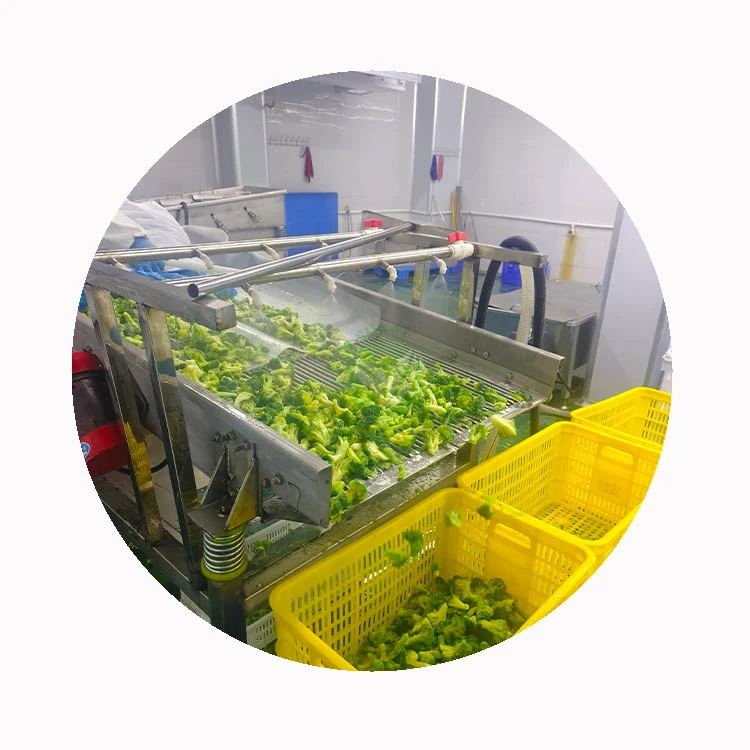
A café example: offer a useful bowl without a bowel claim
Representative scenario - Practical example. A café plans a 280 g broccoli-and-potato soup for lunch. Its customers want something warm and easy to eat with bread. The chef initially proposes straining every batch for a very fine finish, while the menu description promises a fiber-rich vegetable lunch.
Before fixing the recipe, the café divides the cooked mixture into two samples. Both are blended; one is then passed through a fine sieve. The chef tastes them at the same serving temperature, without adding extra cheese or seasoning to one sample. That comparison makes it easier to judge whether straining genuinely improves the mouthfeel. The unstrained version is acceptable, so the café chooses it and avoids discarding vegetable material solely for appearance. A brief note of the chosen cooking and blending settings helps the next cook reproduce the result.
The café still does not know the exact fiber in a portion from that comparison alone. It uses suitable recipe data or finished-product analysis for any nutrient statement and has the wording checked for its market. A customer comment that the soup feels light or comforting is not converted into a clinical bowel-health result.
The service decision is straightforward: describe the actual broccoli-and-potato soup, state relevant ingredients and allergens, and offer an appropriate accompaniment. If a customer has a prescribed low-fiber diet, staff should not assure them that blending makes the soup suitable. That request needs accurate ingredient information and the customer's clinical instructions.
For service, the café keeps the same bowl and ladle, and checks that the soup remains evenly mixed rather than leaving a watery first serving and a thick final one. If customers consistently leave half a large bowl, a smaller soup-and-sandwich option may fit lunch better. The chosen portion should work as food people want to order again.
Pack size should make the chosen recipe easier
Once the soup is decided, we would compare pack sizes against the amount required for one batch. A kitchen using a small quantity at a time may value a manageable inner bag more than the lowest carton price. A larger kitchen may prefer a format that empties cleanly into its planned preparation.
With the frozen packaging options, we would confirm the practical details: the quantity inside each liner, whether pieces separate readily, the space available in the freezer and the instructions for an opened pack. These choices should support the recipe the kitchen has already tested.
There is no digestive advantage in a particular bag format. Its value is simpler: less awkward handling, fewer unwanted leftovers and a clearer connection between the ingredient ordered and the meal served. That is enough of a reason to choose it carefully.

When broccoli is not the next answer
Constipation can involve hard stool, difficulty passing it or a feeling of incomplete emptying, not just a low count of bowel movements. NIDDK advises seeing a doctor when symptoms do not improve with self-care. Causes can include medicines, pelvic-floor problems and other conditions that a larger vegetable portion will not resolve.
Seek prompt medical care when constipation occurs with blood in the stool or rectal bleeding, constant abdominal pain, inability to pass gas, vomiting, fever or unexplained weight loss. Do not delay that assessment while experimenting with broccoli soup. Discuss suspected medicine-related constipation with a clinician rather than stopping treatment yourself.
For ordinary meal planning, the answer remains modest and useful: broccoli can contribute fiber, and a preparation that retains the edible vegetable can help you eat it. Choose a form you enjoy, increase unfamiliar fiber foods gradually, and leave room for other foods. The goal is a satisfying dietary pattern and comfortable bowel function, not a dramatic response to one green ingredient.
For a broccoli soup or prepared-meal project, tell us the cut, batch size and pack format you need.
References
- MedlinePlus: Dietary fiber
- NIDDK: Eating, diet and nutrition for constipation
- NIDDK: Symptoms and causes of constipation
- NIDDK: Treatment for constipation
- NHS: How to get more fibre into your diet
- Mayo Clinic: Juicing, blending and retained plant material
- FDA: Understanding the Nutrition Facts label
- Food Standards Agency: Cooking food, including frozen vegetables
- NHS: Swallowing problems and individualized treatment