


Can You Steam Frozen Cauliflower? A Practical Guide
Aug 28, 2019

Yes, you can steam frozen cauliflower, and ordinary frozen florets usually do not need to be thawed first. Put them in a steamer basket only after the water is producing steady steam, cover the pot, and begin checking the texture after about 5 minutes. Many home-size florets become fork-tender in roughly 5 to 8 minutes, but that range is a starting point rather than a universal rule. Floret size, the depth of the load, blanching level, steamer performance, and the texture you want all change the finish time.
The short answer: Steam frozen cauliflower directly from the freezer, start checking at 5 minutes, and remove it when a fork enters with light resistance while the florets still hold their shape.
Do not thaw the cauliflower in a bowl of water as a default step. It adds handling and surface water without helping a wet-heat method. If the package says to cook from frozen, identifies the product as not ready to eat, or gives a specific cooking time or internal temperature, follow those instructions instead of a general timing guide. Steam-in-bag products, prepared cauliflower dishes, and institutional steam equipment also require their own directions.

How to Steam Frozen Cauliflower Without Thawing
Commercial frozen cauliflower is often partially processed before freezing. The USDA grade standard, for example, describes frozen cauliflower as trimmed, washed, and blanched before it is frozen. That standard does not describe every product in every market, so the label and supplier specification remain the deciding documents. It does explain why many frozen florets need heating and finishing rather than the same cooking treatment as raw, fresh cauliflower.
- Read the package first. Check whether the cauliflower is plain, sauced, steam-in-bag, ready to cook, or ready to eat. Do not assume that blanching means fully cooked.
- Bring the water to a steady boil. The water should sit below the steamer basket so the florets cook in steam rather than boiling water.
- Add the cauliflower from frozen. Break apart loose pieces, spread them evenly, and avoid packing a deep mound that blocks circulation.
- Cover and steam. Keep the lid closed long enough to rebuild steam after the frozen product is added.
- Check at about 5 minutes. Test one small and one large floret. Continue in short intervals if the stems are still too firm.
- Remove and drain promptly. Season after excess moisture has escaped, unless the recipe calls for sauce in the next cooking step.
The useful finish test is physical, not just a timer. For a side dish, a fork should enter the stem with light resistance while the floret remains intact. For puree or mash, a softer finish is appropriate, but the cauliflower should still be drained well before blending. If it will be cooked again in a casserole, soup, or sauce, stop slightly earlier so the second heating stage does not turn it mushy.

How Long Should Frozen Cauliflower Steam?
For a covered home steamer basket holding ordinary frozen florets, 5 to 8 minutes is a reasonable first trial. Current culinary guidance for frozen cauliflower uses that range and recommends checking at the lower end. The result changes when the product is heavily frosted, the florets are unusually large, the basket is crowded, or the steam drops after loading. Start the timer when useful steam has returned, not while the pot is still struggling to recover heat.
| Cooking context | Documented starting point | How to use it |
|---|---|---|
| Frozen florets in a covered home steamer basket | About 5–8 minutes | Begin checking at 5 minutes; finish by texture |
| Brand-specific steam-in-bag product | Use the time, wattage, and stand time on that bag | Do not transfer another brand's instructions |
| Institutional pressure steam unit | Equipment pressure changes the time materially | Use the approved recipe and validate the actual load |
These contexts are not interchangeable. A U.S. Army institutional recipe, for example, gives different times at different steam-unit pressures. A retail steam-in-bag label defines its own bag weight, microwave power, and stand time. The practical conclusion is that "8 minutes" can be a useful trial for one setup, but it should never be presented as the only correct time for every frozen cauliflower product.
Why Thawing in Water Is Usually the Wrong Step
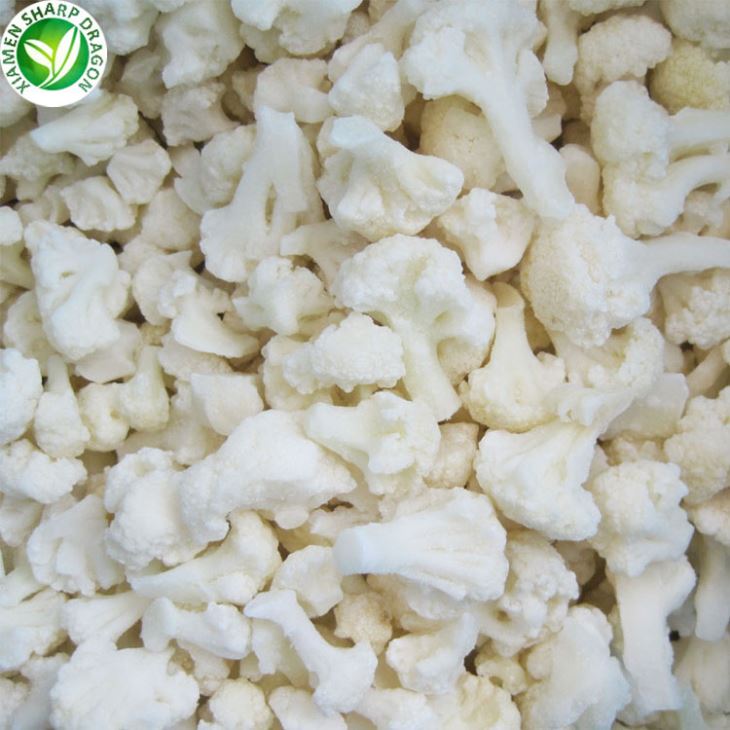
Steaming already supplies moisture and heat, so water-thawing usually adds no cooking advantage. It can leave water trapped between the curds and stems, making seasoning less even and increasing the chance of a soft, wet surface. It also makes timing less predictable because the center temperature depends on how completely and evenly the batch thawed.
There are legitimate exceptions. A recipe that depends on dry browning, a coating, or a precisely weighed thawed ingredient may tell you to thaw and drain first. In that case, follow the recipe and product directions, thaw under controlled refrigerated conditions when required, and remove surface water before the next step. For straightforward steaming, however, moving the florets directly from freezer to basket is simpler and more repeatable.

How to Avoid Watery or Mushy Cauliflower
Keep the florets above the water
If boiling water touches the basket, part of the batch is being boiled while the rest is steamed. Use enough water to generate steam without submerging the product, and check that the pot will not boil dry. A lid that fits well helps the steamer recover after frozen florets are added.
Control the load depth
A shallow, evenly distributed load cooks more consistently than a compact pile. In a deep batch, the outer pieces may soften before the center is hot. If a large quantity must be cooked, use equipment designed for the load or divide it into repeatable batches rather than extending the time blindly.
Match doneness to the next application
Tender-crisp florets suit a plated side or a vegetable mix that will be served immediately. Softer florets work for mash, puree, or soup, provided they are drained. A ready meal that will be reheated needs more structure at the first cooking stage. The same cauliflower can therefore have different correct finish points, depending on what happens after steaming.
Food Safety: Let the Package Override the Clock
Texture tells you whether cauliflower is pleasant to eat, but it does not replace product-specific safety directions. FoodSafety.gov notes that some frozen vegetables are labeled raw or not ready to eat and may advise against thawing before cooking. A package may also specify a target temperature or standing time. Follow those instructions completely, especially for steam-in-bag items and prepared products.
Safety note: Do not treat blanching as proof that a frozen vegetable is ready to eat. Keep the product frozen as directed, cook it according to the package, and handle the lid or bag carefully because escaping steam can burn.
If the package is damaged, the florets are fused into a hard mass with signs of thawing and refreezing, or the product arrived warmer than the agreed frozen condition, do not solve the problem by adding a few minutes to the steamer. Separate quality, cold-chain, and safety decisions, and follow the supplier's and destination-market handling procedure.

What Foodservice and Ready-Meal Buyers Should Test
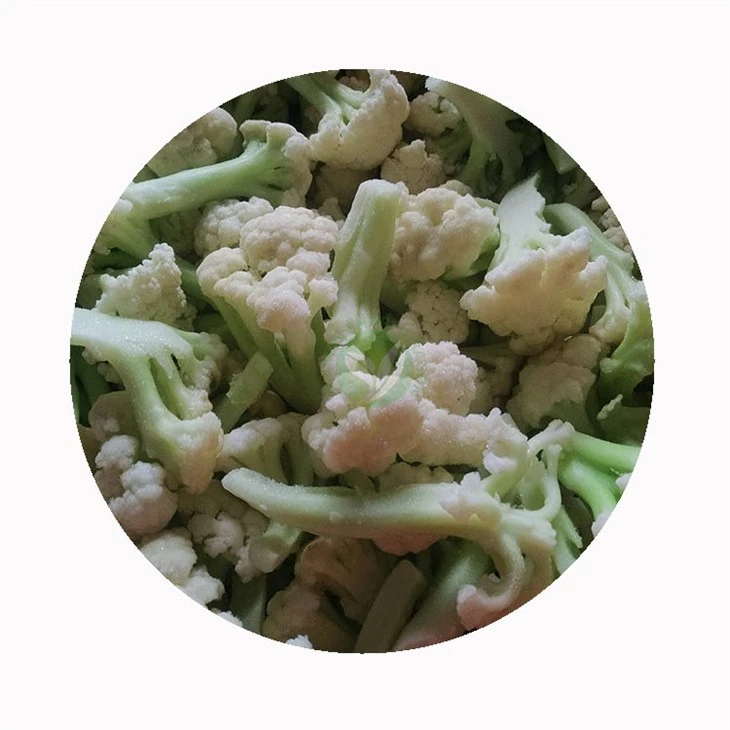
A useful frozen cauliflower specification should connect the raw pack to the cooking result. Floret size is the first control. A wide distribution of tiny pieces and large stems creates a broad doneness window: small pieces soften while large pieces remain firm. Buyers can reduce that uncertainty by agreeing on the cut range, cooking a representative sample in the actual steamer, and defining acceptance by the texture and shape retained after a fixed cycle.
Blanching level is the second control. Two products with similar appearance can respond differently if their pre-freezing heat treatment differs. The risk signal is a batch that reaches serving temperature but collapses too quickly, or a batch that remains tough after the normal cycle. Review the supplier's process description and compare samples in the final application rather than accepting a generic cooking promise. XMSD's IQF frozen cauliflower formats provide a current product reference for discussing floret and green-stem options.
Package condition and free-flowing performance are the third control. Loose pieces are easier to portion into a shallow, repeatable steamer load; large frozen clumps make time and yield less predictable. Inspect seal integrity, inner-bag condition, excess surface ice, carton condition, and temperature records at receipt. For a foodservice program, validate pack size against one practical batch rather than forcing an oversized bag into equipment that cannot circulate steam evenly. XMSD's foodservice and catering guidance explains how format and pack decisions connect to high-volume kitchen use, while the frozen packaging overview gives additional packing context.

XMSD sourcing note: We can discuss floret format, target size, blanching requirement, packing, and a sample cooking check for foodservice or ready-meal use.
Final Thoughts from XMSD
Frozen cauliflower can be steamed directly from the freezer. In a home steamer basket, begin checking ordinary florets at about 5 minutes and expect many batches to finish within roughly 5 to 8 minutes. Let the package override that estimate, use fork tenderness and shape retention to judge the finish, and test floret size, blanching level, load depth, and pack condition when repeatable foodservice results matter.
References
- USDA Agricultural Marketing Service: United States Standards for Grades of Frozen Cauliflower
- USDA Food and Nutrition Service: Preserving Locally Harvested Produce in School Meals
- FoodSafety.gov: New Chef in the House? Use Food Safety to Cook Easy Meals
- Binky's Culinary Carnival: Freezing and Steaming Frozen Cauliflower
- Directions for Me: Birds Eye Steamfresh Cauliflower Florets Package Directions
- U.S. Army Quartermaster Corps: Frozen Cauliflower Pressure-Steam Recipe Guidance
- XMSD operational source: the current IQF frozen cauliflower product page linked in the buyer section above. Used only for format, size-control, packing, and application context.