


Can You Freeze Kiwi Fruit? A Practical Kitchen Method
Apr 14, 2025

Yes, you can freeze kiwi fruit. Ripe kiwi can be frozen whole, sliced or crushed, but expect a softer texture after thawing. For a small kitchen batch, peeled slices frozen separately on a tray are a useful starting point: you can take out a measured portion without defrosting the entire bag. Use frozen pieces for a blended drink, or thaw a small sample before deciding whether they suit a fruit topping. A freezer preserves an ingredient for later use; it does not recreate the firmness of a freshly cut kiwi.
Start with sound fruit that is ripe enough to eat and still holds together during peeling. Wash it before cutting, prepare the form you need, freeze the pieces separately, and pack them promptly in freezer suitable bags or containers. Keep the freezer at 0°F (−18°C) or colder. Commercial frozen kiwi needs its own label and preparation instructions, especially if you intend to use it without cooking.
The useful distinction is between making kiwi convenient to portion and making it suitable for a particular dish. Those are separate tests. A bag that pours easily can still produce a wet topping, while a soft thawed slice may be perfectly useful in a sauce. Decide what you want to make before filling the freezer.

Choose ripe fruit and a useful cut
Oregon State University Extension recommends fully ripe kiwifruit for freezing and allows whole, sliced and crushed forms. Fruit that gives gently under light thumb pressure is a better starting point than fruit that remains rock hard. Freezing an underripe kiwi does not finish its ripening in the bag. Equally, a collapsing or spoiled fruit is not rescued by cold storage. Put flavor and sound condition ahead of how much fruit you can save from the bowl.
Peeling before freezing generally makes later preparation simpler. You can remove the stem end and inspect the flesh while the fruit is easy to handle. With a frozen whole kiwi, that knife work moves to the moment you want to use it, often when you are already preparing a drink or dessert. Whole peeled fruit remains an option, but slices or manageable chunks fit more small batch routines. Choose a form that your appliance can accept without forcing or overloading it.
Utah State University Extension gives a specific unsweetened method: peel ripe, firm kiwi and cut it into quarter inch slices, approximately 6 mm. Treat that as a household preparation method, not a compulsory commercial cut specification. Thicker pieces can suit another recipe, but mixing very thin slivers and large chunks makes it harder to judge how the batch freezes, portions and softens. Aim for reasonable consistency rather than spending time producing identical decorative shapes for a blender.
For us, the cut decision starts with the work that follows freezing. If the entire portion will be blended, paying extra attention to perfect round slices gives little benefit. If individual pieces remain visible, broken edges and uneven thickness matter much more. The existing XMSD IQF kiwi product page shows a commercial frozen format; use the actual sample and agreed description when comparing it with fruit prepared in your kitchen.
Set aside a small amount before preparing a large batch. Freeze, thaw and taste it under the conditions you plan to use. This simple trial answers a more useful question than whether the fruit looks attractive while frozen: will the color, softness and flavor work in your recipe? If your purpose is a crisp fresh fruit salad, keep enough fresh kiwi for that job and direct the frozen portion toward another use.
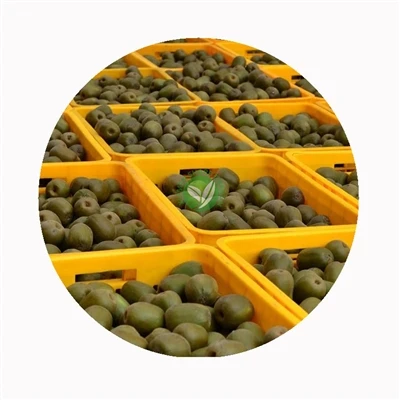
Wash, tray freeze and pack in sequence
Wash your hands, knife, board and preparation surfaces. FDA guidance recommends rinsing produce under running water before preparation, including produce that will be peeled; soap and detergent are not recommended for washing fruit. Keep the prepared kiwi away from raw meat and its utensils. Cleaning the outside first matters because the knife passes from the skin into the flesh. Pat the fruit dry with a clean towel before peeling so loose rinse water is not carried into the tray.
Arrange the prepared pieces in a single layer on a lined tray, leaving enough room to avoid a heap. Oregon State describes individually freezing kiwi slices on a tray lined with parchment or plastic wrap. The National Center for Home Food Preservation explains why tray packing is useful: once firm, pieces can be transferred to a container and portions removed later. Move them into the final packaging as soon as they are frozen rather than leaving them uncovered for days.
There is no dependable universal two hour freezing time for every tray. Piece thickness, the quantity added, freezer performance and the tray arrangement all change the result. Check that the pieces are firm enough to transfer without smearing or merging. A lightly loaded tray of slices and a deep box of whole fruit are different tasks. Prepare a smaller batch if your freezer has little space for circulation, and let the first batch firm up before adding more unfrozen fruit.
Pack the frozen pieces in a freezer suitable bag or rigid container. Remove excess air from a bag without crushing the fruit, close it securely and label the contents and date. A thin shopping bag or loosely folded wrapper is a poor substitute for packaging designed for frozen storage. For pulp or crushed fruit in a rigid container, allow the appropriate expansion space specified for the container and packing method. Do not fill a liquid mixture tightly to the lid.
A practical kitchen sequence is preparation, tray freezing, final packing, then storage. Reversing the middle stages changes what you get: a large bag of wet slices placed directly in the freezer is more likely to become one inconvenient mass. That mass may still be usable in a recipe that takes the full quantity, but it loses the portioning benefit. Choose the method around the amount you will actually remove each time.
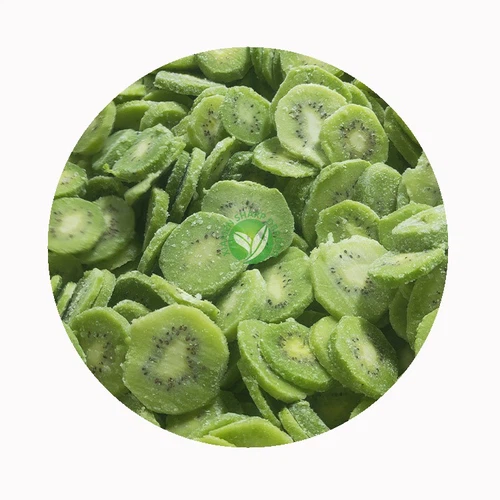
Portion kiwi around the recipe
Freeze a plain ingredient if you want freedom to change the recipe later. An unsweetened pack allows you to decide sweetness when making the final dish. Sugar packed and syrup packed kiwi are different ingredients, carrying added sugar and, with syrup, extra liquid. They can be appropriate for a defined dessert, but they are less flexible substitutes in a recipe written for plain fruit. Label any added ingredient so the next person opening the freezer knows which version they have.
Small portions help when the demand is irregular. You can pack a complete recipe quantity or keep individual pieces loose and weigh them when needed. The first method simplifies repeat preparation; the second gives more flexibility. Neither arrangement requires a universal serving size. Base the portion on the recipe, the available equipment and the amount likely to be used while the pack is open. A busy counter and an occasional home smoothie will need different amounts.
Worked example: Suppose a small drinks counter plans twelve drinks using 80 g of kiwi per drink. Its kiwi requirement is 12 × 80 g = 960 g. Packing six portions of 160 g lets the operator prepare two drinks at a time, while a single 960 g bag suits one complete production run. These are illustrative recipe quantities, not nutrition advice or an XMSD pack offer. Choose the smaller portions if demand is uncertain; choose the larger one only if the whole quantity will be used in the planned run.
Record the fruit weight separately from other ingredients. If the recipe includes water, juice or syrup, a bag labeled only "kiwi mix" makes later adjustment difficult. A clear label such as the fruit form, fruit mass and added liquid provides a repeatable starting point. Keep the same measurement basis when comparing batches: a measured frozen portion and a drained thawed portion do not contain the same amount of retained juice.
In a foodservice kitchen, the point of portioning is an orderly preparation routine. Place the next required portion within easy reach and return the main stock promptly. If staff repeatedly bring a large bag to a warm bench to remove a few pieces, a smaller inner pack may be worth the additional packaging. Test that change during a normal service period and compare waste and handling time before choosing the permanent arrangement.
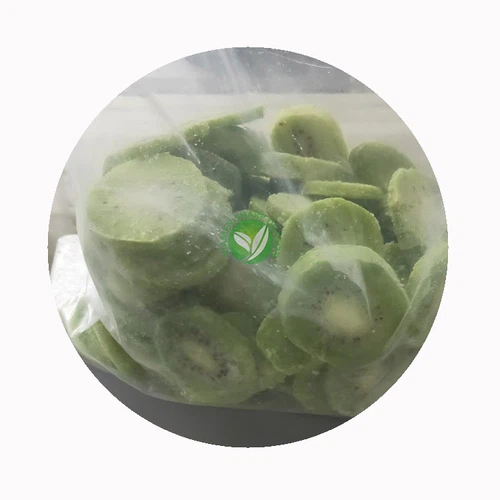
Decide whether to use it frozen or thawed
Use pieces directly from frozen when the recipe and equipment are designed for that input. A blended drink can accommodate the cold, firm fruit differently from a delicate topping. Follow the blender manufacturer's load and liquid instructions, and follow the fruit label's preparation requirements. A machine struggling with a large frozen mass needs a smaller input or an adjusted procedure, not repeated force. Loose pieces are helpful because they make the quantity easier to control.
For a thawed application, use a covered container in the refrigerator. Place it where any released juice stays with the fruit or is caught in a separate clean container, according to the recipe. Decide in advance whether that juice will be included. Pouring it away without recording the amount can change flavor balance and ingredient cost; adding it all to a delicate topping can make the finished dish wetter than intended. Test the complete dish, not just a spoonful of fruit.
Softening is the main reason a frozen slice may disappoint as a fresh garnish. Fruit freezing guidance from Utah State notes that texture generally softens after freezing. Serving fruit partly frozen can change the eating experience, but it does not restore the original tissue. Check what happens after the plate has stood for its normal service period. A slice that looks neat when icy may become too soft or release liquid before the customer eats it.
Practical example: Imagine a café comparing kiwi for two uses: an immediately blended drink and a chilled cake display. Prepare the same fruit in separate portions. Use one portion in the drink according to its preparation instructions; thaw the other in the refrigerator and place a measured amount on a trial cake. Inspect the cake after the intended refrigerated display period. If the fruit makes the topping wet or slips out of position, keep that frozen lot for a suitable blended recipe and choose another topping format for the cake. The two applications have different acceptance points.
We would compare a kiwi sample in the actual recipe before judging it by a photograph. For blending, flavor balance and the final consistency carry the decision. For a visible piece, appearance after thawing and holding matters alongside taste. A broad claim such as "good quality frozen kiwi" leaves those differences unresolved. The separate kiwi form and buyer guide develops commercial sample and specification methods when the kitchen trial becomes a purchasing project.
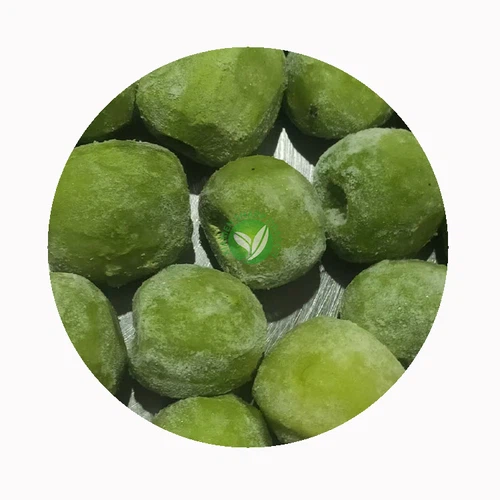
Plan freezer storage and handle interruptions
Keep frozen stock at 0°F (−18°C) or below and use an appliance thermometer rather than the dial alone to check the condition. The National Center for Home Food Preservation gives an approximate quality range of eight to twelve months for properly prepared and packaged fruits and vegetables stored at 0°F. This is general household guidance, not a kiwi specific expiry date or the shelf life of every commercial pack. Use the product label for a purchased ingredient and rotate older stock forward.
Write a realistic use plan instead of treating the longest published range as a target. A small batch that will be used steadily is easier to monitor than several unmarked bags accumulated over a year. Review color, flavor and handling in a sample as storage continues. Dry patches, toughened edges and an unpleasant loss of flavor can make the ingredient unsuitable for your recipe even when those quality changes are not evidence of a safety failure.
FDA distinguishes freezer burn from food safety and notes that freezing does not kill most bacteria. A cold bag therefore still needs suitable handling and preparation. Follow any cooking requirement printed on commercial fruit, and do not interpret "IQF" as a ready to eat declaration. Safety suitability belongs to the particular product and intended use. For a raw application, select an ingredient whose instructions support that use rather than assuming all frozen fruit is interchangeable.
If a power interruption affects household stock, FDA says food that still contains ice crystals or is at 40°F (4°C) or below can be refrozen or cooked. Apply that guidance using actual temperature information and the circumstances of the food; appearance and smell alone do not establish safety. Repeated warming and freezing can still reduce quality. For commercial stock, isolate affected product and follow the site's food safety assessment and temperature records before release.
Do not use a quality check as a substitute for that assessment. Tasting a suspect bag is not a safe way to decide what happened during an unknown warm period. Keep the label and batch identity available, record the interruption if possible, and separate the product while the decision is made. Once stock is cleared for use, evaluate whether its softened texture and added clumping still fit the original application. Safety release and recipe suitability remain distinct decisions.

Read the pack before making a dessert
Plain frozen kiwi, sweetened kiwi and a prepared fruit mixture can behave differently even when the front of the pack uses the same fruit name. Read the ingredient list and preparation directions before substituting one for another. In particular, identify added sugar, syrup or other fruit and the intended use. If the recipe was developed with one specific ingredient, test a replacement at a small scale before serving the whole batch.
Gelatin desserts need special attention. Oregon State's kiwifruit preservation guidance explains that fresh and frozen kiwi contain a protein breaking enzyme and calls for heating to boiling before using it in gelatin dishes. Freezing alone is not the preparation step for that use. Follow a reliable kiwi gelatin recipe that includes the required treatment, then cool and combine the ingredients as directed. A commercially treated fruit preparation should be assessed according to its own instructions rather than treated as ordinary raw frozen pieces.
A cooked fruit component also changes the task. If a recipe is designed around a heated kiwi sauce, its acceptance point is the finished sauce: flavor, liquid balance, consistency and appearance. A frozen slice intended to retain its outline has a different requirement. Avoid selecting a form solely because it looks more intact in the bag. The useful form is the one that reaches the intended result with predictable preparation effort.
For repeat production, keep a short recipe record with the fruit description, starting mass, preparation method and final amount. Record any drained juice separately and note whether it is returned to the mixture. If the dish changes when a new pack arrives, this record helps distinguish an ingredient difference from a preparation change. Change one factor at a time during a trial, so a better result can be repeated rather than guessed at. That record also provides useful inputs for an industrial fruit application discussion when the recipe moves beyond kitchen quantities.
The same habit helps a small kitchen communicate with a supplier. "Too wet" becomes useful feedback when it includes the thaw method, amount of fruit, the dish and when the liquid appeared. A photograph of a plated result is helpful, but pair it with that preparation context. Otherwise a supplier may propose a firmer piece while the real issue is the way the recipe handles released liquid. Describe the finished result you need before asking for an alternative.

Move from a kitchen batch to a repeat supply
Making a few bags at home and buying frozen kiwi for regular production solve different workload problems. The kitchen method gives you direct control over preparation but adds peeling, cutting, freezing space and packing labor. A purchased ingredient can move those tasks upstream, provided its form and instructions fit your operation. Count the work you remove and any new handling you introduce rather than comparing only the price per kilogram.
Use a short practical trial before expanding the quantity. Start with the same recipe, fruit mass, equipment and evaluation point for each candidate. Record whether pieces separate easily, how long preparation takes and how the finished dish performs. Keep a control batch prepared with the current ingredient where possible. If a change improves one part of the workflow but worsens the finished result, that trade-off needs to be visible before a purchase decision.
Packaging affects that trial too. A pack that is convenient for one complete mixing batch may be awkward for occasional portions. Inspect how the inner bag opens, how it can be closed between uses and whether its size fits the storage space. XMSD's frozen packaging information provides a starting point for discussing format; translate the discussion into the amount used per run and the handling conditions in your kitchen.
Write down the acceptance result in ordinary language supported by measurements. For example, specify the recipe quantity, the intended preparation state and the condition of the finished topping after its normal hold. Avoid a promise that all thawed kiwi will look freshly cut. A workable agreement is narrower and more useful: this ingredient, prepared by this method, suits this dish. When the recipe or handling changes, review the sample again.
The decision returns to the reason for freezing. If you need convenient portions for a suitable recipe, kiwi is a practical candidate. Prepare a small batch, test it in the dish and size the next batch around actual use. If you require fresh firmness or a long visible display, make that the first trial question. Finding a limitation with one small portion is much easier than discovering it after filling the freezer.
For an XMSD kiwi sample discussion, send your recipe application, preferred cut, quantity per preparation run and intended frozen or thawed use. Include the result your kitchen trial needs to achieve.
References
- Oregon State University Extension: Preserving kiwifruit
- Utah State University Extension: Fruit Freezing Methods
- National Center for Home Food Preservation: Dry or Tray Packing for Fruits
- National Center for Home Food Preservation: How Long Can I Store Frozen Foods
- FDA: Selecting and Serving Produce Safely
- FDA: Are You Storing Food Safely?