


Can I eat apple at night?
Nov 05, 2019

Most people can eat an apple at night. A clock time leaves a plain apple unchanged; it neither stops digestion nor transforms the fruit into body fat. What changes the answer is the situation: a modest piece of fruit when you are hungry is different from a large apple dessert after a full dinner, and eating immediately before lying down may matter if reflux is already a problem.
Choose a portion that fits the rest of the evening meal. Whole apple or unsweetened pieces keep the fruit visible; juice, sweetened puree, pastry, and ice cream create a different snack. If apple tends to cause gas or abdominal discomfort for you, test a smaller amount or a softer prepared form. If reflux appears near bedtime, move the snack earlier, reduce the total meal, and follow condition-specific guidance.
There is no universal "last safe time" for apple. A shift worker's night meal, a child's early evening snack, and a late dessert after a banquet are three different eating occasions. Judge hunger, portion, preparation, symptoms, and time before lying down. That method gives a useful personal answer without inventing a rule for everyone.
Timing is context, not an ingredient.

An Apple Keeps the Same Composition at Night
USDA FoodData Central describes foods by defined form and weight rather than by a special daytime or nighttime composition. The nutrients in a plain apple remain the nutrients in that apple. Amount, accompanying foods, and personal response can change, while clock time leaves the food identity intact. This is why a direct yes is more accurate than a broad warning against evening fruit.
The same distinction applies to research. A systematic review of apple or apple-product studies can summarize defined foods, doses, participants, and outcomes. It addresses bedtime only when timing was an actual study variable. Use such evidence to understand apple as a food, then use meal and symptom guidance for the late-evening decision. General apple findings offer no promise that one apple before sleep produces a special benefit.
Weight gain is often part of the worry. Body weight is shaped by the wider energy pattern over time, not by a rule that all food eaten after a certain hour is stored differently. An apple replacing a large sweetened snack changes the evening differently from an apple added after a full meal. Ask whether the fruit is replacing, accompanying, or simply adding to what was already planned.
Sleep is also easy to overstate. A plain apple has no established role as a sleep treatment, yet it is not an automatic sleep disturbance either. Hunger, reflux, abdominal discomfort, fluid intake, meal size, and individual routine may each matter. The right question is whether your chosen portion and timing leave you comfortable, rather than whether apple has a universal bedtime effect. When sleep is the concern, keep bedtime and caffeine reasonably stable during the comparison so the apple is not blamed for every changing part of the evening.
Comfort is the useful endpoint.

The Complete Evening Snack Changes the Answer
A whole apple eaten because dinner was early is a simple snack. Apple pie with cream after a large dinner is a dessert containing several ingredients and much more food. Apple juice can be consumed quickly and removes the visible piece structure that helps a person judge how much fruit went into the drink. Calling all three "an apple at night" hides the most important differences.
Preparation affects comfort as well as arithmetic. Raw apple with peel has a firm structure and requires chewing. Peeled, cooked, or pureed apple is softer and may be tolerated differently by some people. Sweeteners, pastry, dairy, and large amounts of fat belong to the finished recipe. If a late snack repeatedly feels heavy, compare a smaller, plainer version before deciding the fruit itself is unsuitable.
| Evening situation | Main decision variable | Useful first action |
|---|---|---|
| Genuine hunger after an early dinner | Portion and satiety | Choose a modest plain serving |
| Reflux after a late large meal | Meal size and time before lying down | Move or reduce the eating occasion |
| Gas after raw apple | Amount, peel, and personal tolerance | Test less or try a softer form |
| Large sweetened apple dessert | Entire recipe and total intake | Judge the dessert, not fruit alone |
A small amount of context prevents unnecessary restriction. If dinner already contained enough food and the apple is being added from habit, check your hunger first. If it replaces confectionery or a very rich dessert, the comparison is different. If it is part of a prescribed eating plan, that plan sets the relevant portion and timing. The word "night" never supplies all of those answers by itself. Planning the snack before the evening begins can also prevent an open-ended search through several foods when tiredness is being mistaken for hunger.
Hunger and habit lead to different choices. Genuine hunger after an early or light dinner may be resolved by a simple portion with little preparation. Eating because the fruit is visible, because a wellness claim recommends it, or because dessert is routine deserves a pause. The apple is still ordinary food, but the purpose of the snack helps decide whether it belongs in that evening.
Pairing also changes the finished snack. Apple with a small amount of another familiar food may fit someone's appetite better than fruit alone, while a large platter with several additions can become another meal. No combination guarantees better sleep or appetite control. Use the foods you already tolerate, keep the portion visible, and judge comfort rather than assigning a special bedtime function to the recipe.
Practical example: Take an office worker whose dinner ends at 6:30 p.m. and who is hungry at 9 p.m. On two evenings, the person eats 150 g of plain apple and remains comfortable for two hours before bed. On another evening, a large apple pastry is eaten at 10:30 p.m. after a full restaurant meal, followed by reflux. The useful decision is to keep the earlier plain portion and review the size and timing of the later meal, not to label all nighttime apple unsuitable.

Reflux and Gas Require Different Adjustments
NIDDK guidance for gastroesophageal reflux disease emphasizes personal trigger foods and eating patterns, including the interval between eating and lying down. That makes the evening context relevant without making apple a universal reflux trigger. If burning, regurgitation, or discomfort appears mainly after large late meals, reduce the total meal and move it earlier. Changing the apple while leaving every other condition unchanged may miss the real pattern.
Gas and bloating involve another decision. NIDDK digestive-gas guidance discusses how certain carbohydrates and fiber can contribute to symptoms in some people. Individual tolerance varies with amount and the rest of the diet. A person who becomes uncomfortable after a very large raw apple may do well with a smaller portion, peeled slices, or cooked apple. Someone who feels comfortable has no reason to borrow another person's restriction.
Peel and texture should be tested deliberately rather than treated as universal problems. A peeled portion changes the food that reaches the plate; cooking softens the structure; puree is eaten differently from a firm piece. Try the smallest change that matches the suspected issue and keep the amount comparable. If comfort improves, the useful conclusion is about that form under those conditions, not about every apple eaten after sunset.
Change one major factor at a time. Moving the snack earlier tests timing. Halving the portion tests amount. Choosing plain slices instead of pastry tests the recipe. Peeling or cooking tests texture and preparation. When several factors change together, a better evening may feel reassuring but it reveals little about which adjustment mattered.
Health note: Persistent reflux, severe abdominal pain, difficulty swallowing, unexplained weight loss, or symptoms that repeatedly disrupt sleep deserve professional assessment. A medically prescribed diet takes priority over a general nighttime-snack experiment.
An observation record can be short: time, apple form, approximate grams, previous meal, time before lying down, and symptom. Two or three comparable evenings are more informative than a long list of unrelated foods. Stop the trial if symptoms are severe or concerning. The aim is an ordinary decision about comfort, not a self-diagnosis.
Change one variable, then read the result.

A Simple Evening Test Produces a Personal Answer
Start on a night when your usual routine is stable. Choose plain apple in a measured portion and finish it with enough time to notice comfort before lying down. Keep dinner, activity, and other major foods ordinary. Record hunger before the snack and symptoms afterward. This creates a useful baseline rather than a perfect experiment.
Repeat the same conditions once. If hunger settles and no symptom appears, the snack fits that routine. There is no need to increase the amount to prove that apple is beneficial. If gas occurs, reduce the portion or change preparation on a later suitable night. If reflux occurs, test an earlier snack or review the total evening meal. Each change should answer one question.
Use the result modestly. Comfortable nights support continuing the portion. Discomfort only after a rich apple dessert points to the dessert occasion. Symptoms after several different late foods may suggest that meal timing or an underlying condition deserves attention. A result for one person should stay personal unless broader evidence supports a general claim.
Sleep quality needs equally careful interpretation. A restless night after one apple snack may also include stress, caffeine, an unusual bedtime, room conditions, or a larger dinner. Look for a repeated pattern before assigning cause. If the snack consistently settles hunger and leaves digestion comfortable, keep it simple. If it repeatedly coincides with reflux or abdominal discomfort, adjust the relevant factor and assess again.
This approach also works for irregular schedules. A night-shift worker may eat a main meal when others sleep. The relevant question is still proximity to lying down, meal size, and tolerance, not the number on the clock. Define "night" by the person's actual sleep and meal cycle rather than by a universal cutoff.
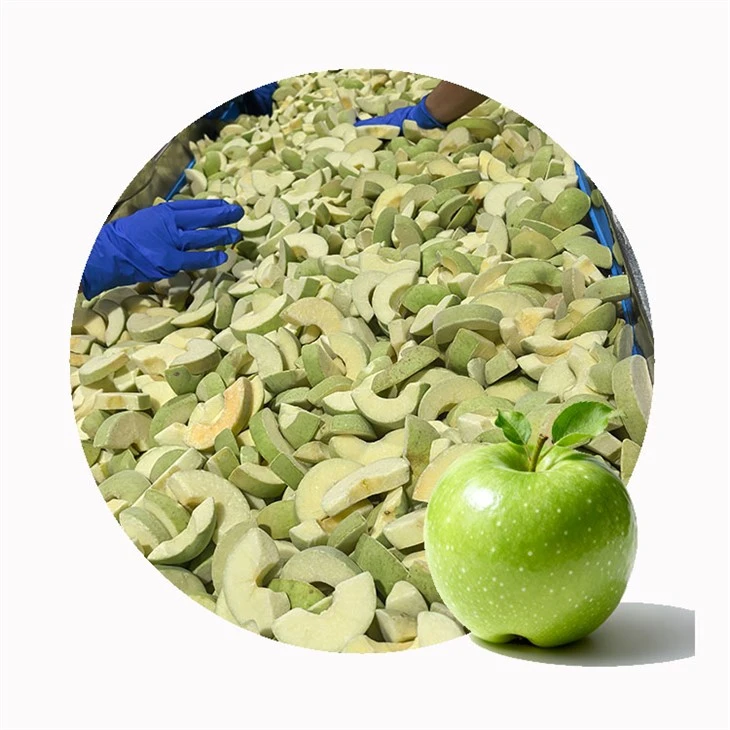
Frozen Apple Form Matters More Than the Clock
Fresh apple is crisp and ready to eat, while frozen apple usually enters a prepared dish or a controlled thawing step. Freezing can soften tissue, and the cut determines how pieces distribute through oatmeal, yogurt, bakery filling, or a sauce. These remain eating-quality and application differences rather than a special nighttime nutrition category.
In our first frozen-apple review, we ask how visible the fruit needs to remain after the intended process. Slices suit an application that needs a longer recognizable piece; dice spread more evenly through portioned foods. We examine cut definition, separation, visible damage, and texture after the buyer's thawing or heating method. A product can be acceptable for a filling and still feel too soft for a cold garnish. Intended use decides.
The frozen apple category provides the broad form choice. An application needing a green-apple slice can review frozen green apple slices, while cups, bakery mixes, or measured inclusions may align better with IQF diced apple. The recipe trial should use the exact cut and state planned for production.
For home use, a frozen form makes gram-based portioning easy but should be matched to the dish. Adding pieces to hot oatmeal exposes them to heat and moisture; folding thawed dice into yogurt creates a different texture. Judge the finished bowl. A frozen piece photographed well before use says little about how it will eat after the actual process.
For a commercial specification, the form description should be just as concrete. Name slice or dice, target application, serving basis, thaw or heating route, and the visible condition expected at service. A buyer evaluating a cold snack cup will set a different acceptance point from a bakery that cooks the fruit inside a filling. Writing the use first keeps the sample review focused on observable performance.
Application decides the useful cut.

Evening Foodservice Needs Portion and Holding Logic
Hospitals, hotels, transport caterers, and staff canteens may serve fruit during late shifts. Their version of the question concerns repeatable portions, pack turnover, and the condition of the fruit across the service window. A snack cup that works at the first service should remain acceptable at the planned later handoff. That requires a defined preparation and hold instead of a blanket claim about nighttime apple.
Worked example: Suppose an overnight staff canteen plans 120 oatmeal cups with 80 g of diced apple in each. The recipe requires 9,600 g, or 9.6 kg, of usable fruit: 120 × 80 g. The kitchen stages smaller batches so later cups avoid product held through the entire shift. It records the usable condition after the chosen thawing and hot-hold method. The calculation is illustrative; XMSD pack size, yield, and commercial terms remain outside the example.
Our second operational review follows the dice through the full service sequence. We look for uneven distribution, excessive softening, liquid accumulation, and open-pack exposure. If the early cups contain intact pieces but later cups become watery, the corrective action may involve staging, thawing, or inner-pack use. A vague request for firmer apple provides less direction than a recorded failure point.
Pack selection should reflect how quickly the operation consumes the fruit. The available frozen packaging information can frame that discussion, while the destination, cut, opening frequency, storage, and agreed specification determine the final choice. A smaller unit may reduce repeated exposure in a low-volume service; a larger unit may suit a continuous production line.
Arrival and application checks should use the same criteria. Verify package condition and product identity, then prepare the apple using the intended method. Score the result that matters in the finished food: visible piece distribution, texture, liquid release, or flavor balance. Connecting acceptance to the real dish makes the purchasing decision repeatable.
Usable portion cost is more informative than bag price alone. Record how much fruit meets the serving rule after the planned process, divide that amount by grams per serving, and compare complete portions. If late-service cups fall outside the texture or appearance target, exclude them from the accepted yield and investigate the handling point. This method turns a vague quality impression into a purchasing and workflow decision.

The Best Nighttime Apple Is the One That Fits
For most people, an apple can fit at night. Start with a modest plain portion, place it inside the total evening intake, and leave enough time before lying down if reflux is a concern. If raw apple causes gas, test less or try a softer form. If a large dessert causes discomfort, judge the complete dessert rather than blaming the fruit alone.
There is no health prize for forcing an apple when you are not hungry, and no general penalty for eating one when it suits your routine. The decision becomes clear when the portion, form, previous meal, sleep timing, and personal response are visible. Keep what works, adjust one factor when it does not, and seek professional help for persistent or concerning symptoms.
Morning and evening apples need not compete. Some people prefer fruit at breakfast because it fits their appetite and routine; others use it as a simple late snack after an early meal. Neither preference proves superior absorption or a special metabolic advantage. Choose the occasion that supports a comfortable portion and a workable overall diet, then keep the preparation consistent enough to know what you are judging.
XMSD sourcing CTA: For a frozen apple application, share the recipe, preferred cut, portion basis, thawing or heating method, service window, pack use, destination, and sample requirement. We can review the fruit against the actual finished-food conditions.
References
- USDA FoodData Central
- NIDDK: Eating, Diet, & Nutrition for Gas in the Digestive Tract
- NIDDK: Eating, Diet, & Nutrition for GER & GERD
- Systematic Review of Apple and Apple-Derived Products in Cardiometabolic Health
- XMSD operational perspective on frozen apple cuts, thawing and heating behavior, portioning, packaging, and foodservice use.
You can eat apples at night. Apples are rich in a variety of vitamins and minerals, which can achieve nutritional supplements and are easy to digest .But you can't eat too much, because apples contain malic acid. Eating too much can cause too much stomach acid and cause stomach discomfort.
