


Can Broccoli Prevent Cancer? Building a Practical Food Habit
Jan 13, 2020

Broccoli can be part of an eating pattern recommended for cancer prevention, but eating it offers no guarantee against cancer. There is no established broccoli amount that functions as a preventive prescription. Its useful place is alongside other vegetables, fruit, beans and whole grains, within a wider set of habits that also includes avoiding tobacco and limiting alcohol.
If you enjoy broccoli, keep it in your meals. If you dislike it, you can still build a varied vegetable routine. Forcing down a large bowl each day, buying an expensive extract or abandoning other foods to make room for broccoli turns a sensible ingredient into an unrealistic project.
The practical question is what will make vegetables an ordinary part of your week. A bag of frozen florets that gets cooked on busy evenings may be more useful to you than fresh heads that repeatedly go unused. That is a judgment about access and eating habits, not a claim that one form has a stronger cancer-preventive effect.

Start with the whole prevention picture
The World Cancer Research Fund treats its prevention recommendations as a connected pattern. Food is one part, alongside physical activity, weight management and other behaviors. Broccoli has no special power to cancel the effects of smoking or alcohol. A generous serving on Sunday is also not a credit that can be spent against the rest of the week's choices.
Look at your ordinary meals before buying more of any particular vegetable. Perhaps lunch regularly has no vegetables, dinner depends on processed meat, or whole grains and beans rarely appear. Choose one of those gaps to work on. The change might involve broccoli, but the purpose is improving the meal pattern rather than accumulating an ingredient believed to be protective.
Start with one familiar dish. Add broccoli only where its flavor and texture fit, then decide whether you want to cook that version again.
This approach also leaves room for pleasure. Broccoli with lemon and a little oil, broccoli folded into a bean dish, and broccoli beside fish are different eating experiences. An enjoyable routine is worth more practical attention than a strict rule about eating the same vegetable at the same hour.
Why broccoli attracts research attention
Broccoli contains glucosinolates, which can break down into compounds including isothiocyanates. Researchers study how these substances behave in cells, animals and people. The National Cancer Institute explains the distinction clearly: interesting laboratory activity and a reduction in cancer risk among people eating a food are different findings.
NCI's broccoli-related fact sheet was reviewed in 2012, so its individual study summaries should be read in that historical context. Its broader diet information, updated in 2024, still describes the human findings for cruciferous vegetables as less clear than laboratory results. That leaves a sound reason to study broccoli, but no basis for a personal prevention dose.
An observational association compares groups who eat differently; it is not a promise about what will happen to one person. Their other habits may differ too. For everyday decisions, avoid converting a reported percentage into the number of florets you ought to eat. Food shopping requires a usable meal plan, while a causal cancer claim requires a different level of scientific support.
If you are selecting wording for a product pack or menu, our separate discussion of broccoli cancer claims in commercial communication deals with that responsibility. A household cooking choice and permission to print a disease claim are separate questions.

Use vegetable variety as the starting point
WCRF's fruit and vegetable guidance, reviewed in June 2026, encourages variety and accepts fresh, frozen and tinned forms. Its prevention message is about an overall pattern, rather than awarding broccoli a unique status. That gives you several ways to make a meal work when availability, taste or preparation time changes.
Think in dishes rather than a competition between vegetables. Broccoli's branching shape works well beside a main course and catches a light sauce. Carrots bring a different sweetness and bite; spinach folds into dishes where a large floret would be awkward. Beans and whole grains serve other roles again. Choosing foods with different uses makes variety easier to maintain.
For a small freezer, I would keep a few vegetables with genuinely different cooking jobs rather than several packs bought because each advertises the same health benefit. A floret, a leafy vegetable and a mixed cut offer more options. The frozen vegetable range can help identify those formats; the choice should follow your dishes.
Variety can be simple: keep a familiar pasta, curry or grain bowl and change the vegetable that suits it.
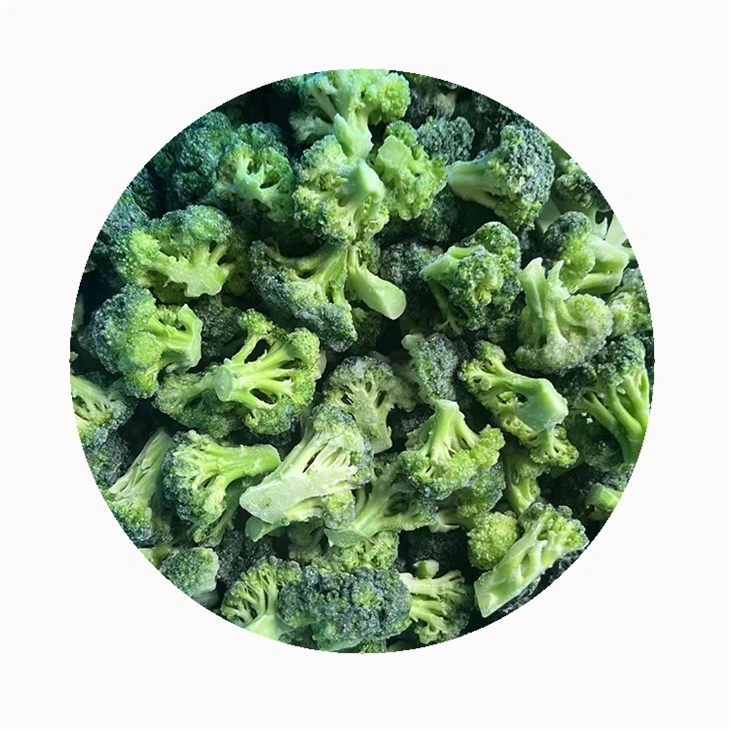
Representative example: a household with an unused fresh head
Consider an illustrative household of two adults who like broccoli but shop only once a week. They buy a fresh head with good intentions, then work runs late and the planned dinner disappears. This scenario is hypothetical, not a report of an XMSD customer or a nutrition trial. The problem to solve is a mismatch between shopping and cooking opportunities.
Instead of prescribing daily broccoli, they identify two meals they already make: a chickpea tomato dish and a rice dish with eggs. They choose frozen florets for the first and a different vegetable for the second. Broccoli stays on the shopping list, but only because there is a specific meal in which it fits.
Their fallback is a delayed cooking occasion, not a forced meal. If plans change, the unopened product stays in frozen storage according to its label. When they cook, they remove the required quantity, promptly return the rest to frozen storage and follow the cooking instructions. The freezer is useful because it separates the purchase from an immediate deadline; it still needs space, power and orderly handling. A household without those conditions would need another plan, such as buying a smaller fresh quantity nearer the cooking day.
The intended result is a vegetable actually reaching the table with less last-minute decision-making. It is not a measured reduction in cancer risk. At the next shop, they ask whether the meal happened and whether they enjoyed it. If the answer is no, they adjust the dish or buy another vegetable instead of increasing the quantity out of guilt.
A portion is food, not a preventive dose
A serving amount helps you cook and share food; it does not establish medical protection. There is no reason to multiply a normal meal portion because a research summary sounds promising. Plan the amount around the whole plate, appetite and the other foods being served.
Worked example: imagine a household buys a 1 kg bag and uses 250 g of frozen broccoli for each family dish. On that stated uncooked, frozen-weight basis, 1,000 g divided by 250 g gives four cooking occasions. This is inventory arithmetic only. It says nothing about the number of people served or a desirable weekly broccoli intake until those details are supplied.
Sharing changes the arithmetic. A family dish divided among two people gives a different amount per person from the same dish divided among four.
Use the calculation to avoid overbuying or running out, not to set a challenge. The household might use the bag across a longer period permitted by its storage instructions. Forcing all four dishes into one week would be an invented rule. A replacement bag becomes useful when actual cooking has used the first one.

Make the cooked broccoli worth eating
Texture is often the point where a vegetable plan succeeds or fails. A floret that is unpleasantly watery, tough at the stem or broken into fragments may be left on the plate even when the person wants to eat more vegetables. Treat that as a cooking problem worth solving, not a failure of willpower.
When we compare broccoli for an application, I want to see the stem as well as the crown. A large crown attached to a thick stem can behave differently from a smaller, evenly cut floret. The IQF broccoli product information describes formats and sizes that can be matched to the intended dish. The product photo is the beginning of that assessment, not the complete test.
Taste a crown and a stem after cooking by your intended method. Then check the dish, not just the isolated floret. In a tomato-based recipe, excess surface water may make the sauce thinner than you wanted; in a soup, the same moisture matters less. A few small pieces may be welcome in a mixed filling and unwelcome on a plate intended to show intact florets. Keep the product form that suits that particular result, and write down the method so the next meal starts from something you already know.
Seasoning can make a plain vegetable welcome. Lemon, herbs, garlic or a modest amount of a preferred sauce may be enough. There is no need to make the broccoli austere to make it legitimate. At the same time, evaluate a rich sauce or processed-meat topping as part of the full dish, rather than assuming the broccoli makes every combination equally suitable.

Keep food safety separate from compound optimization
Internet instructions sometimes prioritize preserving a particular plant compound above everything else. For a frozen product, begin with the label's preparation instructions. Food Standards Agency guidance says frozen vegetables should be cooked before eating unless they are intended to be ready to eat. A green appearance or a quick rinse is not a substitute for the required cooking step.
Choose a recipe that accommodates that requirement. If you want broccoli in a cold dish, the preparation needs a proper cooking and safe cooling plan rather than simply thawing ready-to-cook florets into a salad. The package directions and appropriate local food-safety guidance take priority over a shortcut chosen for convenience.
In a shared kitchen, keep the instructions available after the outer carton is removed. A clear bag without its accompanying information can leave the next person guessing about what it contains and how it should be prepared. Label the retained product information where staff can find it, and preserve the batch identity.
At handover, name the product and show where its instructions are kept. That small act is more useful than expecting the next cook to recognize an unmarked bag.
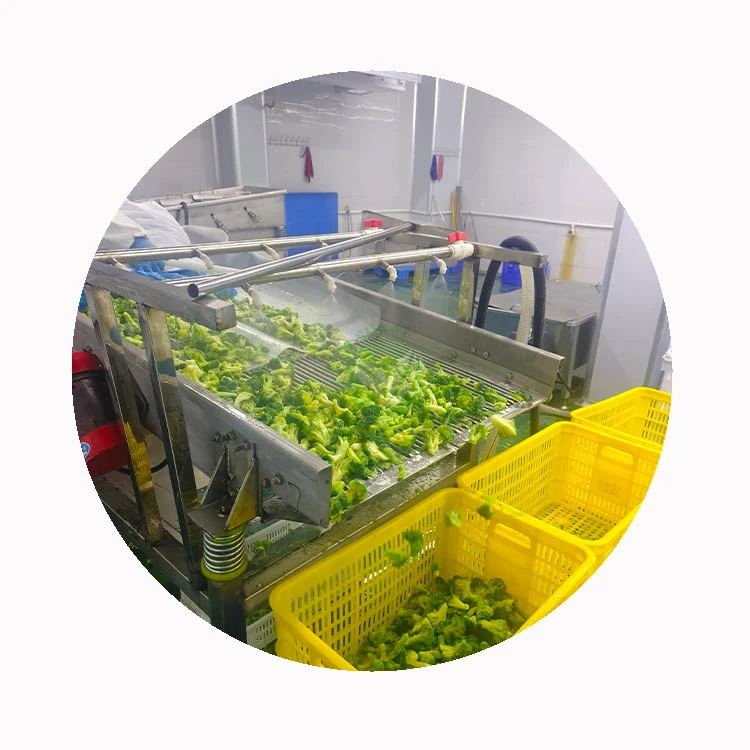
Representative example: a community kitchen changes the vegetable service
A second illustrative example involves a community kitchen serving a weekly shared meal. Broccoli is available, but the tray is placed at the far end of the counter after guests have filled their plates. The cook is considering buying a more expensive broccoli product because the vegetables are often left over. No real service figures or customer results are being claimed here.
Our first question would be where the problem occurs. Are guests overlooking the tray, finding the florets difficult to divide, or disliking the texture after holding? Those observations lead to different actions. Purchasing a premium-looking crown would miss a service-layout problem, while moving a tray would leave an overcooking problem untouched.
For this scenario, the kitchen changes the serving position first, leaving the recipe and product unchanged. Staff note whether more guests notice and select the broccoli. If selection improves but uneaten stems remain, the next trial addresses texture or cut size rather than undoing the layout change. A later recipe trial can offer broccoli within a familiar bean dish. Separating the changes makes each observation easier to interpret; changing the product, dish and counter at once would make it hard to know what helped.
The result to seek is a practical service decision: retain the dish and layout that guests accept, or change them based on what happens. Counting portions selected is a kitchen measure, not a cancer-prevention outcome. XMSD's foodservice and catering approach is relevant to matching product format with this kind of preparation and service constraint.
Choose a pack that supports the routine
Retail and foodservice packs solve different problems. A home cook needs a pack that fits the freezer and can be closed or protected as directed after opening. A kitchen may prioritize an inner-bag quantity that matches a cooking session. Neither choice changes broccoli into a treatment; it changes the likelihood of orderly handling.
I would compare how the product pours, how easily the required amount can be separated, and what happens to the remainder. A pack that requires staff to wrestle with a large mass creates a different workflow from one that portions cleanly. Record the actual condition and handling history rather than diagnosing the cause from frost alone.
Packaging decisions also affect information. Product identity, storage instructions and cooking directions must remain understandable when stock is split or moved. Our frozen-food packaging information gives a starting point for discussing the physical format. For the meal planner, the useful question is whether that format makes the next cooking occasion straightforward.
A lower price per kilogram matters only if the quantity can be used well. Compare the pack with available storage space and planned dishes before comparing the total cost. If a larger pack needs repacking materials, extra handling or freezer space you do not have, those are real practical costs even when the shelf price looks appealing. A smaller pack can be the more workable choice without being nutritionally superior. For a kitchen, trial the proposed pack during an ordinary service rather than demonstrating it only on an empty preparation bench.

Protect the food budget from a prevention premium
A cancer-prevention concern can make an ordinary shopping choice feel urgent. Pause before paying extra for a vegetable, powder or pack promoted through a disease claim. Ask what the extra money actually buys: a preferred cut, less preparation work, convenient packing, or simply more forceful wording. Those are different reasons for a higher price.
For a limited food budget, I would preserve enough room for the rest of the meal. Buying expensive broccoli while dropping the beans, grain or other ingredients needed to turn it into dinner defeats the practical purpose. A reasonably priced vegetable you enjoy, together with a complete meal, is a more useful purchase than an isolated item with no affordable way to serve it.
Use a plain shopping description: the vegetable, usable quantity and intended dish. If a supposed benefit cannot be explained without a medical promise, set that sales argument aside and compare the food on those ordinary terms.
When an individual care plan takes priority
If you have cancer or are receiving treatment, bring food questions to your oncology team. NCI states that a special food or diet has not been proved to control cancer, and some supplements can interfere with treatment. Broccoli and concentrated broccoli-derived products belong in different conversations; do not substitute either for prescribed care.
A person struggling to eat enough may need different practical support from a healthy adult planning more vegetables. General prevention advice is not a reason to force a bulky dish, ignore swallowing difficulties or replace a prescribed nutrition plan. Ask what food texture and meal pattern are appropriate for the situation.
For everyone else, leave room for ordinary preferences and limitations. A week with cabbage, carrots or another suitable vegetable instead of broccoli is not a failed prevention effort. Keep the wider pattern in view, choose a preparation you enjoy and give the ingredient a clear place in an actual meal.
The most useful next step is modest: choose the dish, decide when it will be cooked and buy the form that fits. Broccoli earns its place through food you can prepare and enjoy repeatedly, not through a promise attached to one serving.
For a broccoli application, share your cooking method, floret requirements and pack format. Discuss the product requirements with XMSD.
References
- National Cancer Institute: Diet (updated January 2024)
- National Cancer Institute: Cruciferous Vegetables and Cancer Prevention (reviewed June 2012)
- World Cancer Research Fund: Fruit, Vegetables and Cancer (reviewed June 2026)
- World Cancer Research Fund: Cancer Prevention Recommendations
- Food Standards Agency: Cooking Your Food
- National Cancer Institute: Complementary and Alternative Medicine