


Broccoli Cooking Water: When to Keep It or Discard It
Nov 22, 2019

Broccoli cooking water may contain vitamin C, glucosinolates, minerals, flavor compounds, and other soluble material that moved out of the vegetable during boiling. That makes it a possible recipe liquid, not a measured supplement. The amount present changes with the broccoli, cut, water volume, temperature, time, and whether the product was fresh or previously blanched before freezing.
The broccoli itself still matters. Its fibrous structure and much of its food value remain in the florets and stems. Heat can also transform or reduce some compounds; they are not all waiting intact in the pot. Drinking the water while discarding the vegetable is therefore a poor exchange unless a clinician has given a different instruction for a specific medical reason.
The short answer: Keep broccoli cooking water only when it began with suitable food and potable water, fits the finished recipe, conflicts with no clinical restriction, and will be used or cooled safely. Otherwise discard it. It is optional cooking liquid, not a detox drink, fat-loss aid, or replacement for eating broccoli.

What Moves Into the Water-and What Stays Behind
Boiling creates two edible fractions: cooked broccoli and the surrounding liquid. Compounds that dissolve in water can cross from damaged plant cells into that liquid. A 2007 study of domestic broccoli processing found significant reductions in several measured compounds after water cooking compared with fresh broccoli. That result supports migration and degradation during cooking; it does not establish the composition of every pot.
Jones and colleagues examined broccoli cultivars after short cooking treatments and measured glucosinolates in both the florets and residual water. Their results help explain why a drained sample can show lower content after boiling. Some material reaches the liquid, while heat, plant enzymes, cut damage, and time affect what remains chemically available. One measured pathway should not be stretched into a total-nutrition recovery claim.
The water does not inherit the vegetable's intact structure. Insoluble fiber, most solid matter, and the experience of eating a vegetable portion stay mainly with the broccoli. A pale green cup may contain dissolved material yet contribute little texture or fullness. Color intensity is also a weak composition test because pigments, fine particles, water volume, lighting, and overcooking can all change appearance.
Concentration is another missing fact. Boiling 100 g of small chopped pieces in 250 ml for ten minutes is not equivalent to briefly heating 500 g of large florets in three liters. Repeatedly topping up the pot changes dilution. Salt, stock, sauce, and other vegetables change the liquid again. Without a defined method and laboratory analysis, a nutrient number from a paper or database should not be assigned to a household cup.
This is why a complete soup and a drained side dish require different interpretation. If the liquid stays in a soup, some migrated material remains in the consumed recipe. If the broccoli is drained, that fraction leaves with the water. Neither statement proves that soup is universally healthier. The finished portion, ingredients, sodium, energy, texture, amount eaten, and dietary context still decide the practical result.

Use a Four-Part Disposition Test
The useful question is not whether broccoli water is "good" in the abstract. Decide where your specific batch should go. Four fields settle most cases: the starting inputs, the role in the recipe, any individual dietary instruction, and the time-temperature history after cooking. A yes in one field never cancels a problem in another.
| Decision field | Keep only when | Discard or stop when |
|---|---|---|
| Starting inputs | Potable water, sound broccoli, clean hands, utensils, vessel, and preparation | Rotten produce, soil or foreign matter, unsuitable water, or cross-contact has entered the batch |
| Recipe role | Its salt, bitterness, aroma, color, and solids suit a soup, sauce, grain, or puree | The liquid is scorched, excessively salty, unpleasant, or destabilizes the formula |
| Dietary fit | The complete dish fits the eater's ordinary or professionally directed plan | A clinician has directed boiling or leaching to lower a mineral and discarding the liquid |
| Handling | Used hot at once or cooled, covered, refrigerated, and reheated within a safe plan | It has remained at room temperature beyond the applicable safety window or its history is unknown |
This test treats the water as a perishable cooked ingredient. It does not become sterile stock with an unlimited life because it once boiled. A spoon, ladle, storage container, countertop, or uncooked ingredient can reintroduce contamination. Large volumes also cool slowly, which matters in a commercial kitchen. Apply the same clean handling and cooling discipline used for the finished soup.
At home, FDA advice begins earlier: wash fresh produce under running water, remove rotten areas, and use clean hands and equipment. Handle packaged produce marked pre-washed or ready-to-eat according to its label. If you start with frozen broccoli, follow its cooking directions rather than assuming that factory blanching made it ready for casual tasting.

Representative Scenario 1: A Household Keeps the Liquid in Soup
Practical example: A cook rinses 300 g of fresh broccoli, trims damaged areas, and boils the pieces in 600 ml of unsalted potable water until the thick stems reach the desired tenderness. The pot yields about 420 ml of liquid after evaporation and food uptake. The family already plans a blended vegetable soup for the same meal.
The cook keeps 350 ml in the saucepan, adds the cooked stems and part of the florets, includes the other recipe ingredients, blends, reheats, and serves promptly. The remaining florets become a side. No health promise is attached to the retained water; it simply replaces part of the ordinary recipe liquid and carries broccoli flavor into a dish that can accept it.
The amount is representative, not a nutrient calculation. The cook still judges taste, salt, consistency, and portion. If the liquid were bitter or the soup needed a cleaner color, using fresh stock would be reasonable. If it were saved, it would need timely cooling and refrigeration under the same rules as other cooked leftovers, rather than sitting in the pot until the next day.
This scenario performs a culinary and waste-reduction function. It keeps one cooking stream inside a meal that was already designed to contain liquid. It does not test disease prevention, body-fat change, detoxification, or the composition of the retained fraction. The broccoli portion remains part of the meal.
Do Not Turn a Recipe Liquid Into a Tonic
Online discussions often give the liquid a stronger identity than the evidence permits. Terms such as "detox water," "fat-burning drink," and "cancer-fighting broth" collapse a complicated food into a medical claim. Studies that measure compounds in broccoli or cooking liquid describe composition under specific conditions. They do not show that drinking an undefined cup treats disease or changes body fat.
A laboratory may report total phenolics, antioxidant capacity, glucosinolate concentration, or cell-culture activity. Those are not interchangeable endpoints. A chemical assay is not a clinical trial; a cell response is not a demonstrated outcome in people; and a result for one cultivar and cooking method does not transfer automatically to another. The route from plant compound to human effect includes digestion, dose, metabolism, and the rest of the diet.
Weight change is especially easy to oversell. Plain broccoli can fit a varied eating pattern, but its cooking water does not target abdominal fat. A creamy broccoli soup may contain the liquid and still be high in calories or sodium, depending on the formula and portion. Conversely, discarding the liquid does not make a balanced meal ineffective. Look at the complete dish and sustained eating pattern.
Taste provides a practical limit even when safety and diet fit are clear. Sulfurous aroma, vegetal bitterness, cloudiness, and salt can become more noticeable as liquid reduces. There is no prize for forcing an unpleasant cup. Use it when it improves a dish, dilute it when the recipe permits, or discard it. Water conservation and nutritional adequacy can be pursued through many other choices.

When Discarding the Water Is the Better Decision
Discard the liquid if the starting broccoli was rotten, visibly contaminated, or prepared with unsuitable water or dirty equipment. Boiling is not a license to rescue spoiled produce. FDA guidance advises cutting away damaged or bruised areas and throwing away produce that looks rotten. A bad raw-material decision should end before flavor or nutrient questions begin.
Recipe mismatch is another valid reason. A heavily salted boiling pot may create a liquid that pushes soup sodium beyond its formula. Strong bitterness can harm a delicate sauce. Burned particles, excess fines, or an unwanted cabbage-like aroma may be technically edible yet commercially unacceptable. Sensory rejection is not wasteful when reuse would spoil a much larger batch.
Individual clinical instructions can reverse the ordinary reuse idea. NIDDK notes that health professionals may recommend boiling or leaching certain vegetables to lower potassium for some people with chronic kidney disease. If the purpose of that method is to move potassium into water, putting the liquid back into the meal defeats the intended separation. The relevant clinician or renal dietitian should set the method and portion.
An allergy or intolerance also follows the food, not the visual clarity of the liquid. Cooking water that contacted broccoli contains broccoli-derived material and should not be treated as broccoli-free. In a shared kitchen, account for utensils, pots, strainers, ladles, and recipe records. The same logic applies when another allergenic ingredient, seasoning blend, or stock has entered the water.
Time and temperature finish the decision. FoodSafety.gov advises refrigerating leftovers within two hours of preparation, or within one hour when exposed above 90°F/32°C, and using cooked leftovers within four days. A shallow covered container helps a modest volume cool faster. A large kettle needs a validated commercial cooling method; simply placing a deep hot pot in a crowded refrigerator is not an adequate plan.
Frozen Broccoli Changes the Starting Point
Commercial frozen broccoli is commonly blanched before freezing to control enzymes and support quality. Blanching is usually brief, followed by cooling and freezing. It already exposes the tissue to heat and water before the home or foodservice cook begins. Later boiling is therefore a second water-contact step, not the first event in the product's thermal history.
That history prevents a simple fresh-versus-frozen rule. Frozen material can be convenient and nutritionally useful, while cultivar, harvest condition, cut size, blanch settings, freezing, storage, and final cooking all shape the served result. The retained liquid from a frozen-broccoli pot is still an undefined recipe liquid. Its color cannot reveal what moved during factory blanching and what moved during the final cook.
Read the package. "Ready to cook" is not the same as ready to eat. Follow cooking directions and any stated food-safety instruction. The XMSD guide to boiling frozen broccoli by size and endpoint explains why timing should begin from the actual product and desired texture rather than one fixed minute count.
If the dish is soup, consider adding frozen broccoli directly near the appropriate stage instead of boiling it in a separate large pot. This can keep the released liquid inside the formula and reduce handling. It also changes the cook profile, so confirm that the largest stems heat properly while the crowns retain the texture the recipe requires.
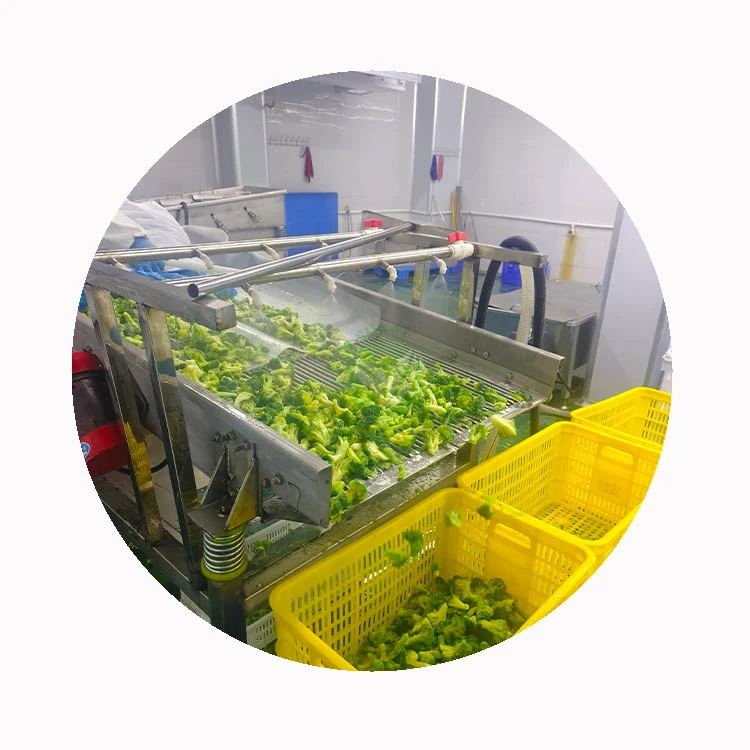
XMSD Experience 1: Separate Recipe Water From Factory Process Water
In frozen-vegetable discussions, we separate three streams that are often called "broccoli water." One is water released as a frozen piece warms. Another is the consumer's or kitchen's cooking liquid. The third is water used for washing, blanching, cooling, or sanitation in a processing facility. They have different controls and permitted destinations.
A household may decide to keep a clean pot liquid in soup. That choice does not make industrial blanch water a saleable ingredient. A facility process stream can carry soil, fine vegetable solids, changing organic load, cleaning residues if segregation fails, and material from many lots. Water quality, flow direction, filtration, replenishment, temperature, sanitation, hazard analysis, monitoring, and disposal all belong to the facility's defined control system.
When a commercial project proposes recovered process water as an ingredient, we ask for a designed food-use pathway rather than a sustainability slogan. The team must establish potable-water requirements, hazards, treatment, holding time, microbial control, composition variability, recipe effect, labeling implications, regulatory acceptance, traceability, and corrective action. Without that validated route, the stream remains process water.
For buyers, the practical request is a process description appropriate to the product and destination. The XMSD food-processing application pathway helps frame the intended use. Ask which facility and line will make the order, then review the relevant water, blanching, cooling, foreign-material, and traceability controls within that scope.
Representative Scenario 2: A Central Kitchen Sets a Reuse Limit
A central kitchen makes 100 portions of broccoli soup at 250 ml per portion. Its target is approximately 25 liters after blending and adjustment. The recipe uses frozen broccoli florets for garnish and smaller pieces for the puree. A preliminary cook produces six liters of green cooking liquid that passes the kitchen's sensory check.
Worked example: The development batch uses 6 L of freshly generated broccoli liquid, 10 L of approved stock, and other ingredients, then adjusts with potable water to the 25 L finished target after blending. The six-liter value is a recipe input, not a nutritional claim. Salt and solids are measured in the complete batch before the formula is approved.
The kitchen writes a maximum reuse amount because the liquor becomes stronger as cooking load and evaporation change. Each production batch records broccoli code, frozen input, water input, cook time, recovered volume, salt, sensory acceptance, time of transfer, and finished yield. Liquid not used in the same controlled production window follows the operation's approved cooling or disposal rule.
This scenario performs a formulation and process-control function, unlike the household's waste-reduction decision. The kitchen must reproduce flavor, viscosity, sodium, food safety, and portion yield across many servings. Its result applies to the named broccoli, equipment, load, and recipe. A different floret size, blanch condition, or stock formulation triggers another test.
If the menu promises nutrition values, the finished recipe requires an approved calculation or analysis under the business's normal labeling method. Composition cannot be inferred from green color or from a paper that cooked another cultivar at another water ratio. Operational reuse and nutrition substantiation are separate approvals.

XMSD Experience 2: Prevent Double-Cooking Before Measuring Yield
For a frozen broccoli program, our first application question is the final texture. A garnish needs intact crowns and controlled stem length. A puree can accept smaller pieces and softer output. A ready meal must survive filling, freezing or chilled holding, reheating, and service. The same boiling step can be appropriate for one path and destructive for another.
We inspect the frozen sample before heating: free flow, frost, clumps, floret-size distribution, stem proportion, fines, color, odor, and foreign matter. Then we cook a defined mass in the buyer's actual method. Frozen input, water input, time to return to heat, endpoint, drained output, loose buds, free liquid, color, and bite go into one record.
That record prevents the cooking liquid from becoming a distraction. A kitchen may celebrate dark green water while the florets have lost the texture and appearance required for service. Another may discard nearly clear water yet stop at a good tender-crisp endpoint. The accepted meal, not liquor color, defines success. Our frozen broccoli range is a starting point for form selection, not a substitute for the cook test.
Pack size enters the same calculation. A five-kilogram inner bag may suit a kettle batch but create repeated openings and remainder handling in a smaller kitchen. A retail pack may reduce open time while increasing packaging per kilogram. The XMSD packaging overview helps connect inner pack, carton, pallet, cold-chain handling, and the customer's batch pattern.
Specify the Broccoli Before Debating Its Water
A commercial buyer receives broccoli, not an abstract cooking method. Begin your brief with product identity: broccoli species or accepted common name, fresh or frozen state, floret, cut, chopped, or other style, nominal dimensions, stem-length expectation, crown-to-stem balance, and allowed ingredients. Clarify whether the item is blanched and whether it must be cooked before consumption.
Quality fields should describe what the receiving team can inspect. Agree on size distribution, fines and loose buds, yellow or brown material, fibrous stems, foreign matter, grit, silt, odor, color, frost, dehydration, clumps, and package integrity. Name the sampling plan and lot definition. A single beauty photograph tells little about distribution across a shipment.
Food-safety and compliance fields stay separate from appearance: microbiological criteria and methods, pesticide-residue requirements, traceability, foreign-material controls, facility scope, destination rules, labels, documents, and temperature conditions. Confirm requirements for the selected plant and product rather than copying a general certificate list into the purchase order.
Application fields translate the specification into use. Record frozen mass, kettle or pan, water or sauce volume, cooking curve, drainage, hold, reheat, texture endpoint, acceptable breakage, final color, and usable yield. If liquid retention is part of the formula, define its maximum amount, salt or solids check, transfer time, and disposition of any excess.
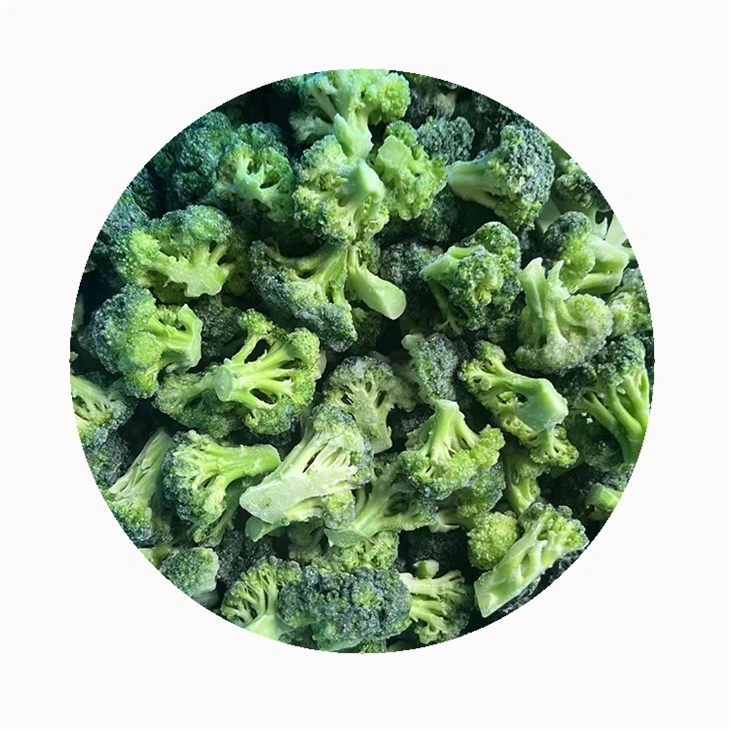
The detailed XMSD IQF frozen broccoli page shows common product-form and sourcing directions. Use those possibilities to write a project brief, then confirm availability, tolerances, plant scope, packing, sample, and documents for the actual order.
Keep the Decision Proportional to the Claim
For an ordinary kitchen, the answer can stay simple. Use clean inputs, cook for the food's intended endpoint, taste the liquid, and retain it only in a dish that benefits from it. Eat the broccoli as well. If storage is involved, treat the liquid as a cooked leftover and apply timely cooling, refrigeration, and reheating controls.
For someone following a medical diet, the personal instruction takes priority. Reusing water from a deliberate boiling or leaching step may return the material the method was intended to remove. Ask the clinician or registered dietitian how the vegetable should be prepared, what portion fits, and whether the liquid belongs in the meal.
For a commercial recipe, turn reuse into a controlled ingredient decision. Define the product, process, maximum liquid amount, sensory and composition checks, time-temperature route, finished-yield calculation, and label review. Keep factory process water outside that route unless a specifically designed and approved recovery system establishes it as suitable food input.
Broccoli cooking water is neither worthless nor magical. It is one variable created by a cooking method. Its best destination may be soup, sauce, grain, cooling and disposal under local rules, or the drain. The right choice comes from the actual batch and use-not from a universal benefit attached to green water.
XMSD sourcing note: Share the broccoli style, cut range, stem preference, application, cook test, pack, volume, destination, and document list. We can review a suitable frozen broccoli and sampling route.
References
- Vallejo, Tomás-Barberán, and García-Viguera - Health-promoting compounds and antioxidant activity of broccoli after domestic processing
- Jones et al. - Cooking method, glucosinolate content, sulforaphane production, and residual cooking water in broccoli
- Yuan et al. - Effects of different cooking methods on health-promoting compounds of broccoli
- Miglio et al. - Cooking methods, color, phytochemical concentration, and antioxidant capacity of fresh and frozen Brassica vegetables
- U.S. Food and Drug Administration - Selecting and Serving Produce Safely
- FoodSafety.gov - People at Risk of Food Poisoning, leftover cooling and storage guidance
- National Institute of Diabetes and Digestive and Kidney Diseases - Healthy Eating for Adults with Chronic Kidney Disease
- Nutrition.gov - Broccoli Potato Soup, an example of cooking broccoli within a retained recipe liquid
- XMSD operational perspective on broccoli cut inspection, controlled cooking, recipe-liquid decisions, factory water streams, packing, and specification control.