


XMSD Shiitake Stem Safety Guide: Toxicity, Texture and Use
Jun 04, 2019

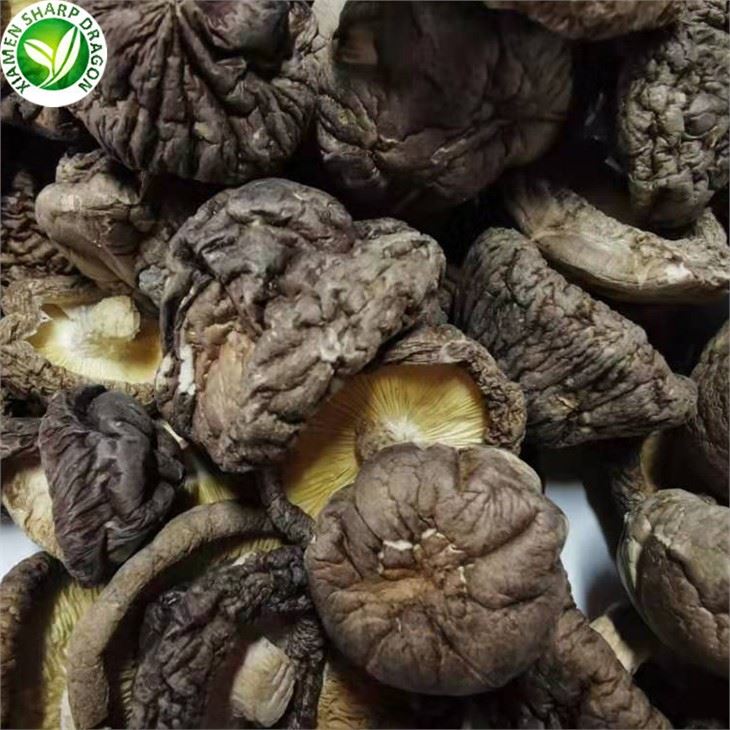
The stem of a correctly identified, cultivated shiitake mushroom is not a separately poisonous part. Food authorities recognize shiitake and its stem as food material. Chefs often remove the stem because it is firmer, stringier or woody-especially near the attachment end-not because the cap is safe while the stem contains a unique poison.
That answer has important limits. It applies to sound commercial shiitake identified as Lentinula edodes, not to an unknown foraged mushroom, a decayed lot or material contaminated by substrate and foreign matter. It also does not make raw or undercooked shiitake the recommended use: official safety advice links raw or insufficiently cooked shiitake with flagellate dermatitis in some people. Treat identity, condition, cooking and texture as four separate decisions.
The short answer: Sound cultivated shiitake stems are edible food material, but their texture can be unsuitable for a visible whole-piece dish. Trim the hard base, cook the mushroom adequately, and use a texture trial to decide whether the remaining stem stays whole, is sliced or minced, goes to a controlled stock or powder stream, or becomes application trim.

Why the stem is often discarded
Shiitake stems contain structural tissue that supports the cap. Their fiber direction and density create a firmer bite than the cap, and the bottom end can dry or carry a compressed attachment point. A recipe that says "remove stems" is usually protecting tenderness and presentation. It is not evidence that the stem alone contains a dangerous compound.
Firmness varies. Young fresh mushrooms can have a usable upper stem; mature fresh stems may become tougher. A dried stem needs hydration and still may not match the cap. A frozen cut can arrive with a defined stem proportion and different water release. Cut thickness, direction across or along the fiber, heating method and hold time all change the sensory result.
Do not use chewing difficulty as a toxicity test. A tough stem can be sound, while a soft piece can still be decayed, contaminated or incorrectly identified. We keep sensory inspection and safety release in separate columns because they answer different questions and trigger different actions.
The broader whole-shiitake cap, stem and yield guide explains how to allocate the complete fruiting body. This page stays narrower: it corrects the poison claim and shows the safety gates that must remain even when a stem is technically edible.
| Observation | What it indicates | Action |
|---|---|---|
| Firm, stringy sound stem | Texture or application issue | Trim, cross-cut, mince or redirect after a trial |
| Dry substrate-bearing base | Preparation and cleanliness issue | Trim to the written standard |
| Sliminess, decay or abnormal odor | Condition failure | Hold the affected material under the lot procedure |
| Unknown wild mushroom | Identity not established | Do not use a stem feature to declare it edible |

Identity comes before the stem question
A stem that splits lengthwise, looks white or has a particular texture cannot prove that a mushroom is edible. The Tokyo Metropolitan Government specifically warns that stalk splitting is a false identification rule because poisonous mushrooms can share that feature. Use a traceable cultivated shiitake supply rather than a visual folk test.
FDA laboratory guidance lists shiitake among cultivated edible fungi and notes that authentic specimens, microscopic examination, spore prints and chemical methods may be needed when toxic or non-edible species are suspected. That is a specialist identification problem. A kitchen photograph or the absence of a strong odor cannot replace it.
For commercial receiving, keep the product name, scientific identity where specified, supplier, production site, lot code, pack label and traceability documents together. If the pack identity conflicts with the order, the mushrooms look materially different from the approved reference or mixed species appear, hold the lot. Do not sample-cook an unknown piece to decide whether it is safe.
Cultivated origin reduces the wild-identification problem but does not remove ordinary food controls. Review growing and harvesting practices, contamination controls, foreign material, hygiene, packaging, storage and distribution. "Cultivated shiitake" establishes the food identity; it is not a blanket release of every condition found in every case.
Raw and undercooked shiitake require a separate warning
The stem is not uniquely poisonous, but raw or undercooked shiitake can cause a distinctive itchy skin eruption called flagellate dermatitis in some people. ANSES advises cooking shiitake thoroughly and reports that symptoms can appear within hours or days and persist for weeks. This concern applies to shiitake consumption, not only to the stem.
Do not convert individual experimental temperatures or case reports into one universal kitchen setting. Piece thickness, moisture, appliance, load, heating medium and actual internal exposure differ. Follow authoritative destination guidance and the validated directions for the purchased product. If a commercial product says cook before eating, retain that instruction through repacking, recipes and foodservice procedures.
The queued raw shiitake safety article owns the full raw-versus-cooked intent. Here the practical point is narrower: removing the stem does not make a raw cap risk-free, and keeping the stem does not create a special toxin that was absent from the cap.
Safety note: If severe itching, a widespread rash, breathing difficulty, facial swelling, repeated vomiting or another serious reaction follows mushroom consumption, seek qualified medical advice promptly. Keep the product label, lot information and any remaining sample for the investigation rather than trying another portion.
Condition failures that make an edible stem unacceptable
Edible identity does not override decay. Reject or hold mushrooms with condition outside the agreed specification: visible decay, abnormal wet breakdown, unacceptable odor, extensive discoloration associated with deterioration, insect damage above the limit, or foreign material. The exact disposition depends on the lot plan and scope of the finding, but cutting away a small visible area cannot prove that surrounding high-moisture tissue is acceptable.
Surface dryness is not the same as decay. Dried shiitake should be dry by design; fresh or frozen mushrooms can show dehydration or freezer damage that mainly affects quality. Record form, pack condition, storage history and odor before deciding. Separate a hard lower stem caused by normal structure from tissue that became hard or dark after mishandling.
Substrate at the base is not food merely because it is attached to an edible mushroom. Define how much base is removed, how residual substrate is measured and whether trimming occurs before or after freezing or drying. A stem can be edible above the trim line while the attachment end still fails cleanliness or foreign-material requirements. Review the applicable controls and evidence on the XMSD certification page, then write the product-specific cleanliness and foreign-material limits into your order.
Keep allergens and cross-contact within the complete product review. Shiitake itself is not one of the U.S. major food allergens, but a prepared mushroom product can contain soy, wheat, sesame, milk or another declared ingredient. Oil, sauce, seasoning and shared equipment can change the label and risk. A plain-stem answer cannot be transferred to a coated or seasoned retail item.

How to decide if the stem fits your product
Start with the finished bite. A visible slice on pizza, a whole piece in hotpot, a fine dice in dumpling filling, a smooth sauce and a filtered stock do not need the same stem texture. We would not force the stem into a premium visible piece merely to claim zero waste. We would test the least destructive cut that meets the application.
For fresh or hydrated stems, trim the dry base and cut across the fiber at controlled thicknesses. Cook the coded samples with the same formula and load. Score chewiness, stringiness, flavor, visible contrast, water release and performance after the planned hold. If the stem is still objectionable, reduce the cut, lower the inclusion or use another controlled stream.
Practical example: A central kitchen compares cap-only filling with mixtures containing 10%, 20% and 30% finely cross-cut stem material by mushroom weight. The same hydrated lot, 3 mm cut, cook and hold are used. If the 20% sample matches the approved bite but the 30% sample becomes stringy, the kitchen can set 20% as its tested working maximum for that exact process. It is an application result, not a universal safety limit.
For stock, control the stem stream as food. Protect it from contamination after trimming, identify the source lot, limit the holding interval, use the approved thermal process and filter as defined. A scrap bin accumulated across unrelated lots is not equivalent to a traceable ingredient batch.
For powder or seasoning, drying and milling introduce their own controls. Specify identity, moisture, particle size, microbiology, foreign matter, flavor, pack barrier and shelf life. Research showing that stem powder can be incorporated into foods supports product development, but it does not validate an untested inclusion rate or a health claim for your formula.
Build a receiving test your team can repeat
A useful inspection must distinguish an isolated piece from a lot pattern. Before opening cases, record the lot code, product temperature or dried-pack condition, seal condition, case count and pallet location. Pull samples across the load rather than taking the easiest top case. Keep each case identity during the first review; otherwise you cannot tell whether excessive hard bases or mixed cuts are concentrated in one packing run.
Define stem categories before counting. One workable set is: cap with acceptable attached stem, sound separated stem suitable for the named application, normal base trim, hard or oversized stem outside the quality limit, and condition reject. Photograph a reference piece for each category beside a ruler. Weigh the categories separately and reconcile their total to the starting sample. If the weights do not balance within the scale tolerance, repeat the sort before using the result for a claim.
Run the texture decision on prepared product, not only on a frozen or dry piece. Use the agreed hydration where relevant, the production cut, a representative batch size, the same heat process and the intended service hold. Code the test portions so the panel is not told which one contains more stem. Record an anchored result such as acceptable, noticeable but acceptable, or unacceptable stringiness. "Tough" without a method gives the supplier no reproducible correction target.
Inspection example: A buyer opens five cases from different pallet positions and sorts a 2.0 kg sample from each case. Four cases contain 6% to 8% hard lower-stem trim, while one case contains 19%. A simple 10 kg average would hide the clustered failure. The buyer holds the affected packing group, keeps the other groups identified, and asks the supplier to trace the cutting shift before deciding whether rework, concession or rejection is appropriate.
Retain enough sample for confirmation after a disagreement. Record the scale identification, date, operator, sample mass, case positions, photographs, cooking method and sensory panel. The supplier should be able to reproduce the cut and preparation rather than debate whether a photographed stem "looks edible." This evidence also prevents a quality complaint about woody texture from being mislabeled as poisoning, while ensuring an illness allegation follows the separate food-safety escalation route. Keep those two investigation records distinct from the first notification onward, and preserve the chain of custody for any safety sample.

Calculate whether the usable stem changes real cost
Do not compare two mushroom lots only by delivered price. Record the mass that becomes approved cap use, approved stem use, normal base trim and genuine reject. Use non-overlapping categories. A stem kept for a tested filling is usable mass; a hard base removed to meet the trim standard is not.
Worked example: illustrative stem-use and cost calculation
A trial starts with 250.0 kg of prepared shiitake. It yields 176.0 kg approved cap material, 42.0 kg sound stem material that passes the fine-dice trial, 12.0 kg normal base trim and 20.0 kg non-overlapping condition or specification rejects.
Usable mass = 176.0 + 42.0 = 218.0 kg. Usable yield = 218.0 ÷ 250.0 = 87.2%.
At a delivered lot cost of USD 1,050, cost per usable kilogram = 1,050 ÷ 218.0 = USD 4.82/kg.
If every sound stem were discarded, usable cap yield would be 176.0 ÷ 250.0 = 70.4%, and raw-material cost per usable cap kilogram would be USD 5.97. The lower whole-lot cost is real only if the 42.0 kg stream passes texture, handling and food-safety controls.
Add labor, cooking loss and finished defects before approving the change. Fine dicing can recover mass but consume time. Stem inclusion can alter water binding or machine behavior. Repeat the calculation on cooked, accepted output. A raw-material yield gain that causes filling rejects or customer complaints does not improve the final economics.

Specify stem treatment instead of arguing about poison
Write the commercial form first: fresh, dried or frozen; whole, caps, slices, dice or stems and pieces. For a whole product, define stem length and base trimming. For a cut product, define permitted stem proportion, piece-size distribution and whether cap and stem are distinguished in inspection.
Then separate safety and quality criteria. Safety and compliance may include identity, source approval, microbiological and contaminant controls, foreign material, processing instruction, traceability and destination requirements. Quality may include color, aroma, cap-to-stem distribution, toughness, breakage, dehydration, freezer condition, hydration yield and cooked texture.
Define the sample method. Open cases from different pallet positions, randomize pieces and record counts and weights. If hard bases or excess stems cluster by case, a composite average can hide the operational problem. Set the hold and disposition rule before arrival so the result leads to a documented action.
Use the live XMSD frozen shiitake range to identify relevant whole or cut starting forms. Review processing and quality evidence when qualifying the route. Neither page replaces your product-specific acceptance method or destination compliance review.
Add change control for cultivar, maturity, stem-cutting position, drying, hydration, cut size, blanching or cooking process, freezing line and packaging. A supplier can keep the same sales name while one of those variables moves the bite. State which change triggers a new sample or application trial.

Questions that close the safety decision
Is the brown or white color of a stem proof of safety? No. Color varies with product and processing, and appearance cannot authenticate an unknown species. Use traceable cultivated identity and inspect condition against an approved reference.
Does removing the stem make raw shiitake safe? No. The raw or undercooked dermatitis concern applies to shiitake consumption more broadly. Removing one anatomical part is not an adequate-cooking control.
Can a woody stem be used for broth? A sound, traceable stem may be used in a controlled broth process. Trim substrate, protect the separated stream, keep its lot identity and follow the approved cooking, filtration, cooling and holding method.
Should every stem be kept? No. Edibility does not guarantee application fit. Remove the base, reject failed condition and keep only the mass that passes the selected cut and cooked-texture test.
What should accompany a complaint? Send product name, supplier, lot, pack and storage condition, photographs, cap and stem observations, preparation method, dates, symptoms if relevant and retained sample details. Do not collapse "too tough," "spoiled" and "caused a reaction" into one complaint category.
Send the stem treatment your application requires: Include fresh, frozen or dried form; whole or cut style; permitted stem definition; trim line; intended cook; pack; volume; destination and required documents.
Use the XMSD inquiry form to submit the brief. We will review format fit and coordinate the sample around your cooked-texture and usable-yield method.
References
- Taiwan Food and Drug Administration, Clarification on Shiitake Stems as Traditional Food Materials
- ANSES, Importance of Thoroughly Cooking Shiitake Mushrooms
- Shiitake Dermatitis: Review and Case Discussion
- Tokyo Metropolitan Government, Mushroom Food Poisoning and False Identification Beliefs
- U.S. FDA, Macroanalytical Procedures Manual V-11, Mushroom Identification
- Food Chemistry, Cap, Stem and Whole-Shiitake Powder in Noodle Formulation
- USDA Agricultural Marketing Service, Mushrooms Grades and Standards