


Are Figs Healthy? A Portion and Product-Form Assessment
Sep 18, 2019

Plain figs can fit a healthy eating pattern: they are fruit, provide carbohydrate and fiber, and are low in fat and sodium in USDA reference data. "Healthy," however, describes the complete diet, portion and product-not a promise that figs prevent disease or suit every person in every amount.
Raw figs are mostly water, while dried figs are concentrated. Frozen unsweetened figs are compositionally closer to fresh fruit, though thawed texture changes. Syrup, sugar, pastry, cheese or chocolate additions belong in the assessment because the finished food is more than its fig content.
Use a three-part test: identify the form and ingredients, calculate the actual serving, then ask whether it substitutes for another food or simply adds energy. This gives a better answer than assigning figs a miracle-food label.
Short answer: plain fresh or unsweetened frozen figs are reasonable whole-fruit choices. Dried figs can also fit, but their smaller, denser portion and any added sugar need explicit attention.

Healthy Is a Pattern-Level Judgment
The current U.S. Dietary Guidelines for Americans, 2025–2030 prioritize whole, nutrient-dense foods, including fruits, and advise limiting highly processed foods and added sugars. That framework supports plain fruit without claiming that one fruit determines health.
A fig portion can contribute fruit and fiber within that pattern. It cannot compensate for an otherwise unbalanced diet, and it does not create immunity, delay aging or whiten skin. Those outcomes were asserted in the old copy without appropriate human evidence.
Ask what the figs replace. Plain figs replacing a highly sweetened dessert changes the meal differently from figs added on top of the same dessert. Substitution can alter total energy and added sugar; addition usually increases total intake unless another component decreases.
Personal needs also vary. Serving size, total carbohydrate, fiber tolerance, medications, allergies and medical nutrition instructions can change the answer. A general food article cannot replace individualized clinical advice.
What USDA Reference Data Say About Raw Figs
USDA legacy reference data for 100 g of raw edible figs report 74 kcal, 79.11 g water, 19.18 g carbohydrate, 16.26 g total sugars, 2.9 g dietary fiber, 0.75 g protein, 0.30 g fat and 1 mg sodium.
These numbers describe an analytical reference mean, not every cultivar or lot. Growing conditions, maturity, storage and sample method cause variation. A product label follows its destination rules and serving basis rather than copying a database entry without review.
The high water fraction makes raw figs less energy-dense by weight than dried figs. Fiber is present, but 2.9 g per 100 g does not justify promising a digestive outcome. The FDA Daily Value for fiber is 28 g, so the reference amount is about 10% DV before label rounding and serving rules.
Raw figs also contain potassium, calcium, magnesium and other micronutrients in measured amounts. The presence of a nutrient is not evidence that one serving treats deficiency, strengthens immunity or changes a clinical endpoint.
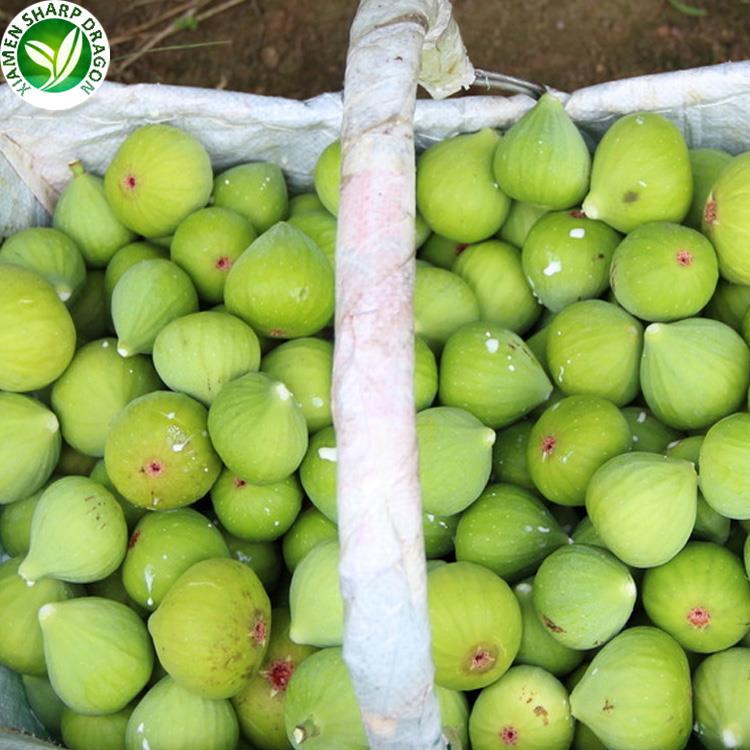
Fresh and Unsweetened Frozen Figs Are Close in Formulation Logic
Freezing changes texture more than basic ingredient identity. Plain frozen figs still contain the whole edible skin, receptacle and internal fruitlets. Ice-crystal damage makes the thawed fruit softer and releases liquid.
If the complete thawed pack enters a smoothie or sauce, retain the liquid in the serving calculation. If fruit is drained, the composition of the drained portion differs from the as-sold net weight, and usable yield falls.
Check the ingredient statement. "Frozen figs" and "figs in sweetened syrup" are not the same product. Added sugar must be counted separately from sugars naturally present in the fruit under applicable labeling rules.
The XMSD frozen fig direction is a form reference. Confirm the actual recipe, treatment, net-weight basis and nutrition data for the offered product.
Dried Figs Are Denser, Not Inherently Unhealthy
USDA's dried-fig reference reports 249 kcal, 63.87 g carbohydrate, 47.92 g total sugars and 9.8 g fiber per 100 g. The difference from raw figs is mainly water removal: dried reference fruit contains about 30.05 g water per 100 g versus 79.11 g in raw fruit.
Equal 100 g portions therefore represent very different quantities of original fruit solids. Dried figs supply more energy, sugars and fiber in the same weight and occupy less volume. A sensible comparison uses the portion normally eaten, not equal piece count or visual size.
Plain dried figs can fit a dietary pattern. A sweetened dried product or fig confection needs its complete ingredient statement. "No added sugar" does not mean "sugar free"; it distinguishes formulation sugar from total sugars already in fruit.
Use the XMSD dried-fruit family to compare possible forms, then verify moisture, serving, additives and label data for the specific SKU.

Worked Example: Compare Realistic Raw and Dried Portions
Worked example: use USDA reference means for a 150 g raw portion. Energy is 74 × 1.5 = 111 kcal; total sugars are 16.26 × 1.5 = 24.39 g; fiber is 2.9 × 1.5 = 4.35 g.
For a 40 g dried portion, energy is 249 × 0.40 = 99.6 kcal; total sugars are 47.92 × 0.40 = 19.17 g; fiber is 9.8 × 0.40 = 3.92 g. The much smaller dried weight delivers similar reference energy and fiber to the larger raw portion.
This does not rank one portion as universally better. The raw portion offers more water and volume; the dried portion is compact and portable. Choose the form that fits the meal, appetite and total intake.
The calculation is not a label. Cultivar, moisture, added ingredients and serving rules change the figures. Use product-specific nutrition data for packaging or a controlled diet plan.
Natural Sugars Still Count in the Serving
FDA labeling distinguishes total sugars from added sugars. Naturally occurring fruit sugars remain within total carbohydrate and energy even when no sugar was added. A "no added sugar" statement must be true for the formulation and legally appropriate.
Syrup, honey or concentrated juice used as a sweetener changes the finished product. A fig bar also includes flour, fat and other components. Calling it fruit does not make the complete food nutritionally equivalent to plain figs.
For people tracking carbohydrate, use the labeled serving and actual portion. A bowl of chopped dried figs can weigh much more than an assumed small serving because the pieces pack tightly.
Do not respond by treating fruit sugar as poison. The practical action is portion transparency and complete-food comparison. A dietitian or clinician can set an individualized carbohydrate target when medical management requires one.

Fiber Is Useful Composition Evidence, Not a Treatment Promise
Figs provide dietary fiber in USDA reference data. Fiber contributes to the overall diet, but the amount and individual response matter. One food's fiber content does not prove it will cure constipation or produce the same effect in every person.
A small randomized trial studied fig paste in 80 adults with functional constipation for eight weeks and reported improvements in several outcomes. That trial concerns one paste intervention, population and protocol; it does not justify a universal treatment claim for any fig product.
Increasing fiber rapidly can cause discomfort in some people, especially if the serving of dried fruit is large. Start with a portion that fits your usual pattern and consider fluid intake and the rest of the diet.
Persistent constipation, pain, bleeding or a sudden bowel change requires healthcare assessment rather than a larger serving of figs. Food copy should not redirect medical symptoms into product consumption.
Antioxidant Compounds Do Not Prove Anti-Aging Effects
Research identifies phenolic compounds and antioxidant activity in figs, with variation by cultivar, tissue, maturity and method. Laboratory antioxidant capacity describes chemical behavior under test conditions; it is not a direct measure of human aging or disease prevention.
Reviews of fig phytochemistry include many cell, animal, extract and leaf studies. Those forms and endpoints differ from eating a normal serving of whole fruit. Evidence cannot be transferred across species, extracts, doses and outcomes without relevant human trials.
The old claims about whitening skin, delaying aging and enhancing immunity are therefore removed. A defensible description focuses on measured nutrients and food form, not dramatic biological promises.
For product copy, "contains figs" states identity. Any antioxidant content or health claim needs applicable analytical substantiation, serving qualification and destination-market review.
Substitution and Addition Produce Different Results
Practical example: 150 g plain raw figs replace a 300 kcal sweetened dessert. Using the USDA reference, the figs contribute about 111 kcal, so the substitution lowers this meal component by about 189 kcal before any toppings.
If the same figs are added after the dessert, the meal increases by about 111 kcal. The fruit did not change; the role changed from replacement to addition. This distinction matters more than the word "healthy."
Cheese, nuts or yogurt can create a satisfying combination and add protein or fat, but their energy and sodium still count. Honey or syrup adds sweetness and added sugars. Assess the composed serving rather than assigning the fruit's reputation to every recipe.
A commercial recipe calculation should use exact ingredient weights and finished yield. A photograph or front-of-pack fruit percentage cannot replace the Nutrition Facts basis.

When a Smaller Portion Makes Sense
Reduce the portion when dried fruit's compact density makes your intended serving easy to exceed, when a recipe includes syrup or other sweeteners, or when figs are an addition rather than a replacement.
A smaller trial portion also makes sense if a rapid increase in fiber causes discomfort. Keep the rest of the meal and personal tolerance in view instead of escalating intake because a food is marketed as natural.
People following a clinician-directed plan for diabetes, kidney disease, digestive conditions or medication interactions should use that individualized advice. Database values and general serving examples cannot set a therapeutic diet.
If allergy or an adverse reaction is suspected, stop the food and seek appropriate professional guidance. Do not test a reaction by increasing the serving.
Read the Product Label by Form
Start with serving size and servings per container. Then read calories, total carbohydrate, fiber, total sugars, added sugars, sodium and the ingredient statement. FDA notes that %DV shows how one serving contributes to the daily reference amount.
Five percent Daily Value or less is generally considered low and 20% or more high for an individual nutrient. These guides evaluate a nutrient per serving; they do not certify the entire product as healthy.
Compare forms on the same basis. A 40 g dried serving against a 150 g raw serving answers a realistic portion question. A 100 g-to-100 g table answers composition density. Both are useful when their basis is named.
Within the XMSD product range, identify plain fruit versus formulated preparations before comparing labels. Product-family language is not finished-pack nutrition data.

B2B Nutrition Copy Needs Product-Specific Evidence
Specify Ficus carica, fresh/frozen/dried/purée form, ingredients, analytical basis, serving, preparation state and destination market. Raw USDA values cannot be presented as measured results for a sweetened frozen preparation.
For private-label development, formulate first, establish finished yield, calculate or test the complete product, and review claims under applicable rules. Recheck after recipe or serving changes.
For foodservice, provide portion weights and ingredient disclosure that reflect the served dish. A fig topping plus sweetened base should not be described from the fruit alone.
Keep composition claims, dietary-pattern guidance and disease claims in separate evidence tiers. When evidence supports only composition, stop at composition.
Whole Pieces, Purée and Juice Are Not Identical Experiences
Whole or cut figs retain skin, fruitlets and visible structure. Purée can retain those solids while changing particle size and eating rate. Juice or a heavily screened preparation can remove part of the insoluble material. The ingredient statement and process determine which description applies.
Do not assume every purée is nutritionally identical. Screening, dilution, concentration, heat treatment and added ingredients alter the product. Request a process description and finished analysis when the form supports a label claim.
Eating rate and portion visibility also change. A person can see three whole figs but may not recognize how much fruit enters a large blended drink. State grams or millilitres and servings per container so the finished quantity stays interpretable.
For a frozen smoothie pack, decide whether the fruit is the complete portion or one component mixed with juice, sweetener, dairy or other fruit. The health assessment belongs to the prepared serving, not the most favorable individual ingredient.
Processing Quality and Nutritional Quality Are Separate Checks
A nutritionally simple ingredient can still be poor-quality food if it is spoiled, contaminated or mishandled. Sound fruit, hygienic processing, cold-chain control, packaging integrity and applicable microbiological criteria remain essential.
Freezing does not make an unsafe fruit safe and does not eliminate every microorganism. Keep frozen product at the specified storage condition, inspect damaged cartons and follow the validated preparation or kill step for the application.
Conversely, a soft thawed texture is not automatically a nutritional loss or safety failure. Ice-crystal damage changes physical structure. Judge thawed pieces against the declared use, while handling safety and composition remain their own evidence fields.
A receiving review should therefore separate identity, condition, food-safety documentation, composition and application performance. One pass/fail word cannot explain all five.

Use an Evidence Ladder for Every Claim
At the first level, product analysis can support composition: grams of fiber, total sugars or potassium per serving. At the second, dietary guidance can explain how fruit fits an overall pattern. Neither level automatically establishes treatment or prevention of disease.
Human intervention evidence sits higher, but details matter: sample size, comparator, duration, dose, population, endpoint, product form and replication. A trial of concentrated fig paste in adults with a diagnosed condition is not evidence for a child, a raw fig or a different outcome.
Cell and animal studies can suggest mechanisms for further research. They cannot demonstrate that a normal serving in humans has the same effect. Extract concentration may exceed what eating fruit can deliver, and fig leaves are not equivalent to edible fig fruit.
When marketing copy moves from "contains fiber" to "improves digestion" or from "phenolic compounds measured" to "delays aging," it crosses evidence tiers. Stop, identify the claimed endpoint and ask for the human evidence and permitted regulatory route.
If that support is absent, use the lower, accurate statement. Proportionate wording protects the consumer and gives the commercial team a claim it can document.
XMSD sourcing note: Share the required fig form, ingredient constraints, serving basis, application and label market. We can review a frozen format and product-specific evidence needs.
Final Answer From XMSD
Plain figs can fit a healthy dietary pattern as fruit that provides carbohydrate and fiber. Fresh and unsweetened frozen forms have more water by weight; dried figs are compact and nutrient-dense, so a smaller weight can deliver similar energy to a larger raw portion.
Judge the actual serving, ingredients and role in the meal. Figs do not become a treatment because they contain nutrients, and miracle-food language does not replace evidence. Product-specific calculation, a clearly stated comparison basis and proportionate claims give the reliable answer for both plain fruit and formulated products.
References
- USDA Food and Nutrition Service: Dietary Guidelines for Americans, 2025–2030
- USDA National Nutrient Database SR28: Raw and Dried Fig Reference Data
- USDA FoodData Central
- U.S. FDA: Daily Value on Nutrition Facts Labels
- U.S. FDA: Added Sugars on the Nutrition Facts Label
- Baek et al. Randomized Controlled Trial of Fig Paste in Functional Constipation
- Review of Fresh and Dried Fig Chemistry, Antioxidant Capacity and Health Evidence
- XMSD operational experience in frozen-fruit form, serving-basis specifications and evidence review.