


10 Strawberry Recipes
Aug 22, 2023

These ten recipes are hypothetical starting formulas for a small trial, not recipes tested by XMSD. Check the strawberry ingredient and intended use before choosing a dish. For uncooked smoothies, parfaits, coulis, shortcake or salsa, use washed fresh berries or frozen berries explicitly suitable for ready-to-eat use. If a frozen pack requires cooking, follow its directions before cooling and using it; if its intended use is unclear, ask the supplier or choose another product. Freezing does not reliably destroy viruses. Weigh the fruit and record the result before scaling.
Batch rule: all weights below are metric starting points. Keep a record of fruit form, thawed mass, added liquid, heating loss, final yield, and storage condition. A recipe that works in a home bowl can fail in a plant when free liquid, portion size, or holding time changes.
How to use this recipe set
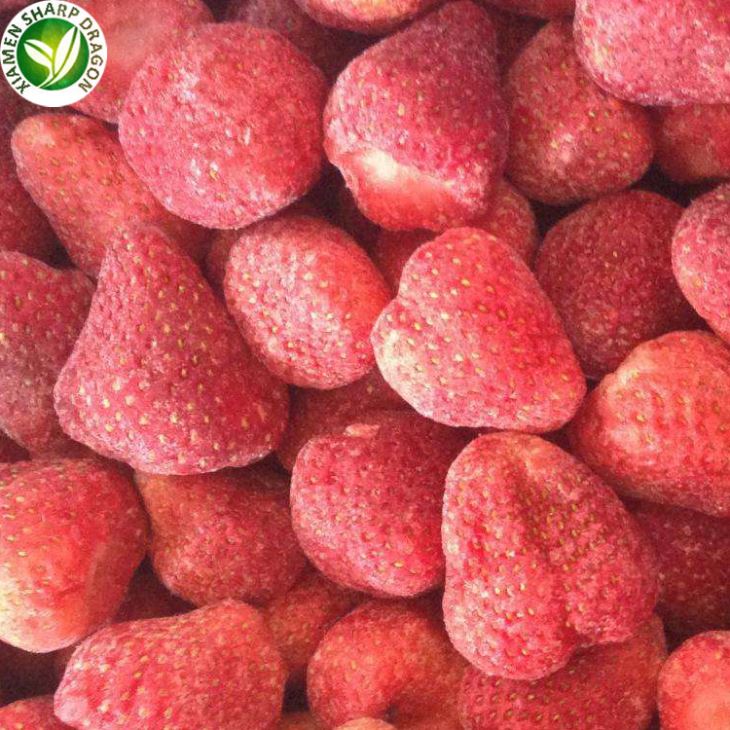
Fresh berries give a firm, immediate eating texture. Plain frozen berries give availability, coldness, and a useful base for blending or cooking, but thawing releases juice and softens cell structure. Freeze-dried pieces are a different ingredient: they are light and crisp but absorb moisture quickly. Use the form that matches the final food rather than assuming the three forms are interchangeable.
For a commercial kitchen, calculate the recipe by finished yield. In a hypothetical trial, 1 kg of fruit produces 920 g of usable cooked or drained fruit; ingredient cost per usable kilogram is therefore higher than the input price suggests. For a factory, set the cut, ingredient statement, pack and destination before comparing suppliers. The frozen strawberry range is a starting point; measure the approved formula using the actual product and equipment.
1. Frozen strawberry smoothie

Illustrative photo: Maffeth.opiana, CC BY-SA 4.0; resized. The image does not document this trial recipe.

Starting formula: 700 g input for about two servings
Use 308 g plain frozen strawberries suitable for ready-to-eat use, 196 g chilled milk or plant beverage, 140 g plain yoghurt, 42 g ripe banana and 14 g syrup or honey. Add liquid, yoghurt, banana and frozen fruit in that order. Start slowly, increase speed and stop when uniform. Alternatively, use berries cooked as directed, safely cooled and refrozen for blending. Weigh any added ice or liquid and record it; the 700 g input may yield less after blending losses.
For a stronger strawberry profile, replace the banana with 42 g extra fruit and compare the body. Check colour, seed sensation, finished temperature, foam, and separation after five minutes. If the product is sold ready to drink, approve the recipe with the real cup, straw, and service interval.
2. Strawberry jam from frozen fruit

Illustrative photo: Evan Swigart from Chicago, USA, CC BY 2.0; resized. The image does not document this trial recipe.

For a small refrigerator spread trial, combine 700 g frozen strawberries, 350 g sugar and 10 g lemon juice. Heat and stir until the fruit softens and the mixture reaches the texture you want; measure the final yield. Transfer promptly into shallow containers and refrigerate. This is an illustrative fresh-use spread, not a validated jam or shelf-stable canning recipe. For home-canned jam, follow a tested NCHFP method and its specified ingredients and process.
Pectin systems, fruit acidity and sugar affect gel formation. Record the fruit input, kettle weight and texture for the refrigerator spread. Do not infer a shelf life, hot-fill process or canning schedule from this trial; use a tested formulation and preservation process for any shelf-stable product.
3. Strawberry yoghurt parfait

Prepare 200 g plain yoghurt, 80 g thawed strawberry pieces or compote, 30 g oats or granola, and 10 g chopped nuts for one generous serving. Thaw the fruit under refrigeration, drain only if the yoghurt layer cannot tolerate free liquid, and keep the drained juice for a sauce or adjust the portion calculation. Layer yoghurt, fruit, and dry inclusion shortly before service.
The decision is whether the fruit should stay visible or swirl through the base. Dice distribute more evenly; larger slices create a stronger visual layer; puree gives a smooth ribbon but may bleed. For retail cups, hold a filled sample for the intended storage period and record syneresis, colour migration, fruit position, and spoon texture.
4. Strawberry compote for pancakes or desserts
Use 500 g frozen strawberries, 60 g sugar, 20 g water only if needed, 10 g lemon juice, and 4 g cornstarch slurry for a spoonable topping. Add berries and sugar to a pan, heat until the fruit releases juice, add the slurry, and simmer until the desired body is reached. Finish with lemon juice after the main thickening step so the acidity remains fresh.
Keep some pieces intact if the topping must show fruit. For a smooth dessert sauce, blend and strain instead. Weigh the pan before and after cooking because evaporation determines yield. A commercial operator should define the fill temperature, cooling route, refrigeration time, and serving portion rather than treating compote as a shelf-stable product automatically.
5. Strawberry puree or coulis
Blend 800 g washed fresh strawberries or thawed frozen strawberries confirmed suitable for cold use with 80 g sugar and 15 g lemon juice; strain if a smooth texture is wanted. If using berries that require cooking, follow the pack directions, cool them safely and then blend. For a coulis, add the smallest measured amount of water or syrup needed for the desired flow. Record fruit solids, colour, acidity and separation after holding.
Puree is useful when pieces are not needed, but it is not a free substitute for whole fruit. It changes viscosity, dosing, label declarations, and often the amount of water delivered to the formula. If the puree will be frozen again, use a process and packaging system approved for that route. XMSD's packaging information is relevant when moisture protection and lot handling affect the application.
6. Strawberry bakery filling

For a trial filling, cook 500 g frozen strawberries with 100 g sugar, 25 g cornstarch, 20 g water, and 8 g lemon juice. Thaw and weigh the fruit, combine sugar and starch before heating, add the fruit, and cook until the filling coats a spatula. Cool before placing into dough or batter unless the recipe has been validated for a hot filling.
Test the filled product after baking and after the planned shelf interval. Record leakage, spread, colour, fruit identity, crumb wetness, and the weight change. Large fruit pieces look attractive but can release pockets of juice; puree spreads smoothly but may disappear visually. A supplier's fruit cut should be selected against the finished bakery profile.
7. Strawberry shortcake or biscuit topping

Illustrative photo: Jon Sullivan, Public domain; resized. The image does not document this trial recipe.

For four portions, use 400 g washed fresh strawberries or thawed frozen strawberries confirmed suitable for cold use. Slice or leave in halves, then fold with 35 g sugar and 10 g lemon juice. Rest for 15 to 20 minutes in the refrigerator, then spoon over biscuits with whipped cream or yoghurt. Use less sugar when the fruit is already sweetened. This recipe depends on visible pieces, so select a cut that survives thawing.
For foodservice, prepare only the quantity that fits the service window. Record the time from thawing to assembly and keep the finished dessert refrigerated. For retail, test bleeding into the biscuit and cream. A freeze-dried crumble can add dry texture, but it must be protected from moisture until service.
8. Strawberry ice cream or frozen dessert swirl
Make a fruit swirl from 600 g strawberries, 90 g sugar, and 10 g lemon juice. Cook briefly to soften and reduce free water, cool rapidly, and fold the cold fruit preparation into 1.2 kg ice-cream base in a controlled ribbon. Do not add warm compote directly to a frozen dessert line without checking mix temperature and freezing load.
The main controls are fruit solids, ice crystal formation, swirl distribution, colour migration, and storage stability. A thick fruit layer can create hard frozen pockets; a thin one can disappear into the base. Run the sample through the actual freezer and hold the finished product long enough to judge scoopability and visual contrast.
9. Strawberry salsa for a fresh-tasting topping
For four small servings, combine 300 g washed fresh strawberry dice or thawed and drained frozen strawberry dice confirmed suitable for cold use, 60 g cucumber dice, 20 g red onion, 10 g chopped mint, 15 g lime juice, 5 g olive oil and a pinch of salt. Thaw frozen berries under refrigeration, drain gently and fold the ingredients shortly before serving. Keep this perishable salsa refrigerated.
Frozen fruit may be softer than fresh berries, so use a larger dice and avoid vigorous stirring. The benefit is seasonal availability; the trade-off is a less crisp bite. If texture is central to the menu, test fresh and frozen samples side by side rather than promising that they will eat identically.
10. Freeze-dried strawberry cereal or chocolate inclusion
Use 50 g freeze-dried strawberry slices or dice with 450 g cereal, granola, chocolate-coated pieces, or nut blend. Add the dry fruit after the main mix has cooled and keep the product protected from humid air. If the inclusion goes into yoghurt, chocolate, or another wet matrix, run a hold-time test because the pieces will soften quickly.
Freeze-dried fruit is not a direct substitute for frozen fruit. Removing water concentrates the fruit per gram and creates a porous structure that can absorb moisture. Specify piece form, breakage, colour, flavour, moisture or water activity where relevant, packaging barrier, and the application's humidity exposure. For source and traceability review, see XMSD's quality and certification information.
Recipe development checks that keep the ten options useful

The ten recipes use different levels of control because the food itself asks different questions. A smoothie is judged immediately by flow, flavour, and temperature. A jam is judged by final solids, gel, spread, and storage. A bakery filling is judged after heat. A dry inclusion is judged after moisture exposure. Use the shortest appropriate test for each recipe instead of applying one generic approval form to every product.
For frozen fruit, thawing is often the hidden variable. Record whether ready-to-eat berries went into the blender frozen or were thawed in the refrigerator, and follow any required cooking directions. Weigh the product before thawing and after draining, and keep the released liquid identified. If a recipe uses the liquid, say so. If it is discarded, include the loss in the cost and nutrition basis.
Fresh and frozen fruit can also differ in cut, maturity, colour, and firmness. That is why I do not approve a substitution because the label only says "strawberry." Run the same recipe with the proposed replacement, keep the other ingredients constant, and compare finished colour, flavour, texture, yield, and hold performance. The best result may be the lower-cost format, but it may also be the format that reduces labour and rework.
Practical example: Suppose a central kitchen tests one frozen strawberry carton across smoothie, compote and parfait recipes. The carton suits the smoothie but releases too much liquid in the parfait. The kitchen could retain it for smoothies, test a larger cut or different refrigerated thaw-and-drain step for the parfait, and check the softer pieces in compote. Test the actual product and intended use in each application.
Store fresh berries in clean refrigeration, follow the pack directions for frozen products, and use clean equipment between recipes. FDA advises washing fresh produce under running water and not using soap or commercial produce wash. A finished recipe with dairy, cream, or other perishable ingredients needs the site's time and temperature procedure. A beautiful strawberry recipe is still incomplete if the storage and service controls are missing.
For a buyer, the most useful specification includes the intended recipe, fruit form, cut, added ingredients, pack size, storage route, target yield, and destination. Our factory information can support process discussions, while the sample remains the deciding evidence. Ask for a product that can be repeated in the recipe, not just a photograph that looks attractive in a catalogue.
The approval sample should be large enough to show normal variation. One perfect strawberry or one attractive spoonful can hide clumps, fines, variable size, or excess frost in the carton. For a pilot, take portions from different parts of the pack, mix them only when the sampling plan allows it, and retain a reference sample. Note the recipe revision beside the lot number so a later change can be traced.
When a recipe is sold to a consumer, the ingredient list and nutrition panel belong to the finished food, not just the fruit. Plain strawberries, sweetened fruit, yoghurt, syrup, cream, chocolate, and cereal all change the declaration. A database value can help with early planning, but the responsible nutrition or regulatory team must confirm the final label for the destination market.
Choose the recipe that matches the product story. A visible slice makes sense in a premium dessert; puree may make more sense in a beverage base; freeze-dried pieces may be right for a dry snack; a cooked compote may be the most forgiving use for softer fruit. We use the recipe to expose the product's strengths and limitations, not to hide a mismatch with extra sugar or excess liquid.
If you are preparing a menu trial, keep the number of changes small. Fix the fruit form and base first, then adjust sweetness, acidity, and texture one at a time. If you are preparing a factory trial, lock the fruit lot, cut, storage, and dosing method before changing the formula. This makes the ten recipes useful as a development set rather than ten unrelated ideas.
The final recipe record should state the yield in grams or portions, not only the number of servings written on a card. Include the actual fruit weight, drained or cooked weight where relevant, finished storage condition, and the date of the trial. That record gives the kitchen a repeatable method and gives purchasing a fair basis for comparing whole, cut, puree, and freeze-dried strawberry formats.
If the result changes, record what changed before rewriting the recipe. A different berry cut, thaw time, yoghurt solids, heating loss, or serving temperature can explain more than a new sweetener amount. Clear notes keep the next test focused.
How to scale the ten recipes safely
Scale by weight and preserve the process order. A hypothetical 700 g smoothie input containing 44% fruit scales to 6.16 kg fruit in a 14 kg input, before blending losses. If a jam trial loses 18% during cooking, 100 kg of raw input yields 82 kg before other losses. Measure actual yield before production. Discuss facility and product requirements using the factory overview and solutions overview; validate the recipe on the intended line.
For fresh produce, FDA advises choosing undamaged fruit, refrigerating perishable produce at 40°F (4°C) or below, and washing it under running water before preparation; do not use soap or commercial produce wash. Follow the frozen product's intended-use and cooking instructions. For household leftovers, divide hot food into shallow containers and refrigerate promptly, within two hours of preparation, or within one hour in temperatures above 90°F (32°C). Commercial cooling follows the applicable food code and site plan.
Worked example: a dessert line needs 2,000 cups with 45 g usable strawberry pieces in each cup. The usable requirement is 90 kg. If thawing and trimming create 8% loss, the purchase basis is 90 ÷ 0.92 = 97.8 kg before reserve. Use that figure to compare suppliers, then repeat the calculation if the selected form changes from pieces to puree.
XMSD sourcing note: Send the selected recipe, fruit form, target batch, pack requirement, destination, and document list so the ingredient trial can be judged against the real finished food.